A Second Spring in the West of France
Notes from the second spring, and the things that haven’t returned
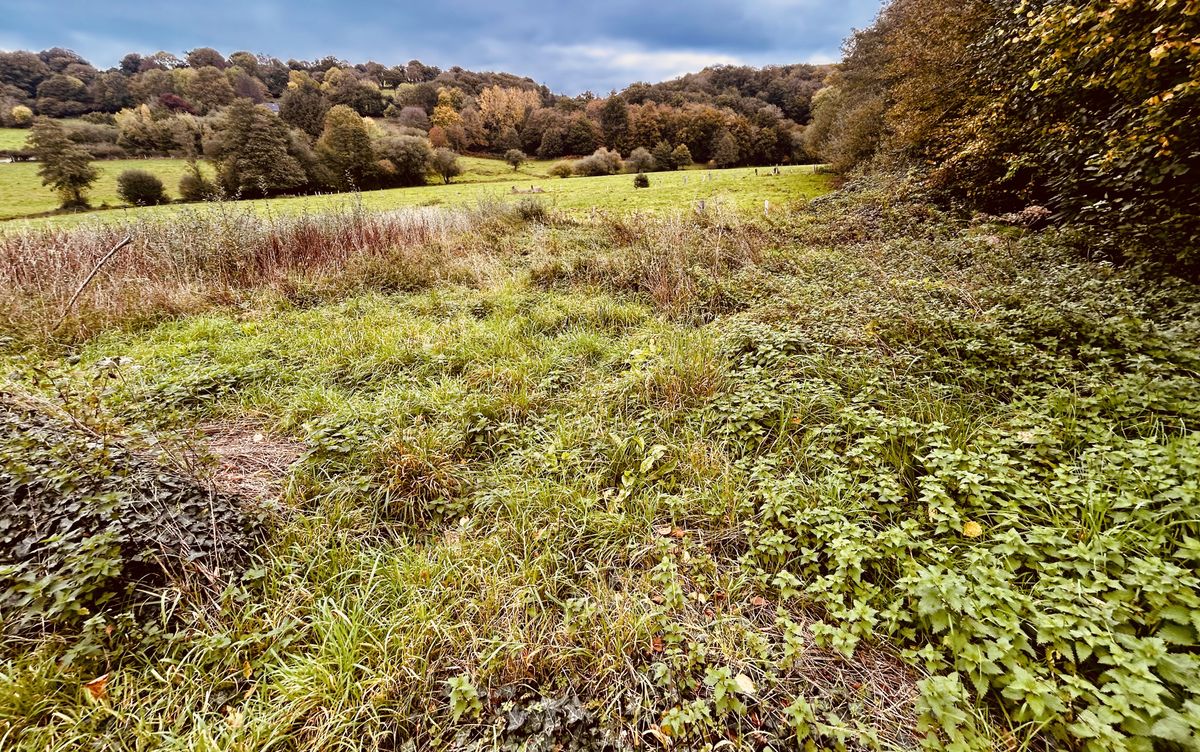
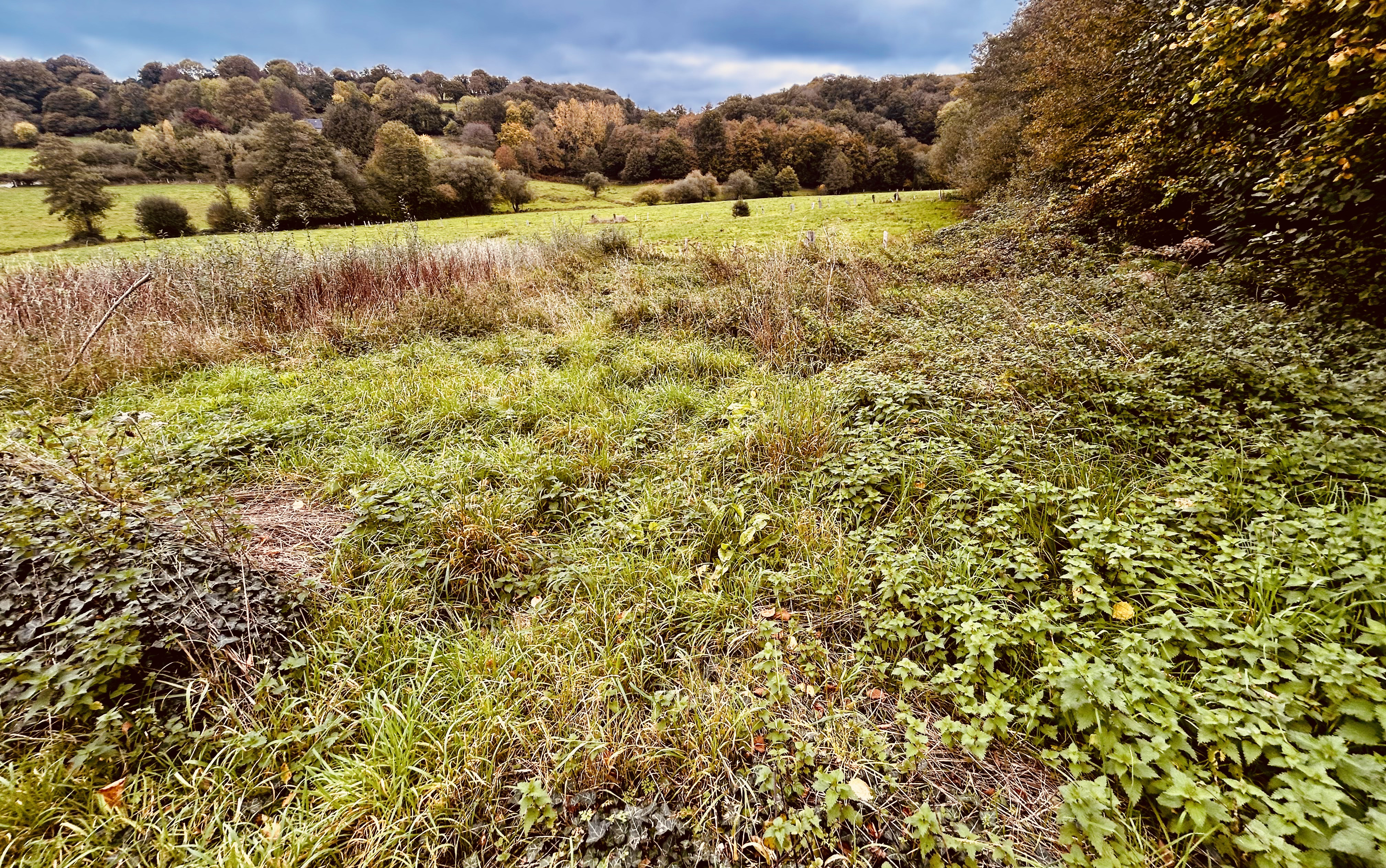
It’s mid-October in Loire-Atlantique, but fig trees are still full. Chickweed’s back and dandelions return. The mosquitoes too. The calendar says fall, but the land isn’t done with spring. And I keep seeing what’s growing, what isn’t, and what used to be here and what might never have been.
TL;DR
A bit about micro-ecosystems and the second spring in western France. This is about that & about mushrooms I can’t find, histories that show in the landscape, and how foraging helps me learn where I actually live.
[ed note: I had trouble organizing this one. I kept trying to say something new—but really, I just wanted to go back to some of the foraging pieces I’ve written before. This odd second spring has brought them back, so I might be making some spring salads in October.]
A Different Seasonality
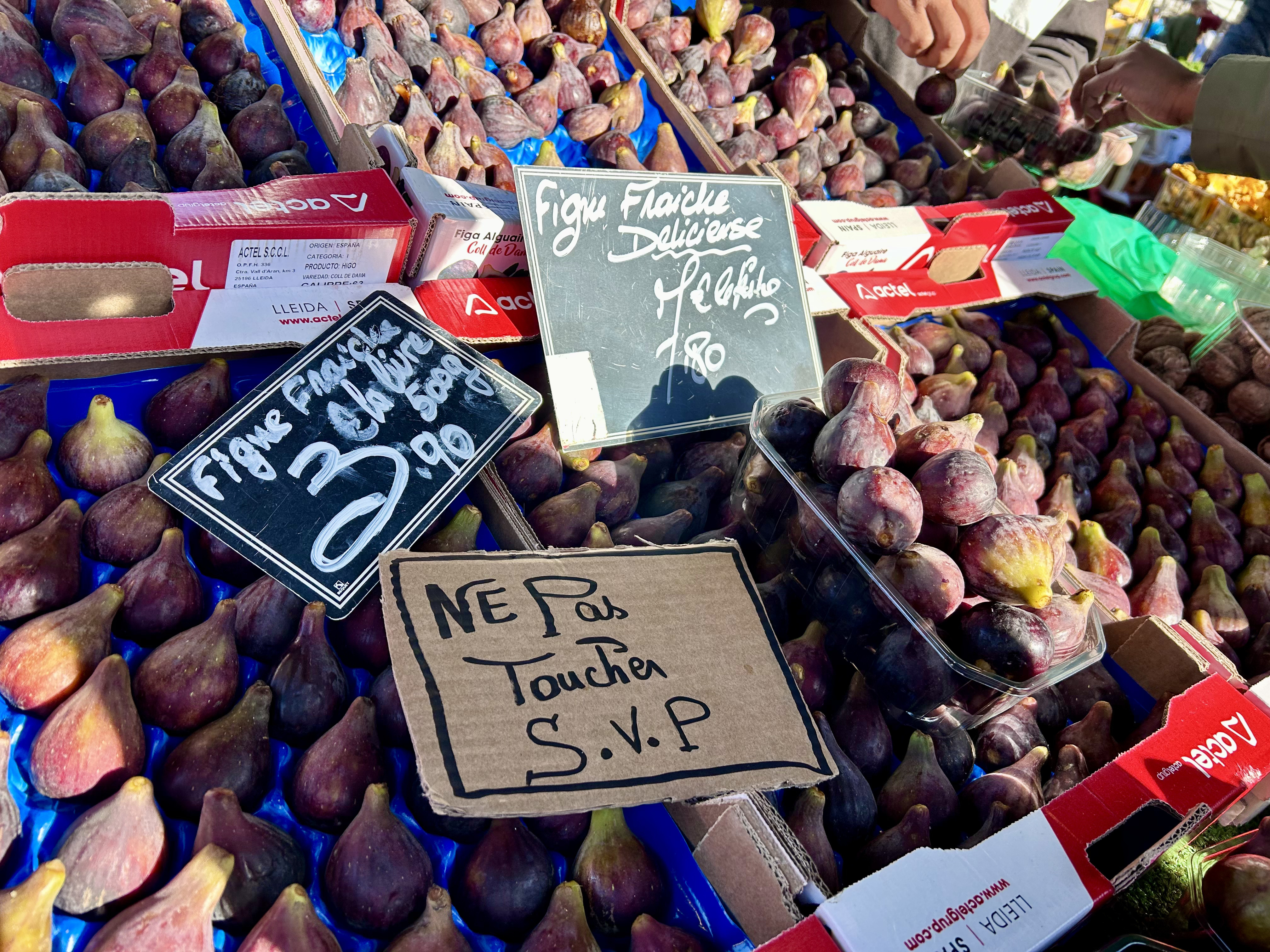
Fig trees are everywhere around here, growing year after year because there are no hard frosts, or rare ones. In early October, they’re bearing new fruit again, along with a resurgence of mosquitos I was hoping we were done with.
Leaves are falling but the air feels like April, at least to me. The chickweed returned, honeysuckles bloom again. Dandelions have fresh greens and flowers. Brambles produce another quick round of blackberries.
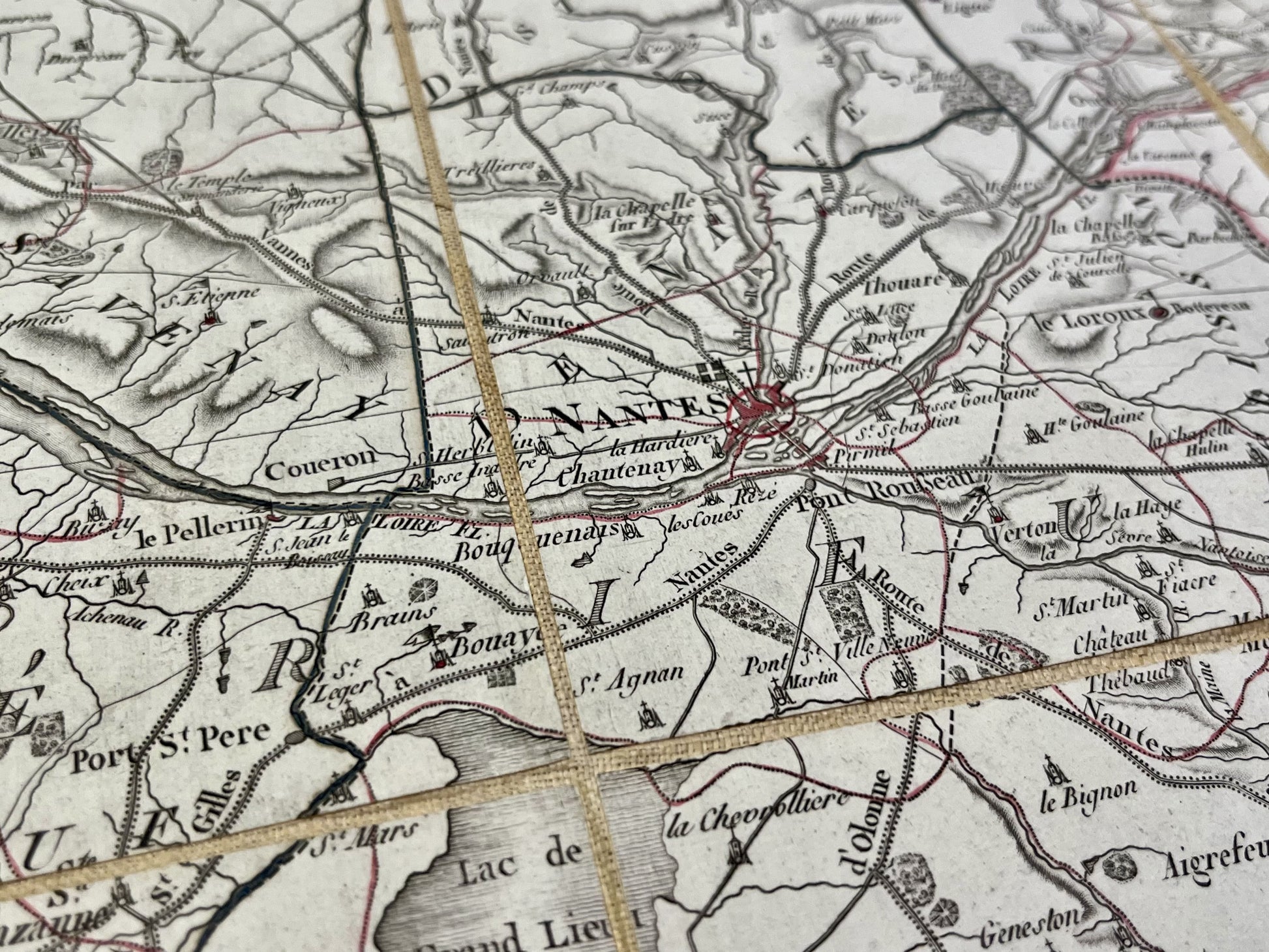
We’re in western France, Loire-Atlantique, and as days get shorter, there’s also a brief reset of spring, the occasional hot day as the sun rises after 8:30 in the morning.
It doesn’t feel like some new trick of climate change, or not only that. It feels older. Localized.
Bordering Brittany gets it too. And the Vendée. East, past Angers, the season tightens. Autumn feels sharper.
The rhythm here isn’t national. It’s regional. Micro-regional, even.
We were in Normandy last week—clouds locked low, the air tight and gray, cooler by 5°. But as we crossed over the hills of Brittany back into Loire-Atlantique, they sky cracked open. Light came in at angles.
By the time we were down in the valley roads outside Nantes, it felt like someone had switched seasons. It was a sunny day, clear and bright. A full weather pivot in under 200 kilometers.
The natural world is new to me here.
What Isn’t Here
In October in New York, I could always find maitake—hen of the woods—beneath certain oak. I had a mental map of them: in public parks, far corners of cemeteries, places that had left the trees alone for generations. They showed up reliably, their relationships with the oaks well established.
Here? Nothing. I’ve looked. In the right places, or what feels like it should be. Maybe the night don’t get cold enough, the trees weren’t left alone long enough.
For a country that romanticizes mushrooms the way France does, it’s odd not to find maitake. But then again, the oaks aren’t here—at least not in the way maitake likes them: old, wide-rooted, left alone. Most were cut long ago, for boats, for charcoal, for war. What’s left now are young, managed forests—trimmed into grids, harvested on schedule.
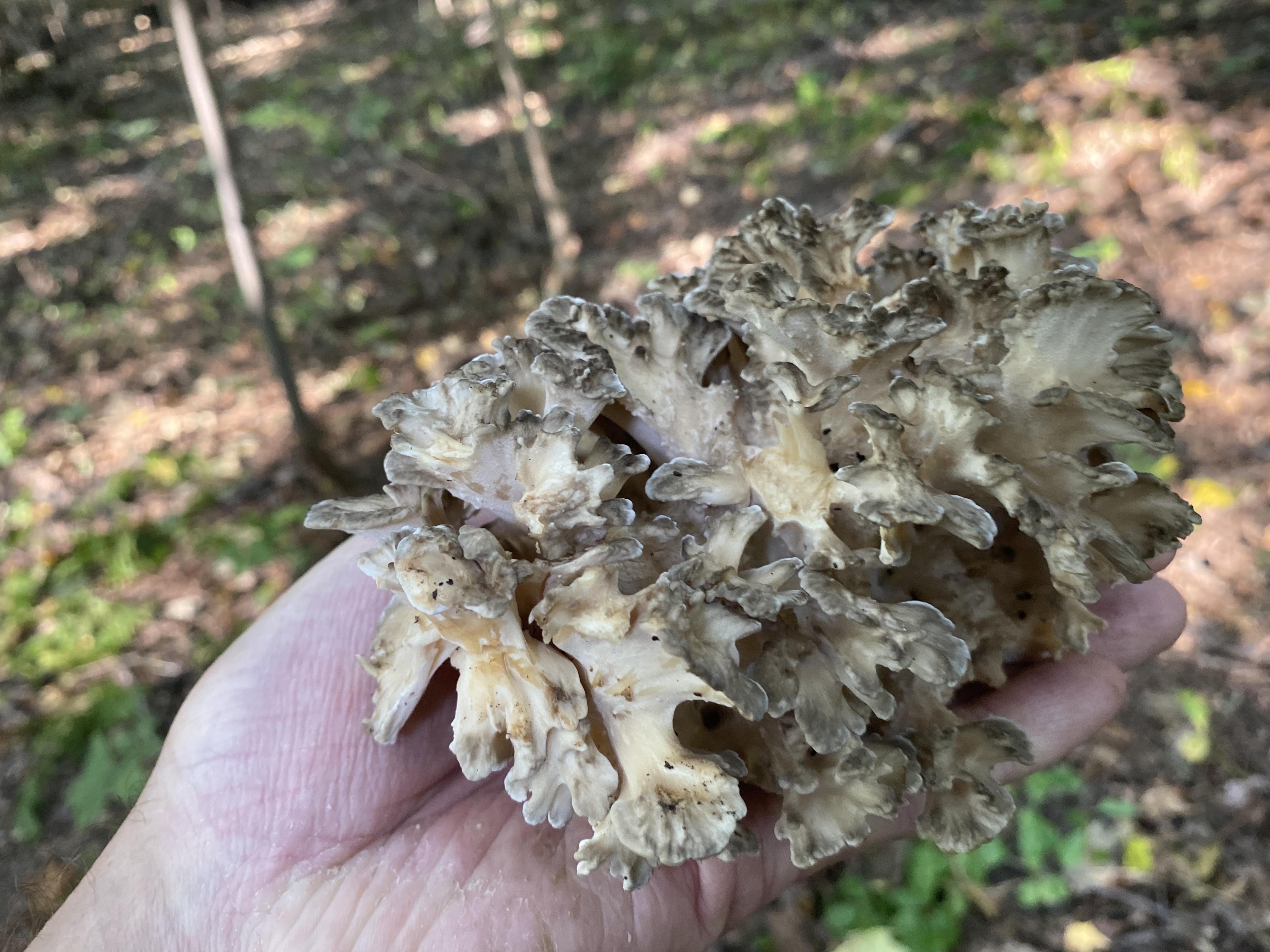
In the U.S., the culture remains mostly mycophobic—skeptical of mushrooms unless they came shrink-wrapped. France is the opposite: mycophilic. If it’s edible, someone wants it on a plate, even if that may not always be the best idea. Americans tend to leave them alone, but that may be changing.
Maitake needs old trees. It needs time. And that’s not something most forests in France are given.
But that might be changing.
Reading the Layers
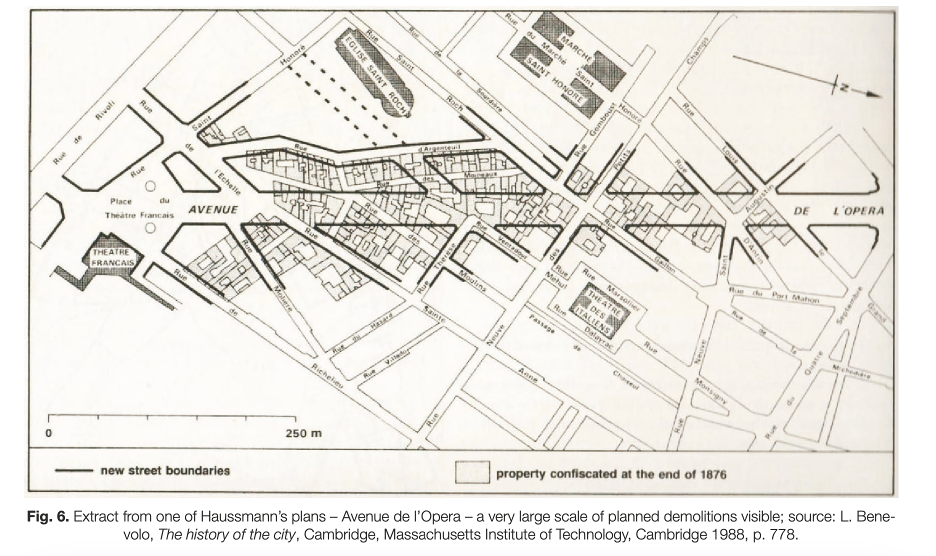
The natural world of France is a palimpseste—a word I picked up recently researching old maps of Paris: a surface written on, scraped off, then overwritten.
But you can still see the old writing beneath.
Forests that used to be a part of vast estates. Fields that were once commons.
Even the hedgerows follow an old logic of land enclosure, mapped out centuries ago – and hedges were pleached (another new word) to grow thickly.
Even the wilds here are part of a cultivated landscape, even if it hasn’t been cultivated for generations.
Erasure
In New York, I used to forage on old estates that had become public parks. Huge lawns, forgotten groves, hedgerows neglected and woods that had a hundred years to grow unbothered. Not everywhere, but in more places.
It’s strange to realize how often “wild” means emptied.
The genocide of Indigenous peoples didn’t just take land—it dismantled the systems that made that land legible. There are edible plants all over, but many people just don’t know what to do with them.
Language, ceremony, foraging knowledge. In their place came property lines. Survey maps. National parks named for presidents, not for rivers or roots. Names told you about a place in a language that no one speaks anymore.
But the plants remain.
Finding
Most mornings, I go walking. Through routine, a place becomes known.
Sometimes near the river, or along the roads with encroaching trees and stone walls. I’m not looking for anything in particular. But I bring a bag, just in case.
It’s mostly weeds. But the right ones. Dandelion. Plantain. Dock. Sometimes a surprise—wild carrot, or a tiny mushroom I have to look up. A migratory bird surprises me.
Together, they’re teaching me this place.
Let’s Trade Notes
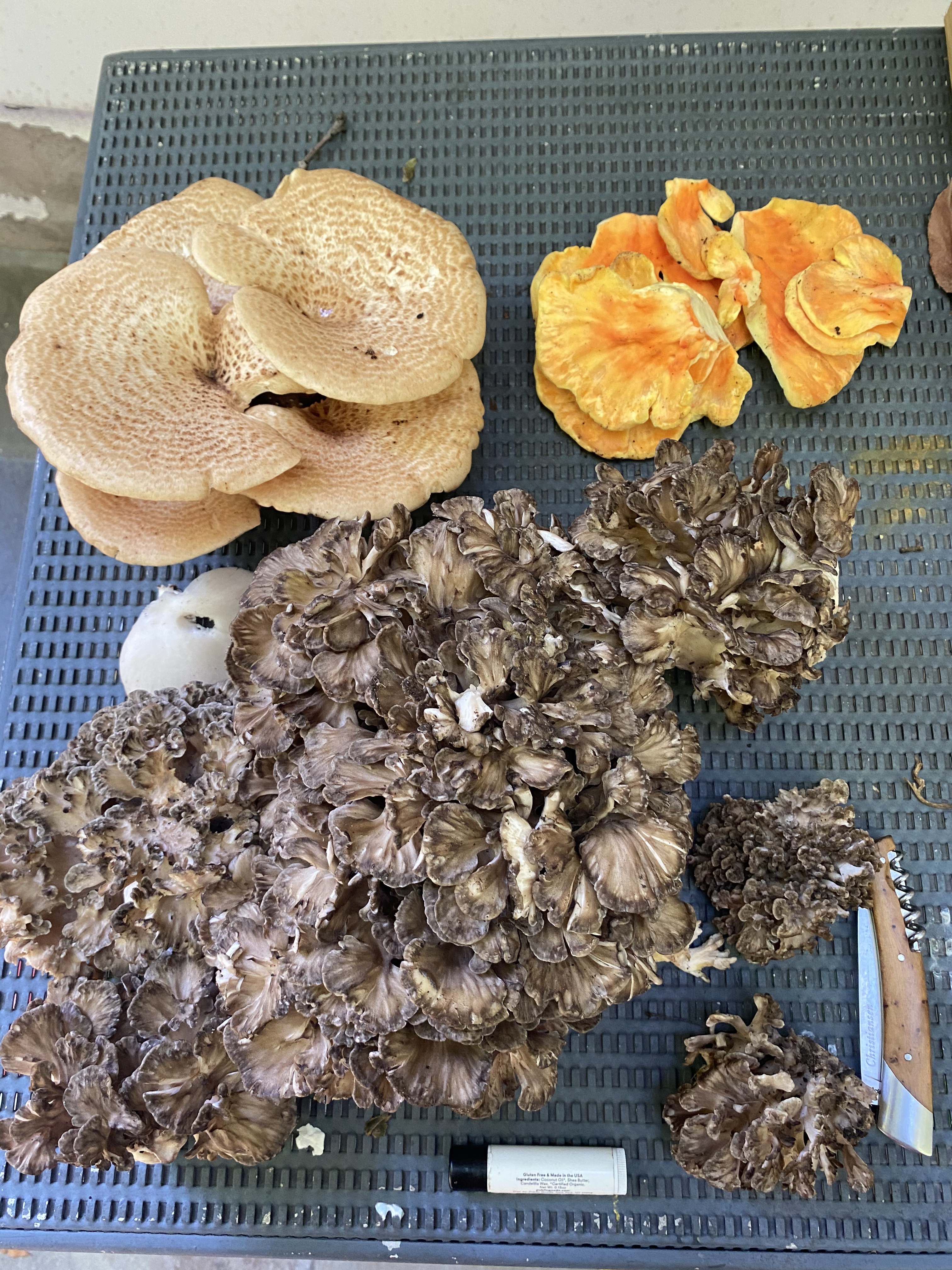
I’ve written a few other pieces around foraging here and other places—about what was planted and what keeps showing up anyway. If you’ve noticed your own version of this second spring—or what surprises you in your own microsystem—I’d love to hear it.
Further reading:
 Keith Christiansen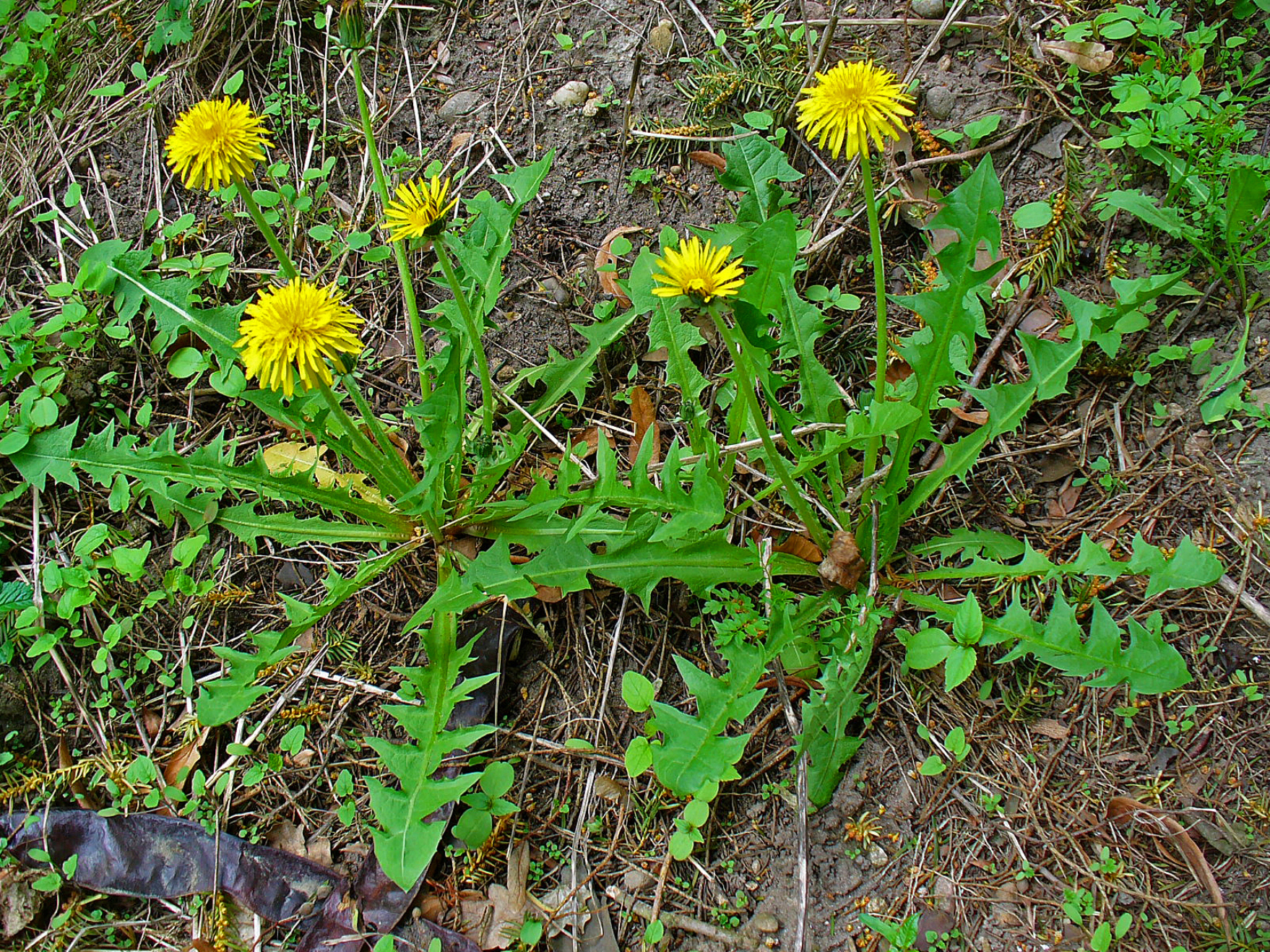
 Keith Christiansen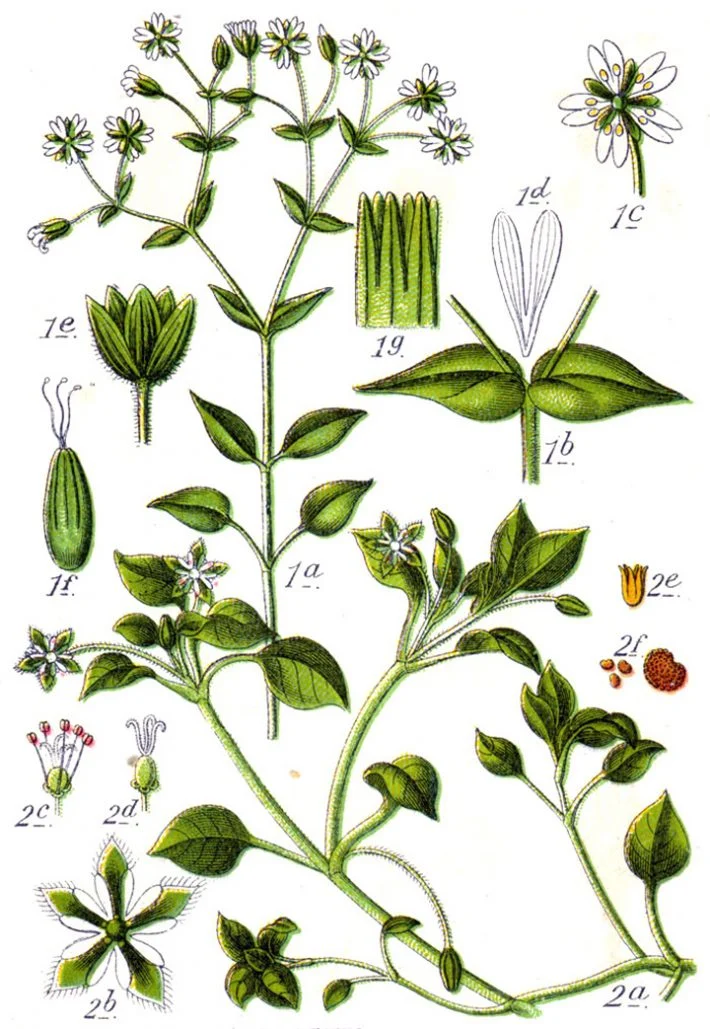
 Keith Christiansen