Confit Leeks, Puy Lentils, and a Little Patience
a market bag and a handful of herbs turn into the simplest French comfort food
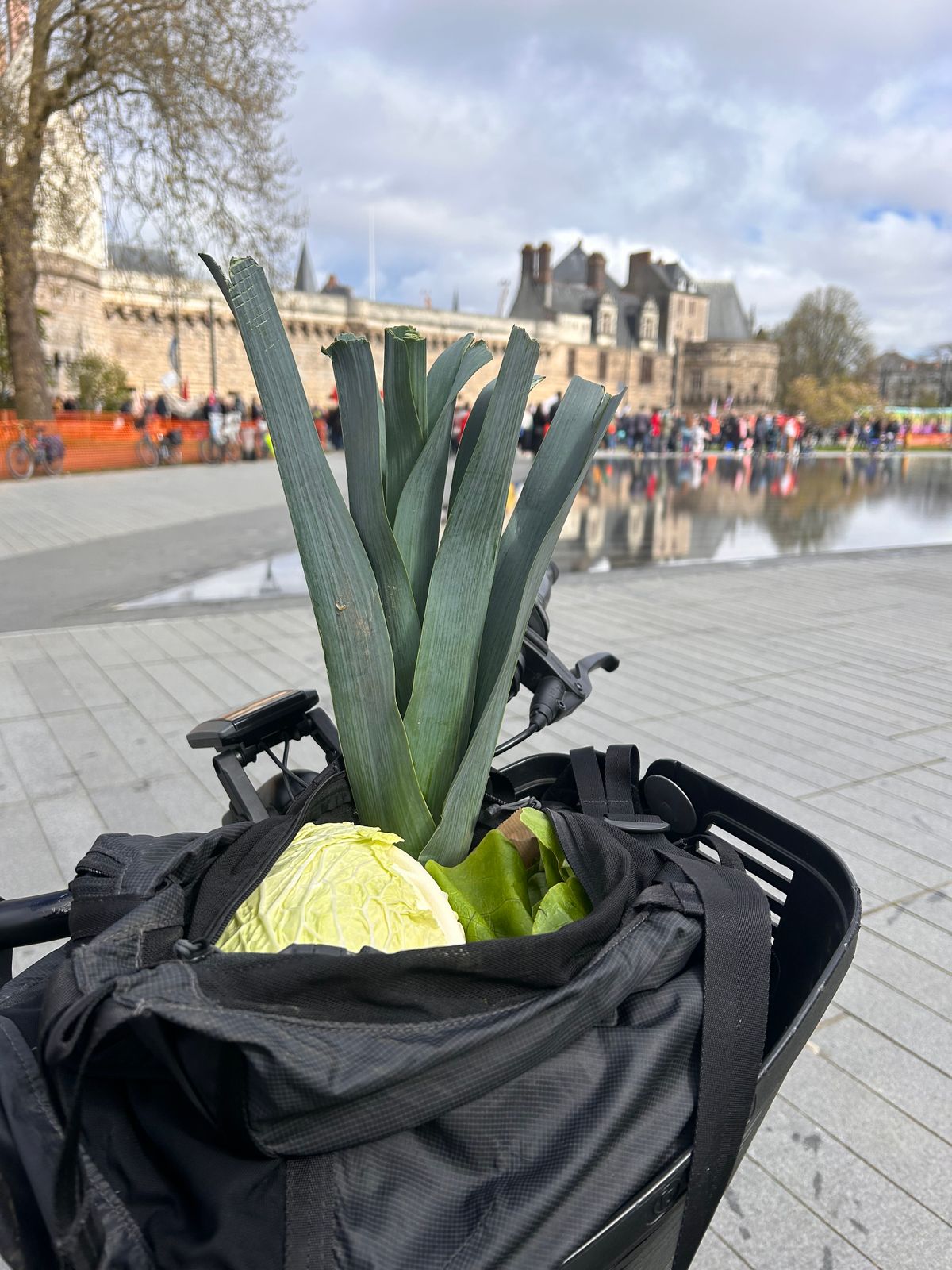
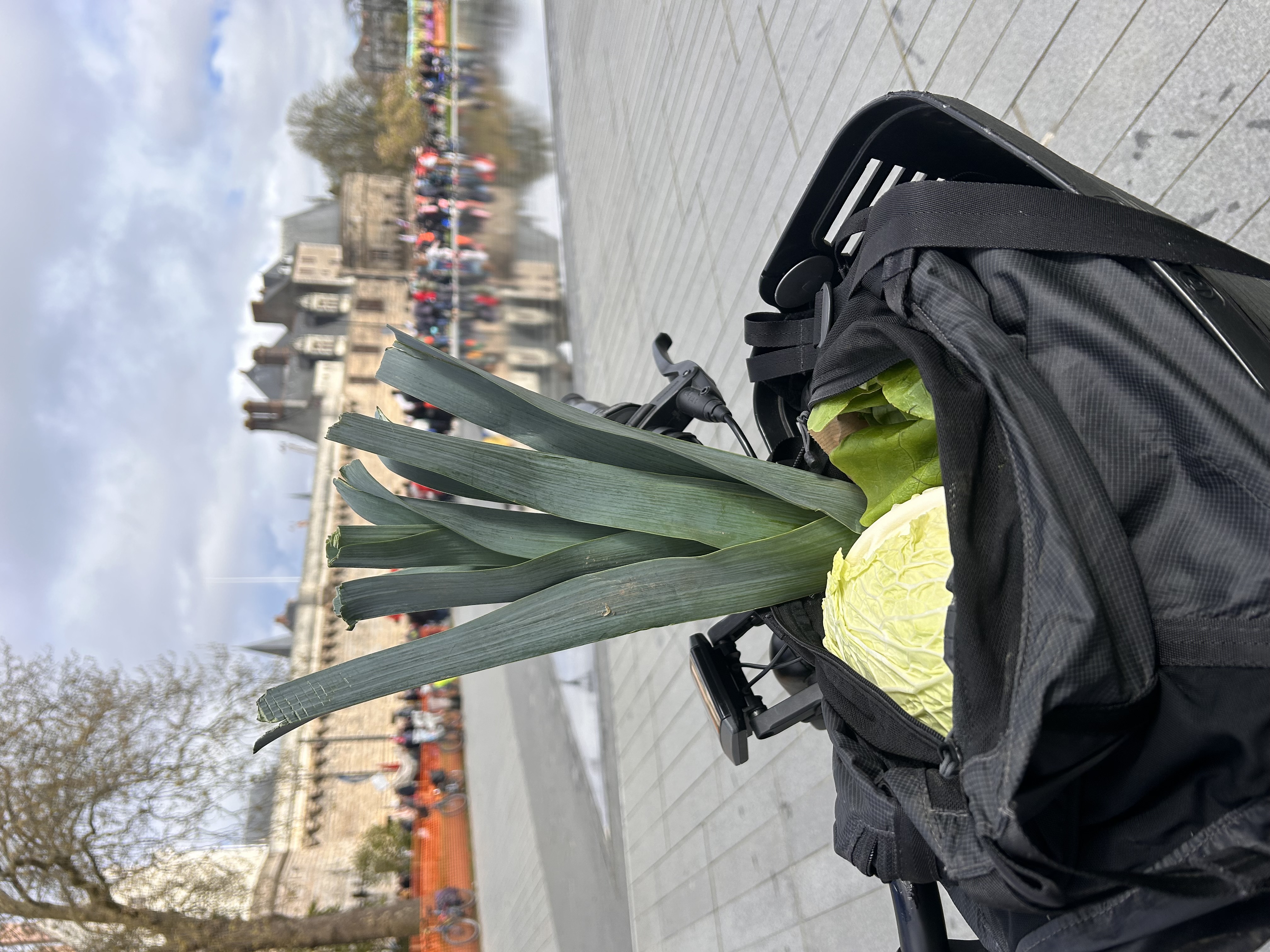
Leeks are constantly in the markets here, regardless of season. Piled high at every market stall, three euros for a bundle the size of your arm. Lentils, same thing: cheap, steady, reliable. You can eat pretty well here if you know what to do with both.
If there’s not a leek season, I have no idea. August?
low & slow
Leeks and lentils are some of the oldest building blocks of French home cooking—monks grew them in monastery gardens, peasants simmered them through long winters, and they’ve anchored soups, stews, and gratins for centuries.
This dish is about giving the leeks time to slowly poached in olive oil. They collapse into something silky and rich, almost sweet. The oil picks up the garlic and thyme, and together with the lentils, it becomes the kind of quiet French meal that feels more expensive than it is.
You can add meat, fish, or chicken if you want. I rarely do.
Usually, it’s just leeks, lentils, and a bit of lemon at the end—simple.
Confit?
It’s called a confit because the leeks are cooked slowly in fat—olive oil, in this case—until they’re tender enough to fall apart, the same preservation method used for duck or garlic.
Traditionally, confit meant anything gently cooked and kept in fat, sugar, or vinegar to last through the season. Confit, coming from confire - to preserve.
The French government defined (of course) the term: to keep fruits or vegetables in sugar, alcohol or vinegar or to keep meat or poultry in its own fat. Thus, a food immersed in a substance both for taste and preservation is said to be “confit”.
Roasting slowly lets the flavors meld into the oil for a super satisfying vegetarian meal or you can drop some meat chicken or fish on top, as you like.
I also skip the cream most times, but that’s in the recipe in case you want to get fancy.
K
Recipe: Confit Leeks with Puy Lentils and Leek Cream
This is based on an Ottolenghi recipe, which is amazing, but more fussy.
Prep Time: 20 minutes
Cook Time: 1 hour 30 minutes
Serves: 4
Be sure to:
Make sure your pan will hold the leeks and the lentils together.
Use whatever fresh herb you have on hand. One fresh herb is better than a bunch of dried ones.
add meat if you like - we just cook separately then then lay it on top.
Ingredients:
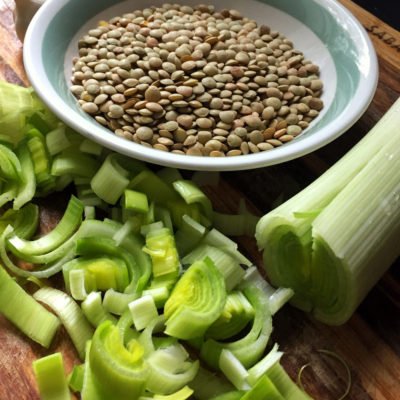
- 2.2 pounds (about 4 cups) of leeks, white and light green parts, cut into ¾-inch rounds will make it look very uniform. I just cut up the entire leek.
- 10 garlic cloves, peeled and smashed
- ½ cup + 2 tablespoons olive oil
- ½ tsp thyme
- ¾ cup dried Puy lentils (or green or beluga lentils or any other, really)
- ¼ cup lemon juice (from 2–3 lemons, but less will do)
- Use any or all of the following herbs:
- handful of parsley, roughly chopped
- handful of dill, roughly chopped
- handful of tarragon leaves, roughly chopped
- S&P to taste
Method:
1. Preheat your oven to 320°F (160°C) with a fan setting.
2. Clean leek rounds in water to remove dirt – leeks can trap a lot, go over them twice. Darin or pat dry.
3. Combine leeks, garlic, thyme, 1 teaspoon salt, and pepper in a baking dish. Add olive oil over, mix gently, arrange leeks, cover and bake for 60 minutes. Halfway through, you can flip the leeks, but I never do.
4. Cook lentils until tender but firm. Drain and set aside.
5. Add lentils to leeks – add S&P to taste, return to oven. Raise heat to 350°F (180°C) for 15 minutes.
6. Take out of oven, toss with ¼ cup lemon juice and herbs. 1-2 tbsp of apple cider vinegar will also work nicely.
Further reading:
 Keith Christiansen
 Keith Christiansen
 Keith Christiansen