Cheap Ingredients, Expensive Lessons
What patience teaches in the kitchen — and everywhere else.
Three hundred posts in, I’m still learning what it means to slow down in France.
TL;DR:
The most popular post I’ve ever written wasn’t really about food. It was about the lessons that come from repetition and variation — cooking, waiting, adapting. This week, I’m looking back at a few smaller stories that grew from that same idea — and announcing a new live series where I’ll read and talk through what’s changed since I wrote them. Bring a drink, a question, or a song suggestion.
Small Efficiencies
If you stay anywhere long enough, the place starts to show you its secrets. Not the postcard kind — the efficient kind. How people stretch what they have. How they make flavor last. How to move through it all like you belong.
In France, I’ve learned that thrift isn’t just about money. It’s cultural. It’s the quiet pride in saving a sauce, a story, a friendship — instead of starting over. It’s time over trend. Effort over flash.
Not everyone sees it that way. But I notice it more and more.
Or maybe I’m just looking for it — and that’s why I find it.
That’s what I really write about. Not just food, or music, or culture — but adaptation. How taste becomes memory. How something small, almost forgettable, turns sacred through repetition and care.
Because that’s what living anywhere long enough does to you: it teaches you to notice.
Simple
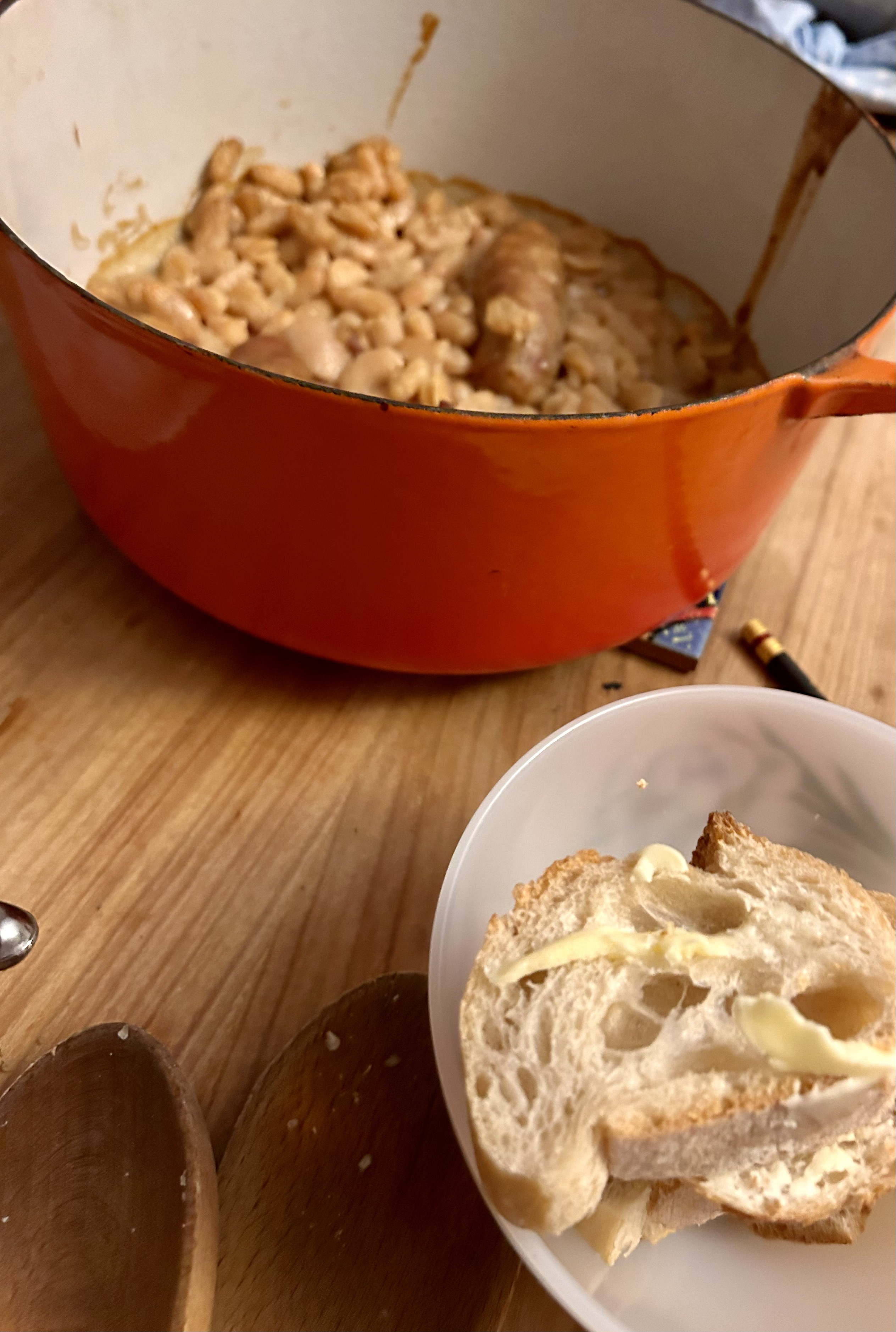
When I wrote The One Ingredient That Feeds (Western) France Every Fall, I thought it was about beans — and the surprising dishes you find them in here.
And I do love beans.
But it was really about learning to see what’s behind an ingredient — the technique, the history, the patience that shapes it.
Swap rice for lentils and the whole dish changes. Same effort, different result. It works in every season.
That’s the kind of cooking I love. I hope others do too.
Time
Maybe that’s why I rarely peel root veg. It took time to grow them — why shave that off? The skin makes compost, sure, but it’s also where the flavor and nutrition hide.
Strip it away, and you’re left with the polished version of something that worked just fine as it was. Then you have to clean that up, you’re adding to the waste cycle, and so on.
Perhaps I am overthinking potatoes.
Still, better to eat things as they come — in food, and maybe in life — as long as they weren’t raised swimming in pesticides.
I like rustic food, especially at home.
Fast, simple, flavorful. Cooking time, not prep time. Cheap, easy, tasty — the trifecta.
One of the quiet pleasures of France is that recombining the simplest ingredients can still feel like discovery.
Share, care, repeat. Like a good recipe.
Compounding Interest
Time is the ultimate cost-saving hack. It’s the secret behind every good soup, every piece of writing, every move to a new country, every friendship that lasts.
You can’t shortcut waiting.
You pay with money, or you pay with time.
And time’s the one thing we spend without knowing the balance. You never really know how much of it you have left.
I’m at the age where if I’m not building something up, I’m watching it break down.
These days, I seem to have more time than money — which might be why both my cooking and my writing have gotten slower, and better.
My sense of time has shifted here, too. It’s a paradox: you move somewhere else searching for a different life, but you’re not yet ready to live it.
I was out of step with France for a long time — and I was uncomfortable about it, once.
I still am, sometimes.
And that’s what I seem to write about a lot here.
K
Spaced Repetition
The longer I write here, the more I realize I’m circling the same ideas — just from different angles. Food, time, adaptation, care. They repeat, but never quite the same way.
Some of my older pieces still echo those first questions: how people make do, how they hold on, how they turn the ordinary into something lasting.
Making Do, French Style started as a kitchen note to a friend— how a chicken carcass and a few carrots could still become dinner — but turned into a story about creativity under pressure. Leftovers on Purpose began with anti-waste laws and ended up as a question about what we choose to value.
The Small Miracle of Bongarant was about a chapel, but really about persistence — how beauty hangs on, how it’s maintained. How invisible (to us) generations chose to preserve something, to continue to admire it for religion, for history, for craft, for beauty, but they preserved it.
Even Signs of Living in the City, which had nothing to do with food, circled back to the same thing: life in other places. Laundry lines, crooked shutters: people live here.

Coming Back Around
Three hundred posts in, and I’m still learning to slow down long enough to notice what’s already working.
So for the next few months, I’ll be doing something different — revisiting older pieces in live sessions, reading them aloud, and talking through what’s changed since I first wrote them.
I’d love for you to join me. Bring a drink, a question, or just yourself. Leave a comment below — tell me which stories you’ve returned to, or what’s shifted for you since you first read them.
Because time keeps moving, but meaning is something we build together — one reread, one meal, one small discovery at a time.
Coming Soon!
The Live Session
Friday, 19:30 CET / 1:30 PM ET
Where: Substack/On the Internets.
I’ll be hosting a live session — part reading, part conversation — around the themes that keep showing up here: food, thrift, time, adjustment and how we make things last.
I’ll read from a bunch of popular pieces — maybe a few other pieces that never made the final cut — and some new thoughts and ideas
We’ll talk about what everyday life teaches when you slow down — in kitchens, in language, in belonging.
musical accompaniment
Jersey Girl — Tom Waits (Live at Théâtre Le Palace, Paris, 1981)
Recorded for French TV in Paris in 1981 — newly colorized, smoky, half-broken, and tender. Waits is deep in his bourbon-and-heartache era, growling through a love song that feels both cinematic and local.
If you’ve never heard him before, I envy your first listen.
I once read an interview where Bruce Springsteen was asked what he’d do differently in his career.
“I would have written Jersey Girl,” he said.
Waits isn’t from (New) Jersey. He just wrote the most New Jersey love song ever written.
Waits wrote it for his wife, Kathleen Brennan, who is from New Jersey.1 It’s one of his few romantic songs, stripped of surreal edges — Springsteen picked it up and made it his encore through the ’80s.
Further reading
 Keith Christiansen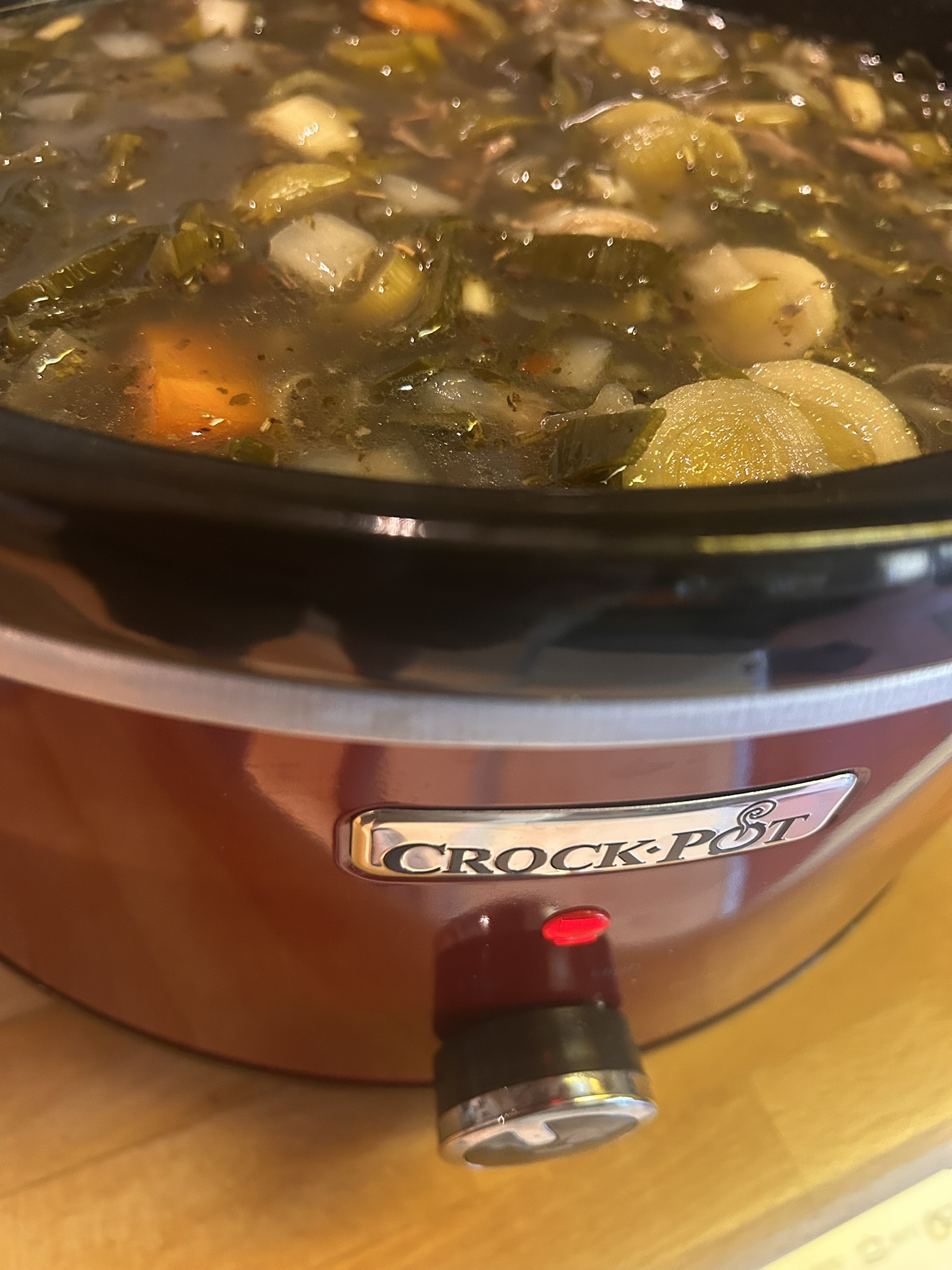
 Keith Christiansen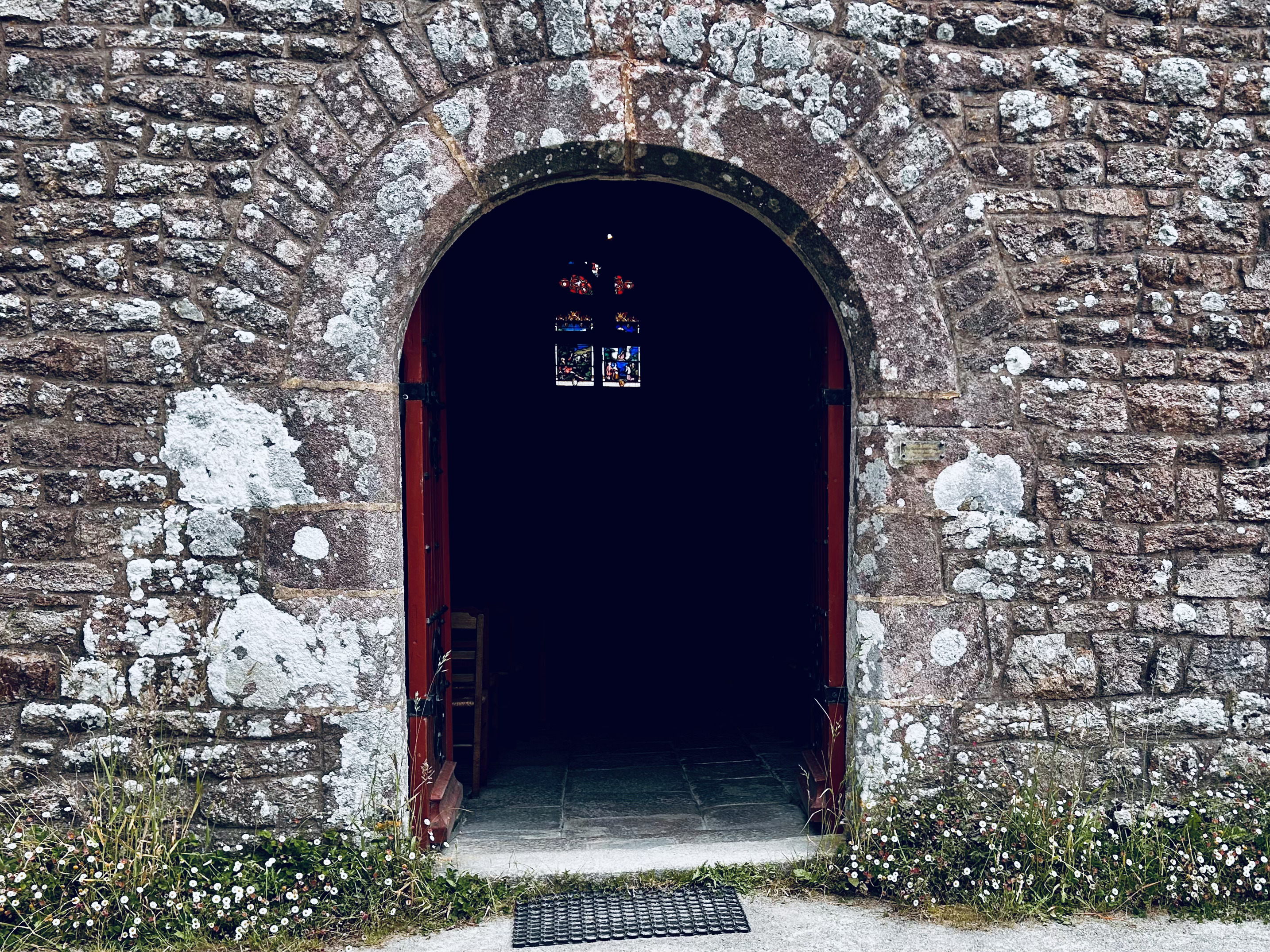
 Keith Christiansen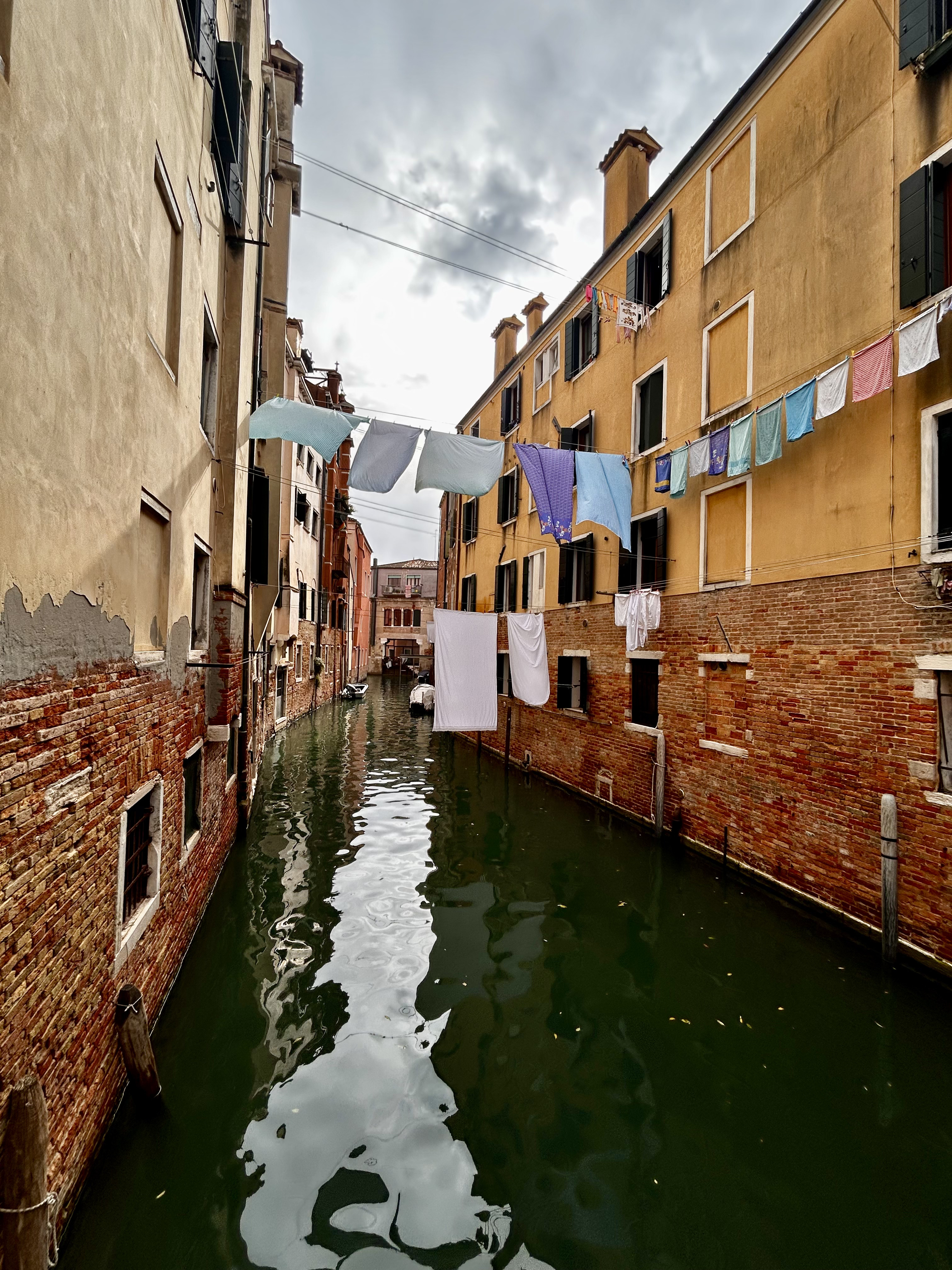
Tom Waits Library Arhcive
http://tomwaitslibrary.info/biography/performance/1981-1985-1/ ↩