Not Rejected. Just Not Inside.
What it feels like to live in the space between being accepted and actually belonging

I left an event the other night with a strange feeling I couldn’t quite place.
One or two off moments in an otherwise enjoyable evening.
Nothing bad happened.
Which somehow bothered me more.
TL;DR
Even in places that make room for you, being an immigrant comes with a familiar uncertainty—missed cues, a sense of standing just outside, the need to move carefully through small frictions. There’s not always clear resistance. Just a lack of clarity. Some days, that’s enough to throw you off.
And I know others are dealing with much more than I am, but I still have my own problems.
…maybe I’m making progress?
Cultures Inside of Cultures
You have to remind yourself there are cultures inside of cultures.
France isn’t one thing. New York wasn’t one thing either.
Those flat versions of a place mostly exist from the outside. The export version. I talk about this a lot.
It’s not really real.
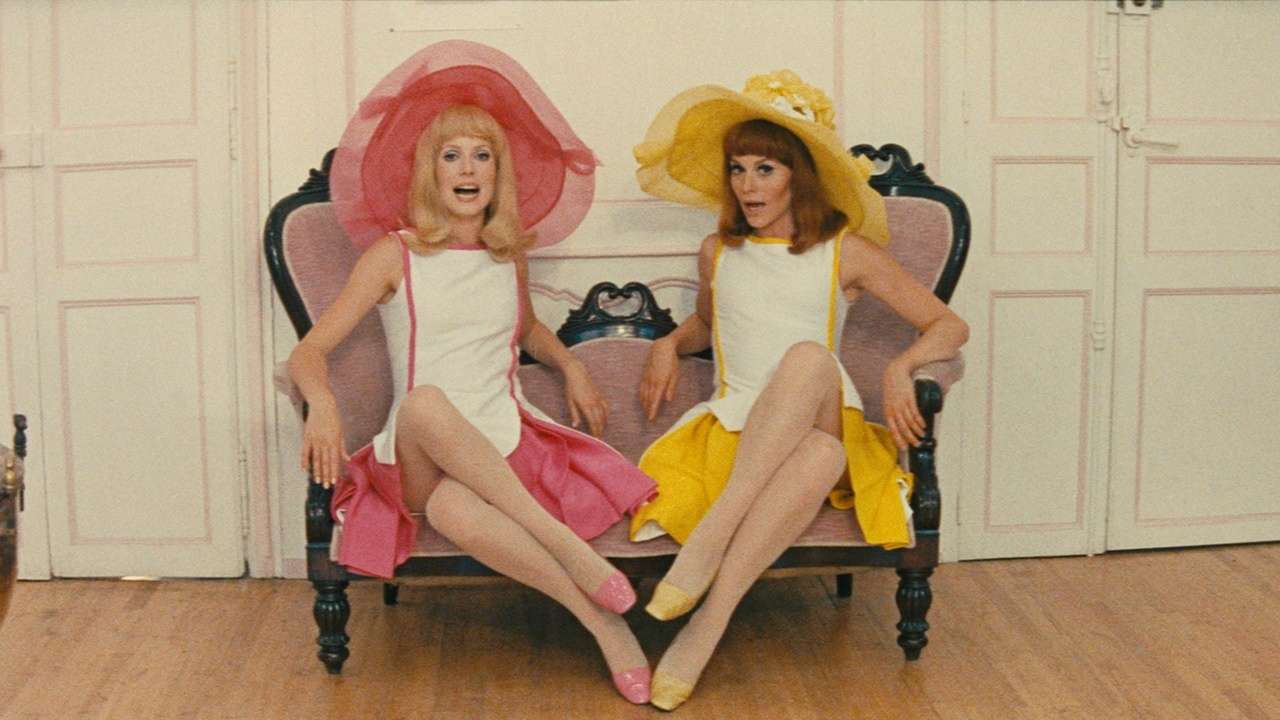
No, I didn’t know the people on Friends, and I’m not over here walking around singing like The Young Girls of Rochefort.
Daily life doesn’t work like that.
There are all varieties of people here. This is Nantes, a smaller city in France. I’ve met a lot of them. People I like. People I want to see again.
But not everybody’s fascinating.
And sometimes you run into people where it’s just… not a match. Let’s call it that. I’d probably have more direct words for it in New York.
That would’ve happened there too.
Same randomness. Same ratios.
The difference is how it feels here.
Because here, I’m already a little off balance.
The Event
On paper, the night was good.
Some easy conversations. A few people I already knew, and some I connected with right away.
And then a couple that didn’t.
Nothing dramatic.
Just off.
A response that closed instead of opened.
A shift in tone I couldn’t quite read.
A conversation that moved on without me.
Out of ten interactions, eight were solid.
But it’s the other two that stick.
I hate that I do that.
Not Quite Inside
That’s part of living here.
France isn’t unwelcoming.
There’s no open hostility. No sense that I shouldn’t be there.
I’m aware that for other people, that’s not always the case. That there are people dealing with racism, with much harder versions of what I experience.
But I still have my moments.
There’s no strong pull inward.
I’m allowed in.
I’m just not invited to everything.
And yeah, that existed in New York too.
But when everything else is different, it feels different.
Like a nick on the tip of your finger from cutting lemons—suddenly everything is a bit more sensitive.
Language, Again
French sharpens it.
It’s not just that it’s hard.
It’s that it’s precise.
If you drift too far from what’s expected—lean too hard into an accent, miss a conjugation—the conversation doesn’t collapse. It just stops including you as much.
So you adjust.
You speak less.
You hesitate more.
You hold back what you’d normally say without thinking.
Which is strange, because the culture itself values argument, clarity, saying what you mean.
But to participate in that, you need control of the language & I don’t have that quite yet.
The Weight of Small Things
One awkward exchange sit in your head longer than ten normal ones.
Especially when you’re already working harder just to stay in the flow.
You replay it.
Did I say something wrong?
Was it the language?
Was it me?
And the answer is some mix of all three.
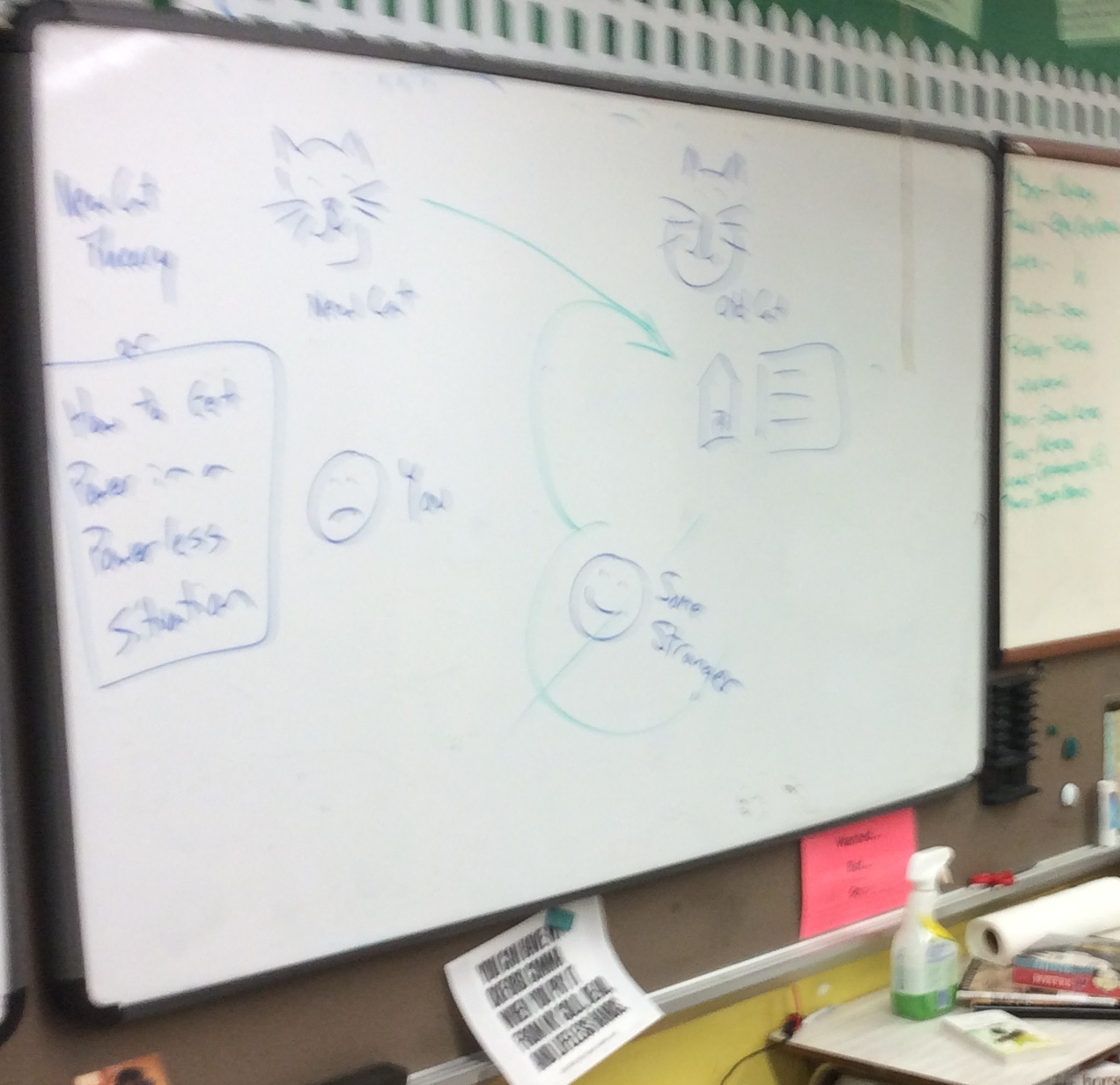
The Teaching Thing
When I was training teachers, I used to tell them:
You have to stay optimistic.
Not in a fake way. Not in a “let’s all feel better” way. Not kumbaya, not cheering your fuckups.
As a discipline.
Because people who care—teachers, anyone trying to improve something—tend to fixate on what went wrong.
You run a lesson, nine things work, one thing fails.
And that’s the thing you stick with.
But you can’t build on failure alone.
You need to identify what worked. That’s foundation. That’s what you refine.
Otherwise it’s like abandoning your car because the radio stopped working.
Other things are working. Change what you’re focusing on.
Build from it.
Stepping Back
So I had to do that the other night.
Step back.
Ask the same questions.
What worked?
What was actually good?
And the answer was clear.
Most of the night was great.
Most of the people were interesting.
I had to actually go back and count them, to replay the evening in my head as I walked home. There were far more people I’d want to see again than people I’d avoid.
That’s also the reality.
But you have to see it, and then remind yourself to keep seeing it.
Everyone Should Do This
My friend Luis said something to me that stuck.
Everyone should experience being an immigrant at some point.
Not as punishment.
Just to understand.
The uncertainty.
The doubt.
The constant low-level friction of not quite knowing what’s happening around you.
Even when you’re welcome.
Especially then.
The Quiet
There’s a version of this people like to tell.
That it’s exciting. Expanding. Freedom.
And sometimes it is.
But there’s another layer that doesn’t get said as often.
You miss cues.
You fall out of conversations without knowing when it happened.
You say less—not because you don’t have anything to say, but because you’re not sure how it will land.
And that sits underneath everything.
Quietly.
Not all the time, but sometimes. You tend to think about it more than it really happens.
There’s this sense that you’re not supposed to complain about it.
Because nothing is really wrong.
But that doesn’t keep you from thinking about it.
The Reality
For me, going back isn’t really a choice.
So this needs to work. We live in France. We’re staying, if we can.
& I’m not dealing with the hardest version of this. There are people up against far more than a few missed cues or socially awkward moments.
But it still gets in your head sometimes.
Which gives those miscues more weight than they should really have.
Because this isn’t temporary.
This is supposed to be home.
The Question
Some days I wonder if I’ll ever fully fit here.
Not legally.
Not practically.
Socially. Culturally. Instinctively. All that other stuff.
If there’s a point where the hesitation disappears.
Where conversations don’t feel like double thinking.
Where you’re not translating yourself all the time.
Keep Going
Luis—Spanish, someone who’s spent a good part of his life moving between places—didn’t say this directly (he is often quite direct), but it was in how he talked about his life.
Twenty years in the U.S.
Building something there.
Becoming part of a place that wasn’t originally his.
And then returning.
Carrying both versions with him.
That’s probably the answer.
You don’t resolve it.
You carry both.
Ending
So you keep going.
You adjust.
You study.
You pay attention.
You show up again.
Some days it works.
Some days it doesn’t.
But over time, the friction changes.
Not because it disappears.
Because you learn how to move with it.
Music: “Tous les mêmes” — Stromae
Stromae is Belgian—Rwandan father, Flemish mother—already slightly outside any single cultural lane. French-speaking, but not French.
“Tous les mêmes” (All the Same) plays with perspective. Stromae—precise French-language electropop, theatrical, slightly detached—shifts between male and female mid-performance, remaining fluid, expanding understanding even as the message remains unclear. He does this a lot.
Not Just the Easy Parts
One of the reasons I share this stuff is that people don’t talk much about the awkward moments. They’re part of it, and they’re useful. If you’ve had your own version of this, I’d be curious to hear it.