How to Belong Somewhere You Weren’t Born
Research, Rants About Moving, and the Real Work of Building a Life Abroad
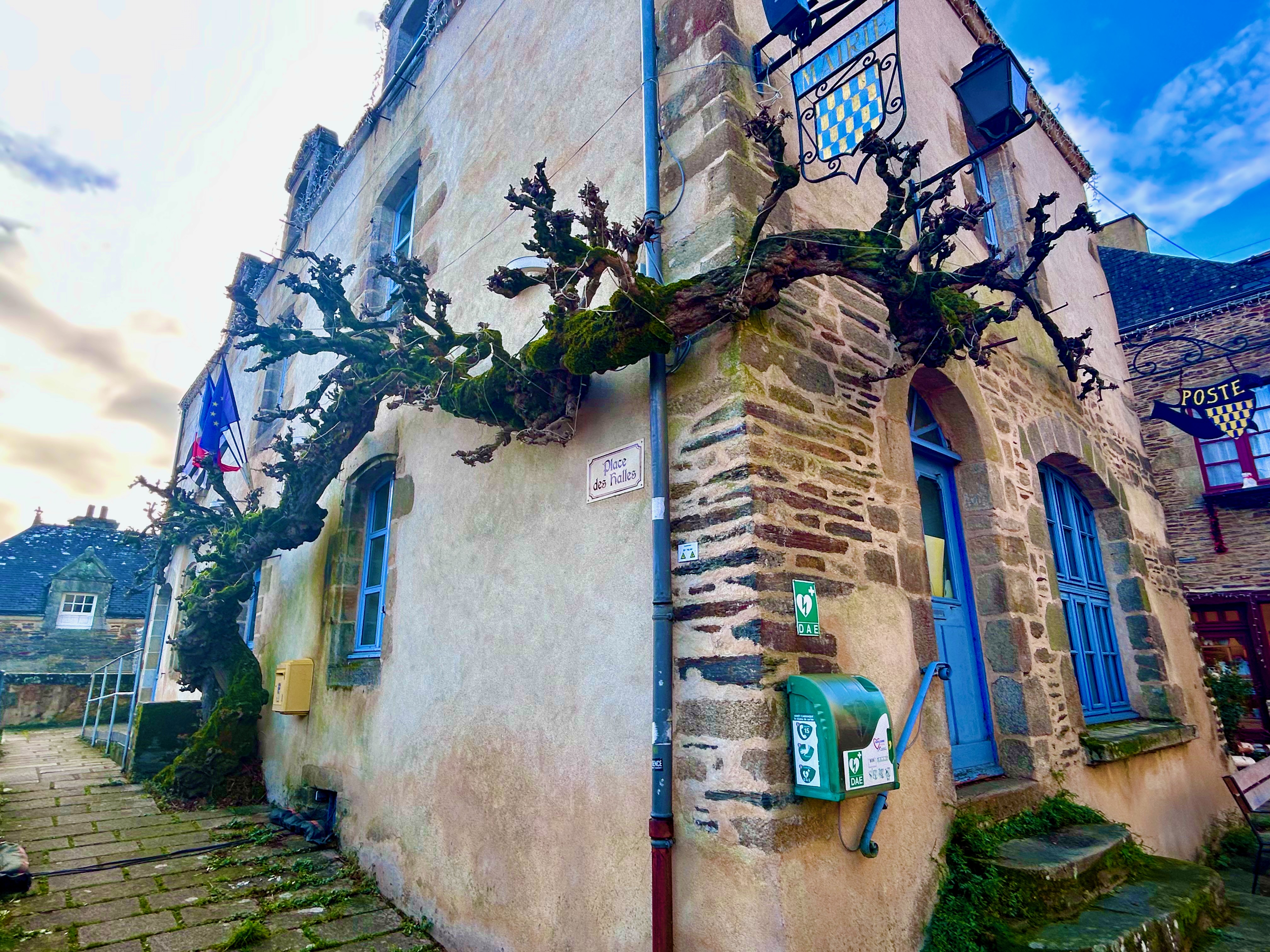
You can move anywhere with enough logistics, but belonging takes curiosity. The kind that keeps you up at 1 a.m. reading local history PDFs, learning why foods tastes different here, or why the post office closes on random Tuesdays. This isn’t a guide—it’s an experiment in paying attention.
TL;DR:
Living well abroad isn’t only about finding the right visa or neighborhood—it’s about how you learn. Research becomes survival, curiosity becomes community, and figuring things out becomes belonging. This is about that process: how digging into the small stuff—words, habits, local stuff—helps build a life again.
Not a guidebook
This idea’s been sitting with me for a while. I’ve tried to write about the kind of research I do—and why it matters when you’re trying to feel at home somewhere new—but every version of the post fell apart a little.
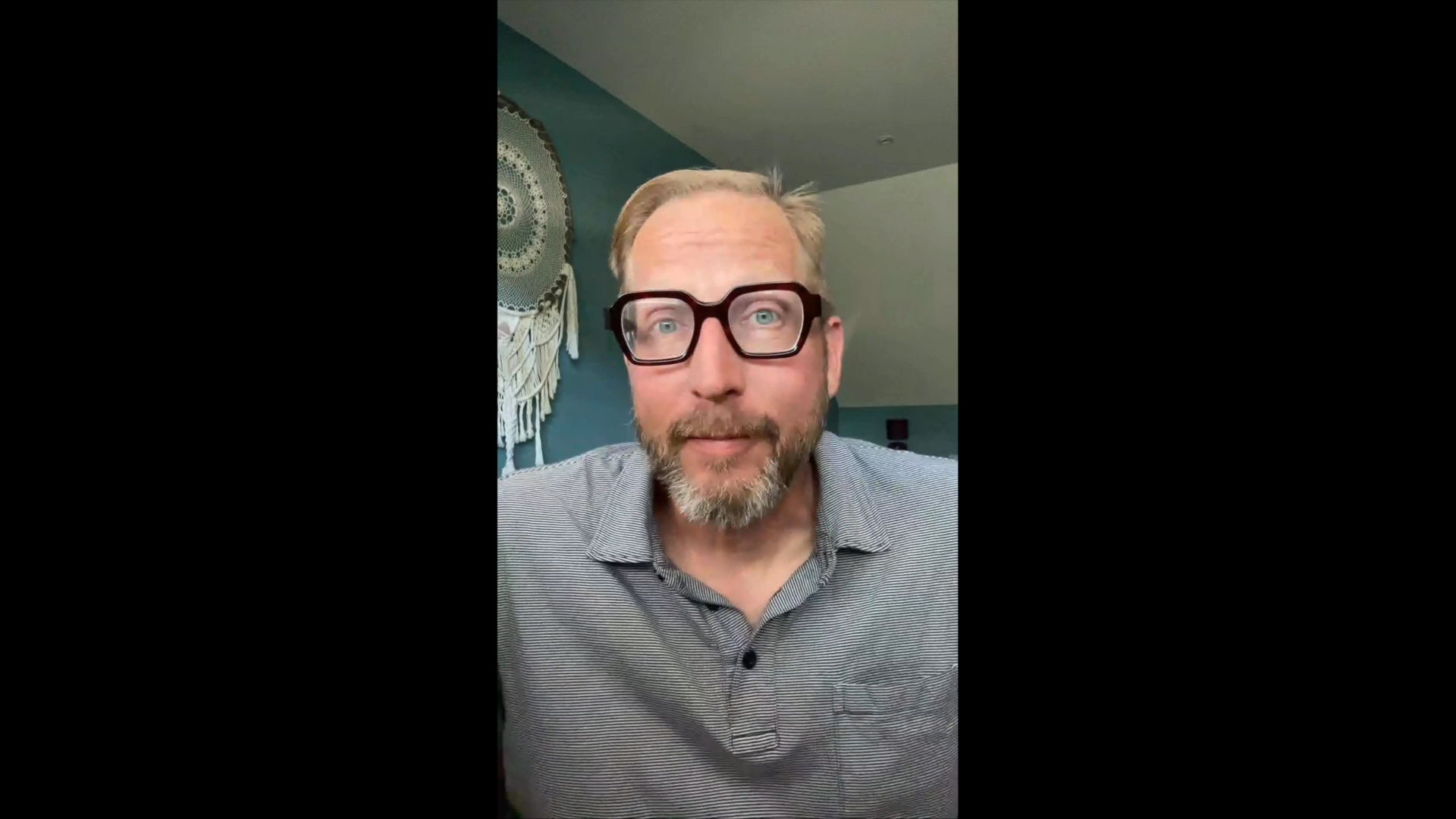
So this time, I just talked it out. It’s not a clean essay—it’s a recording. More like a long-form voice note, with a few notes and a worksheet if you want to dig in.
(And there’s a worksheet for independent study! )
I’m also finishing the next interview episode for the podcast—coming soon.
life as research
This Substack isn’t really about how to leave home. It’s about what happens when you get somewhere else. After the move. When things wind down and it all gets to be a bit normal, when you’re sitting in a strange room wondering what “settled” might look like here. Or looking for something you were sure you’d never forget to take with you, but you did.
no matter what you do, you’re going to learn a lot. You’ll need to.
Living well in another country is its own kind of research project.
I’m a compulsive researcher.
Always have been. If something’s weird or confusing or frustrating, I’ll chase down material through PDFs, forums, maps, footnotes, and scrolling through other people’s blogs.
You need to find source material, not just look around the funhouse mirror of trending responses.
But that compulsion remains one of the most useful tools I’ve carried into life abroad. Not just for figuring out visas or healthcare or what kind of butter to buy, but for deeper stuff too. Like how to build a life that feels like mine, here.
And that’s what the talk is about.
It might be easier just to listen to it.
but for those who prefer to read, notes are below.
K
You can’t find a home if you don’t know how to search.
I have seen a lot of people talk about moving abroad without researching where they’re going. Not at all, really. Or not as seriously as they should.
You’re not going on vacation. You might be living out your fantasy, but your fantasy involves a lot of paperwork and where you land will truly affect how you live.
It’ll affect who you are.
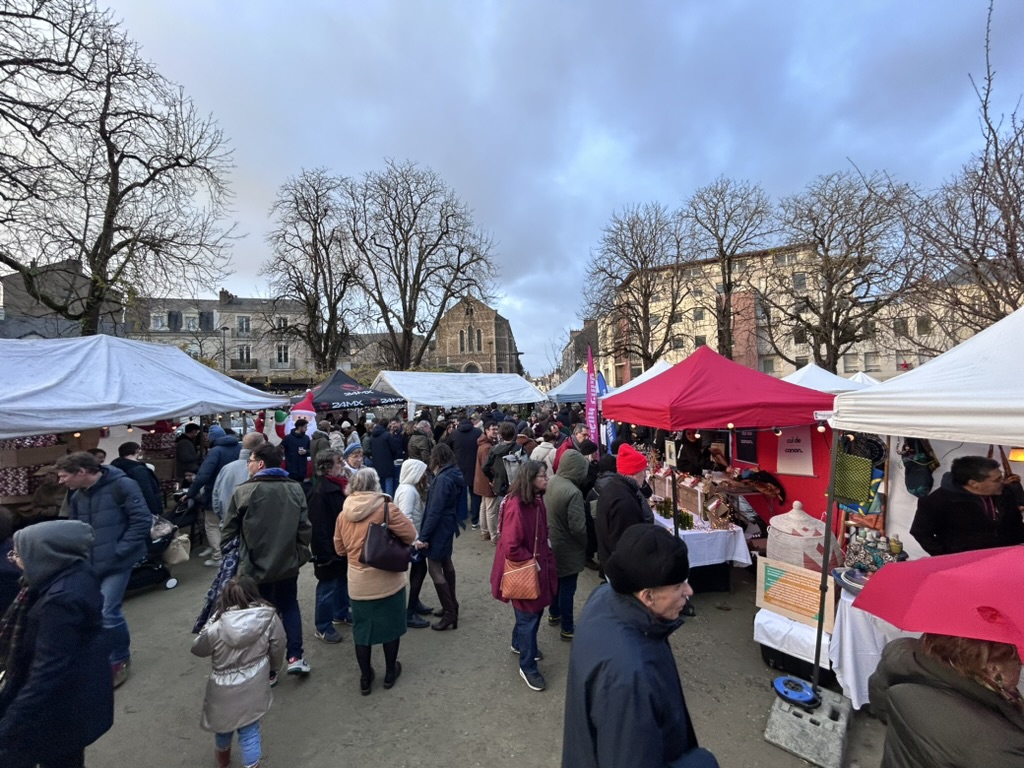
We live in France now and our experience has shifted dramatically. Living in the city was one thing. Life outside the city is something else entirely. And then when we were in the countryside—an hour away—it was different again.
Geography is one thing. How a location feels is another.
And how it feels to you is everything.
emotional fine print
Don’t just read blog posts or watch videos. Listen for the things people didn’t expect—the emotional fine print in their stories.
Moving abroad isn’t a BuzzFeed quiz. It’s not “France vs. Portugal—Which One Are You?”
It’s messier, more personal, and your answers will change. (For the record, I turned out to be more France than Portugal—but I had to find that out the hard way.)
The only way to know what fits is to keep asking questions. Over time, they shift—from logistics to values, from “how” to “why.”
Reach out to people who’ve done it. Some will help, some won’t. Either way, treat your move like every major life change you’ve ever made—all at once.
Because it is.
Research is how I belong.
I think of research as a way of fitting in. It gives me something real to talk about with locals. One of my favorite moments is when a French person says, “I didn’t even know that about my own country.”
Even the smallest things count—learning toothpaste brands, new idioms, gestures, how to greet someone without sounding like a Duolingo exercise.
It’s all part of the same project: how to become part of a place you didn’t grow up in.
It’s not just about figuring out what’s normal, but what feels right for you. What makes sense. Which parts of your old life you want to keep—and which you’re ready to let go of.
You will adapt. You will change.
And part of that is accepting that you’ll get it wrong sometimes. Laugh about it when you do.
That’s research too.
Curiosity isn’t just survival—it’s connection. The more I dig, the more I realize how fragile and partial our understanding of a place can be. Most of what we think we know comes from repetition, not depth. That’s why I keep researching, reading, asking questions—not to reach consensus, but to remember better.
We don’t need consensus—we need deeper memory.
The internet used to feel like a library. Now it’s more like a shopping mall—loud, crowded, and full of noise.
Search engines don’t teach; they sell. AI can spit things back at scale, but it doesn’t know what you need, or what it means to live somewhere that isn’t on anyone’s “best places” list but happens to fit your odd little life perfectly.
That’s why archives matter. Why messy, personal stories matter. We don’t need optimization—we need more voices, more contradictions, more footnotes.
When we found our city, it wasn’t because someone online told us to go there. It wasn’t even on the list—well, not the right one. You can’t outsource discovery.
In education theory, there’s something called the Zone of Proximal Development (ZPD)—the idea that learning grows from what you already know. You push out from the edges. You find the next thing you’re ready to learn, and you start there.
You can’t outsource discovery.
Living abroad isn’t about a better checklist, though they can help. It’s about staying engaged. Staying curious. Watching how the light falls in the afternoon. Learning which days the post office actually works.
Asking over and over: what does it mean to live here—and what do I want that to look like? And what does my life look like now?
We keep answering that question.
In the talk, I describe it as a square graphic, not round. Oops.
The goal isn’t to know everything. It’s to keep showing up with questions. And maybe to read those long annoying stories on recipe blogs. Sometimes, buried in those weird tangents, is exactly the thing you didn’t know you needed.
Someone within my ZPD needs to read this!
If this was useful, like, share, subscribe, or just drop me a note. I’d love to hear from you. Especially your own weird research rabbit holes. I’ll be there with you.
K
Further reading/listening
 Keith Christiansen
 Keith Christiansen
 Keith Christiansen
 Keith Christiansen