When the Countryside Goes Quiet in France
On learning to hear what’s missing in France
We went to the countryside expecting quiet.
What unsettled me was how little there was to hear.
I want to start with something small.
Something easy to dismiss.
Sound.
TL;DR:
In rural France, you can expect quiet. Underneath that quiet is a kind of palpable silence. What I heard instead was absence — and once you hear what’s missing, it’s hard to ignore.
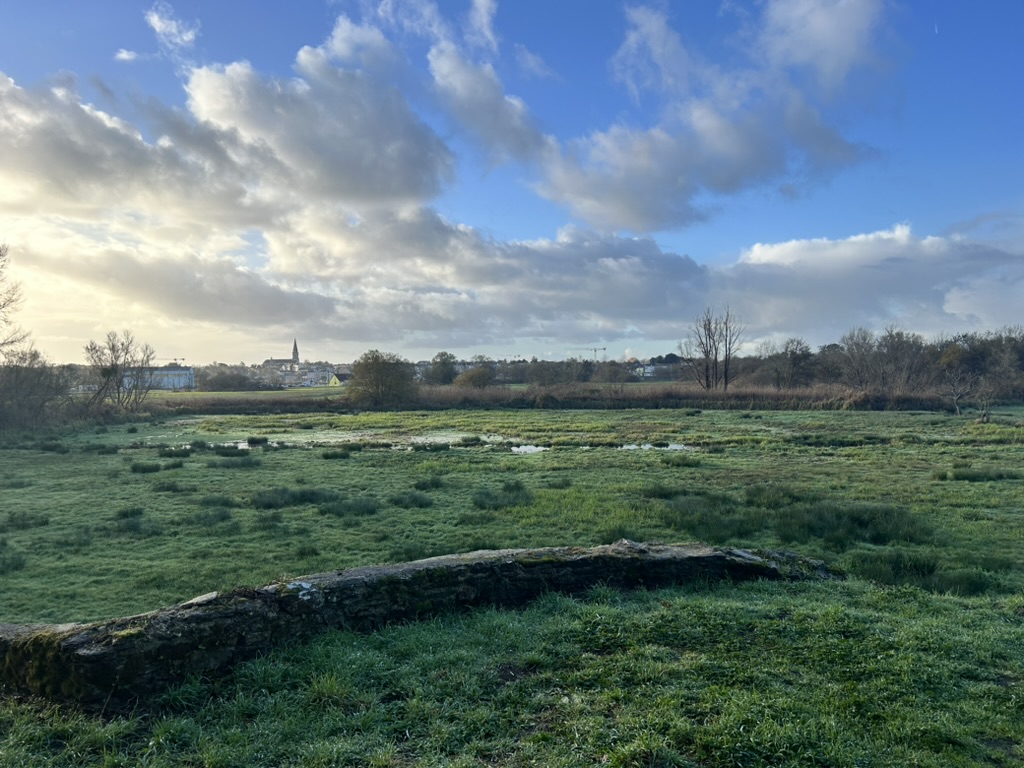
Quiet is not peace
It didn’t feel like peace. It felt like absence.
At first, I wasn’t sure it was a problem. We were house sitting in very rural parts of France, places that are supposed to be quiet. Fields. Forests. Open space. I kept trying to figure out whether this was simply what countryside sounded like here.
Part of acclimating to France has been reminding myself, repeatedly, that I don’t know it yet. I don’t know the ecosystem. I don’t know what’s normal, what’s seasonal, what’s still recovering, what’s actively changing. I don’t have the long memory locals do.
And I wonder sometimes if some of them don’t either.
So I hesitated. Maybe this is just how it is.
But over time, the quiet became harder to ignore. Not dramatic. Just constant. There are signs of life, and there are genuine efforts at improvement, but I keep coming back to the same thought.
There should be more birds. More animals. More sound.
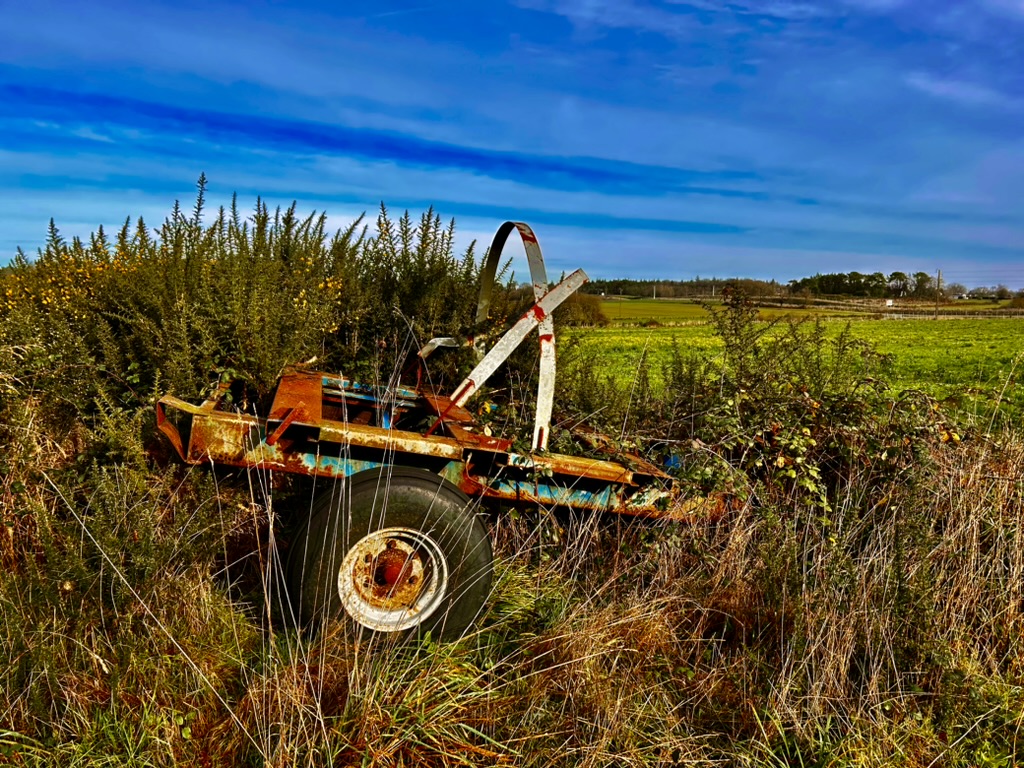
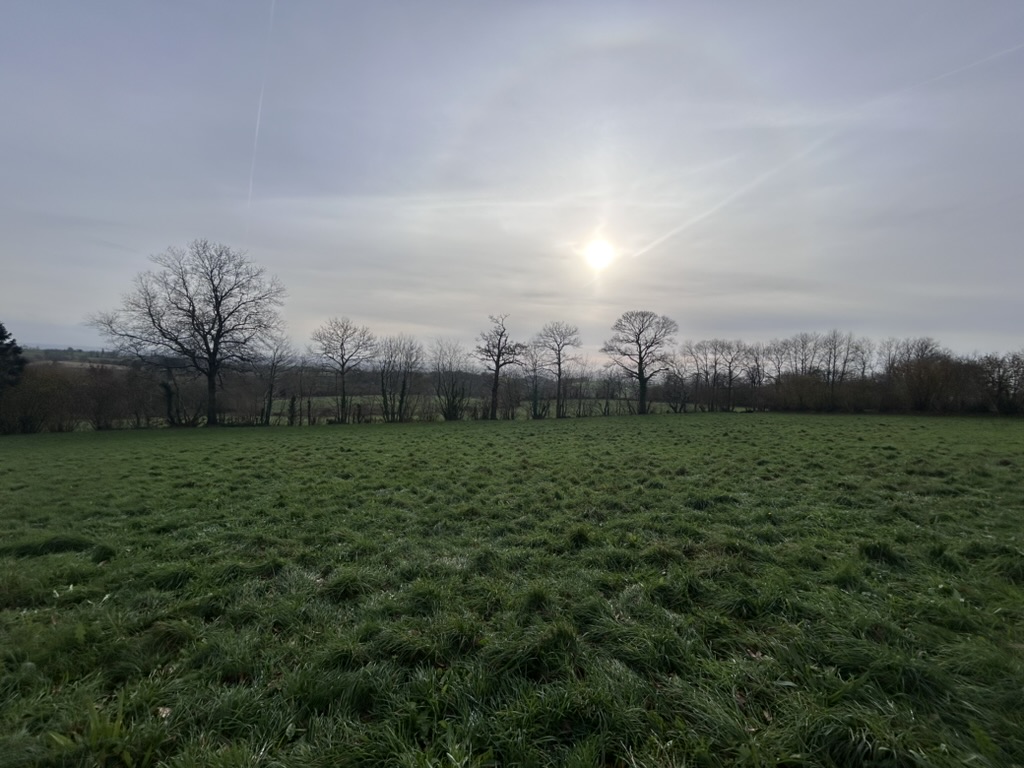
The silence of the French countryside is difficult to describe because visually, it looks fine.
What I was sensing wasn’t just personal or anecdotal. Long-term ecological surveys show that bird populations across the French countryside have declined dramatically, by roughly a third on average over the past decade and a half, with once-familiar species like skylarks and meadow pipits becoming much rarer.
That didn’t explain the feeling. But it did confirm that I wasn’t imagining it.
Subscribe!
If this feels useful, unsettling, or maybe familiar, subscribe! Free subscribers get new posts as they’re published. Paid subscribers help keep the lights on and support longer pieces like this one.
Either way, thanks for reading.
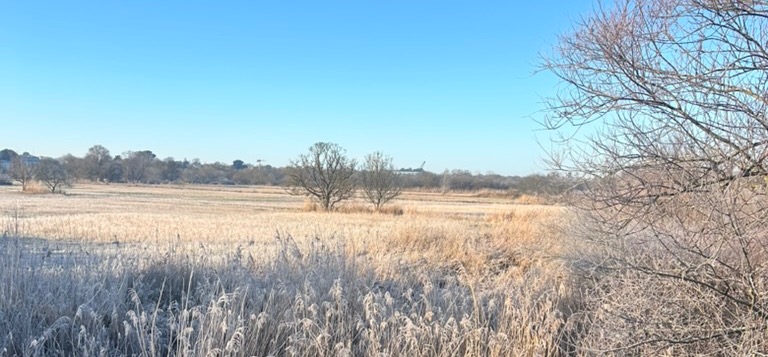
Familiar terroir
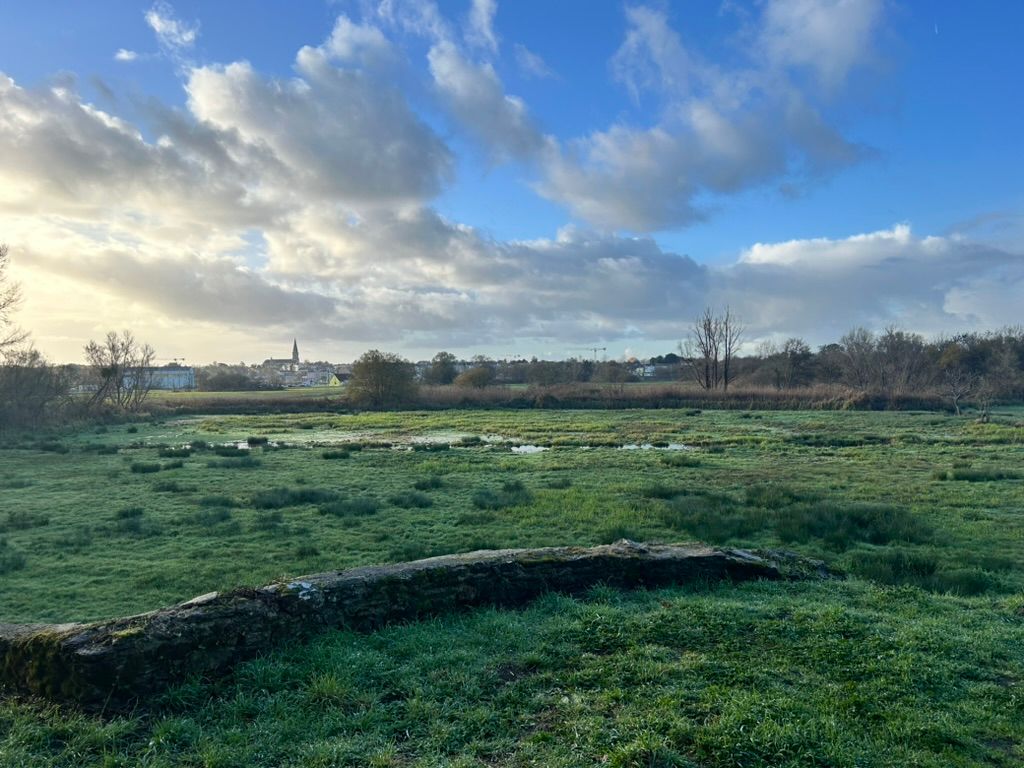
These days, we’re living in a small town along the coast of the Loire River. Just beyond us is a large natural preserve, one of those rare stretches of land that hasn’t been flattened, paved, or turned into farms or housing. The river comes through twice a day with the tide, endless channels carved into the wetlands.
A marais.
It’s one of the very few places visible in France that haven’t been cleared, erased, and then written upon again. The French landscape is a palimpsest.
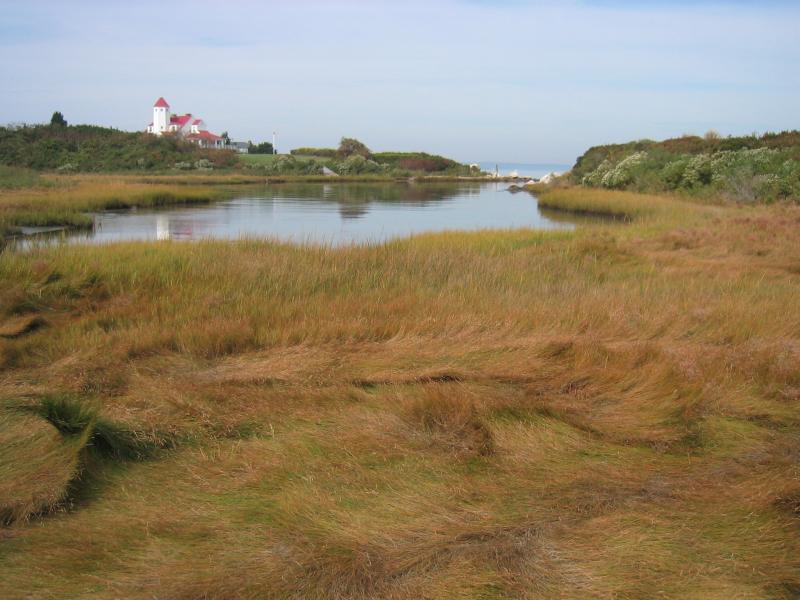
Wetlands have always made sense to me.They are also, almost always, teeming with wildlife. Dense bird populations. Millions of animals making their home in these places.
I grew up near one. Marshy. Buggy. Loud. The kind of place people complain about. Screens were a normal part of life. So were mosquitoes. I don’t like mosquitoes. No one does. But they were there, along with everything else.
That background noise was constant. Not traffic-loud. Not human-loud. Alive-loud. Buzzing. Clicking. Calling. Layers of sound that didn’t stop.
We’re heading into our fourth season living here, and the quiet has been consistent. Each season, it feels a little quieter than I’d expect for such a large, open, coastal area. I’ve never lived this close to the sea and seen so few gulls.
There may be practical explanations.
France is serious about invasive species. There are no gray squirrels here, for good reason. Muskrats and wild boar are actively controlled. This time of year, it’s not unusual to hear hunting horns and gunshots as groups move through the area, a kind of rough rural choreography of a sort.
Still, the quiet remains.
This isn’t just the stillness of winter. Even in the middle of Brooklyn, in the depleted wetlands of Gravesend Bay, you’d see thousands of brant geese pecking around through the colder months.
Maybe migration patterns are simply that different here?
An audible absence
My wife and I were walking through the countryside in Dordogne. Fields. Trees. Open space. You’d expect a little hum, at least. You could see clear to the horizon in places: carved fields with rough green borders up and down the hillsides endlessly.
I stopped.
“Do you hear that?”
My wife paused. Listened.
“…No?”
Exactly.
No insects. No birds arguing with each other. No background hiss of life. Just wind. And even that felt thin, like it didn’t have much to push against.
Months later, sitting in a café, I tried to explain it to a French friend.
“But it’s calm, no?” he said, genuinely confused.
Calm, yes. But calm isn’t supposed to feel empty.
Learning the rhythyms
Living in a place isn’t the same thing as belonging to it.
France has confronted me with this a lot. We’ve spent a lot of time here.
When you choose to move somewhere, you don’t just inherit its beauty. You inherit its history, its compromises, its blind spots, and its unfinished work.
Or you should.
I’m still learning patterns here.
Seasons arrive differently. Agriculture shapes time visibly.
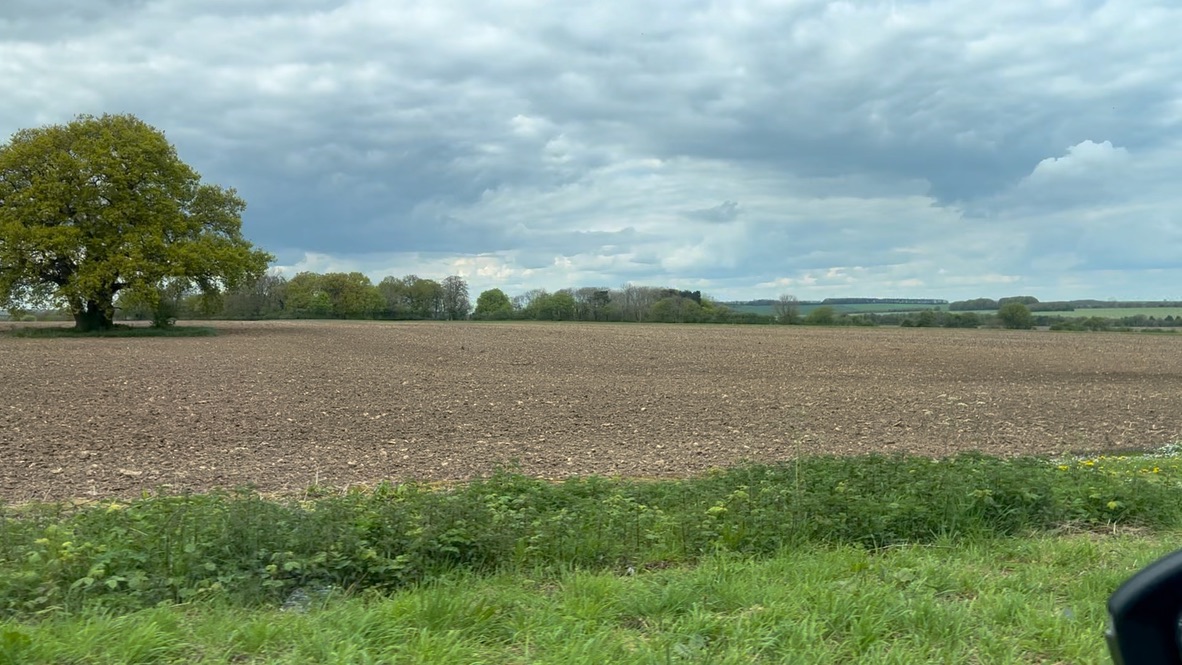
This landscape wasn’t accidental. The fields, the hedges—or absence of them, the order, the control. It reflects choices made over decades, sometimes centuries.
Some of those choices solved real problems, once.
Some created new ones.
dislocation, relocation
Being here, I am a part of that now.
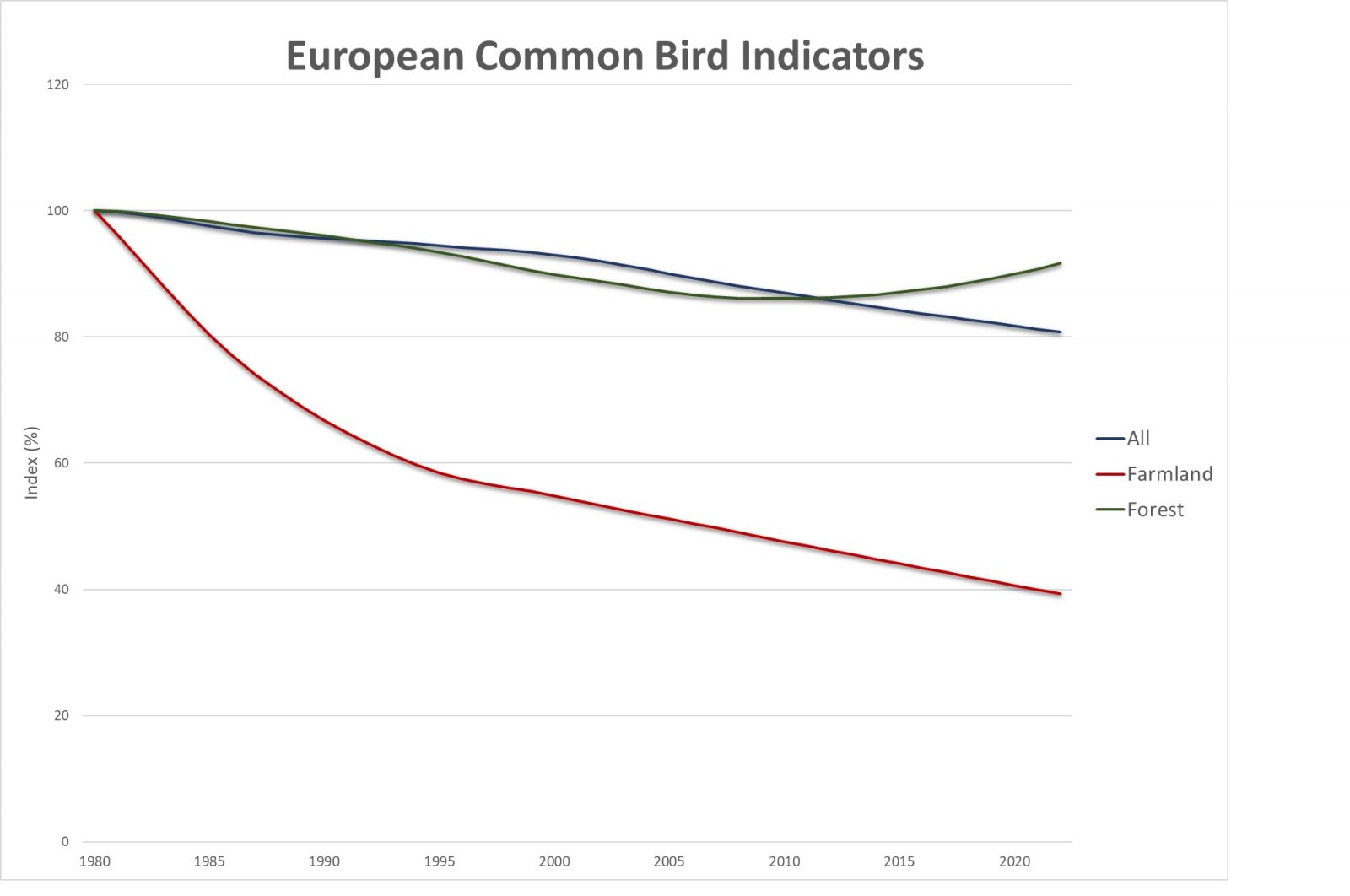
These declines aren’t isolated to France. Across Europe, common farmland bird populations have dropped by more than half since 1980.
Scientists point to simplified habitats, loss of green margins and insect-rich understory, and widespread use of pesticides.
I’ve spent most of my life in and around New York City. I grew up near wetlands and bays. I’ve foraged, gardened, wandered, and paid attention in a lot of ecosystems. Urban, suburban, semi-wild.
I’ve also taught for years. Mostly middle school. I’ve spent a lot of time trying to explain systems to kids who are convinced everything is either very simple or it’s always been that way, so it always will be how it is.
When we talked about food webs or ecosystems, I’d say things like, “Nature makes noise. If something gets quieter, pay attention.”
That’s all it takes.
I remember standing with a group of eighth graders on a cracked strip of concrete near the Bronx River, trying to get them to stop talking for thirty seconds.
Herding cats, middle schoolers.
“Just listen,” I said.
Someone laughed. Someone sighed. Someone asked if this was going to be on the test.
In time, there was long enough break in the chatter for them to hear.
And then. Birds. Insects. Water moving beneath the road noise.
One kid finally said, “Oh. I didn’t know that was there.”
Neither did I, the first time I heard it.
Urban creatures
We used to live just outside New York City. Technically outside. The city border ran at the end of our block, right through the park behind our house. One day, a friend came over, walked toward the back corner of our yard, and casually asked if it was okay if he peed there.
“What?! No!”
We had neighbors. Close ones.
“This isn’t the woods,” I told him. “Go inside, for god’s sake.'“
It was outrageous, but it revealed a very urban sense of nature, too. Nature as backdrop. Nature as leftover space.
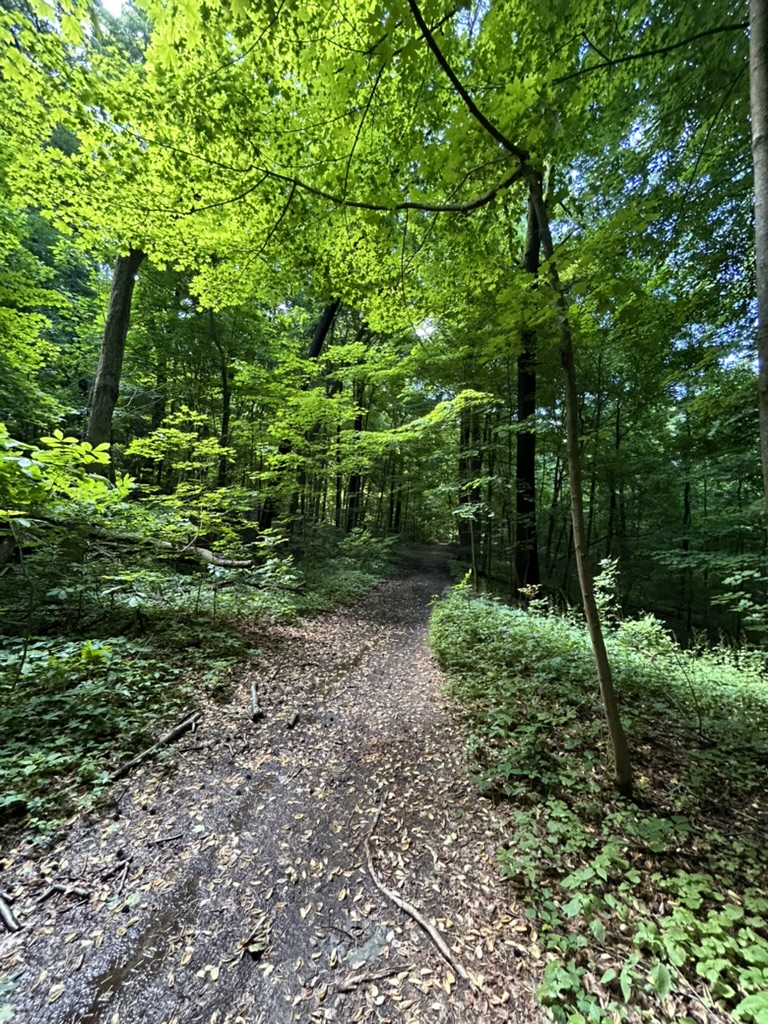
What I grew up with wasn’t wilderness. It was a recent subdivision in the sprawling suburbs of Long Island. Still, wildlife lived where people lived.
They hadn’t moved out because of the new neighbors. Wetlands hummed behind houses. Insects everywhere. Birds arguing. Nature didn’t stay in its place.
The France countryside is different. The landscapes are older. More managed. More intentional. And in many places, more controlled than what I knew just outside one of the largest cities in the world.
Not that nature is gone everywhere. But sound, mess, and inconvenience are usually the first things we design out.
Once they’re gone, we adjust.
We call it calm.
We call it normal.
There’s a phrase scientists use for this: shifting baseline syndrome.
When layers of sound disappear slowly enough, it doesn’t register as loss. It feels like stability. A symptom of broader changes now being documented across farmland ecosystems.
Each generation assumes that what it grows up with is normal. I see this everywhere, in history, in food, in culture. So when something vanishes gradually, people don’t experience disappearance.
They experience normality.
Rarified sounds
Things I remember vividly that now feel rare in many places.
Constant cricket noise at night.
Clouds of flies and beetles.
Birds calling back and forth all day.
That thick, layered sound of summer.
When I stayed with friends on a farm in Auvergne fifteen years ago, it was louder in winter than some places are now in summer.
A bit scary.
What do you hear by you?
If you live in the countryside, or near it, I’m curious what you hear.
Has the sound of where you live changed over time? Have you noticed absences that are hard to explain, or rhythms that feel different than they used to?
I’d love to hear what you’re noticing, especially if you’ve lived somewhere long enough to remember what it used to sound like.
musical accompaniment
Presque Rien No. 1 Luc Ferrari (1970)
This should start on the section with the most constant insect noise. Luc Ferrari a French composer associated with musique concrète and he was interested less in composing sounds than in capturing them. The piece is built from a dawn field recording made in a coastal village on the Adriatic Sea in 1970, capturing insects, birds, wind, and distant human activity without arranging or correcting any of it.
Sound as place, without interpretation. It was recorded and released in 1970.
I’ll be writing more about this.
I didn’t move here looking for silence.
I moved here because I thought I’d finally have the time and space to listen.
What I heard, or didn’t hear, made me realize that the quiet wasn’t just personal. That it had been shaped. That it had a history.
That comes next.