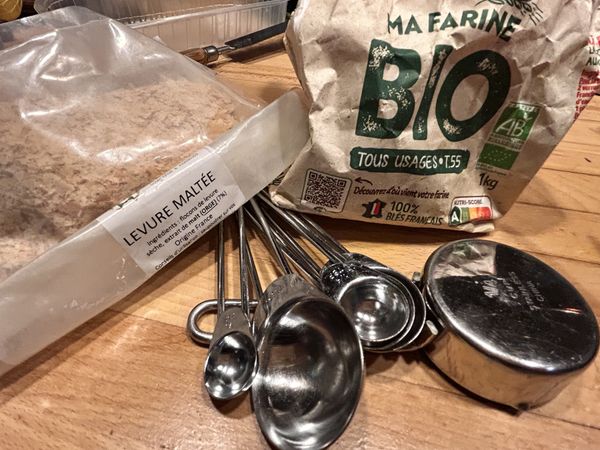
Ugly Soup You Eat at Home
Potage, root vegetables, and the logic of using what you’ve got.

You won’t find potage on postcards. But you’ll find it in most French kitchens come January.
We always have carrots. They just show up or get left behind—half a bag from a market trip I don’t remember making, something. There’s often a parsnip too, getting squishy, rolled out of the way repeatedly, left to languish among lesser condiments.
I don’t cook with a plan so much as a loose sense of what needs to be used. A few tired roots, a half onion, some garlic, a knob of butter, the lonely potato that hasn’t sprouted.
Okay, we can make a soup out of this.
That’s a potage.
TL;DR:
Recipes and backgrounds. Potage is a thick, blended French soup made from whatever’s around. Usually root veg, always practical. Not fancy, not brothy, not creamy (unless you want that). It’s the kind of soup you make when there stray veggies and no plan to use them. Then there’s a punk song and some cringe advertisements. Something for everyone…
What’s in the pot?
Potage (po-TÁZH) is the French word for a thick, blended soup—a humble bowl that turns what’s available into something filling. Not a consommé, not a bisque. It’s not romanticized peasant cuisine, often monochrome, born of leftovers. In France, that usually means roots and greens that aren’t salad material anymore.
From Brittany to Provence, potage is the nameless default of colder months. Your grandmother’s soup. You might see it out somewhere in colder months.
The word comes from pot—the vessel itself—because that’s where it starts: unglamorous vegetables stewing into comfortable flavors.
In culinary terms, it sits between soupe (brothy, chunky) and velouté (silky, refined). But it’s pretty generic. A pot, a few tired roots, a hot meal.
how I make mine:
Easy, forgiving, and slightly different every time.
ingredients
- 500 g / 16 oz root vegetables (carrots, parsnips, turnips, celeriac—whatever’s around)
- 1 medium potato (~200 g / 7 oz), peeled and diced — it gives just enough starch to bind everything
(A note on potatoes.)
Starchy ones (like russets) break down and thicken the soup. Waxy ones (like Charlotte or new potatoes) hold their shape, which is less helpful here. If you’re not sure what you’ve got, use it anyway. It’ll still be soup.
- 1 leek or onion, thinly sliced
- 1–2 garlic cloves, minced
- 1 L / 4 cups water or stock (veg or chicken)
- salt and pepper
- a knob of butter or splash of olive oil
the method
Sweat aromatics.
In a heavy-bottomed pot, melt butter or warm the oil. Add leek or onion and let soften gently over medium heat. Don’t brown. You want sweet, not sharp.
Add roots and simmer.
Toss in the potato and chopped roots. Cover with water or stock. Bring it to a boil, then drop to a simmer. You can stir if you want. Let it do its thing.
Take your time.
Cook until everything’s soft—20 to 30 minutes.
Pick a texture.
Mash a few pieces with a fork if you want it chunky. Or blend for smooth, it’s still potage. (I use an immersion blender - so easy.)
Finish and fix.
Season with salt and pepper. Add a pat of butter or a drizzle of olive oil. Maybe a squeeze of lemon or a splash of vinegar if it tastes too flat. That bit of acid can open everything up.

How they make theirs:
Potage isn’t one dish; it’s a family of everyday soups tied to places and seasons.
Each version follows the same method:
sweat → simmer → purée or mash → finish.
In my own private lexicon:
Potage is ugly soup you eat at home. Even if you do see it on bistro menus by and by.
Potage in 5 bowls
Potage Parmentier1 (leeks + potatoes, central France and beyond)
I see this one a lot. Soft leeks and starchy potatoes cooked down, blended. No cream, no garnish—just warmth and starch. The ur‑potage2 in many French homes.
Northern France (around Île-de-France)
Built on leeks, cabbage, and potatoes. Silky if puréed, simple, and warming. Winter light in a bowl.
Western fields (Brittany & beyond)
Earthy roots—carrots, turnips, celeriac—sometimes with a splash of milk or butter at the end.
Carrot Potage/Crecy (northern plains)
Sweet and bright, with a hint of onion and (sometimes) cream. Orange and cheerful. Soemtimes called Crecy is the name sometimes given, but every region has a version.
Cider-accented (Normandy & Britanny)
Celeriac, leek, and potato blended thick, stewed with cider. I use stock, usually, then finish with a dash of cream, yogurt or leftover cider from some fizzless botle. Slightly tangy. A cheesier version here.
Southern herbaceous (Provence & surrounds)
This one skips potato, using carrots, zucchinis, fennel (or chard ribs) and tomato — add olive oil, and herbs de Provence. Earthy, Mediterranean-y.
Alternatives & Add‑Ins
Potage is endlessly adaptable:
- Creamy leek & potato: Drop the turnips and parsnips; add extra potato and a splash of cream at the end.
- Greens potage: Chard stems, kale ribs, or cabbage can go in with the roots. Add leaves at the last 5–7 minutes. Also great for foraged greens.
- Herby: A handful of parsley, thyme, or tarragon stirred in at the end changes the whole thing.
- Smoky: Some bacon lardon or smoked salt gives it savoriness without turning it into a stew. I also like adding smoked paprika, but it can overwhelm it.
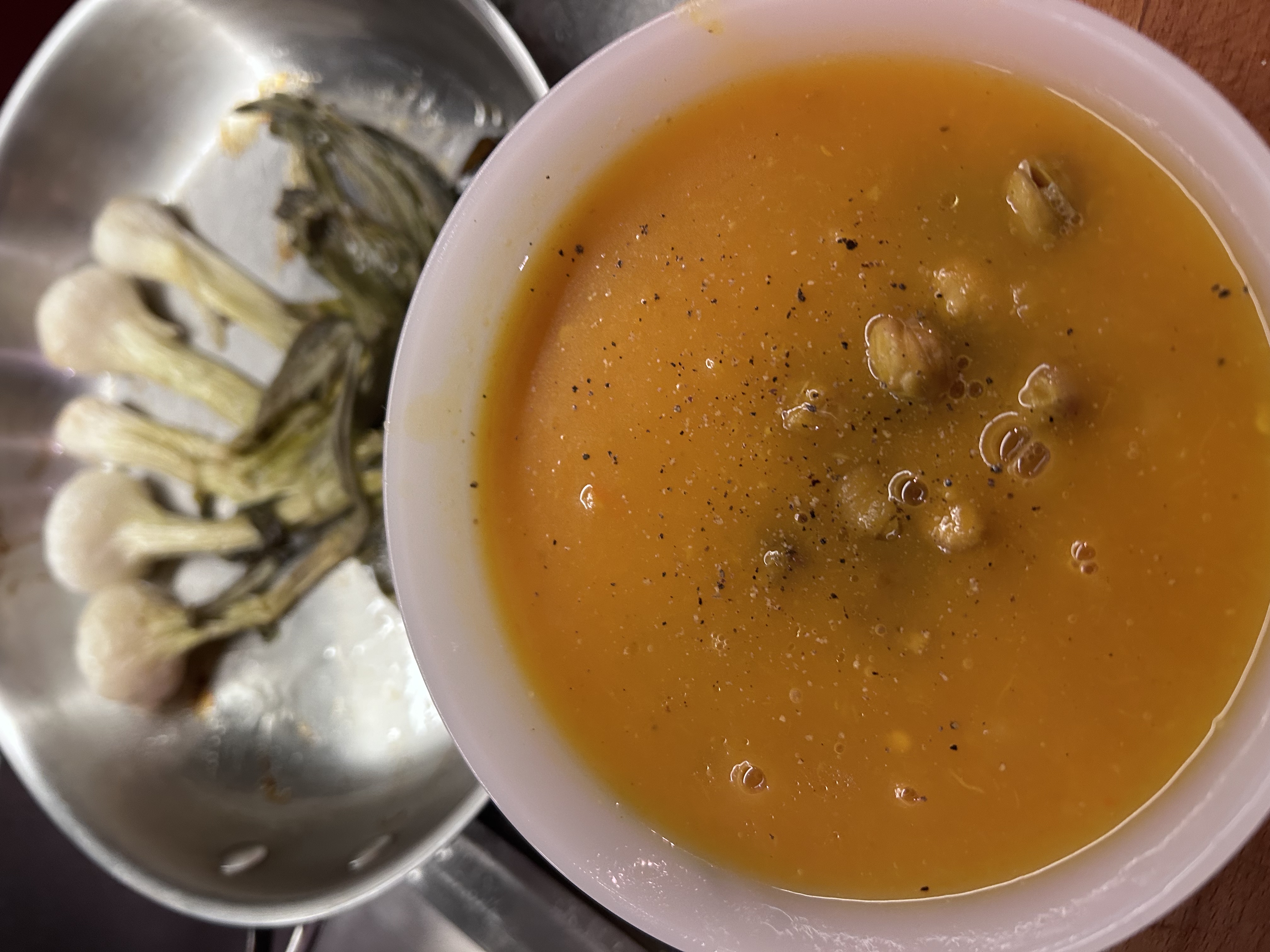
- Legume drift: I sometimes add beans to mine—but then, technically, it stops being potage. I’m not sure what the French call it then.
Got a potage memory? Or something like it? A nameless grandma soup? Drop it in the comments—I'd love to hear what’s in your pot.
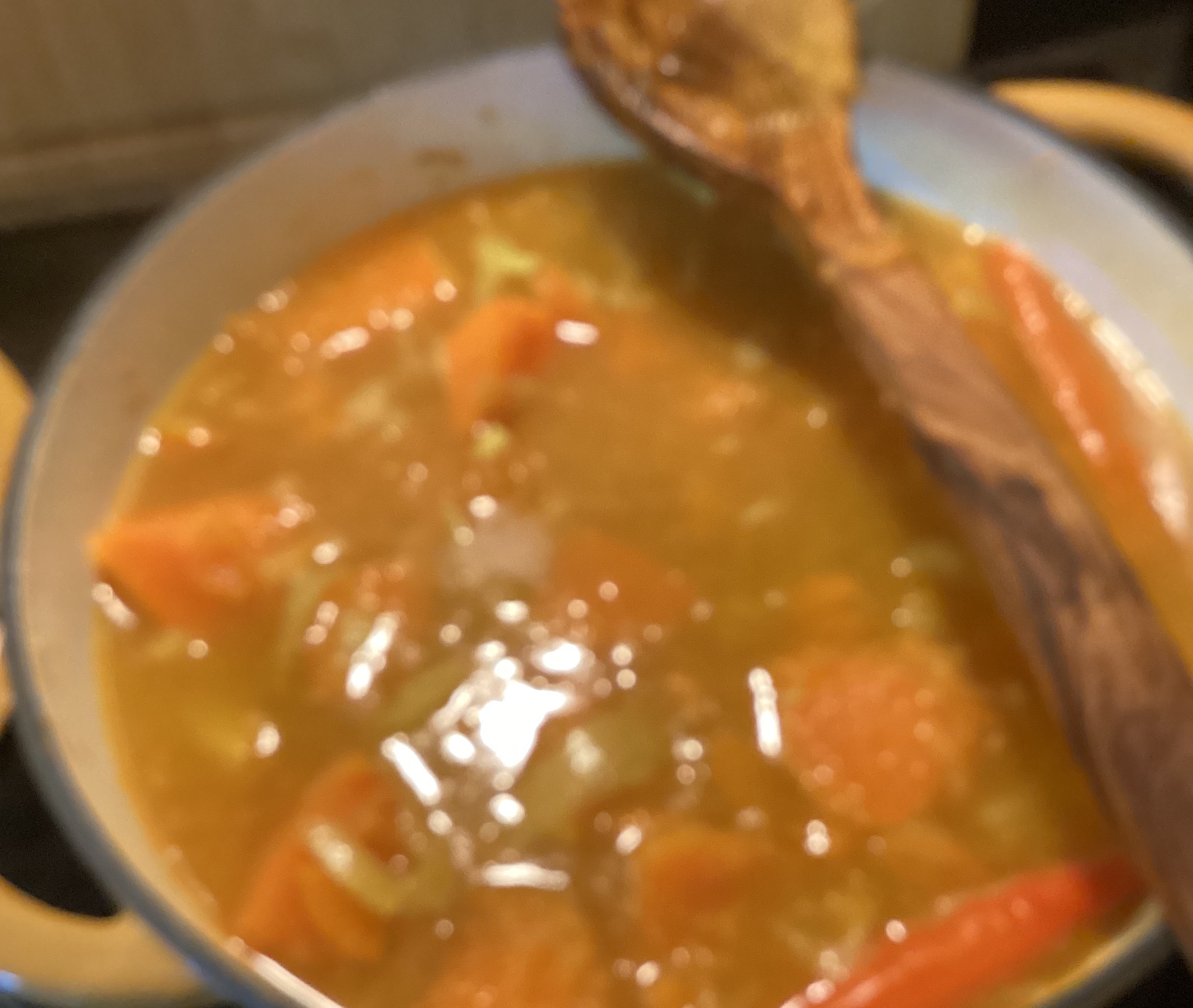
potage as recovery
Whaddaya got?
Potage doesn’t need perfect ingredients or timing. It just makes whatever you have work. In a season where calendars mislead and winters warm, potage is a way of using what’s available today.
And yes, vichyssoise is technically a potage. It’s a blended vegetable soup—thick, smooth, and French-y. But the version known today, chilled and creamy, was born in New York.
Louis Diat, a French-born chef at the Ritz-Carlton, came up with it around 1917. Inspired by his mother’s hot leek-and-potato soups of his childhood, he served it cold with cream for wealthy American diners. It stuck.
In France, potage Parmentier is still common—hot, rustic, mostly without cream. Vichyssoise took the same bones and made it a summer dish.
Same ingredients, different meaning. It wasn’t made in Vichy. It was made in Manhattan.
stovetop radio
Soup Is Good Food — Dead Kennedys (1985)
Soup Is Good Food opens the Dead Kennedys’ 1985 album Frankenchrist—and it’s not about soup, but capitalism, disposability, and the lie of corporate care.
The voice in the song is that of a laid‑off worker, told their labor no longer matters—but hey, at least soup is cheap, and still on the shelf. The title is sarcastic, lifted from a Campbell’s ad campaign. The chorus: “We’re sorry, but you’re no longer needed / Or wanted / Or even cared about here.”
The album caused enough panic to be restricted or quietly banned in parts of Europe when it came out, France included—less for the music than for the anger it might articulate. And because the insert features H.R. Giger’s Penis Landscape (which you can look up for yourself, if you like).
A sampling of campbell’s ads over the years. If you’re into the cringe, just jump to the 1990s rap version, tho’ the 1950s one is competetive.
Parmentier: The man the French treat like guy who invented the potato. He didn’t—but he did spend years convincing people it was food for them, not just animals. He was very persuasive. Now his name gets stamped on anything with potatoes in it. ↩
ur- (from German): a prefix meaning “original” or “primordial.” Used here to mean: the foundational, stripped-back version everything else builds on. ↩