Rethinking Chard From Wellness Green to White Food
How a familiar word became unfamiliar — and what that says about food, language, and expectations
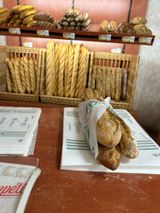
You think you know chard. You don’t. Or I didn’t. In France, blette is an everyday green that keeps winter meals warm and whole, but it’s just not at all like the colorful chards I’ve known and sautéed back home.
Sometimes the vocabulary doesn’t land on the meaning I need. Printemps means spring, but not the spring I know. Here it’s January—but birds are returning, trees are budding, there are daffodils. I dunno if this is normal here, but spring starting before Valentine’s Day doesn’t feel right.
Lost (Calories) in Translation
Chard didn’t translate for me either.
The word translates, but its not the same thing. Bette is chard, sure—but not any chard I knew. These things are huge and they’re all stem.
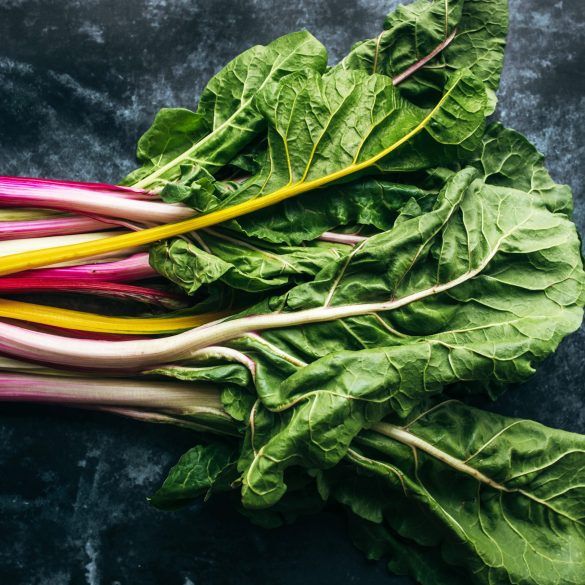
In New York, we cooked greens every week. Mustard, collards, kale, beet tops, rainbow chard if we were feeling bright. Variety was easy, just something green that fit the wellness script—iron, fiber, vitamins, beta carotene, antioxidants!
I might have fallen for the marketing, but they are bright and colorful and you feel wholesome cooking them.
When cooking, you want the greens, can accept some of the stems, maybe put them into a soup or use them later.
But French chard is kinda white food.
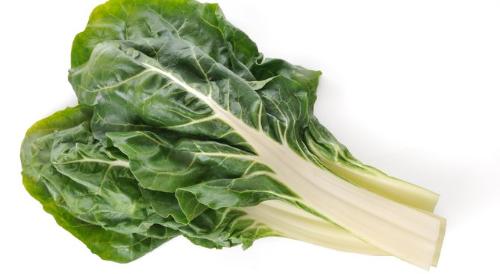
White food
Okay—not white food in the nutrient-void Wonder Bread sense, but sturdy, pale, built to fill a stomach. Boiled, béchamel-ready. Not the vibrant, wellness-coded greens I’d learned to trust. Not bad. But different thinking.
The ribs are massive—two, three inches across. The leaves are limp. The stems often bonked up.
You cut off the leaves and eat the stems.
It’s the exact opposite.
This is chard, just not as you knew it.
Got your own chard story—or a green you thought you knew until you didn’t? Drop it in the comments. I’d love to know what threw you.
Not the rainbow-stemmed wellness green from the U.S., sold in loose bunches at the Park Slope co-op (once an amazing idea, now surely a level of Hell), prewashed, trimmed, Pinterest or Instagram-ready.
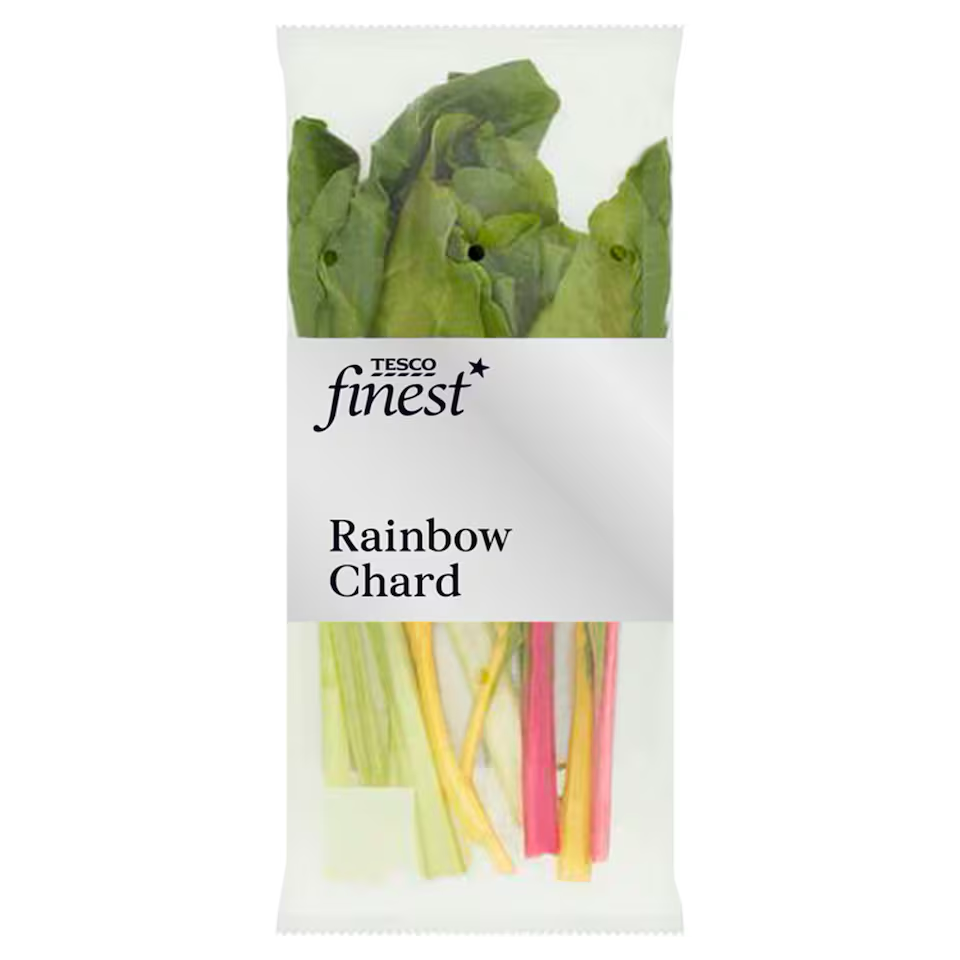
Not the “Swiss chard” of British supermarkets either—bagged, tidy, halfway to spinach.
Made to feed
French chard looks different. Feels different. It seems like it was grown to be boiled. Grown for cheese.
Marie Laforêt - Marie douceur Marie colère (1966)
Laforêt made a career out of transformation, more than translation. Her covers of English language songs didn’t mimic the originals. She transformed them, almost always with a darkness that never quite fit into chanson or yé-yé genres of the time. She moved between chanson, folk, and pop without fully buying. She covered Dylan, Gainsbourg, Simon & Garfunkel and acted as well. Spoke five languages. Nothing she touched stayed the same. Every song felt claimed, revoiced, and unsettled enough to feel new.
“Marie douceur, Marie colère” takes the tune of Paint It Black but writes an entirely different character and story into it. It’s a different song that feels vaguely familiar, like déjà vu in new situation.
Like, perhaps, chard.
The Swiss in Swiss Chard
And here, it’s not “Swiss” anything. It’s just blette. Or bette. If you need to be specific: blette à carde blanche—white-stalked blette. Which is funny, because I’ve never seen any other kind. The white is assumed.
Swiss chard wasn’t even Swiss, but advertising by influencers of a bygone era. The name is from 19th-century seed catalogues to separate a leafy beet from spinach.
Another case of marketing shaping how we think we know a thing.
Maybe it sounded more exotic.
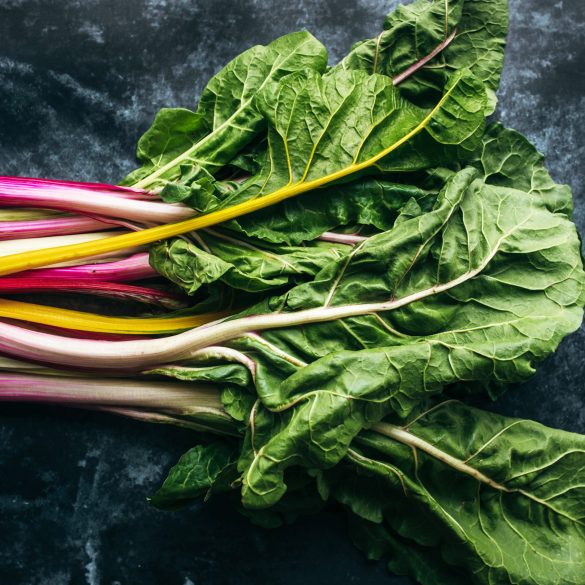
Beets in nature if not in name
Chard is originally from the Mediterranean.
Rainbow, white, red, pink, whatever color chard you’ve got are all cultivars of Beta vulgaris: common beetroot. [Which I didn’t know that until I started researching this.]
Same species, bred in different directions: some for roots, some for greens, some, like this one, for stems.
It’s been cultivated for millennia. But older types—like the ones still found in French markets—were favored for their ribs. The big, pale stalks really work in gratins. They held up under heavy sauces.
They stretched.
In cold months, they fed people.
Most of the nutrients are in the leaves—vitamins K, A, C, magnesium, potassium, iron. The stalks are lower in all that, but they’ve got fiber, a few antioxidants, and bulk. Which is maybe more important.
In a 19th-century or postwar French kitchen, the stalks could make a lot of food out of a little. You could boil them. Sauce them. Layer them. They didn’t wilt away like spinach. They made a little dairy feel like a complete meal.
Adding béchamel to them was strategy: stretch your food out with cheap ingreidents. Make it hot. Make it look like enough.
French stemmy chard is food from a once-poor country, with dishes now shaped by tradition. Not wellness greens, selected for color, and advertised well.
In American kitchens, though, chard got reinvented as a fast healthy green. Sautéed. Juiced. Made into salads. Bright colors and varieties to show off. A visual sale. Look pretty in the market and on your plate. Virtue signaling and color-coded health foods.
France didn’t do that. Their chard is basically a leafy potato.
Recipes
UK: Miso Oatmeal with Charred Kale & Soft Boiled Eggs
Method: Simmer → Char → Boil → Assemble.
Steel-cut oats with miso. Kale sauteed fast – high heat. Eggs boiled soft & everything piled together at the end
A soft, savory bowl built around steel-cut oats, miso, charred lacinato kale (you can just saute, I don’t char much), and a soft-boiled egg. I’m not sure if it’s British, but I’ve seen a bunch of good savory oatmeal recipes in the UK.
I tend to use a lot of black pepper for this, which I think goes well with savory porriges (oatmeal, grits, etc.)
US: Sauteed chard with mushrooms
A fast American chard dish: garlic, mushrooms, a fast cook. Leaves and stems treated the same, cooked just enough to stay bright and useful.
Method: Chop → Sauté → Wilt → Season.
https://www.918plate.com/sauteed-chard-mushrooms/
French Chard Gratin (Gratin de Blettes)
Serves 4
A classic way to make stemmy chard feel like a real meal.
Method: Chop → boil → sauce → bake — 400°F (200°C).
Ingredients
· 1 large bunch chard (about 680–900 g / 1½–2 lbs total)
· 2 eggs
· 2 tablespoons cornstarch (about 15 g)
· 240 ml whole milk (1 cup)
· 120 ml crème fraîche, sour cream, or thick yogurt (½ cup)
· 20 g butter (1½ tablespoons)
· 3–4 garlic cloves, finely chopped
· 100 g grated Emmental or Gruyère, divided (1 cup)
· A pinch or two of nutmeg
· Salt and black pepper to taste
Prep
Wash chard. Separate stems and leaves.
Peel out strings from stems if they’re tough.
Cut stems into bite-size pieces.
Roughly chop the leaves and set aside.
Boil stems in salted water until tender. Drain.
Boil leaves separately until lightly wilted, drain. If you don’t want to layer, just chuck them in the same pot as the stems are getting soft. I never layer this.
Cook
Melt butter in a skillet. Add garlic and the cooked leaves (or some of the mixed greens and stems if you didn’t separate). Sauté until fragrant. Set aside.
In a bowl, whisk together:
Milk
Eggs
Cornstarch
Crème fraîche
Salt, pepper, nutmeg
Assemble
- Heat oven to 400°F (200°C).
- Butter a baking dish. Layer chard stems & leaves (layer boiled stems with garlic stems)
- Pour the milk–egg mixture over everything.
- Top with grated cheese.
Bake
- Bake for 35 minutes, until set and golden.
Let it rest a few minutes before serving. Iåt should hold together but stay soft.