Things We Don’t Question Until We Have To
My 300th post! Reflections on why we left the U.S., what France has taught us about noticing, and how food, foraging, and memory keep reshaping our sense of home.
We didn’t leave the U.S. because of one bad week or one dramatic moment. We left after realizing that the problems shaping our lives weren’t going to resolve in our timeline. Once we saw that, it became impossible to unsee — and harder to stay.
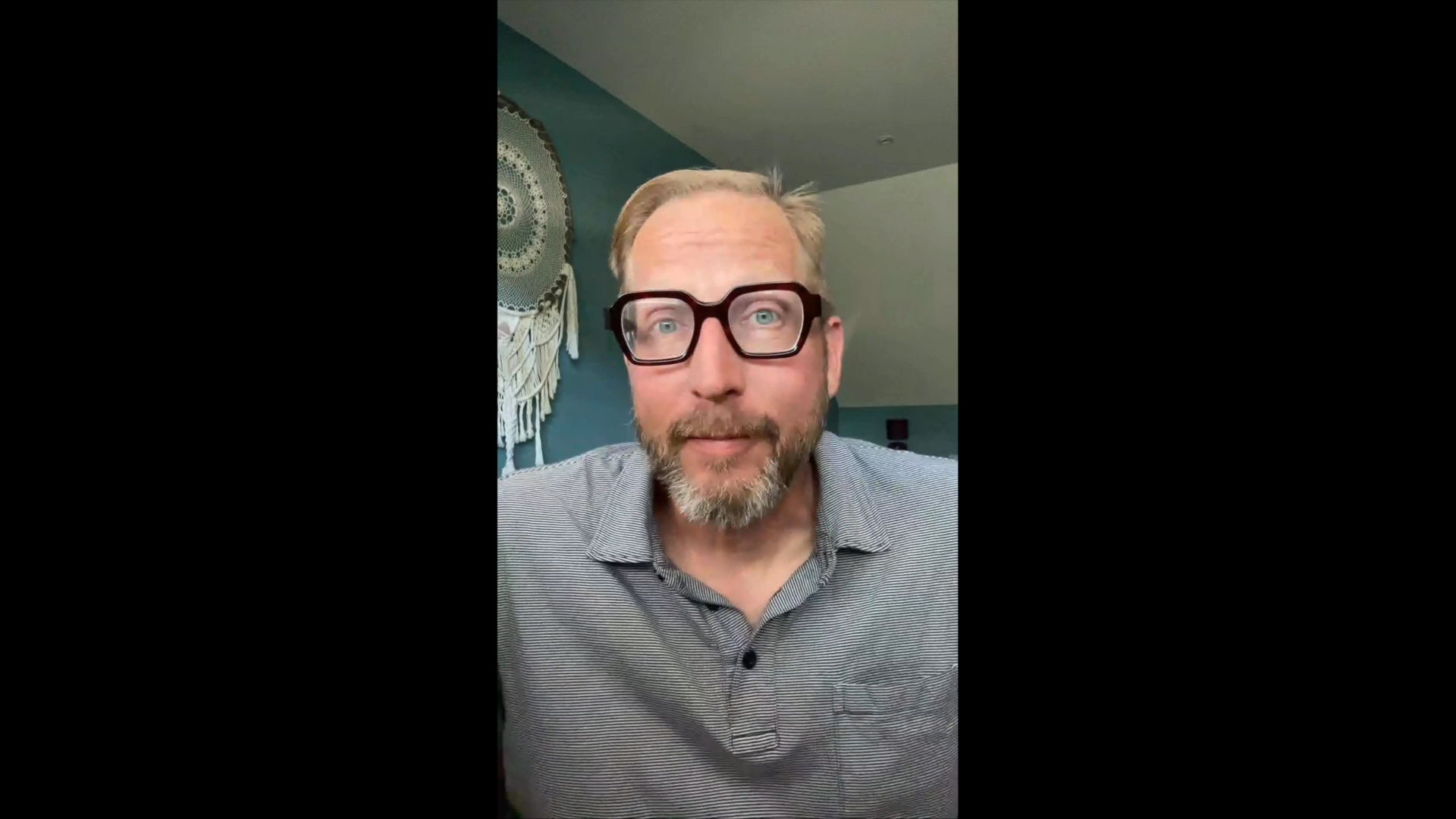
Thank you Betty Carlson, A Curious Wonderful Nature, Lashonda H, and many others for tuning into my live video! Join me for my next live video in the app.
-K
We didn’t leave because any one thing collapsed — we left because we realized the life we were living wasn’t going to become the life we needed. Once that clicked into place, leaving felt inevitable.
TL;DR:
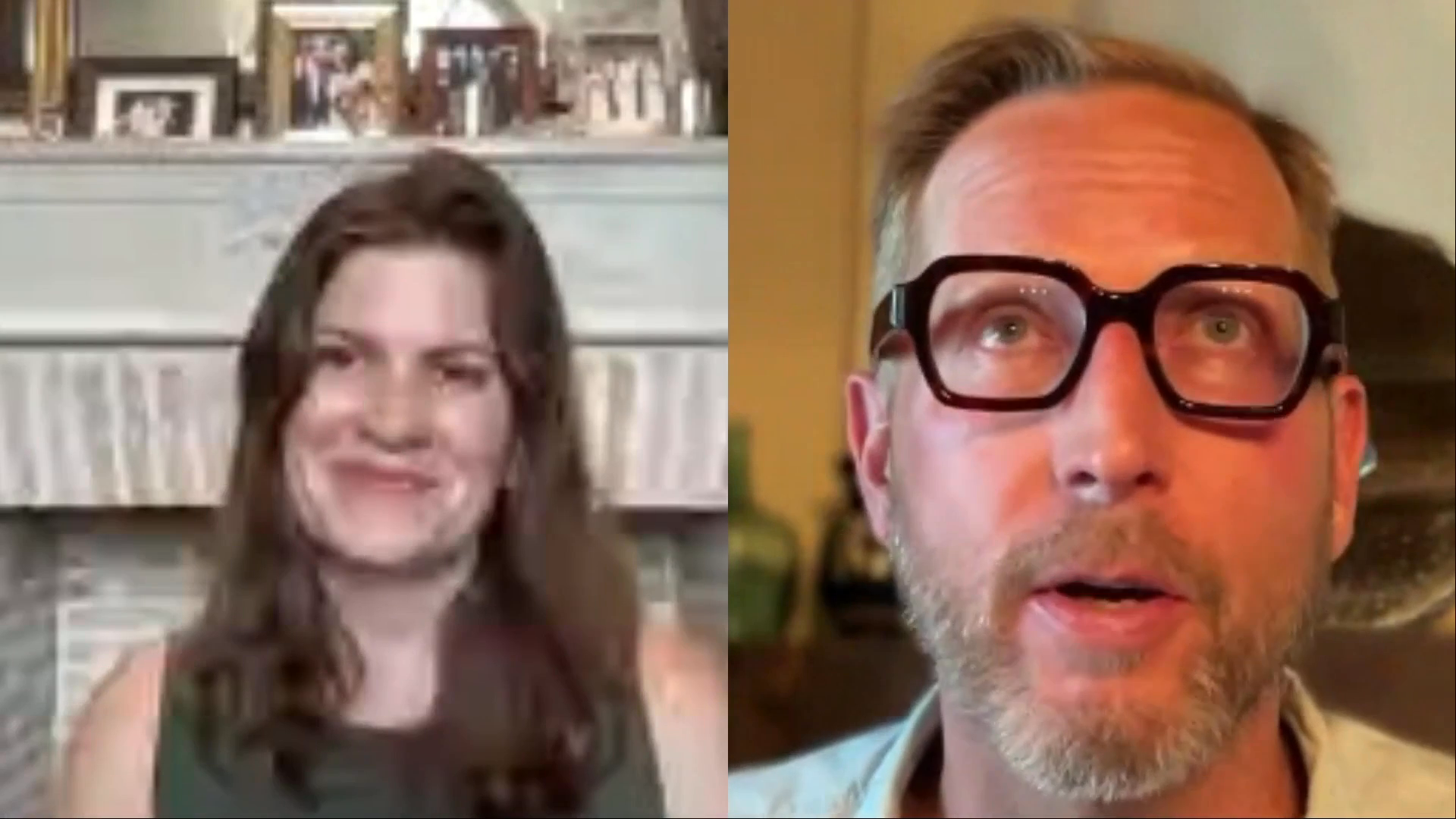
A 30-minute conversation (plus a short Q&A) where we get into:
• How leaving the U.S. wasn’t one decision but a slow realization that the problems we saw weren’t going to resolve in our lifetime
• How our desires and assumptions were shaped long before we noticed
• Why living abroad sharpens every cultural comparison
• How food, foraging, and history keep grounding us here in France
• Why the postcard version of France misses the complicated, living country we now call home
Some notes
Last week’s live session wandered like my writing usually does—potatoes to foraging to spider-mite cheese to the Eisenhower highway system.
But it connects & there is a larger theme: the slow process of noticing ourselves in the world, sometimes stories we inherited, assumptions we stopped questioning…
…and the moment my wife and I finally said,
if not now, when?
Some major points from the talk, or you can just watch it.
Leaving the U.S. didn’t happen all at once
I spoke about the years leading up to our move—how my wife and I tried to make things work in New York, invested in our community, trusted the path we thought we were on. And at some point, we realized that the things we were struggling with weren’t likely to be solved in our timeline. We hit the wall… and we finally stopped pretending it wasn’t a wall.
And when that realization happened, it was like the light in the room had changed. Everything in our lives looked different.
Desire is taught, and we don’t always notice the lesson
Potatoes were once considered poisonous. Funky cheese used to be ordinary. And “cleanliness is next to godliness” still shapes American food culture far more than we admit — or so a French friend likes to remind me.
Most of our tastes, fears, and comfort zones aren’t personal preferences at all. They’re inherited choices. Moving abroad just makes the inheritance impossible to miss.
The alligator–crocodile comparison problem
Put 2 large lizards side by side and everyone can see the difference.
It’s a weird metaphor, but it’s about noticing.
Living abroad opens a lens of comparison and culture becomes more legible. You notice small choices, invisible norms, things you never thought to question.
French friends sometimes tell me they’ve learned things about France from my writing, which feels like the highest compliment.
France is not a postcard
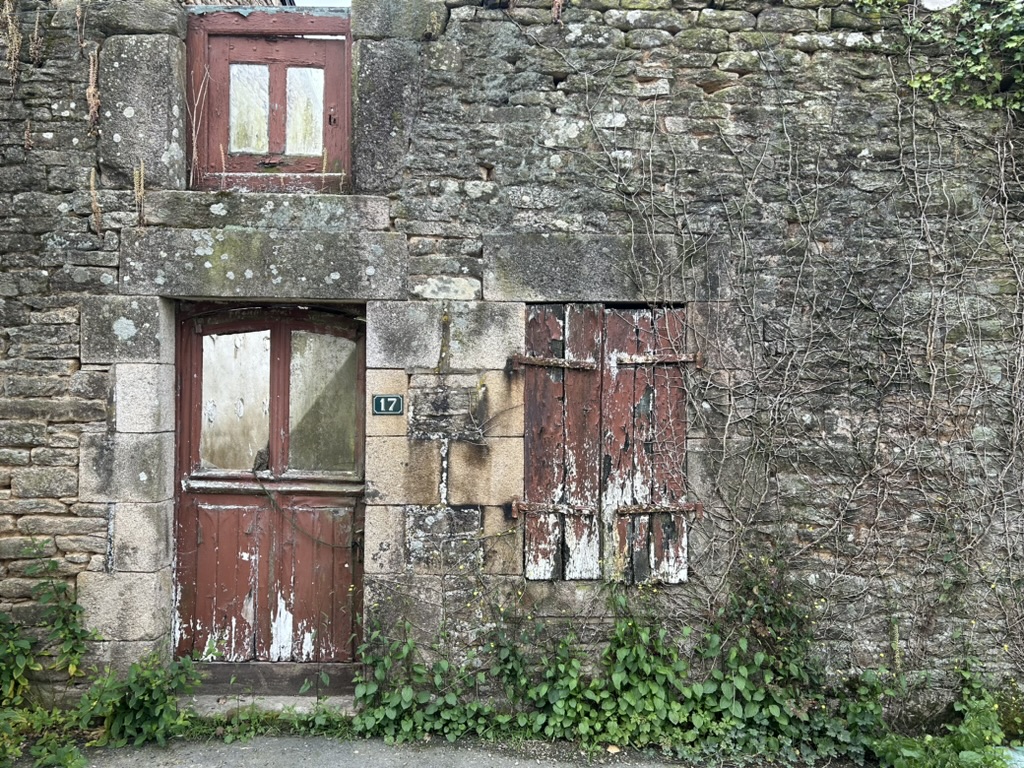
There’s the exported version of France — cheese, baguettes, charming alleys — and then there’s the living country.
Bureaucracy that nags in your mental background. A climate shifting faster than its own historical rhythms. Burning garbage and car tires during protests.
Quiet winters. Empty Sundays.
And also neighbors who look out for you, markets that reset your sense of food, and small daily rituals that make a place feel human.
Layers and contradictions you only see living inside them.
Food, foraging, and grounding ourselves
We talked about why I write about food so much: because cooking and foraging make sense of a place.
Food is history in slow motion.
every choice—what farmers planted, what people preserved, what they threw out—came from somewhere. And because foraging here, even in a country that doesn’t seem to think of it as “foraging” is one of the things that roots us.
Rap, memory, and the things that follow
Somehow we ended with Aesop Rock, French rap, and the experience of becoming the “old head” in the 7-Eleven parking lot.
Artists (hopefully) evolve and some of my first musical connections to France were through rap music.
I listened to MC Solaar before Edif Piaf.
If you caught the live session, what stayed with you afterward? And if you want more of these—quick, real, nothing polished—say so in the comments. It helps me figure out what to do next.
Rappers Will Dies of Natural Causes Open Mike Eagle (2018)
Open Mike Eagle is a Chicago-born, LA-based rapper who coined “art rap” to describe what he does (although he seems to credit/blame other folks)— dense, funny, self-aware, even emotionally vulnerable music that sits somewhere between comedy, poetry, and sociology.
His work is about being human, aging, insecure, broke, hopeful, wounded, socially-, and self-aware. He has a long history with alternative rap collectives. He’s a standout voice in a sub-genre of rappers who writing about adulthood and its complications. His album about the Cabrini Green Community in Chicago is beautiful.
APPENDIX: PIECES REFERENCED
(For readers who want to explore the threads mentioned in the live session.)
 Keith Christiansen
 Keith Christiansen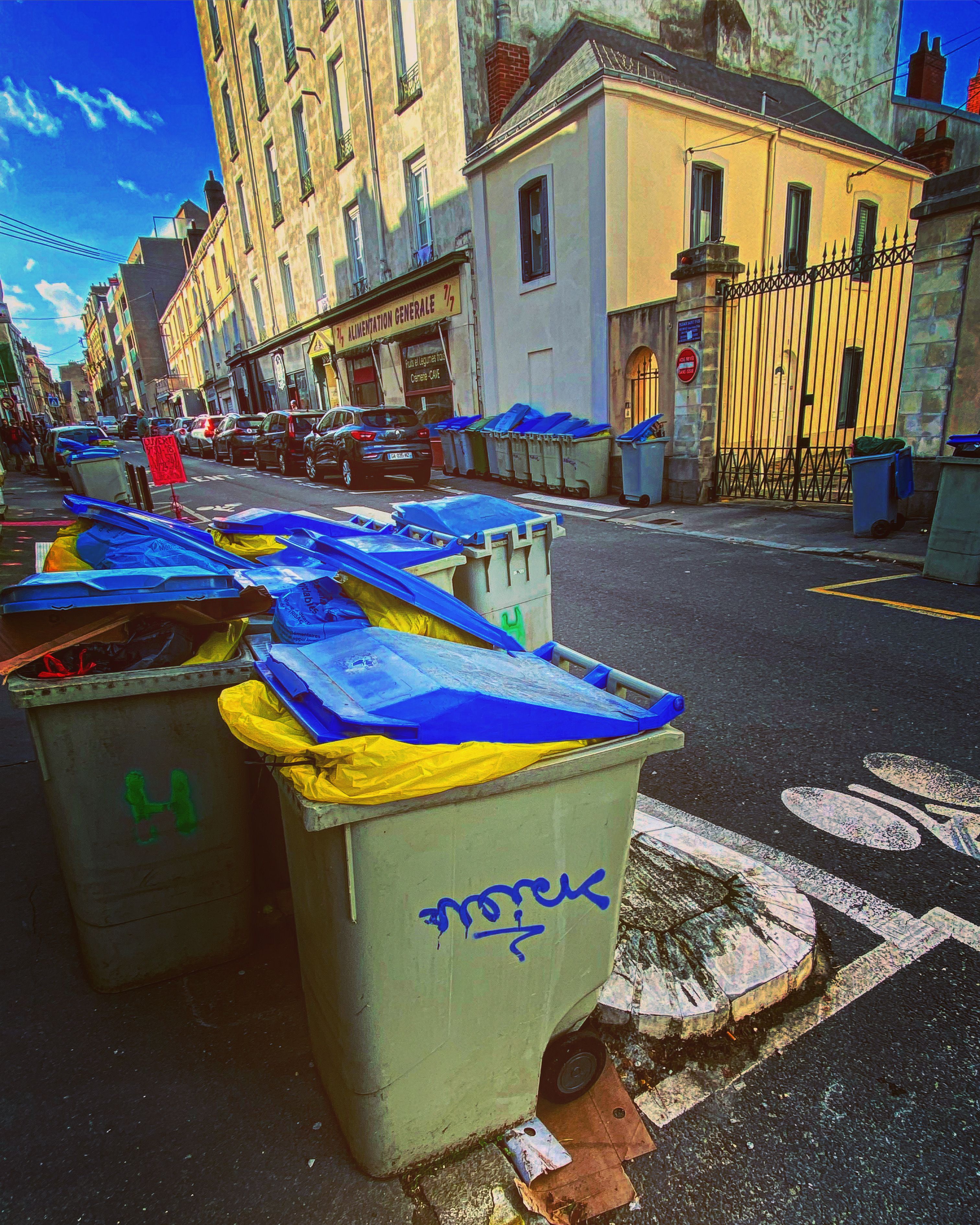
 Keith Christiansen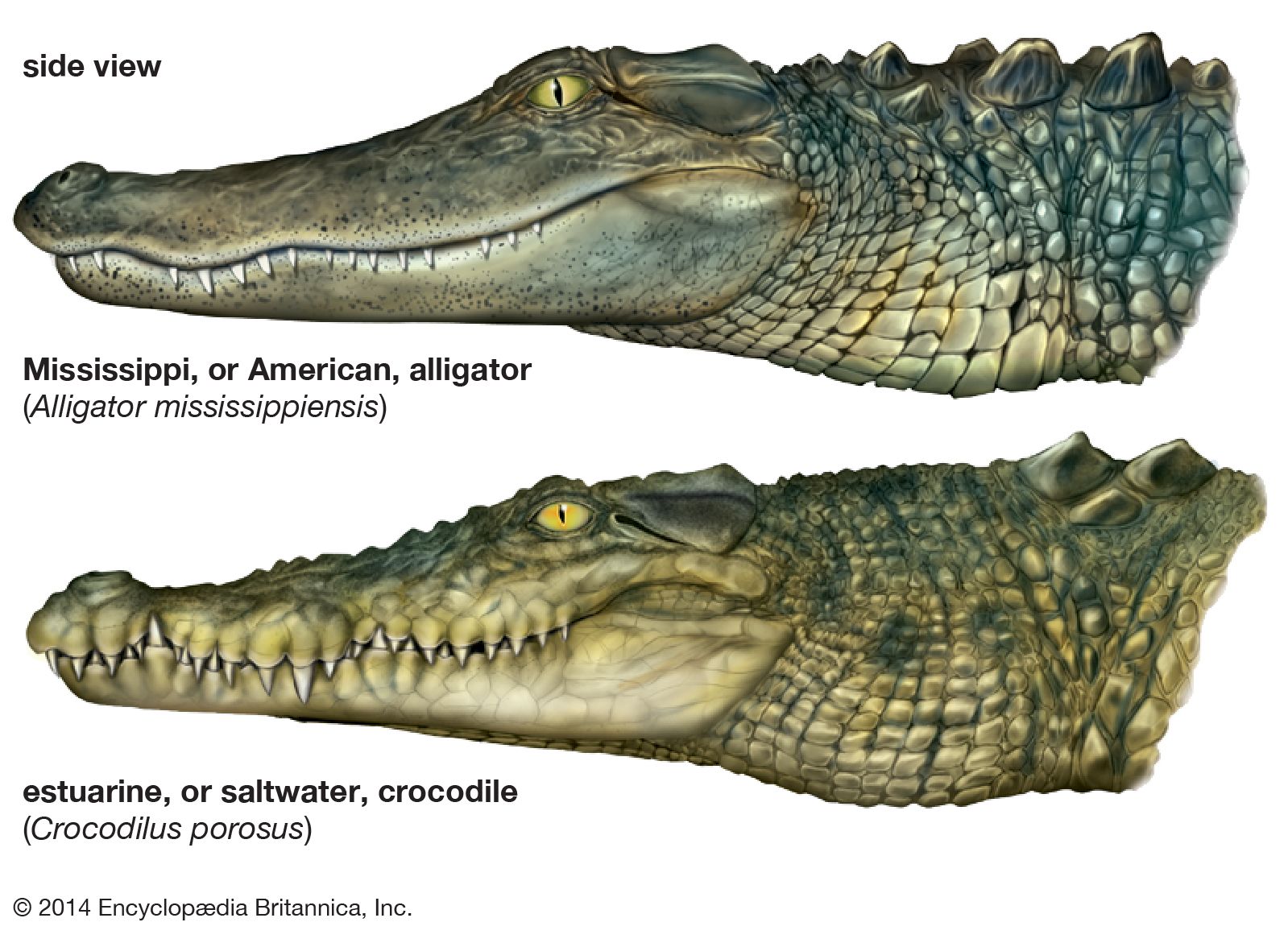
Get more from Keith Christiansen in the Substack appAvailable for iOS and AndroidGet the app