The Rat That Ate France
A South American fur trade experiment became France’s weirdest countryside resident — and sometimes, dinner.

When we moved to France, I expected the clichés: wine, cheese, quiet villages. I didn’t expect to meet a rodent the size of a spaniel. The locals call it ragondin, and apparently, some of them call it dinner.
[Okay - very few of them call it dinner, my friends insist.]
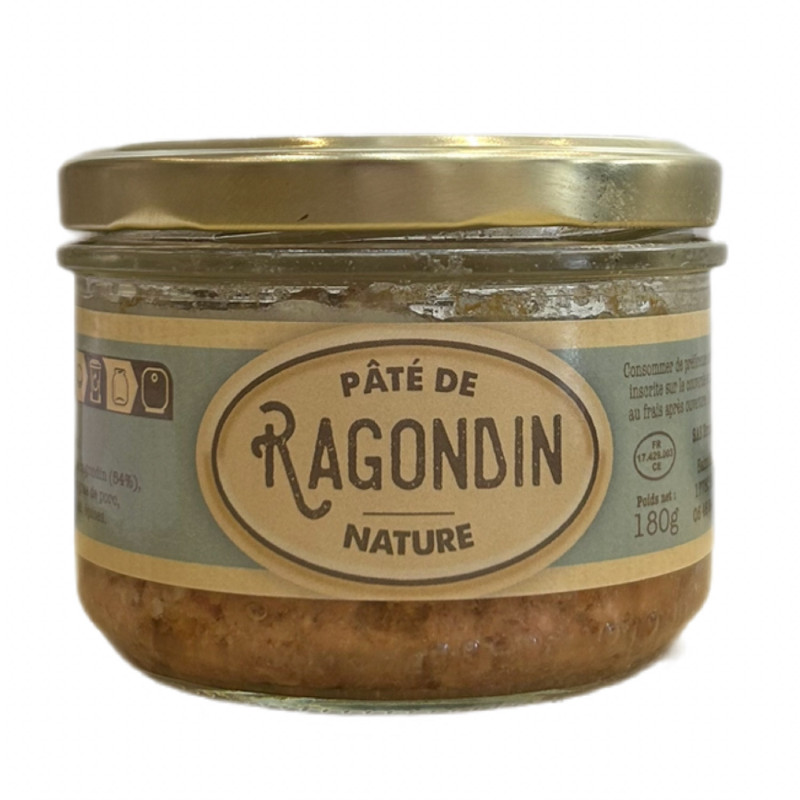
The Ragondin & Other Wildlife of France
With recipes and serving suggestions
France is full of surprises, but I didn’t expect giant rat-creatures roaming the countryside. Meet the ragondin (rah-gon-DAN—send that last n through your nose), a South American import turned invasive species that’s taken over rivers, drainage ditches, and even compost piles across the country.
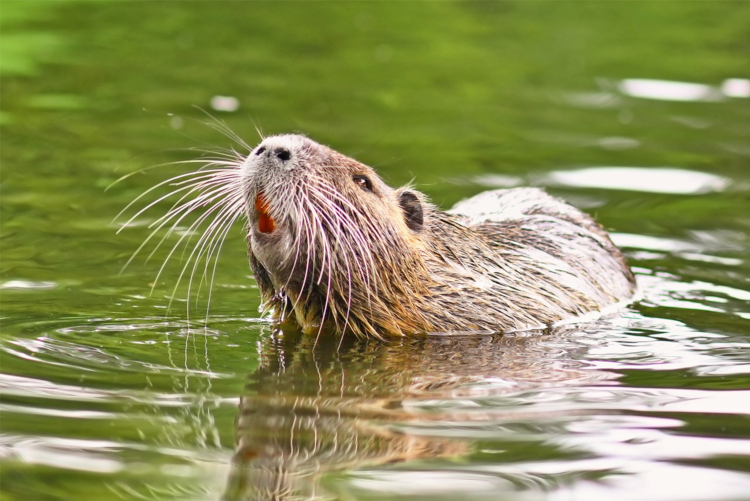
Somewhere between a beaver and an oversized rat, with webbed feet, thick fur, and bright orange teeth. Originally bred for their pelts, ragondins (also called coypu or nutria) have colonized nearly every region of France, despite decades of control efforts.
They’re cute. Or I think so.
They’ll settle anywhere with a hint of moisture. We once found one nesting in a compost pile at a house we were watching one winter, and it wasn’t unusual to see a few flattened along nearby roads. Adults can reach 16 or 17 kilos—around 35 pounds—so when one crosses your path, you notice.
The coypu (Myocastor coypus), or ragondin, was first imported to France in the late 19th century, around the 1880s, primarily for fur farming. The earliest documented breeder was M. Pays-Mellier in Indre-et-Loire, who raised them along with South American fruits and received praise from the Société Nationale d’Acclimatation de France for introducing a “profitable new species.”
The fur trade peaked between the 1920s and 1930s, when “nutria” or “marsh beaver” pelts were widely promoted as an affordable alternative to beaver and mink. But by the 1950s, the fashion for fur declined, prices collapsed, and most farmers released their animals into the wild—leading to today’s invasive populations across France (and much of Europe).
Now they’re everywhere. Ragondins breed fast—litters of up to fifteen, with offspring ready to reproduce within months. After more than a century of unchecked expansion, they’ve made France their home.
On the map below, every patch of green marks where they’re considered invasive. The green covers almost the entire country.
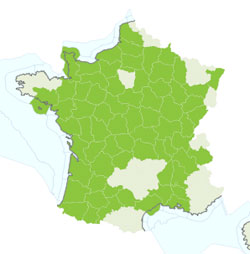
How it started
The coypu, or nutria, or "ragondin" in France, was introduced from South America for its fur in the 19th century. It goes by a lot of names: sometimes just called a large river rat, but also a marsh beaver, American otter, myopotamus, marsh hare, march rabbit, racconda, etc. I am sure that there are more, but most people seem to know what a ragondin is when you say it.
A man named Pays-Mellier first raised ragondin and an assortment of South American fruits in a town called Indre-et-Loire about 2 hours west of our city. The site is now a public park. Mr. Pays-Mellier received some accolades at the time from la Société Nationale d’Acclimiatation de la France for introducing a profitable and productive new animal to France. The Societé seems to have been focused especially on raising foreign species in the country. Pays-Mellier bred them and wrote a few articles about it in the 1880s and by the 1890s, there were frequent articles in the Societé’s publication. There was good money in marsh beaver.
Initially they were quite valued, but the industry peaked in the 1920s and 1930s, when advertisements and articles could be seen promoting coypu farming. When the market dropped off, farmers just released them into the wild where they became invasive, damaging ecosystems and farms due to their burrowing and feeding habits.
Out in the country, there always seem to be random hunting groups stomping around in bright orange vests hunting both rangodin and wild boar. We just saw another group out last weekend about 5 miles outside of the city. Efforts to control their numbers include trapping and offering hunters bounties for tails, which I assume means a dead rodent. Considering that the bounty can be as little €2 each, there must be a lot of them. In recent years, some places are offering as much as €5 each, which may be what’s bringing the hunters out.

Nutria – What’s for dinner?
It's surprising that there aren’t many recipes around for them. This country seems to eat any animal, and any part of an animal, that stands around long enough. I’ve found a few and people describe them as pretty delicious, if you’re into rabbit, at least.
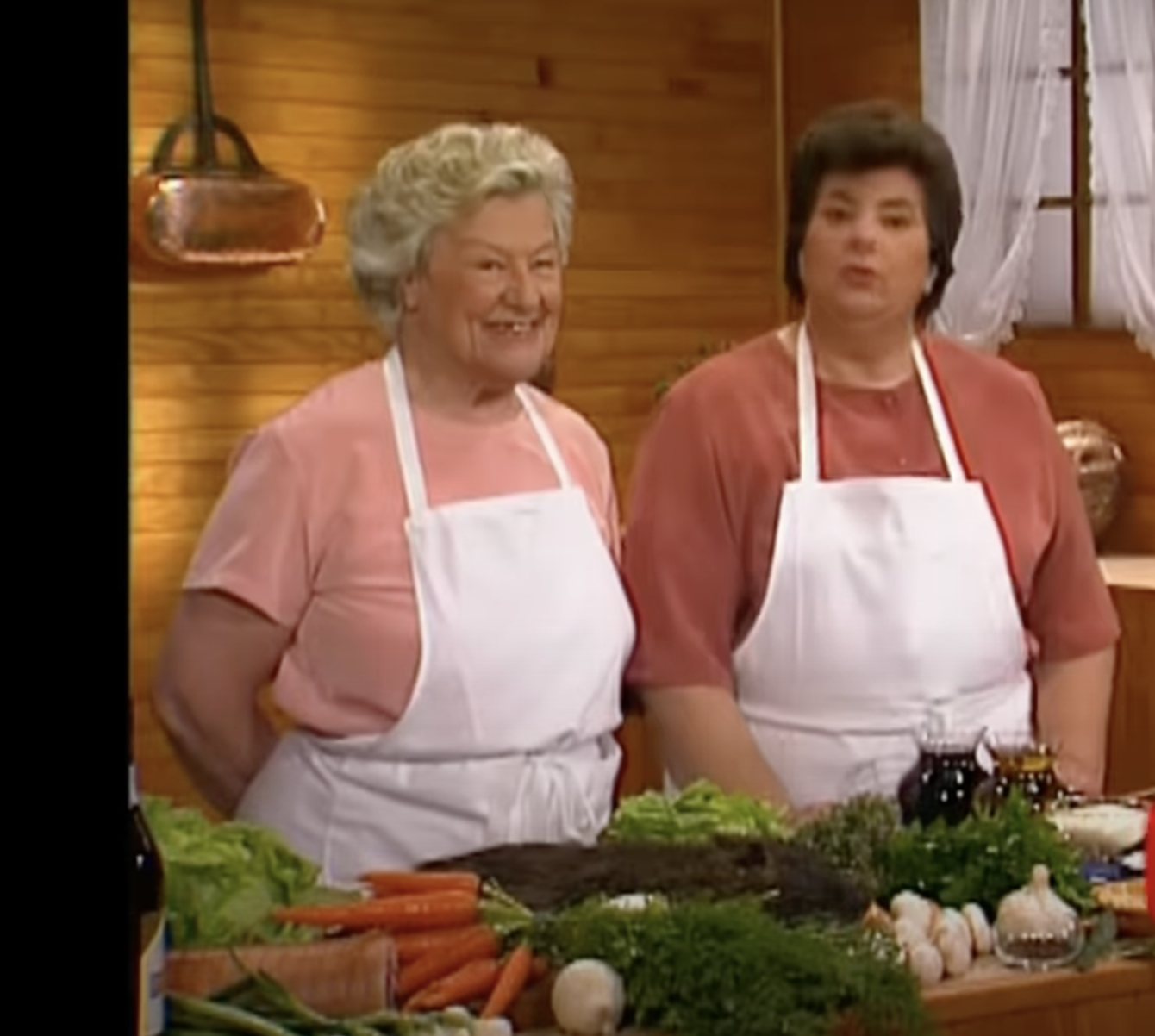
If you ever want to understand the glorious chaos of 1980s French television, look up La Cuisine des Mousquetaires. This playlist features some of their more extreme work. The show ran on FR3 from 1983 to 1997 and starred two women who could not have been more different.
Maïté Ordonez was a Gascon innkeeper turned TV cook — confident, steely, and fond of flambéing everything. Micheline Banzet-Lawton, her co-host, was a journalist and meant to keep things a bit civilized while Maïté wrestled eels or dismemebered small animals on camera.
For American readers, imagine Julia Child meets Wayne’s World and possibly the Surgery Channel, filmed in a farmhouse kitchen. The show was about more than food — it was about pride, region, and identity.
In the rangodin episode, Maïté prepared a terrine de ragondin and then a stew, treating the invasive swamp rat with the same seriousness as foie gras. Her rifle in the background like another kitchen tool.
She pets it for a while as it lies dead among the vegetables, shows Micheline its distinguishing features and then chops its head off as casually as I might open a beer
It’s shocking, funny, and quite sincere.
The show was called "La Cuisine des Mousquetaires" ("The Musketeers' Kitchen") as a nod to Gascony, the southwestern region of France famous for its hearty cuisine—and, of course, for being the homeland of D'Artagnan, the most famous of The Three Musketeers.
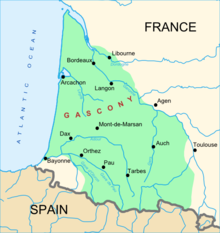
The show was all about big, rustic meals, traditional French cooking, and a no-nonsense, adventurous approach to food.
Every French person I know seems to have grown up watching them, and for good reason: there were not a lot of channels they cooked everything—from wild game to eel, and yes, even ragondin (a.k.a. giant swamp rat).
If you’ve ever seen one of these creatures — or, better yet, eaten one — I’d love to hear about it. Personally, I’m all for eating invasive species (though you could argue cows, pigs, and chickens qualify too). Should ragondin stay off the table, or are we missing an opportunity here?
Drop a comment below and let me know where you land on the swamp-rat spectrum.
Musical Accompaniment
Swamp Rat Herbie Hancock (1976)
Swamp Rat is a deep-groove jazz-funk track from Hancock’s Secrets album. Layered keyboards and a swampy, hypnotic rhythm that captures the murky, humid energy of its title.
Hancock himself is one of the most influential figures in modern music — a jazz pianist and composer who bridged acoustic jazz, funk, and early electronic music, shaping everything from Miles Davis’s Second Great Quintet to hip-hop and house decades later. I also love a lot of the work he’s done with Japanese artists, which seems like another genre entirely.
Recipe: Ragondin Terrine (Nutria Pâté)
Maïté’s answer for a lot of small animas was to turn them into pâté. Here’s a simplified version of her terrine de ragondin — country-style, hearty, and impressively good.
The flavor’s like rabbit crossed with duck.
This recipe will work for almost any small animals you might have. I have made this recipe with several different kind.
Ingredients
- About 1 kg (2 lb) ragondin or rabbit meat, cut up
- 250 g (½ lb) fatty pork (belly or shoulder)
- 2 shallots, chopped
- 2 garlic cloves, minced
- A splash of white wine or cognac
- 2 eggs
- A handful of parsley or thyme
- Salt and black pepper
- Bacon slices to line the dish
Directions
- Marinate overnight – Mix the meats, shallots, garlic, herbs, wine, salt, and pepper. Cover and chill.
- Chop or grind – Coarsely chop the meats, then stir in the eggs.
- Pack it in – Line a loaf pan or terrine dish with bacon, fill with the mixture, and fold the bacon over the top.
- Bake in a water bath – Set the pan in a tray of hot water and bake at 160°C / 325°F for about 1½ hours, until firm and juicy.
- Cool and chill – Let it cool, then refrigerate overnight so the flavors come together.
Slice and serve cold with pickles, mustard, and bread. Maïté would probably pour a little Armagnac, too — to “keep the spirits up,” as she’d say.
Further ideas for Muskrat preparation
This video shows how adorable they can be before interviewing a man who raises them and then offering recipes before putting a family through a “Guess the Meat?” kind of surprise rat creature dinner.
In the end, no one guessed what it was and they didn’t seem too thrilled to find out what they’d just eaten.