The Psychedelic Universe of Gong
Cosmic gnomes, pirate radio from deep space, and the strangest psychedelic band of the 1970s.

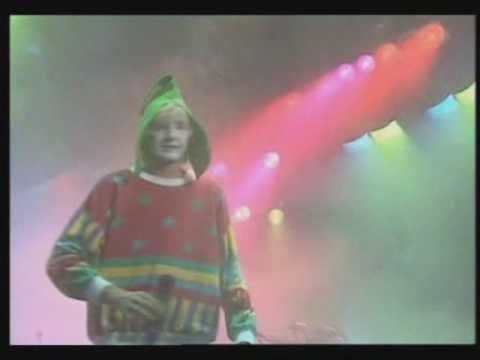
If you open Spotify and press play on Flying Teapot, the first thing you’ll hear is a voice calmly explaining that flying teapots are drifting through space while invisible gnomes broadcast messages across the galaxy.
And somehow… it works.
TL;DR
While psychedelic rock exploded across the anglophone world with bands like Pink Floyd and The Jimi Hendrix Experience, a weird corner of the genre emerged in France with Gong. Led by Daevid Allen, the band built an entire drug-soaked sci-fi mythology around cosmic gnomes, flying teapots, and pirate radio transmissions from deep space. The result—especially the 1973 album Flying Teapot—is psychedelic prog rock at its most bizarre and imaginative.
And they were not alone.
About these posts
From time to time I’m publishing short cultural notes drawn from drafts, travel, and curiosities that have been piling up for years. Some connect to France, many don’t. Music, odd histories, places I’ve been, and things that seem worth pointing out. Think of them as quick explorations rather than finished essays. If you like one, hit like or leave a comment.
The Flying Teapot Band
By the early 1970s psychedelic rock had already blown open across the anglophone world. Bands like Pink Floyd, The Jimi Hendrix Experience, and Jefferson Airplane had pushed guitars into distortion, feedback, and cosmic ambition.
But one of the strangest psychedelic bands of the era didn’t come from London or San Francisco.
It came from France.
Or at least, people came to France and then formed the band there.
Gong
Gong was founded in France by Australian guitarist Daevid Allen and English vocalist Gilli Smyth after Allen—an early member of Soft Machine and part of the Canterbury psychedelic scene—was refused re-entry to the UK after a trip to France in 1967. Stranded by a visa problem, he stayed and started a new band.
The group drifted through communes, festivals, and underground venues and evolved into one of the strangest projects in 1970s progressive rock.
Radio gnome Invisible part 1 — Gong (1970)
Which is a very competitive category.
In the early 1970s labels were surprisingly willing to sign experimental bands—and there was an audience. Much of the psychedelic and prog scene grew out similar communes, festivals, and counterculture venues across Britain and France, where audiences expected long improvisations, strange concepts, and the occasional cosmic storyline.
By the time Flying Teapot appeared, Gong had a small cult following that was very happy to hear songs about flying teapots and invisible gnomes.
The Radio Gnome Invisible Trilogy, begins with Flying Teapot. It’s less a set of songs than a full psychedelic mythology: flying teapots drifting through space, pot-headed pixies, and pirate radio signals broadcasting enlightenment across the galaxy.
Somewhere in the universe, invisible gnomes are transmitting messages of awakening across space through something called Radio Gnome Invisible.
Radio Gnome Invisible — Gong (1973)
Gong sang mostly in English, but much of their early audience was French. They were bound to consider it. The result is lyrics that feel like psychedelic sound poem-ish.
Maybe this is how you get “Banana Nirvana, manana,” and they are singing about flying teapots.
Yeah.
I am convinced of this: it’s prog rock world-building while very, very high.
The music follows the story, though the story can be hard to follow.
Somewhere in it are characters like Zero the Hero, the Pot-Head Pixies drifting through space in flying teapots, and mysterious Octave Doctors broadcasting enlightenment through Radio Gnome Invisible. Meanwhile the sound wanders freely: fuzz guitars stretch into long psychedelic jams, saxophones and clarinets drift in and out, and songs slide between dreamy vocals, jazz improvisation, and sudden bursts of prog intensity.
Where many 1970s progressive rock bands chased technical perfection and operatic grandeur, Gong embraced something looser and stranger.
But their fans are quite devoted.
Frog Prog
[How this is not already a genre label, I have no idea.]
Gong is just one of many.
France produced a surprisingly strange and ambitious cluster of prog bands in the 1970s. The scene mixed psychedelic rock, jazz, theatrical vocals, and a level of conceptual weirdness that even British prog occasionally struggled to match. If you need a good least of prog bands, Prog Frog has a good list for Frog Prog bands, or at least a series of bands making rock music built around complex, ambitious songs by skilled musicians who aren’t afraid to stretch beyond the usual three-minute format.
That, and a lot of drugs, to be sure.
If psychedelic music was an acid trip on wax, prog was what happened when people took that trip and into a college music and arts program. It’s complicated and “ambitious,” as many sites have described it.
And I’m a fan of the genre, really. Not everyone is.
Then again, I tend to love it whenever anyone is committed to an artistic expression — & these folks are committed.
In France, this included:
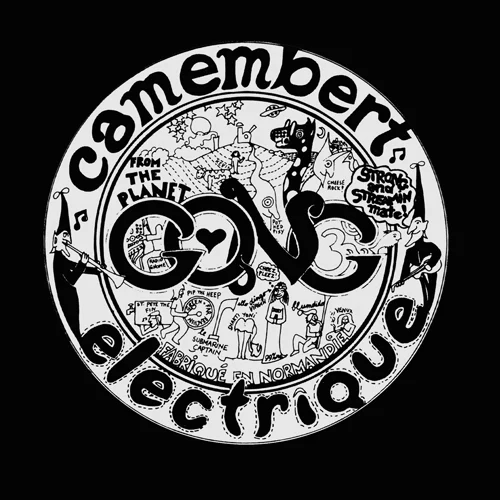
Gong – cosmic mythology with gnomes, flying teapots, and lengthy psychedelic jams
Magma – operatic prog sung in an invented alien language. I keep coming back to magma here and there. the alien language thing is really something.
Ange – theatrical French prog with medieval overtones. Well, not overtones, just tones. Lots of medieval tones.
Heldon – heavy guitar-driven space rock and early synth experimentation
Les Soucoupes volantes vertes (green flying saucers) — Heldon (1977)
French prog tended to be stranger, darker, and even more experimental than its British cousin—less concerned with polish and far more comfortable wandering into the cosmic deep end.
If you want a more open exploration, check out Radio 68, who has put together quite a list of Dutch, German, Belgian and French prog bands, among others.