Deep France, Wild Food: Finding Terroir Outside Vineyards
on foraging, field knowledge, and learning to trust what’s around you
I started this week wanting to write about foraging.
Then I got sidetracked trying to invent a sustainable version of ortolan—using wall lizards.
That tells you where my brain’s been.
But the detour made me think about how we decide what’s edible and what isn’t.
Because most of us don’t really know our food—not its origins, not its stories, not even its shape before it’s wrapped and sold.
And maybe that’s what I’ve been circling around: the idea that knowing what you eat, and where it comes from, is a way of knowing where you are.
I used to think there was an answer in France, but I don’t think they know either.
TL;DR:
We talk about terroir as a French concept, but every place has its own flavor, shaped by what grows wild and what people remember. Foraging—whether for dandelions in France or England or New York—isn’t just about food. It’s about trust, curiosity, and rebuilding a relationship with the natural world.
Learn five plants. Taste what’s local. The world turns from background to pantry.
[ed note: you really could just stop reading now and do that bit:
Learn five plants. Taste what’s local.
…but if you like a bit more story to your stories, read on.]
Food Memory, Food Mystery
Most of us have no idea where our food comes from.
I don’t mean the country or the label — I mean the place.
The hedgerow. The riverbank. The dirt. The farm. The farmer. The hands that pulled it up.
I didn’t, not really.
I knew ingredients. Studied plants, a bit. I gardened, some.
But in the U.S., it was often better not to ask. The less you knew, the easier it was to eat.
[ed. note: no space here for food recalls, factory farms, or the smell of industrial chicken — but you know.]
Food is identity. Geography. Sharing. Inheritance.
Even in the supermarket, people have opinions.
Is this dish Puerto Rican or Dominican? I don’t know — but it’s good, and we’re eating, and that’s the whole argument.
Depends on whose house you’re at, really.
Somewhere in that argument is a connection. A quiet truth:
The food you know matters.
And what grows near you matters.
Taste begins with place.
the fantasy of rural france
We had one trip into France that hit the fantasy version just right — the France we imagined when you booked our tickets.
We learned things. We made friends. We saw old buildings and unpronounceable cheeses. It was classic city-folks-getting-down-with-the-country-folks stuff.
And it lasted for half the summer.
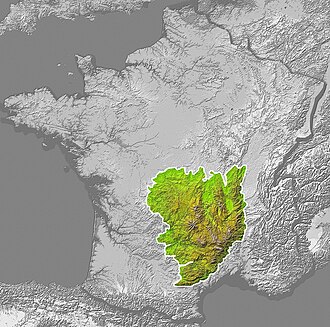
It was 2010. Auvergne.
Everything looked like the brochure: stone houses, potato fields, morning fog curling around the hills. Vistas for days. And people who could pull the exact plant they wanted from what looked to us like a blur of green.
Okay — not everyone. There weren’t really a lot of people in most places, so getting to know the plants is a good idea.
But we were earnest, and enthusiastic, trailing behind people who knew what they were doing.
That summer changed everything for us.
It wasn’t just the food — it was the noticing.
That sense of place, of pattern, of knowing where you are by what grows underfoot — it hit us hard.
And once you feel it, you carry it.
We learned plants by name and by taste.
Followed farmers to hedgerows.
Assembled lunch and teas out of weeds — and then sold them to people. Amazing.
We came back to New York with a new obsession: learning our own ecosystem.
Not the one in books. The one outside the apartment.
The one we were already living in — but hadn’t seen clearly until then.
thankfully, there were a lot of people in NYC with the same idea. We just had to find them.
Global Terroir
France gave us the word terroir — but not the idea.
Everywhere people have stayed long enough to taste the seasons, terroir exists. It just goes by other names. It shows up in what’s grown, what’s gathered, what’s remembered.
Some of us grew up with wild knowledge and didn’t realize. Some forgot. Some were never taught.
For us, it started as curiosity — trying to understand ecosystems, plant systems, interdependence. And, eventually, to eat it.
Then we moved to France and saw people living it — casually, without ceremony. It was just a thing you did.
We happened to notice it here. But we refined it in New York.
Now we’re back in France and looking at the same plants — literally the same ones growing here, around New York, in the UK.
But we see more. Of course, there are differences in the ecosystems, but there’s so much in common too.
[There’s a reason for that. But I’ll save Linnaeus and the Columbian Exchange for another piece.]
Nature Blindness/Food Blindness
The French eat snails, frogs, tripe, cow udder — even beavers counted as fish once (thank you, Catholicism and Lent loopholes).
But lizards? Non.
Why not?
Not because they’re unsafe. Not because they’re inedible. Just because they never made it into the script.
Most French lizards are small — fine. But that’s not it.
This is a country that drowns tiny songbirds in brandy and eats them whole, heads and all. Sardines: bony, oily, eaten bones and all. “Too small” isn’t it.
Lizards just didn’t pass the cultural sniff test.
They look like vermin. Like pests. Like something the cat drags in.
Not charming. Not chic. Not food.
In Madagascar, Mexico, Southeast Asia — even Florida — lizards are lunch. They’re also bigger, and meatier.
But here, they’re not.
So — what is food, and what isn’t?
It’s not biology that decides. It’s story. Familiarity. Memory.
musical interlude
Human Behavior Björk (1993)
Lately, Björk’s “Human Behaviour” has been looping in the back of my head — that off-kilter beat that somehow still works, the animal-eye view of human logic, the surrealist fantasy video. That whole early-’90s period of hers — awkward, feral, otherworldly — has aged so well, IMO. Hard to believe this was her debut track off her debut solo album, Debut.
The song’s not about foraging, but I’ll make it fit. There’s a line that always gets me:
“There’s definitely, definitely, definitely no logic / to human behaviour.”
Same goes for what we eat. And what we refuse to.
Learning Slowly
When I started learning wild edibles — especially mushrooms — I set a modest rule for myself: five a year.
That was it.
Five species I’d get to know so well I could recognize them anywhere — by smell, by shape, even by the feel of the knife going through them.
I like to think of myself as a mycophagist.
Someone who studies mushrooms to eat them.
Not academically. Not aesthetically. Just enough to be confident with a knife in one hand and a frying pan in the other. Metaphorically.
My wife’s even better at it. She does what we call “drive-by mushroom hunting” — spotting familiar fungi while we’re flying down a backroad at 70 miles an hour. It’s uncanny.
I figured I’d learn more along the way, but those five were the commitment. The bar for safety. The beginning of trust.
And it turned out to be a good model for everything else.
A little bit of well-applied info is better — and more satisfying — than a whole encyclopedia of stuff you’re not 100% about.
Plants you know well — the ones you’ve cooked, tasted, handled — build a kind of muscle memory.
Where to Begin
Start with the plants you already see all the time.
Dandelions (pissenlit) are a good place to start. They’re easy to recognize, widely edible, and endlessly versatile — a gateway plant. The bitterness varies from leaf to leaf, which makes tasting a kind of field education in itself.
In France, salade de pissenlit is common in the spring, tossed with lardons, poached egg, and a warm vinaigrette. It’s the definition of humble abundance.
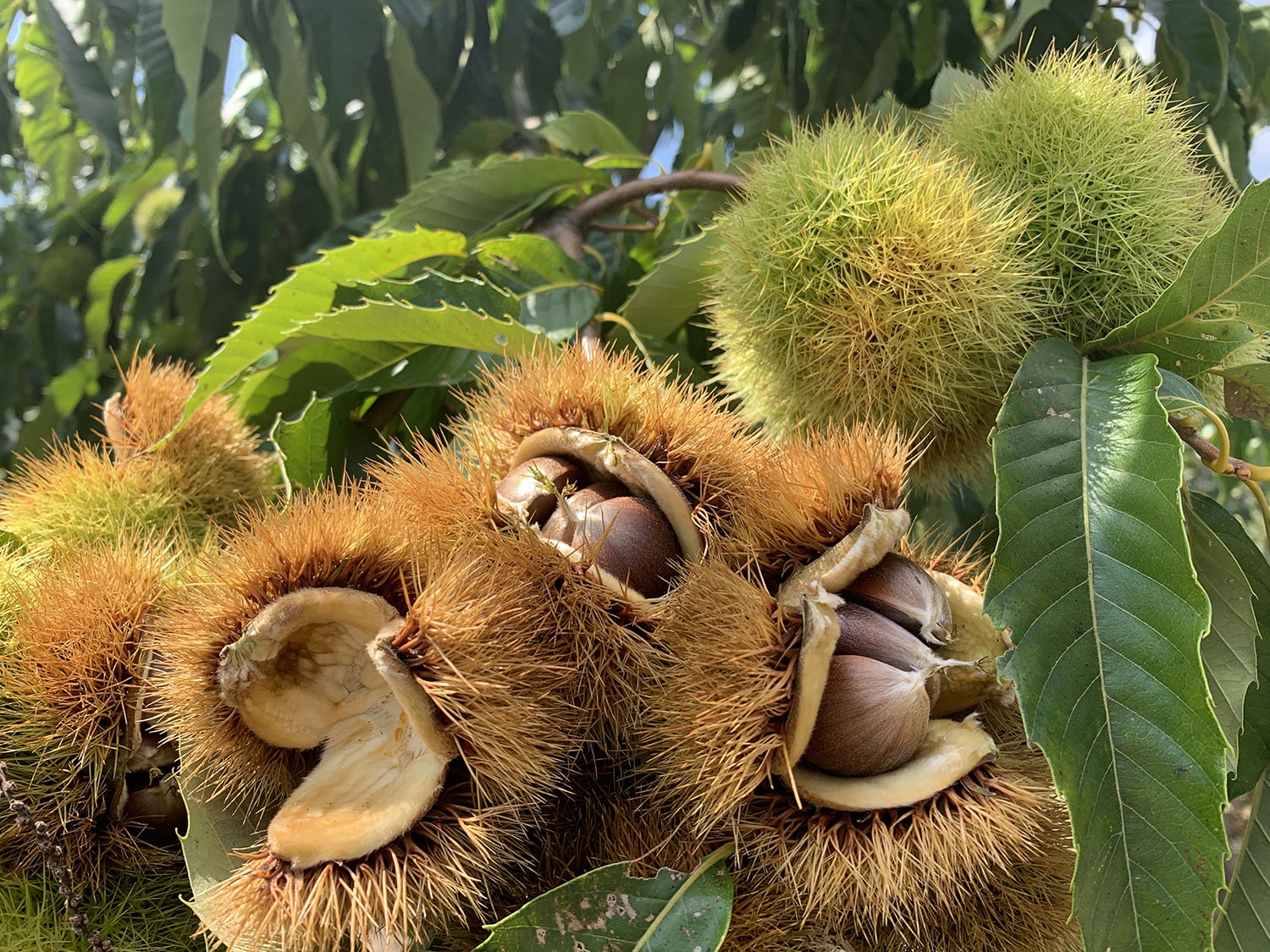
Other easy starting points: chestnuts (châtaignes), elderflower (fleur de sureau), blackberries (mûres), sorrel (oseille), and chicory (chicorée sauvage). These are the familiar wild foods that appear everywhere in French countryside cooking — the connective tissue between the local and the wild.
A Few Simple Rules
- Avoid polluted areas. Skip roadsides and dog-walk zones. I have zero tolerance for washing mystery liquids off anything I plan to eat.
- Learn your landscape. Go back to the same spots. Familiarity breeds confidence.
- Don’t trust apps entirely. They’re fine for narrowing options, but smell, texture, and feel matter more than pixels.
- Photograph everything. Especially mushrooms. Make spore prints. Take notes. Enjoy the process.
- Respect your limits. As my sister once said: If it’s not safe, it’s not food.
And remember: “safe” is personal.
Strawberries are safe for most people — except the ones they’re not.
Same goes for any wild plant.
The French Connection
France still has a foraging tradition, depending on where you go.
You’ll find traces of it in rustic dishes, in family recipes, and in the way chefs talk about wild ingredients — with a mix of respect and practicality.
Many believe that wild plants taste better precisely because they’ve chosen their own growing conditions.
They belong where they are.
I agree with that.
Once you start noticing them, it’s hard to stop.
You’ll see edible plants everywhere — between sidewalks, under hedges, along the edges of the Loire, driving down backroads at 70mph.
The world goes from background to pantry.
But it’s not like everyone in France does it either. In fact, out of the people I know, none of them do unless they know the area incredibly well.
A Little Personal History
I suppose I grew up foraging without realizing it.
Where I’m from, clamming was just another errand, but it’s basically foraging.
My father would tell me to head out and dig up a few dozen — I’d go swimming out into the bay by us, then use my feet to find them in the mud and carry them back in a bucket hanging in a tire tube.
Every once in a while I’d find a small crab that didn’t want me near them — a tiny, furious creature capable of making grown men yelp like children.
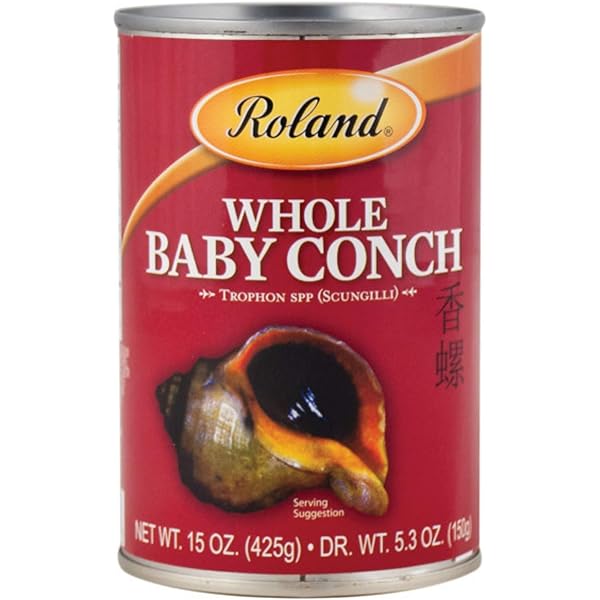
Or sea snails, which were delicious, done right, but nobody wanted them, except the one guy down that block who never wore a shirt for half the year, the gold chains around his neck lost in his forest of gray chest hair.
we’d drop them off on him if we’d grabbed enough. He’d always invite us over when he made scungilli.
His recipe is still my favorite.
Trust Takes Time
Like most things worth learning, this takes patience.
Information is everywhere — apps, books, YouTube — but confidence only comes from experience.
A personal history of success builds its own quiet assurance.
We relearn the world by eating from it.
We rebuild trust that way.
If you forage — even a little — let me know.
Even if it’s just dandelion greens or something you found growing near you. And then you ate them.
Share your recipes!
More reading:
 Keith Christiansen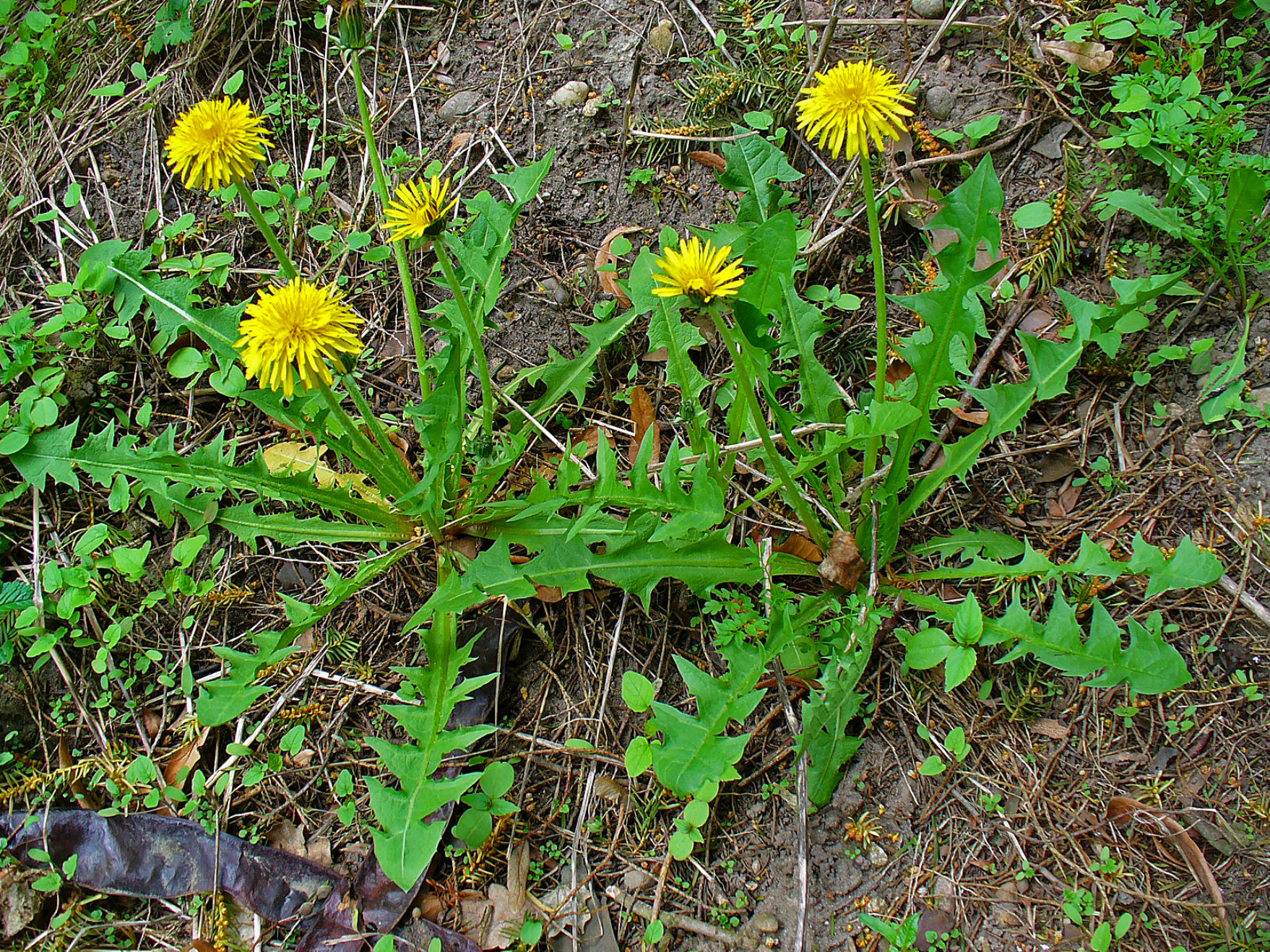
 Keith Christiansen
 Keith Christiansen