The Hedge Is Not What You Think It Is
What happens when a landscape forgets how to hold life

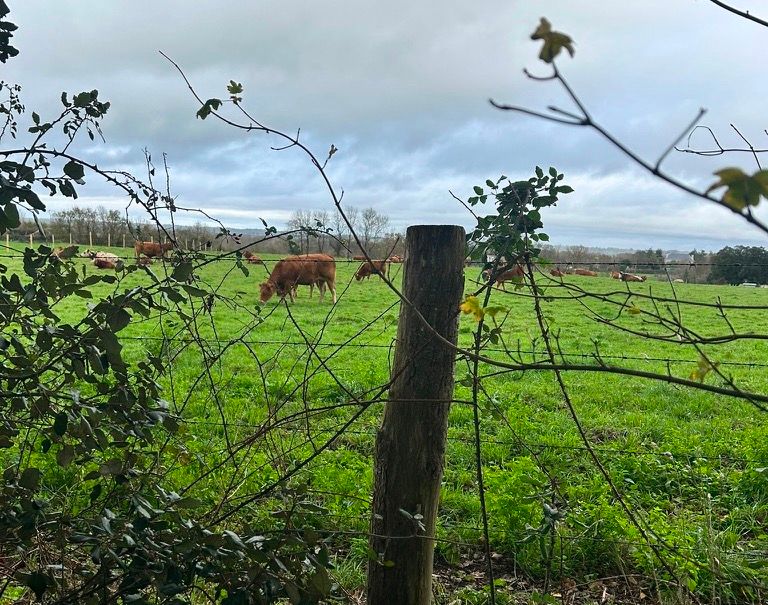
French winters are good at hiding damage. Bare fields glow. Shadows stretch. Everything looks settled.
It isn’t.
The quiet isn’t peace. It’s absence — the sound of edges scraped thin and left that way.
Once you notice it, the landscape reads differently. You start looking for where life used to gather.
Hedges.
TLDR:
France once had dense, layered hedgerows — living boundaries that shaped fields, buffered weather, and hosted wildlife. Most were stripped out in the postwar push for efficiency. This is about valuing the margins: the quiet places where life gathers.
Also: a Cold War fantasy soundtrack by Les Baxter, the ghosts of Normandy’s bocage, and why some invasives are good.
Hedging Bets
One of the surprises of moving to France has been learning how to read the land — not just the seasons, but the daily changes, the signs of care, pressure, and use.
I’m often struck by how human-centered the country feels. Not just socially, but spatially. Towns are dense. Services are close. Daily life is designed around people moving on foot, talking, stopping.
The landscape reflects that logic. What’s valued is what’s legible, maintained, usable. There aren’t many truly wild spaces.
Hedges fall into that category. Or they do, but after a while. They take time. Most of what they do develops slowly.
I don’t think I really even knew what a hedge was back in the U.S. We don’t really have them — at least not like this.
And yet, in places like France and England, nearly every hill and boundary has been shaped by centuries of human use, with nature adapting to those patterns.
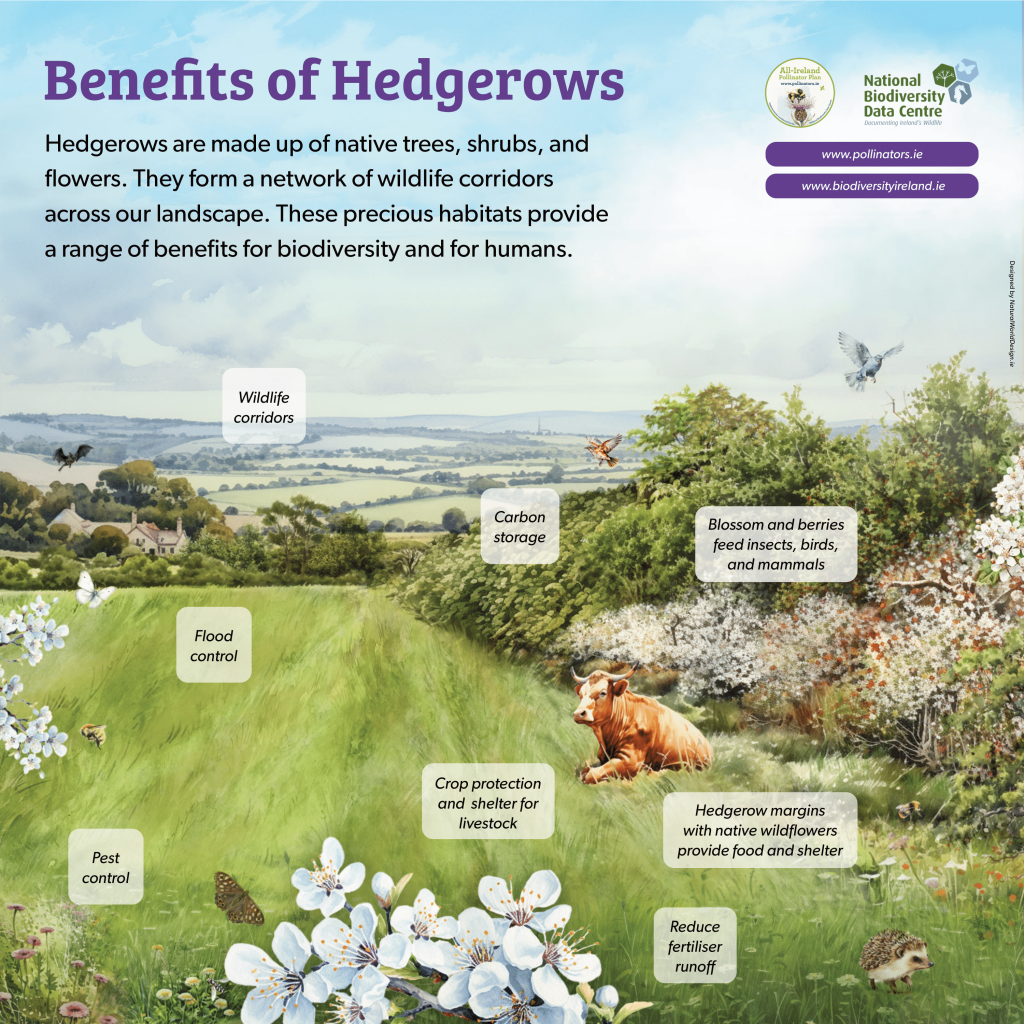
Hedges are part of that inheritance. Given time, they become ecosystems — supporting insects, birds, soil, water, and wind.
We tend to treat nature and society as separate. But we live in both. In landscapes this managed, the margins matter most.
Hedges are part of the infrastructure of the natural world here— when they were gone, everything that relied on them had nowhere to go.
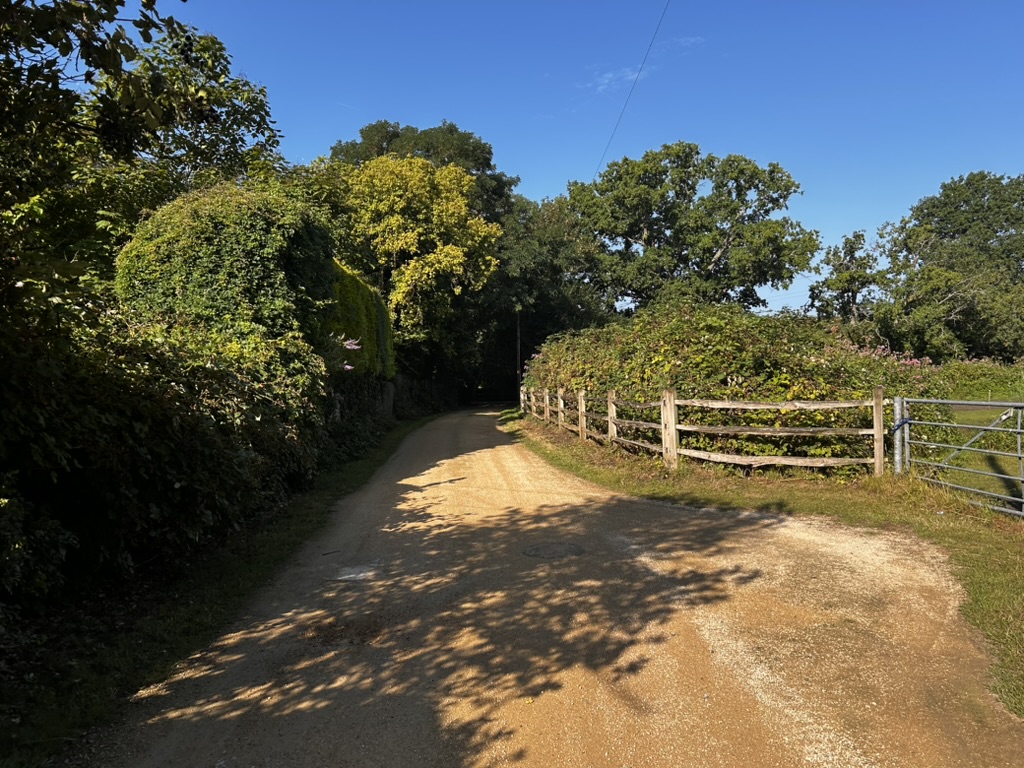
A Tale of Two Hedgerows
Once you notice hedges in rural France, it’s hard not to. They’re everywhere — but strangely sparse.
It’s not that England is some untouched wilderness. Far from it. But its countryside still holds mass. Hedges aren’t just lines on a map; they’re thick, layered structures shaped over centuries.
Many predate the language of ecology itself — rooted in medieval farming, Victorian gardening, older patterns. But nature had time to catch up to what people built.
France once had this too. The bocage — a patchwork of small fields enclosed by dense, mixed hedgerows — was rich, connected, alive. Most of it was stripped out in the postwar push for efficiency. That system was planned for yield, not resilience.
Biodiversity wasn’t part of the plan.
In the U.S., the dynamic is whole different. It’s a bigger country. Everything is a bit more spread out. Industrial farms sit far from towns, but margins persist — ditches, thickets, retention ponds. When space allows, life returns.
Leave a margin alone long enough and it stops being for people. It gets dense. Lived in. A bit wild.
Hedges, when they’re allowed to grow, become sanctuaries
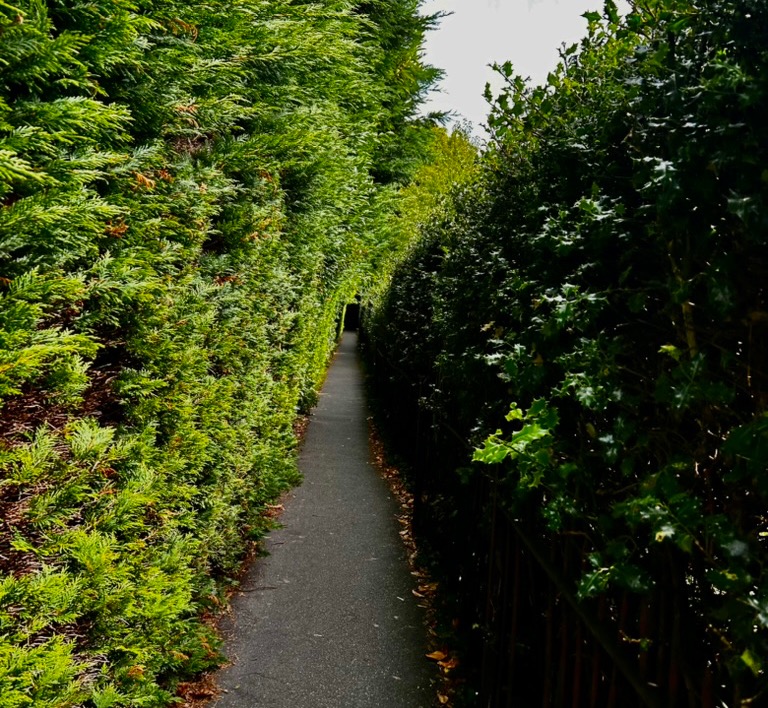
The Hedge Is Not a Fence
We didn’t have hedges where I grew up in the US.
The suburbia of my youth in America was a kind of chemical-induced dream of green spaces: everyone living on their own golf course.
Lawns mowed weekly. Edges trimmed to tight geometry. Fertilizer and weedkiller in steady rotation.
But the wild still came in — vines choking fences, frogs in storm drains, raccoons in the trash, deer in gardens, gulls dive-bombing barbecues, ducks in swimming pools. Rabbits doing… something.
These weren’t old ecosystems. But their neglected edges had volume. They had what French roadside hedges don’t: plant mass.
Hedgerows as Walls — and Homes
We’ve moved back and forth between England and France enough to notice the difference quickly.
England isn’t some back-to-nature idyll. But it has one thing in abundance: plant mass. The ecosystems aren’t fundamentally different from France’s, especially around us — but the structure is.
There, hedges don’t just mark space. They hold it. Dense, layered walls of growth stitch together fields, lanes, and footpaths, alive with birds, insects, and small mammals.
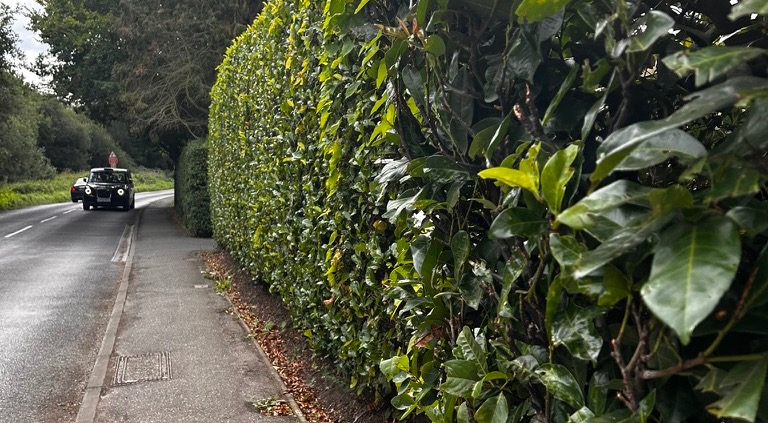
A mature hedge can carry the biomass of a young forest and support hundreds of species. They’re carbon sinks.
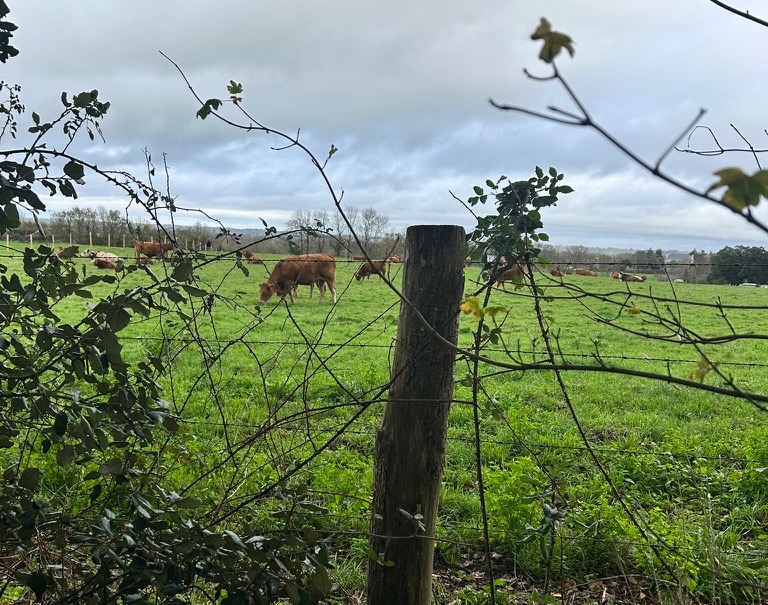
In France, you can see straight through most hedges.
Not a Style — A Ruin
France didn’t set out to do this. It wasn’t design. It was the consequence of other decisions.
While the U.S. began its ecological reckoning in the early 1960s — catalyzed by Silent Spring in 1962 and followed by sweeping environmental laws in the early ’70s — it was hardly an ecological success story. Industrial agriculture expanded, suburbs sprawled, waterways were poisoned, and entire ecosystems were paved, drained, or fenced off.
But the reckoning happened early enough to slow some damage.
France, meanwhile, was in a march of post war recovery and progress was the driver.
France’s first environmental law arrived in 1976, focused narrowly on species and sites rather than systems.
From the 1950s through the 1980s, land consolidation (remembrement) drove the removal of hedgerows to accommodate mechanized agriculture, with little regard for biodiversity or resilience.
By the time soil erosion, flooding, and biodiversity collapse forced a broader rethinking in the 1990s and 2000s — reinforced by EU policy and the 2007 Grenelle de l’Environnement — more than 70% of hedgerows were already gone. France didn’t have a single Silent Spring.
Its awakening was late, reactive — an accounting of losses after the landscape had already been rewritten.
This isn’t heritage. It’s not a look anyone seems proud of.
They’re a side effect. A leftover. What happens when policy outlives its usefulness but still shapes the land.
The hedges you see now aren’t an aesthetic.
They’re an aftermath.
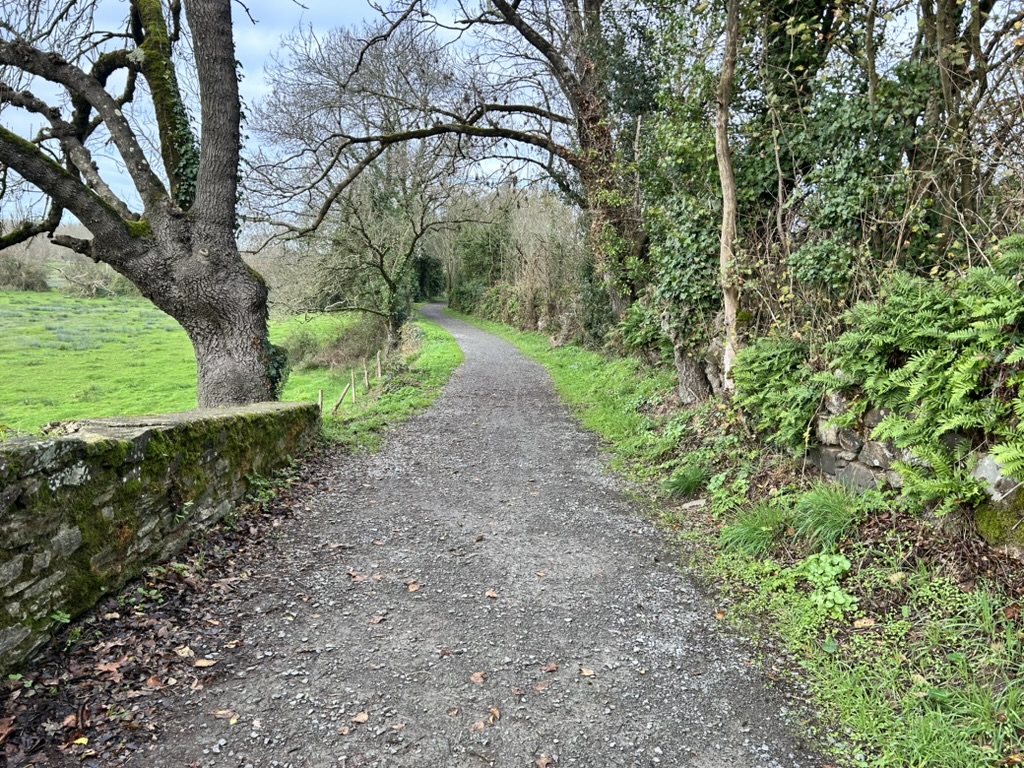
If you’ve noticed this where you live — the thinning, the quiet, the scraped edges — I’d like to hear about it.
Musical Interlude
Quiet Village Les Baxter (1952)
A pioneer of Exotica, Baxter scored imaginary tropics for 1950s America — armchair travel in hi-fidelity. Lush strings, vibraphone, bird calls, and wordless vocals conjured a jungle that never existed. Bongos, harp, flute: nature-ish.
Exotica was more than a sound, it was Cold War fantasy — tiki bars, Polynesian decor, suburban escape (we had more than a few friends with tiki-themed rec rooms). France never had an equivalent, despite its long entanglement with Tahiti.
La France Sans Haies
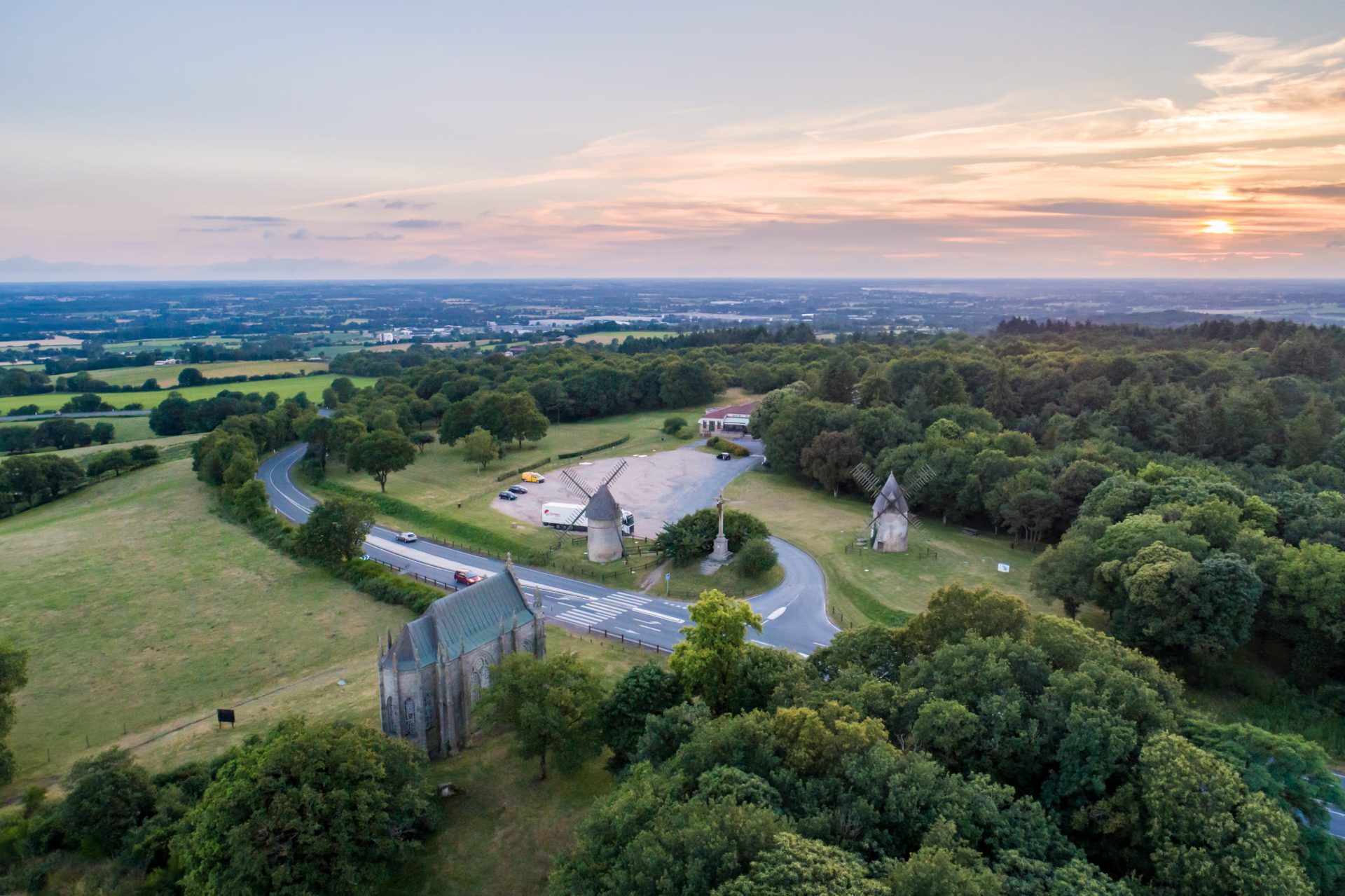
France once had hedges like the English ones. The bocage — thousands of kilometers of thick, layered hedgerows — wrapped fields, shaped pastures, anchored soil, slowed wind, and stitched habitats together. Today, its strongest remnants survive in parts of Normandy, Brittany, and the Pays de la Loire — fragments of a system that once stretched far beyond where it still clings.
Most of that landscape disappeared between the 1950s and 1980s, as farmland was reconfigured for mechanized agriculture. Hedgerows were bulldozed, burned, cleared to make room for larger fields and wider machines.
What remains isn’t tidy or efficient in any ecological sense. It’s exposed. Windblown. Quiet.
There are efforts to bring hedges back. Across France, agroforestry and biodiversity programs are replanting them. But many of these new hedges are narrow and orderly — a few species in straight lines, no understory, no depth. Green, but young. It takes time.
A bocage isn’t a farming style. It’s a landscape — small fields enclosed by mixed hedgerows and sunken lanes, a quilt of living margins when seen from above. These hedges weren’t just borders. They were windbreaks, corridors, shelter, shade, and soil anchors, all at once.
They were dense enough to stop a tank.
And, in Normandy, they did.
What Was Lost
Before WWII, France had an estimated two million kilometers of hedgerows, enough to span the country 2,000 times. By the 1980s, nearly 70% were gone, erased through land consolidation (remembrement) and efforts at agricultural efficiency.
In England, hedgerows were once fetishized a bit, documented and romanticized as early as the 19th century. They were seen as cultural important, aesthetically pleasing, long before modern ideas of ecology. The ecological benefits were incidental.
Even so, many hedges were removed there as well.
In France, the bocage was never viewed in quite the same way. It was practical. and after WWII, they were treated as outdated obstacles to modern farming.
What had shaped the land for centuries was cleared in decades.
The Argument for Ivy
Last winter, I was out checking on a few plants near our house when a neighbor stopped and pointed at the ivy.
“Faut arracher ça,” he said. That needs to go.
“It’ll choke the tree.”
I nodded. But I didn’t touch it. It wasn’t my tree anyway.
Yes, ivy can be parasitic.
But in a landscape where so many edges have been scraped clean — it’s one of the few things that can thrive. Birds slip in and out of it. Insects work its tangles. Hedgehogs — if there are any left — might find shelter.
[Fewer hedges mean fewer hedgehogs, after all. Their numbers have collapsed across France, especially in open agricultural areas.]
Plants like ivy can be placeholders while other life finds a space.
In the Bronx, we let some plants crawl over broken concrete and stone for the same reason: to give others a place to begin.
Life at the Edges
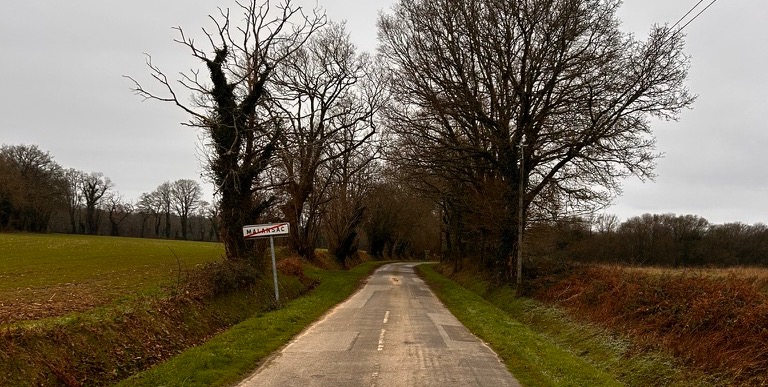
You don’t rewild a country by building parks — though they help. You do it by loosening the edges, letting in-between places grow deep.
That’s where life returns. Not from the center, but from the margins.
Where hedges and bocage still exist, they do real work: buffering wind, aiding pollination, reconnecting fragmented habitats. A functioning hedge is a corridor for wildlife, a reservoir, even a piece of local weather.
A straight line of young shrubs can’t do that. At first.
They’re thin.
Easy to look through.
Then, slowly, things change. Each season adds more — a deeper root, a tangle where insects linger. Birds arrive one day to eat those insects. Sounds return, unevenly.
A hedge isn’t something you install.
A landscape accumulates.
What was erased in a generation won’t return in one. But complexity does return — layer by layer, season by season — if space is left for it.
And so, a very old country is starting again, at least ecologically, from the edges.
It takes time.