Another Strike, Another Long Walk
France, strikes, imposter syndrome, and what to do when things don’t go as planned—again
I had a plan today: rental car, errands sorted, no surprises. Then a silent preview of tomorrow’s strike hit—and of course I ended up walking. Again.
Welcome to France on a protest week.
TL;DR
A routine errand goes sideways thanks to a little strike ripple, setting off the usual chain reaction: mild frustration, a touch of imposter syndrome, some linguistic friction, and then maybe a bit of perspective.
Just another day of figuring it out in France.
Oh, and yes—there is a strike today (December 2). I now check C’est la grève like the weather, just like many French folks do.
Like this? Share it. Send it. Subscribe.
This is reader-supported.
I write regularly about life off-script—a dispatch, a detour, grounded in the weird, the daily, the quietly revealing.
If this gave you a break from the doomscroll—or made you mutter “same”—consider subscribing or sending it to someone else who could use a different kind of feed.
Detour
I had a plan. A rental car, a few overdue errands, all timed out to avoid tomorrow’s big strike. We don’t own a car here—it hasn’t been necessary—but every once in a while, you need one to knock out the logistics piling up.
I knew a strike was coming. I’d planned around it. What I forgot is how strikes in France have this ambient bleed—how one day of protest seeps into the days before and after. You never really know when things will stop working until they already have.
Technically, the disruption starts tomorrow.
But today? Just enough to knock out my bus line. The notice came late, if it came at all.
So now I’m walking. Again.
tolerances
The French have an impressive tolerance for strikes—even when they hate them, even when they know they don’t seem to change what the government is doing.
Complaining too loudly seems uncivil, maybe, yet it’s a huge problem for people, especially if a couple has kids, if they both work. It’s much harder getting babysitters on the strike days, there’s no PTO, and often short notice.
Sometimes, there is less than 24 hour’s notice about a strike.
Just adjust and cope.
It has to add a lot of stress.
Why Now?
Budget cuts. Again.
The 2 December strike was called by CGT, FSU, and Solidaires to protest the 2026 budget—job cuts, wage freezes, and the same old austerity.
Schools, transport, public services all hit. Some unions are pushing through the 3rd.
It’s part of Bloquons Tout—“Block Everything”—a protest wave that started this summer when the government proposed slashing €44 billion and scrapping two public holidays.
Despite the reshuffles, it hasn’t let up.
And now here we are..

Speed Bumps
Coming from the U.S., where labor organizing has mostly been defanged into hashtags and nostalgia—or chopped into hyperlocal fragments, like with teachers—I can’t help but notice the contrast.
I once worked in a suburban school district where teachers were pushing for a new contract. No leverage, little solidarity, and a hostile admin.
They ended up accepting a deal that slashed future benefits, weakened their own, and locked in stagnating pay—all in one of the wealthiest counties in New York.1
So yes, I have real admiration for how France still knows how to jam the gears. Or at least cause enough disruption to remind the state that the people are still here, still watching.
And for the record: I believe in unions—strongly. Whatever messes come with them are better than the alternative. If you’re working for a living, not having one is almost always the bigger problem.
Still, some days you don’t even know there’s a strike, but locals watch it like the weather.
A French friend told me, half-joking, that some parents floated the idea of building a site to track school closures, transit failures, a space for complaints, maybe some solutions.
“But then we realized,” they said, “you’d basically be handing a tool to the far right. Something they could weaponize.”
So no one built it.
The strike keeps orbiting—tolerated, unresolved. Loud for a day, quiet in the follow-through.

Rerouting…
Probably getting a deal on this rental—no one else wants to deal with the mess.
So I’m walking to the center, where I can catch a cab. From there, maybe the tram. Slower, sure.
Unless it’s not running. That happens too.
That’s the rhythm here—nothing’s impossible, just more complicated.
Maybe that’s why people cling to the city. France doesn’t sprawl. Fifteen minutes out and it’s fields and silence. No late-night gas, no 3 a.m. pizza. You’re either in town or nowhere.
Fitting, maybe, that I’m writing this mid-detour.
Plan, fail, reroute. Pretend it’s charming.
It’s not easier. I just learned how to move through it.

Unsettled
Lately I’ve been circling the idea of imposter syndrome—not the TED Talk version, the personal version of my own sense of occasional dislocation that I am sure many immigrants have felt at one time or another.
The kind that shows up at the bakery. At the tram stop. Mid-sentence.
It’s not just about work, or writing.
It’s being here.
In this language. In this life. I can teach a class in French, explain the subjunctive, order lunch—but hesitate at times. There are still breakdowns.
Sometimes I brace for it. A correction. A blank stare.
Even when I know I’m capable, there’s a part of me that feels like I’m borrowing the right to be here. Like someone might quietly take it back. But maybe that’s what learning feels like—as an adult, anyway.
Like you’re always interrupted mid-conversation.
The strange part is how long you can live in that in-between.
You learn the rules, but not the rhythm. You catch the joke, but can’t quite respond in time. You say the right thing in the wrong tone.
People are kind. But belonging takes time.
Some days, I’m proud of how far I’ve come. Other days, I feel like a tourist in my own mouth.
But I’ve started to think of that space—the gap—as a kind of unfinished room. All attempts, small victories. Where learning actually happens, even if no one claps for it.
It’s not fraud. It’s movement.
Holding the Thread
Lately I’ve been thinking about teaching once again. It’s been a while. Not just the content—but the structure. The pacing. The tone you use when someone doesn’t get it the first time.
That’s where I’m strongest—not in knowing everything, but in noticing. Adjusting. Staying with my students’ adaptations, their needs.
But those skills dull when you don’t use them. And lately, I feel that resistance—like rust, like getting the machine moving again.
Restoration.
Even as I want to stay open, it does take daily work to remain flexible.
Build or break
I’ve said this before and I’ll keep saying it: at my age, you’re either building up or breaking down.
The best path isn’t passive—it’s maintenance.
And it’s hard to stand still at times, to maintain a straight line as things curve, distract and more.
The improvisation is the unintended lesson, the one you can only learn from once you’ve understood the baseline.
walking
Turns out the bus isn’t coming. Some tweet I missed said so.
But it’s not raining. So I walk. Run the errand.
Maybe catch a cab. Maybe the next bus. The rental’s still there—and tomorrow won’t be any easier with the Grève in full swing.
Experience buys you a bit more flexibility.
The imposter thing becomes a reference point.
Doubt, a kind of compass.
Mistakes shape the map.
Exhausting, sure.
Another strike, another silent bus stop, another workaround.
A nothing-special day that still costs time, energy, maybe some dignity.
You adjust.
Not always efficiently. Not gracefully.
And maybe that’s the point. Maybe even the French don’t get to be elegant about it.
Not that the bus is elegant.
Then you remember—you live here.
You walk, mutter in two languages, and by the time you reach the rental counter, shoes muddy, keys in hand, you’re not sure how well you handled it.
But you kept it moving.
Soundtrack
Les voyages immobiles Etienne Daho (1991)
A quieter cut from Paris ailleurs, Daho’s delivery is cool, slow, a bit novocaine—like he’s remembering something he’s not sure really happened. The video is peak ’90s surrealism, clearly borrowing from Twin Peaks: mirrors, dream logic, suburban stillness, looping gestures.
Daho’s better known for more energetic hits—Week-end à Rome, Tombé pour la France, Duel au soleil, Comme un boomerang—but even those keep that gauzy, era-in-a-can kind of electronica.
Étienne Daho – Week-end à Rome (1984)
Doubling up on Daho today because Week-end à Rome is too perfect a time capsule to skip. OMD-style drum machines, ubiquitous 80s sax solos, synth-pop travel fantasy. For better audio, go here. For gloriously low-budget effects—picture-in-picture, home video fades, wistful closeups—
Week-end à Rome (1984)
If you’ve been through your own version of this—missed buses, scrambled plans, language slip-ups—I’d love to hear how you move through it. What’s your strategy?
More about strikes & older pieces
 Keith Christiansen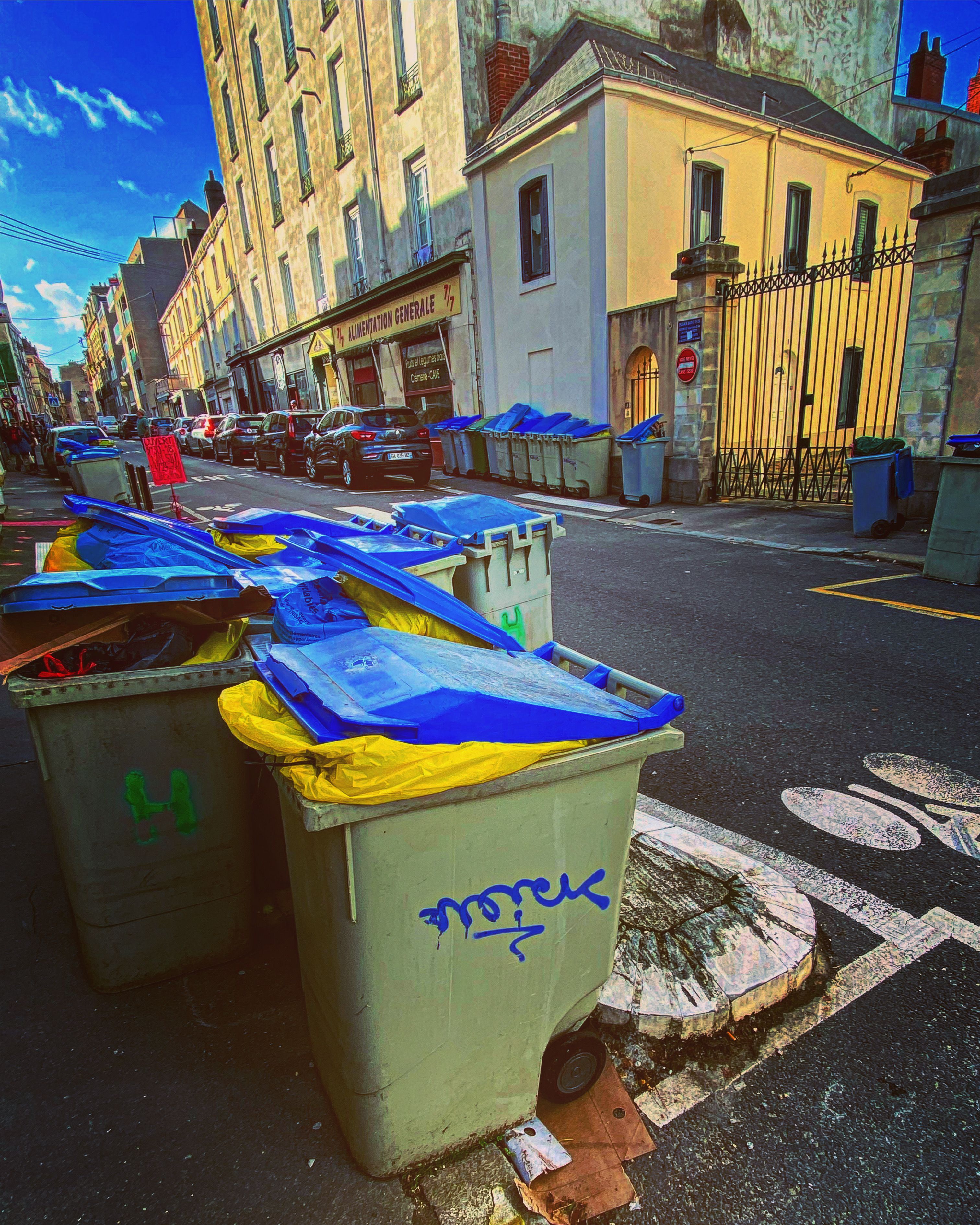
 Keith Christiansen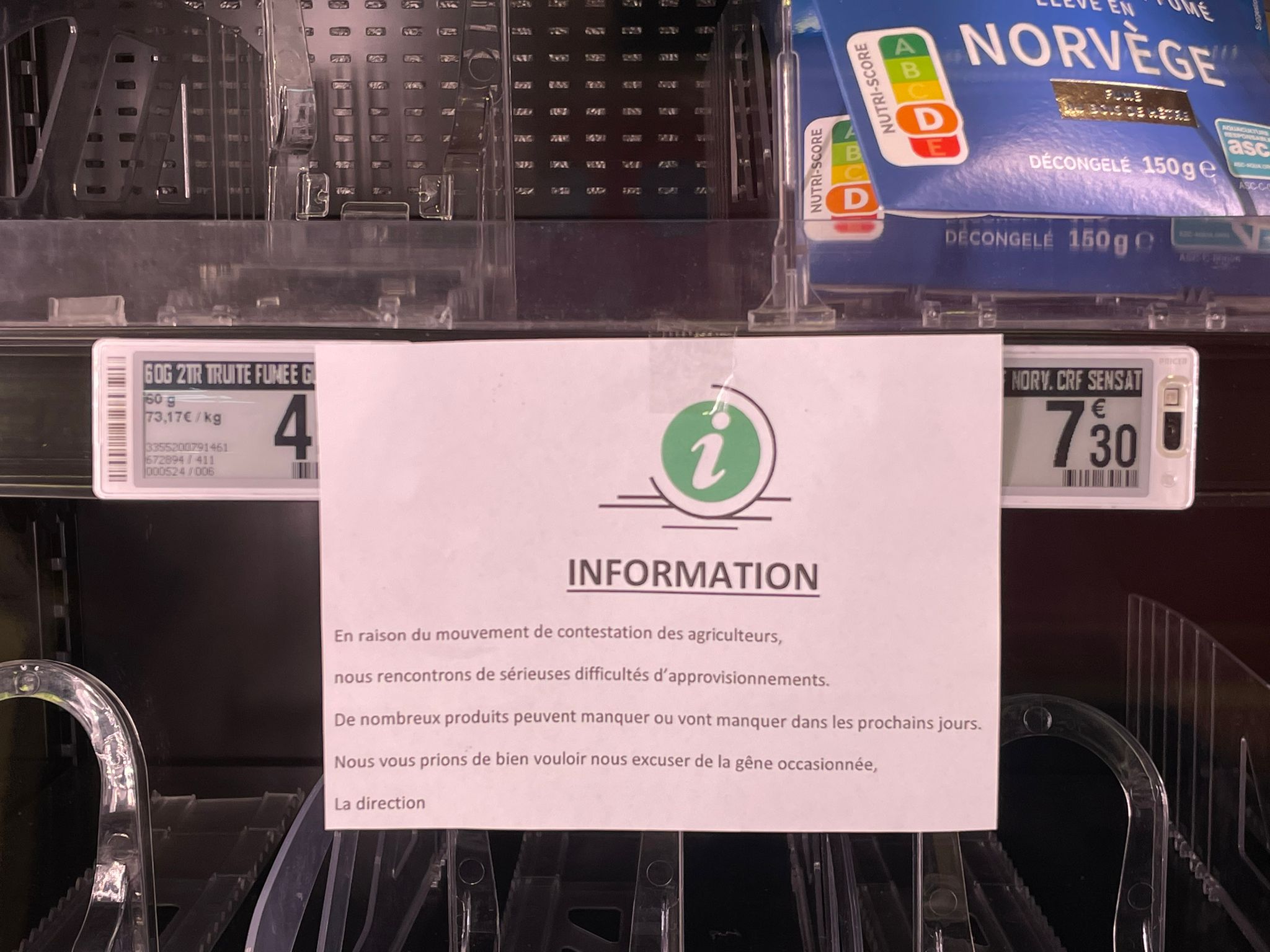
 Keith Christiansen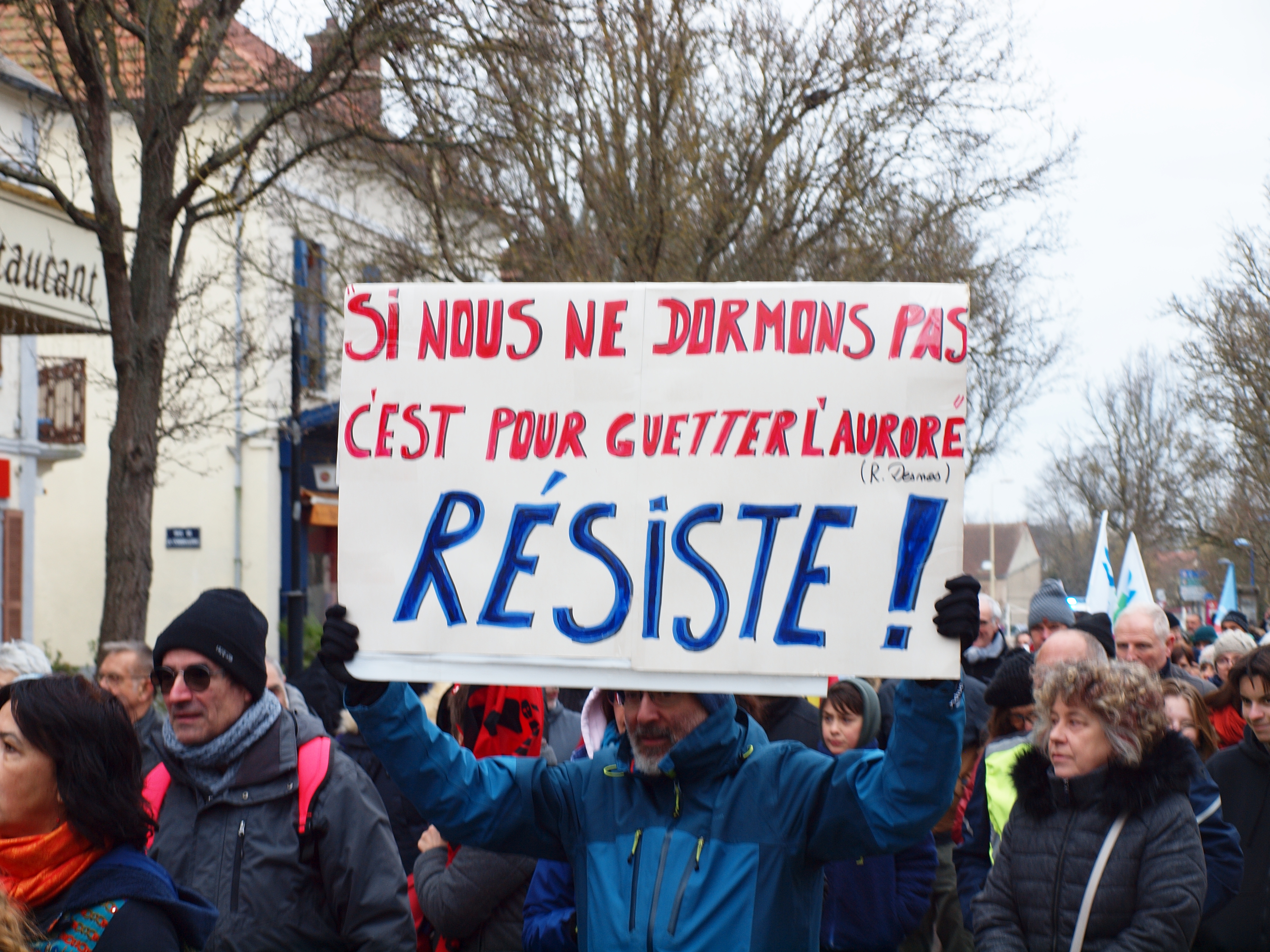
In union terms, they “sold out their unborn” to make a deal: Future teachers would take the biggest hit—reduced retirement benefits, higher healthcare contributions, and fewer protections. A short-term fix for people voting that guaranteed long-term damage. ↩