I’d Be Happy to Be Jackie, O
Jackie O, Human Sexual Response, Boston, 1980

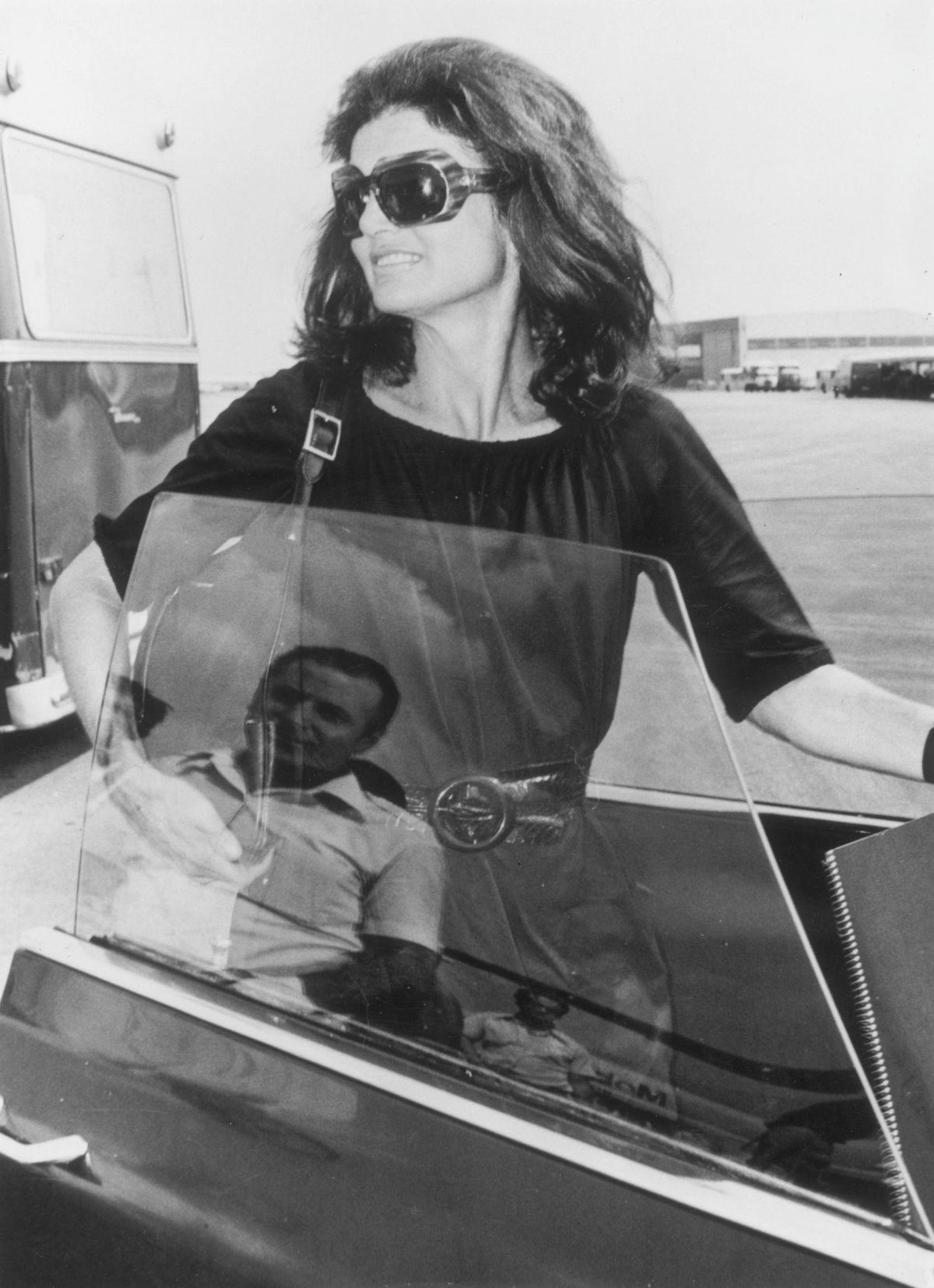
A post-punk band from Boston once wrote a jittery, chantable love song to Jackie Onassis—and she may have shown up to hear it.
That’s either made up or it’s just perfect. Possibly both.
TL;DR:
A 1980 Boston art-punk band, Human Sexual Response, wrote a twitchy, obsessive song about Jackie Onassis—and it’s smarter, stranger, and sweeter than it sounds. And catchy as hell.
Note
This is part of my ongoing attempt to excavate the slush pile before it collapses or just gets lost beneath the next one.
Before I Press Play
This likely has nothing to do with France. Or if it does, I don’t know how.
I should also say—I’m trying to clear out the slush pile. Which makes it sound more curated than it is. It’s a teetering stack of half-finished essays, strange fixations, cultural detours, things I started late at night. and abandoned when the tea went cold or the next shiny thing came along.
March, I think, will be for music. That’s the loose plan. Themed in the way my kitchen drawer is “themed”—everything technically belongs in the kitchen, but the drawer itself is chaos.
If this all starts to feel like too much—too niche, too obsessive, too many left turns—tell me.
K
The Song
Jackie Onassis — Human Sexual Response (1980)
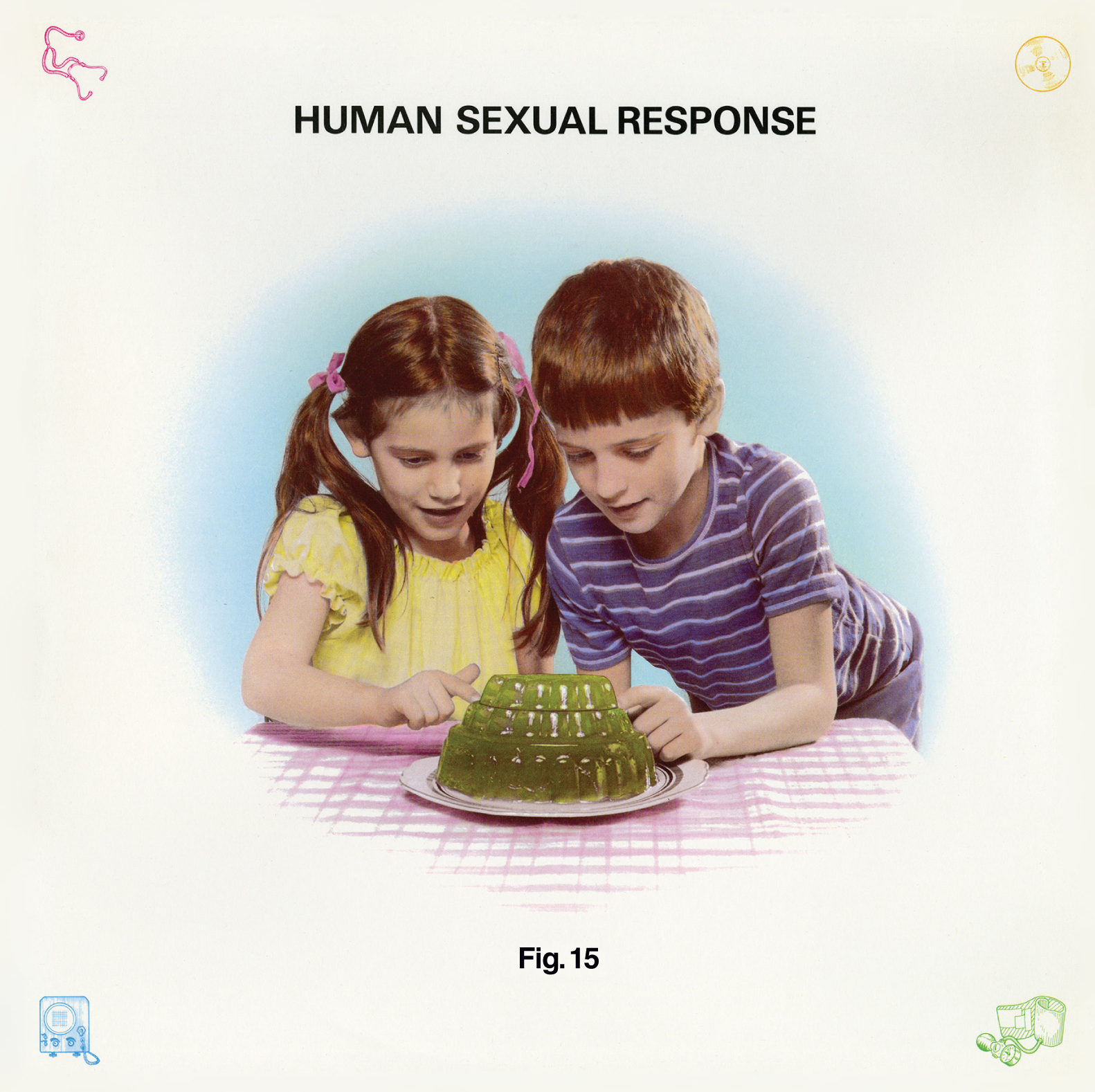
Released in 1980 on their debut album Fig. 14, “Jackie Onassis” captures that sharp, art-school pulse that made Human Sexual Response one of Boston’s cooler underground bands — and there were a lot.
There’s something perverse—and perfect—about a Boston art-punk band naming a song after Jackie Onassis.
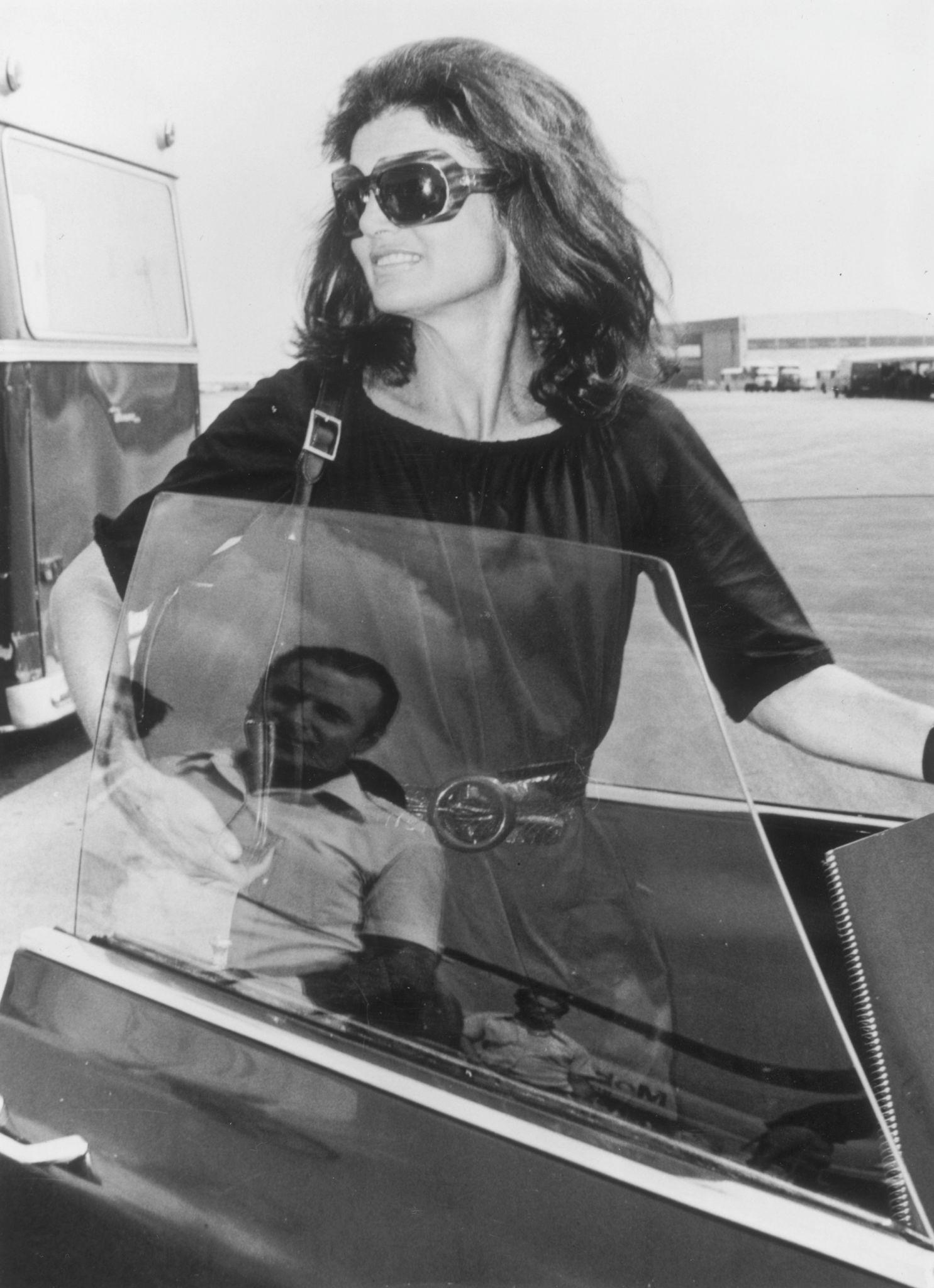
By the time they were yelping her name dive bar microphones, Jackie wasn’t Camelot anymore. She was Manhattan. Huge sunglasses. Moneyed silence. A woman who had already survived the worst thing imaginable in a pink suit and then married shipping steel to make sure she never had to survive anything publicly again.
There’s a rumor she showed up at one of their New York gigs and liked the set. Singer/keyboardist Dini Lamot has said the band was ecstatic. I can’t verify it beyond comments and lore, but I almost don’t want to.
I’d Be Happy
The song isn’t reverent, exactly. But it isn’t cruel either. It’s twitchy, self-aware, oddly biographical. That late-’70s nervous system—sex as static, celebrity as surface, desire as performance art. They chant her like a brand name: I’d be happy to be Jackie, O yeah.
Try not to get it stuck in your head.
Jackie as fetish object. Jackie as high-society armor. Jackie as the unattainable American widow who understood—maybe better than anyone—that privacy is the ultimate luxury.
I love the collision.
To be Jackie
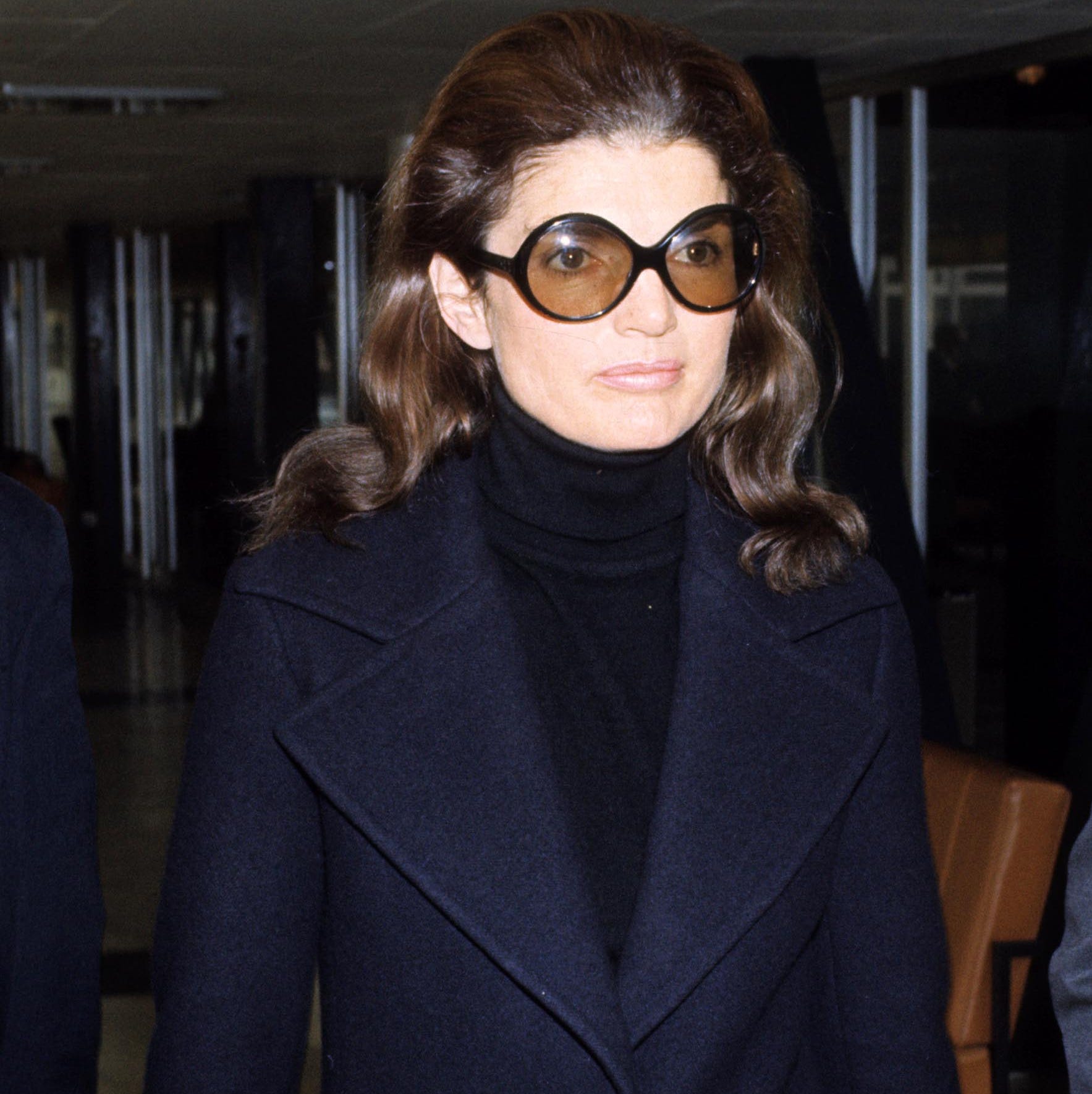
On one side: restraint, couture, the disciplined choreography of grief. On the other: art-school libido, jerking guitars, the idea that saying a famous woman’s name over and over is a kind of transgression.
The 1970s were an odd time in American—after the assassinations, after Watergate—then the kind of punk fantasy of consuming icons and then mock yourself for consuming them. It makes me think of the B-52s & Devo inversion of 50s kitsch & edgy music (more Rock Lobster, less Love Shack).Jackie became both shrine and punchline. Untouchable and overexposed. Sacred and tabloid.
And Jackie, somewhere on Fifth Avenue, probably didn’t even blink.
Oh Yeah
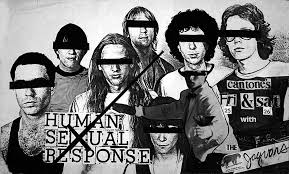
Human Sexual Response surfaced around 1979—angular guitars, yelped vocals, something between punk and new wave and art school, they never quite fit a commercial mold.
But this song stayed with me. It keeps resurfacing, a half-remembered chant from college radio.
extra
A live performances preserved by the Musical Museum of New England, which is a wonderful place to get lost for a bit.
The band, dressed as Nurse Ratched-style nurses performing Cool Jerk. It works.