Some Cities Have Markets Every Weekend. Most of France Doesn’t.
How we built a home, what to know, and where to start
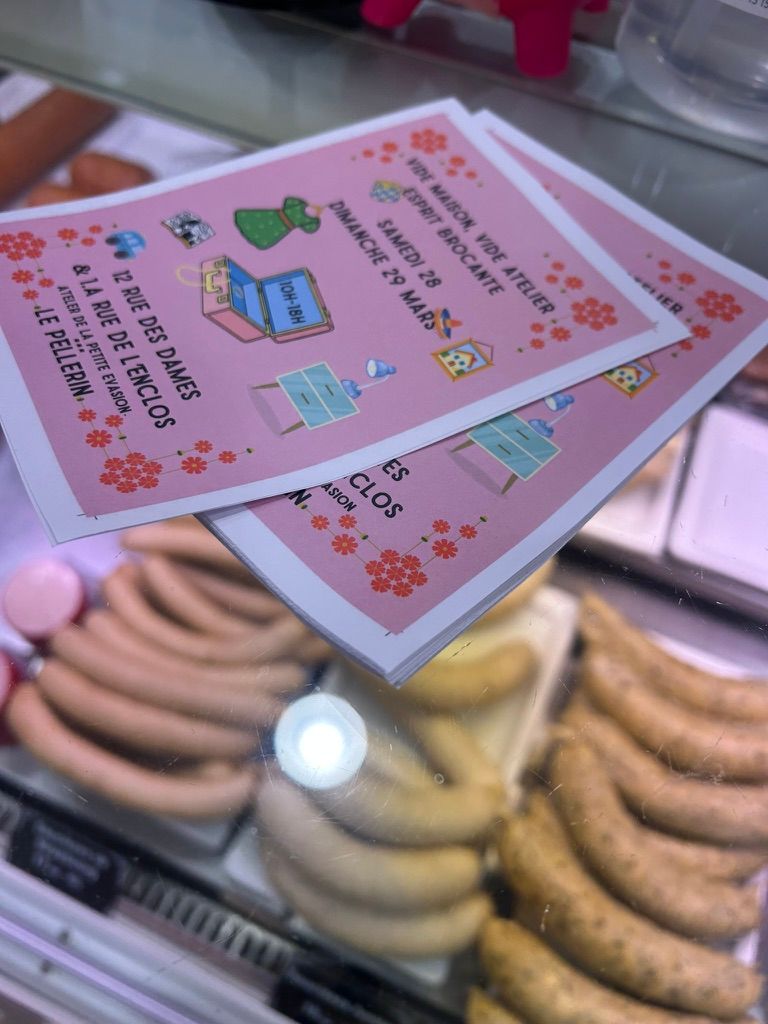
We didn’t ship our lives over. We rebuilt them—slowly, secondhand, and mostly by accident.
bref./TL;DR
- Secondhand in France is local, seasonal, and not the most efficient way to furnish a home, but a unique one
- Markets are social; shops have limited hours; your timing matters
- Online fills the gaps (Vinted, Leboncoin, Emmaüs)
- You learn by doing: language, norms, routines
- It’s less about saving money than building a life, piece by piece
A few places in France have markets all the time. Paris, Lyon, Lille, even Marseille to a degree. You can find something most weekends without trying too hard.
But most of the country doesn’t work like that.
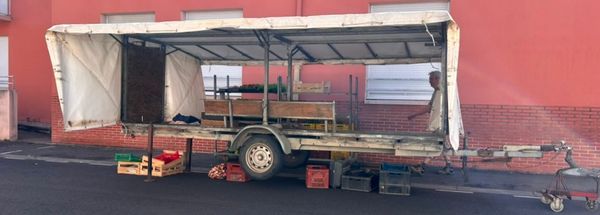
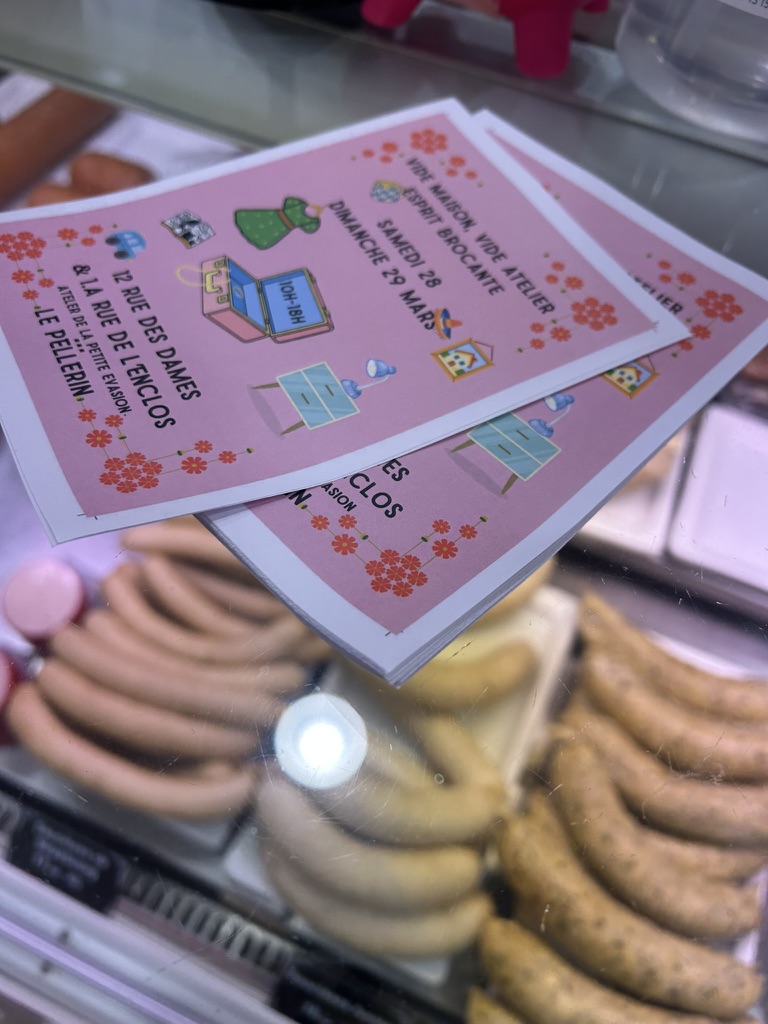
Outside the bigger cities, these are sporadic and seasonal. You wait for them, notice the signs, and go when they show up.
Basics
There are a bunch of posts I have done already
See below for more
Where to go (in person)
- brocantes, vide-greniers, ressourceries — what they are and when they happen
Where to look (online)
- Vinted, Leboncoin, Emmaüs / Label Emmaüs — how people actually buy things
How to do it
- timing, haggling, point relais, and what not to do indoors
What you get out of it
- a house that doesn’t match, but makes sense
What to look for where
- Furniture & household: Leboncoin, Emmaüs, ressourceries
- Clothing: Vinted, friperies
- One-off finds: vide-greniers, brocantes
- Higher-end vintage: Selency
Why it works
You don’t always find what you need.
But you find enough. And over time, it adds up to something that feels like yours.
K
Did I miss anything? Did you find anything this season? Anything more?
Previous posts:
How Secondhand Shopping Works in France
You can furnish an entire life in France without buying anything new—but only if you learn where to look, when to show up, and just how the whole strange system actually works.
 Keith Christiansen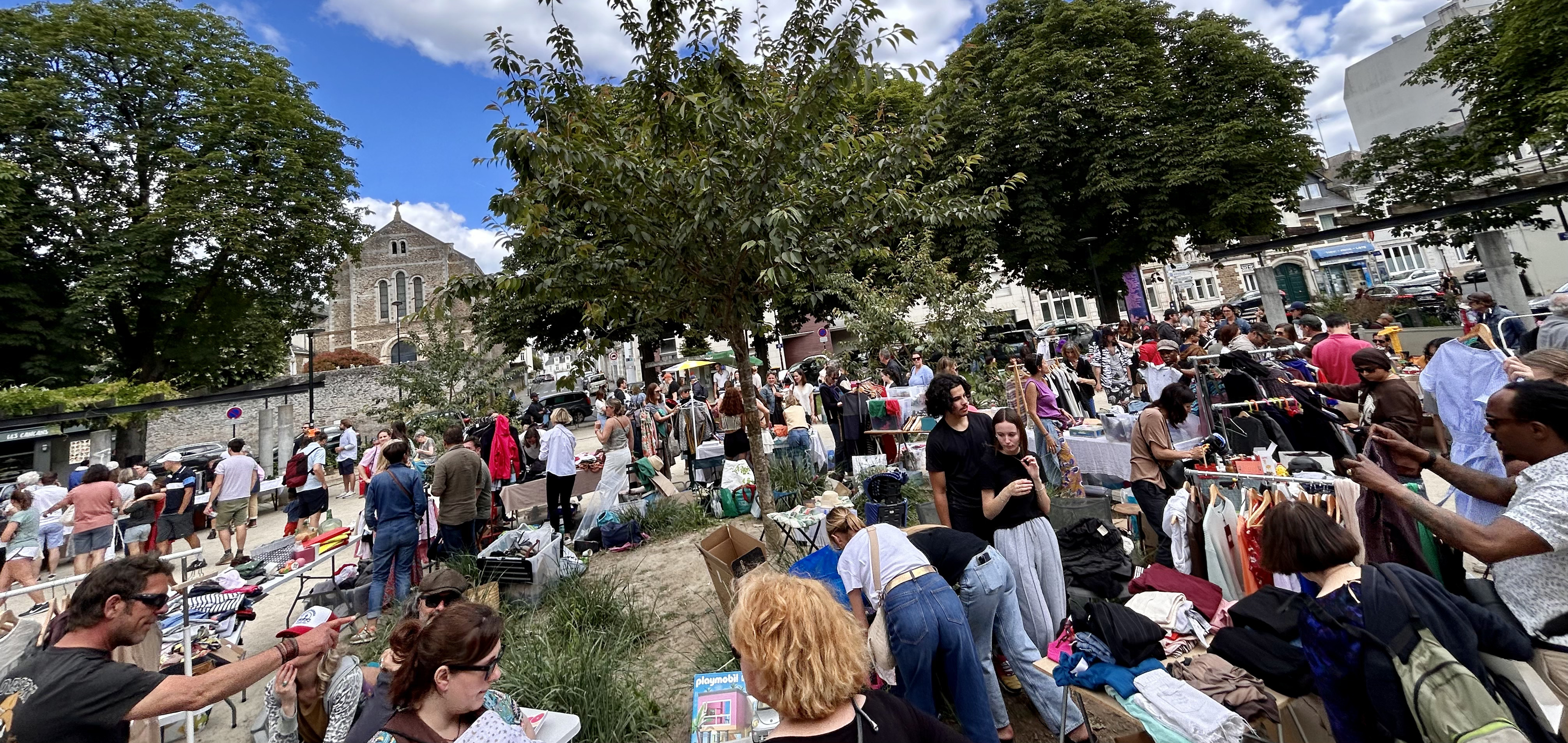
Flea Markets, Brocantes, and Second Hand Stores in France
When we moved from New York to France, we left almost everything behind with the idea that we would buy our things used over here. When we were in cities like Paris & Lyon, the massive Marche aux puces (literally, “flea market”) were incredible, had some great deals to be had - and you could spend a fortune - but they also inspired a whole bunch of other markets and second hand buying opportunities. In the US, these stores are open 5 days a week and the volunteer ones can have odd hours, but in France, there’s a time and a place and even a season for them.
 Keith Christiansen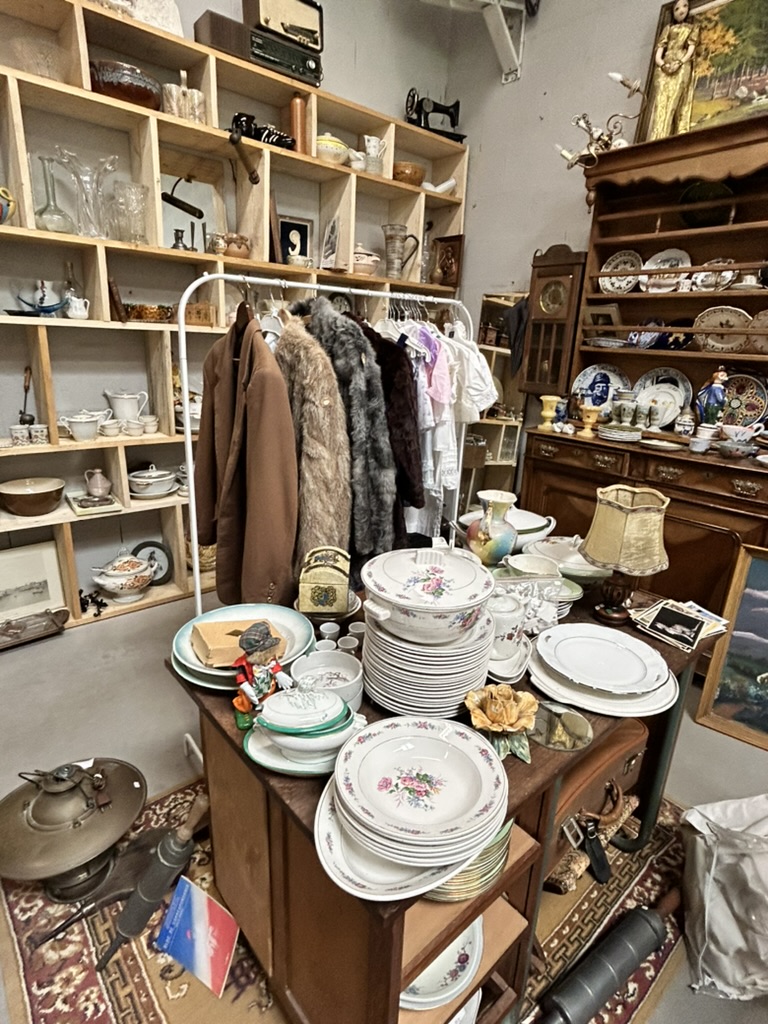
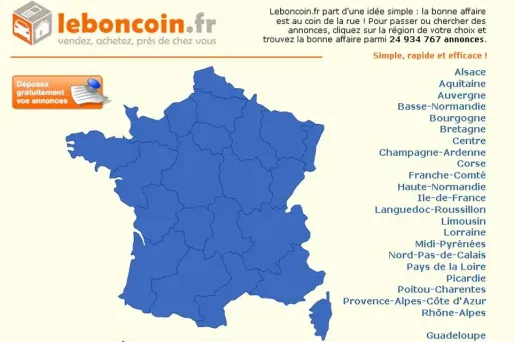
Unlocking the Benefits of Leboncoin: France's Answer to Craigslist
Moving to France comes with a long list of surprises, but one of the more pleasant ones is Leboncoin — the French secondhand marketplace that’s as essential as bread, wine, and a good umbrella (at least near me). Think Craigslist with better furniture, more patience, and a strong dose of French practicality.
 Keith Christiansen