The Future of Music Arrived Early in France
A 1967 ballet, some tape machines, and the moment electronic music learned how to dance.

Every generation thinks it’s inventing the future. In France, the sound of the future arrived in 1967 — part ballet, part experiment, part cultural…something — in Messe pour le Temps Présent: art music that changed what electronic music could do.
TL;DR:
Before electronic music filled dance floors, Messe pour le Temps Présent made lifeless academic versions of electronic music groove. Pierre Henry and Michel Colombier’s 1967 collaboration turned avant-garde and just awkward and bizarre sounds into something almost fun — a noisy, hypnotic number that would echo decades later in Futurama’s theme song.
The Sound of the Future (in 1967)
Every generation has its idea of what “the future” sounds like. For me, I still think it’s some of those 1960s Star Trek effects, but it starts somewhere.
Sometimes it’s a synthesizer, sometimes a strange hum on the radio, sometimes just a rhythm that doesn’t quite fit the time it’s in. In France, that sound first came together in 1967 — part ballet, part experiment, part cultural dare — in Messe pour le Temps Présent.
It was art music before that, stiff and repetitive, but groveless — most experimental electronic sound was still too strange to enjoy.
The Experimental Beat
In 1967, Messe pour le Temps Présent was considered a groundbreaking work that bridged avant-garde experimentation with cultural commentary. Well, considered groundbreaking by some — it wasn’t exactly built for popular appeal.
Composed by Pierre Henry and Michel Colombier for Maurice Béjart’s modern ballet, the album became the most famous piece of musique concrète ever made. Before this, the genre was almost impossible to enjoy casually — fascinating, yes, but rarely fun.
Henry and Colombier changed that.
The standout track, Psyché Rock, was new: experimental music with hypnotic rhythms, industrial tones, and it was ind of playful. It was strange but it was danceable, mechanical but alive. Decades later, composer Christopher Tyng reworked it into the Futurama theme, giving it a kind of accidental refresh.
Loops, Machines, and Controlled Chaos
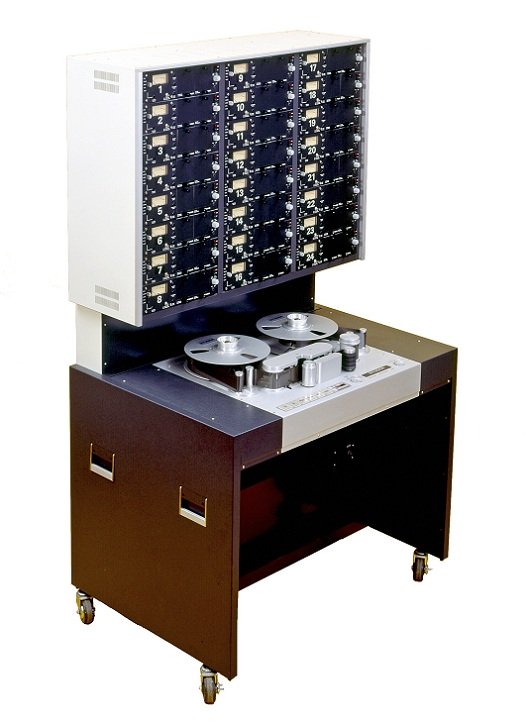
Psyché Rock was built out of tape loops, magnetic splices, and machine noises — real, physical tape that was cut and reassembled. Henry used reel-to-reel recorders, layering distorted tones, orchestral fragments, and early samples into overlapping patterns without MIDI or sync tools.
It was messy, but it was also intuitive — and ahead of its time. The types of sound structures all had to be physically built by hand then worked back into devices sometimes custom built to make only a few sounds. Physical computing was radically different than what can easily be done with software today.
Steve Reich’s It’s Gonna Rain (1965) explored similar ground, using repetition and sampling to turn speech into rhythm — and that rhythm into abstraction. Both artists were exploring if machines could make emotional music.
That work still echoes through everything from Daft Punk to Björk to Radiohead..
The Ballet and the Era
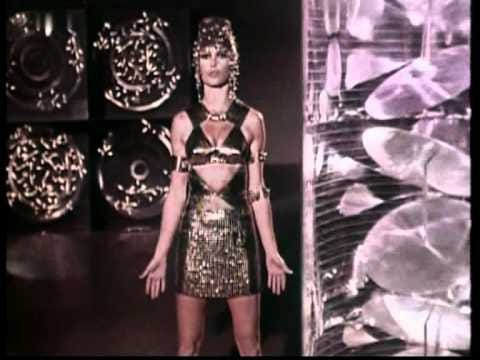
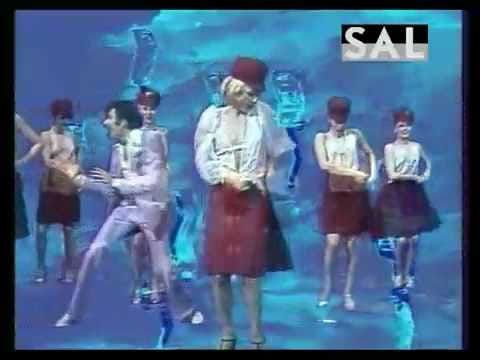
Béjart’s ballet was an avant-garde, plot-free exploration of modern life — fragmented, restless, searching. On stage, dancers moved to Henry and Colombier’s pulsing electronics; on screen, the video for “Psyché Rock” added surreal touches, with meter-maid costumes and half-ironic striptease as a metaphor for liberation.
What was allowed to pass as liberated or edgy back then feels more cringe now, but it’s still a fascinating cultural artifact — a window into how some people in the 1960s imagined progress, gender, and rebellion.
From Ballet to the Future
Messe pour le Temps Présent didn’t chart, but it lingered and influenced generations of composers, from Jean-Michel Jarre to the architects of electronic dance music. What began as an experimental ballet soundtrack became a cornerstone of modern sound — proof that even the strangest cultural moments can leave echoes in the mainstream.
In the end, that’s what fascinates me: an awkward, noisy experiment from 1967 became the soundtrack to a cartoon about the future and a basis for techniques that launched the most popular music genres in the world today.
It’s a reminder that culture always moves in loops as well & the boundary between the weird and the wonderful is thinner than we think.
The ballet of Messe pour le Temps Present itself was a disjointed plot-free avant-garde “exploration of themes of modernity," but Henry and Michel Colombier also created an electronic piece of danceable music that foreshadowed the future of electronic sound.
never a hit
Musique concrète was still too strange for mainstream audiences — France in 1967 was dancing to Claude François, Johnny Hallyday, and Sheila, not tape loops and feedback.
Though to be fair, Sheila’s Adios Amor still holds up.
[ed note: yes, I do think I am becoming a Sheila fan.]
Extra Stuff
Messe pour le Temps Présent gained a cult following largely thanks to “Psyché Rock” — and this video itself is a perfect time capsule of the era’s technology used to make the song, full of tape-loop distortions, flickering visuals, and analog experimentation that feel both dated and strangely futuristic.
More like this.
 Keith Christiansen
 Keith Christiansen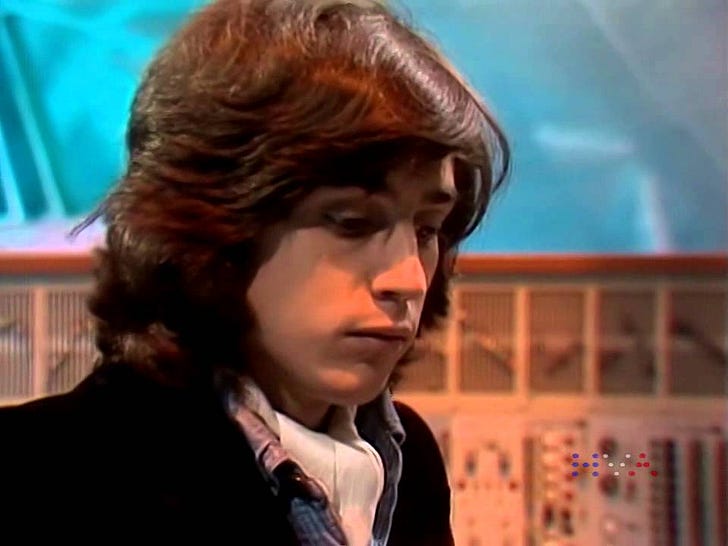
 Keith Christiansen