The Internet Isn’t a Place Anymore
Leaving America, building again, and living in beta

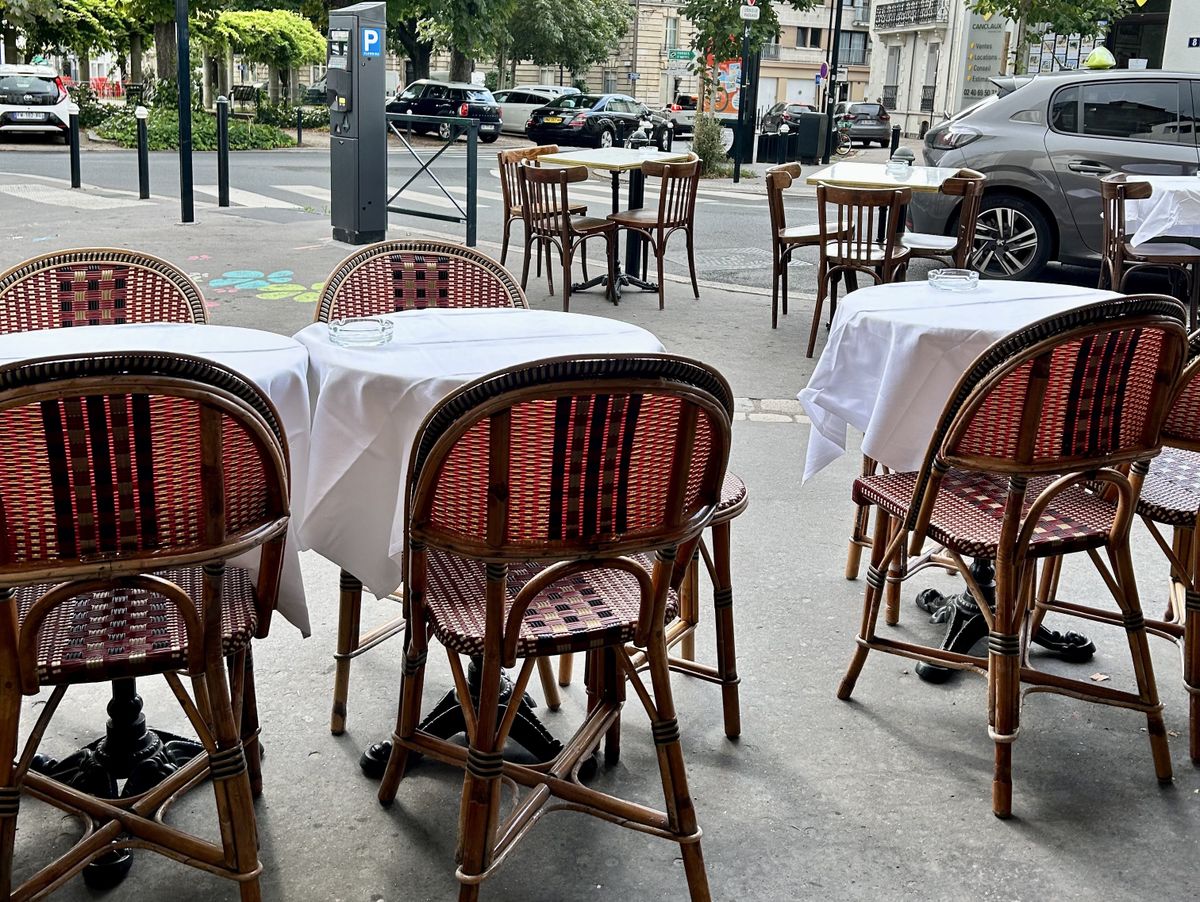
I didn’t leave the U.S. because of one thing. I left because too many systems started to feel brittle at the same time.
That was four years ago.
It’s been a long four years.
I’ve been trying to make sense of what it means to build a life again in a new country while everything else—technology, the economy, even memory—feels unstable.
This isn’t a guide or a manifesto.
It’s an attempt to hold a few moving pieces up to the light: leaving the U.S., settling in France, teaching inside systems that no longer work the way they claim to, and watching the Internet change in ways I didn’t fully anticipate.
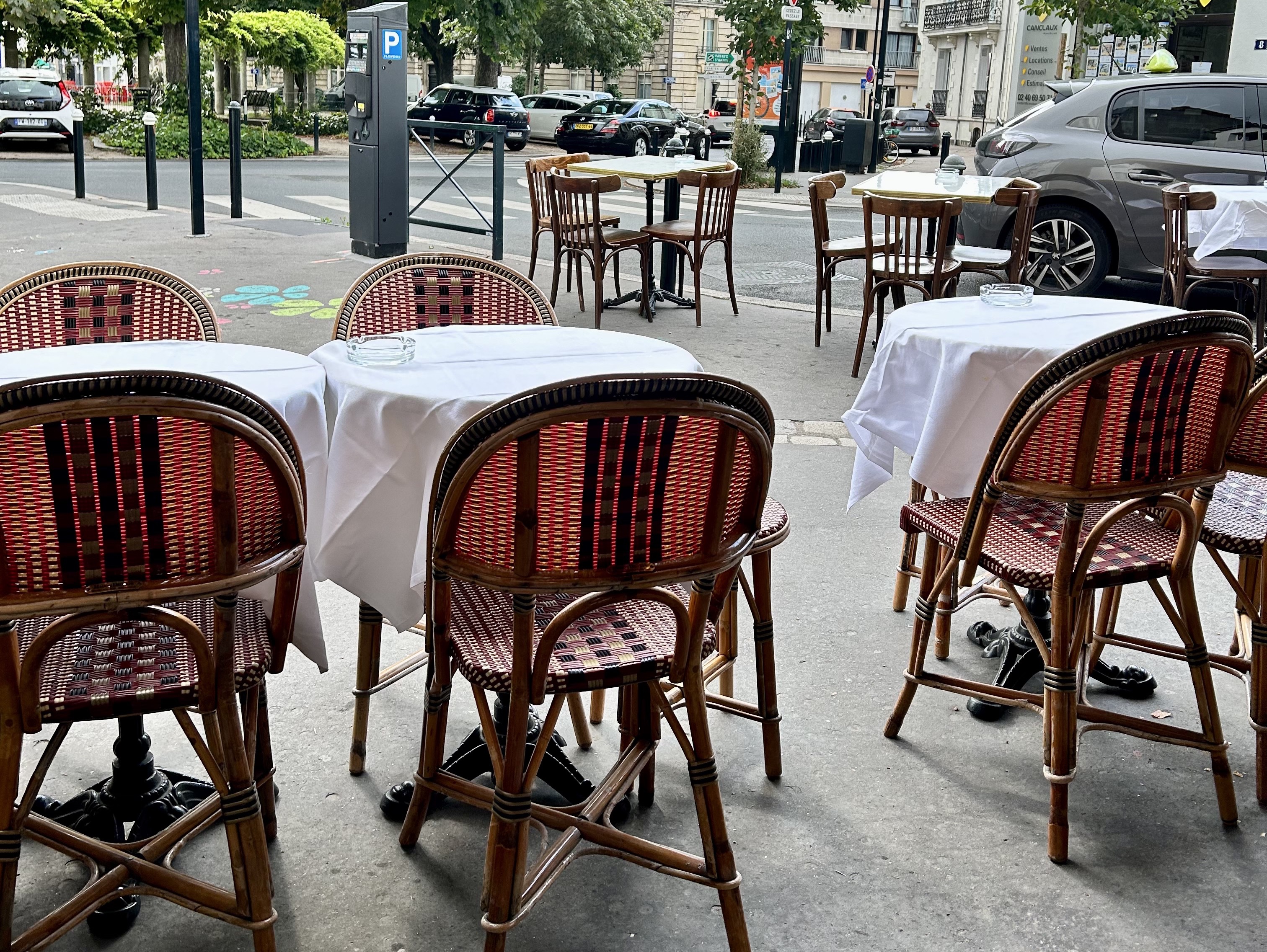
Technology. Time. The future. France.
We’re in the middle of a lot right now, and I’m not sure we’ve fully absorbed that yet. By we, I mean my wife and I—but also you, me, anyone trying to stay upright while things shift underneath us. Something has changed, even if we don’t all have the same words for it.
Change announces itself loudly. Decay doesn’t. It shows up as friction. As exhaustion. As the sense that what used to hold things together doesn’t quite do that anymore.
This piece sat in my drafts for months. I’d open it, reread a few lines, then leave it.
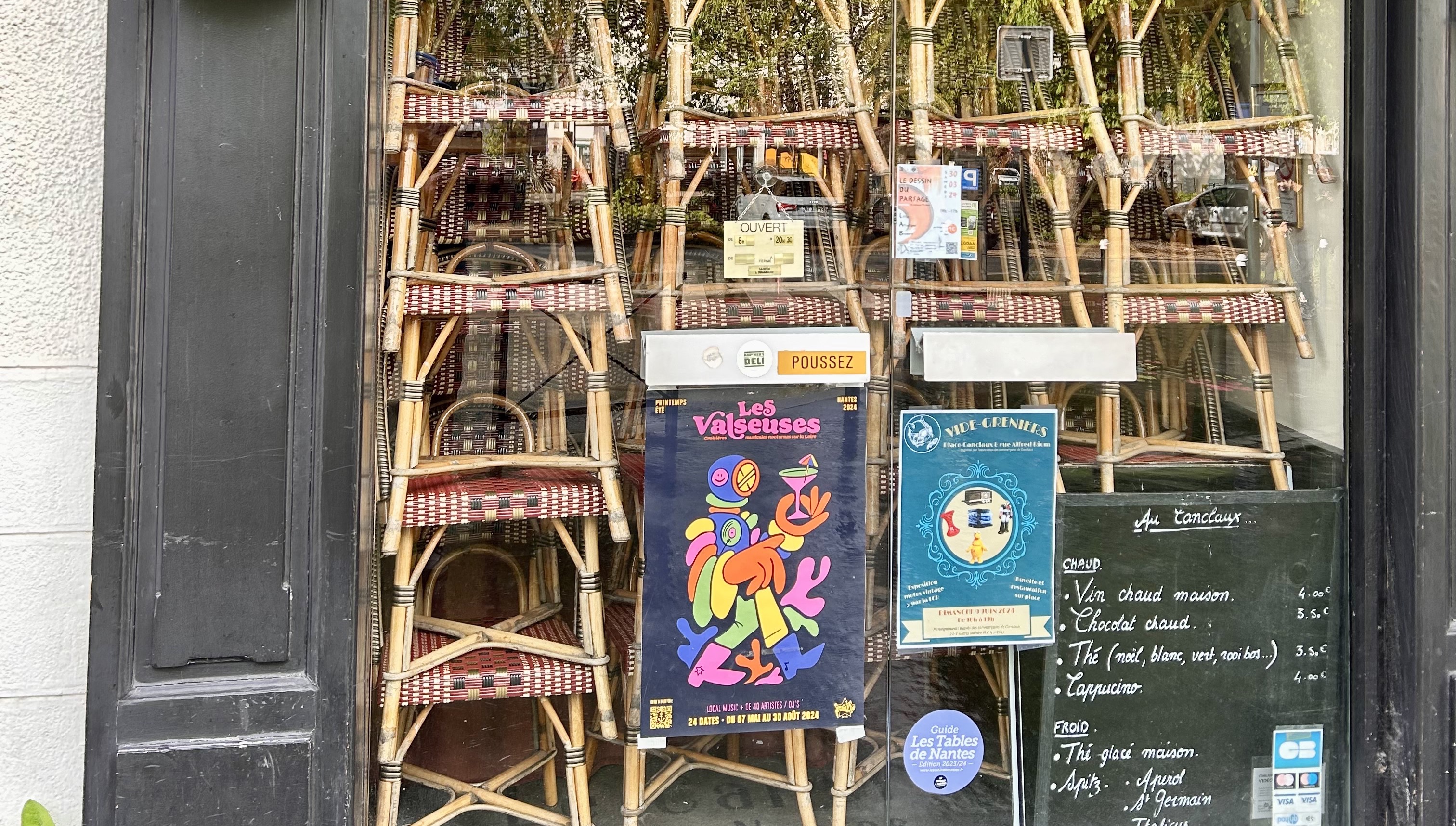
Individual Experiences May Vary
Living in France hasn’t fixed our problems.
What it’s done is lower their volume. My days feel less defensive. Fewer systems are constantly asking something from me. Conversations slow down.
Even when the bureaucracy is maddening, it follows rules you can learn. There’s more waiting, more friction—and somehow, more room for us to breathe.
It isn’t easier, but it is.
It’s quieter (which is occasionally maddening), but that quiet leaves space to rebuild.
France makes you wait. And in the waiting, some things take shape. Others take care of themselves. And some things, you realize, don’t need your attention anymore.
Maybe it’s just distance from problems I used to be unable to avoid.
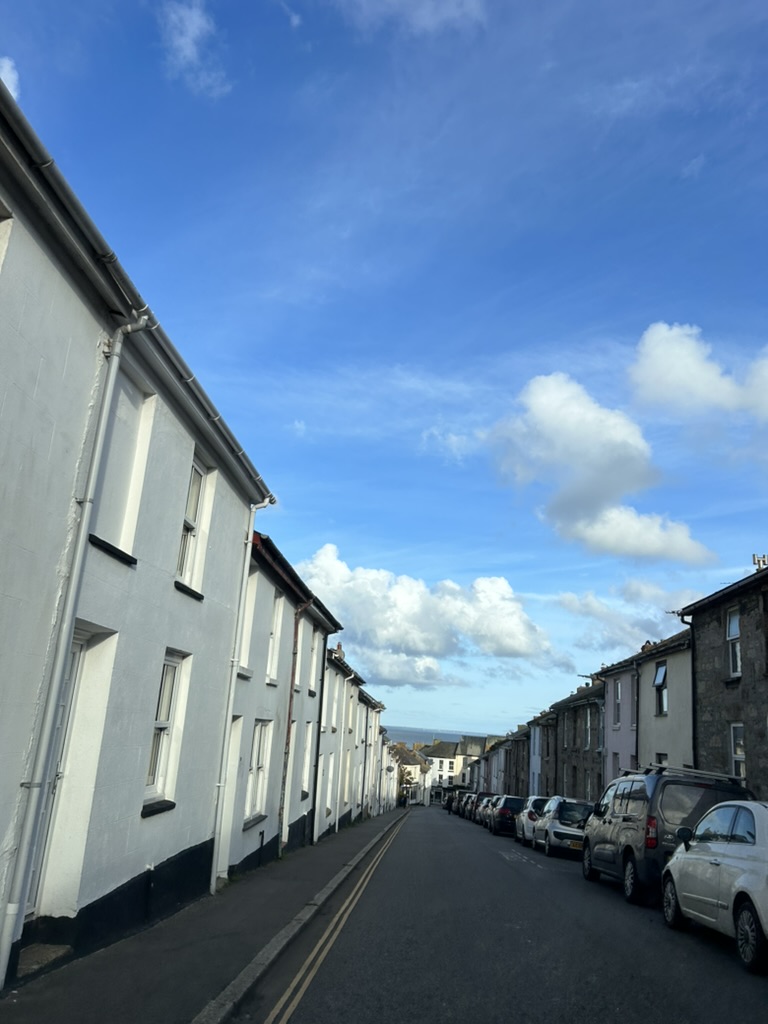
We’re still in beta.
They’re going to change the Internet itself.
I said it to a friend after the last election. We were drinking basic beers at a wobbly table. The air was cold. Someone was smoking “outside,” which meant in the doorway.
Someone asked me a question about the U.S. I think I was supposed to be answering a political question—something about policy or the usual roster of bad actors.
Politics are suddenly exciting again, even if I would prefer to look elsewhere for drama and comedy.
But that’s what I said.
The Internet has been changing for a long time.
It’s a messy system.
The internet is not very good for us, or for the planet.
But it’s very useful.
It was never built to carry this much weight, and in places it’s surprisingly fragile—propped up by consolidation, shortcuts, and the assumption that things will just keep working because they always have.
Even if “always” is only about twenty years.
None of this is abnormal. This is the system doing what it does. People have been warning about the risks of consolidation for years.
The surprise isn’t that it’s happening. It’s that we keep acting like it hasn’t happened already.
Zuckerpunch The Snuts (2022)
Zuckerpunch by The Snuts, a four-piece indie band from Whitburn, a working-class town in West Lothian, Scotland. They came up together as teenagers and hit UK success as social media saturation peaked. The song is a swipe at the attention economy, an unsubtle nod to Zuckerberg and the psychic toll of living online. This is a band shaped by small-town life, touring vans, and the pressure to perform constantly, onstage and on-screen. There’s also a bit of nostalgia for a version of the internet from ten years ago, when it felt lighter, less extractive, and easier to step away.
The Internet Isn’t a Place Anymore
U.S. data has been tampered with in serious ways, and we don’t yet know what the consequences will be.
The Internet used to feel like a place—something you could enter and leave. Maybe even something safer than the world around it.
Now it feels like a force. A nervous system designed by too few hands. It’s no longer just a tool or a place to post; it’s the terrain we live on, the medium through which most of our experiences pass, filtered and optimized by people we’ll never meet.
When people talk about “efficiency,” they usually mean speed without friction—impatience disguised as progress. For many of us, efficiency is really just about trying to understand what the hell is going on.
None of this is new. It’s been warned about for years. But it feels new because we’re only now living inside the consequences.
We’re still operating in someone else’s beta version of the future. We treat it like gravity—stable, inevitable.
It isn’t. It’s brittle. Held together by fragile agreements, unpaid moderators, and largely unregulated platforms.
Up close, it looks less like solid infrastructure and more like a luxury beach resort in a developing country, or even in Atlantic City: polished on the surface, walled off from what’s crumbling behind it.
Send this to someone. It’ll make you seem thoughtful and smart!
When Infrastructure Becomes Personal
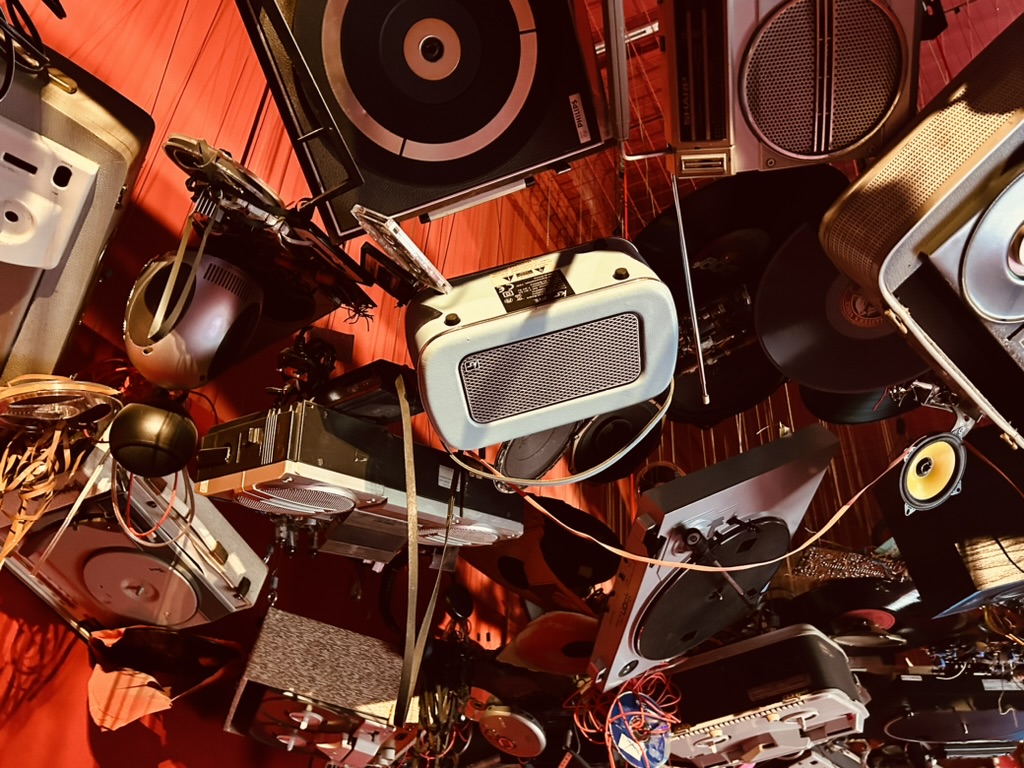
For something with no central authority, the Internet has been strangely reliable. Almost unsettlingly so. But that reliability starts to look thinner once the most critical parts of it—search, storage, identity, infrastructure—are consolidated under a handful of companies. It’s hard to keep calling something “decentralized” when five firms effectively hold the keys.
And that isn’t theoretical. It’s already happening.
This isn’t a metaphor.
When we left the U.S., it wasn’t because of a single event. It wasn’t a protest or a final straw. It was erosion. A slow drift. A growing sense that something in the fabric of daily life—trust, maybe—had started to come apart, and that no one with real power was especially interested in repairing it.
I used to live in New York. I still love it, the way you love someone who stopped being safe for you.
But New York, like America more broadly, became a place where survival started to feel like a full-time job. Not just financial survival. Emotional, cognitive, civic survival. Staying alert inside a system that seemed designed to wear you down.
Whether or not that system was intentionally built that way doesn’t really matter. It hasn’t been fixed. And we place an enormous amount of faith in the idea that it will keep working. That kind of trust can carry a lot of weight—until it can’t.
It’s a bit like buying a car and suddenly noticing the same model everywhere. Once the lens shifts, you can’t unsee it.
I never realized there were so many Hondas.
That moment—fuck this—first showed up for me at work. Then it started appearing elsewhere. In smaller places. In ordinary interactions.
And like a reasonably priced mid-sized sedan, my reasons to say “fuck this” in the U.S. were suddenly everywhere I looked.
The Marketplace Is a Terrible Editor
For years, my Gmail signature read:
“This message was sent on a corporate device over corporate networks.”
People assumed it was ironic. Some kind of self-aware, tech-skeptical joke. It wasn’t. I meant it.
Everything we do is tracked, packaged, and sold back to us. We traded agency for convenience and barely noticed it happening. Then we started celebrating it. People brag about their devices as if brand loyalty were a philosophy.
Some of this is shifting. But changing our tools means changing ourselves, too—habits, expectations, the way we think about choice.
The dystopias didn’t predict this part: that we’d be proud of our own surveillance. That we’d line up to pay for it in our favorite color. Orwell, Huxley, and Zamyatin didn’t account for the marketing department.
We act like we’re choosing. Most of the time, the choices are staged. Structured. A menu, not a decision. What kind of surveillance do you want today—Google-flavored or Apple-polished?
And this logic doesn’t stay on the screen. It leaks. It shapes policy. The economy. Elections. Relationships. Attention spans.
We’re not just users anymore. We’re the product—and the feedback loop.
Tomorrow Will Be Harder
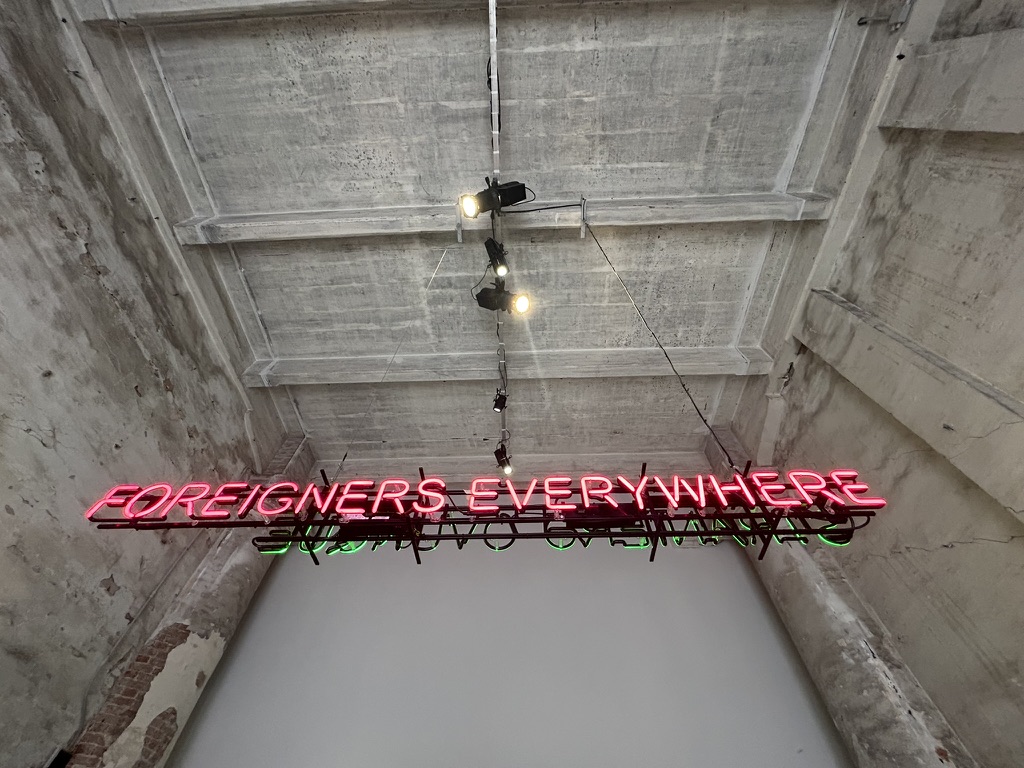
A few months ago, I was about to transfer money between countries. The exchange rate wasn’t great, but it was workable. A few weeks later, it wasn’t. The difference was a year’s rent.
Gone.
That’s not metaphor. That’s math.
We’re not rich—not in the way people imagine. We’re privileged, yes. But not immune. We’re building a life here one decision at a time, and every economic wobble, every market tremor or credit downgrade, lands directly on those decisions.
When people say things like “the U.S. dollar is losing its status,” what they usually mean is this: your future plans will be altered by a decimal point.
France, like any country, responds to U.S. policy. Nationalism spreads like mold. One country boards up its windows, and the neighbors start checking their locks. Markets respond badly and quickly, often before anyone has time to explain what just happened.
There’s a phrase I keep seeing lately: Bankruptcy happens slowly, then all at once.
That feels true for trust, too.
What Teaching Taught Me About the Future
Most of what I believe now was forged in classrooms. Not the ones I sat in—the ones I stood in front of.
Teaching makes you honest, fast. Kids know when you’re bullshitting. Maybe they don’t always say it out loud—though sometimes they absolutely do—but they know. You can’t fake it. You can’t wing it for long. If you haven’t thought something through, the lesson collapses, and forty-three minutes has never felt longer.
You’re the model whether you want to be or not.
What no one really tells you is this: the systems that claim to support teaching almost never do.
They say the right things. Support our teachers. Teachers are heroes. It’s bumper-sticker safe. But when you look at what actually happens, it’s either nothing—or it’s actively harmful. Mentally. Logistically. Sometimes spiritually, if you’re still using that word.
They manage. They audit. They pile on new requirements, new platforms, new acronyms. One more training. One more tool. One more impossible expectation layered on top of the ones already crushing the work.
What they don’t protect is the part that matters.
They don’t guard the space between a student and the adult in the room—the adult trying, however imperfectly, to help that kid believe in something bigger than the moment. Bigger than the noise. Bigger than the version of the future they’ve been handed.
I used to say that walking into a well-run classroom was like walking into a room with a floor. You don’t think about it at all—until it’s gone.
That connection is the whole job. And it’s the first thing the system puts at risk. Every time.
That’s what’s been so corrosive over the last decade. We elevated spectacle over structure. We trained kids to trust algorithms more than adults. We made curiosity look naïve. Or worse, obsolete.
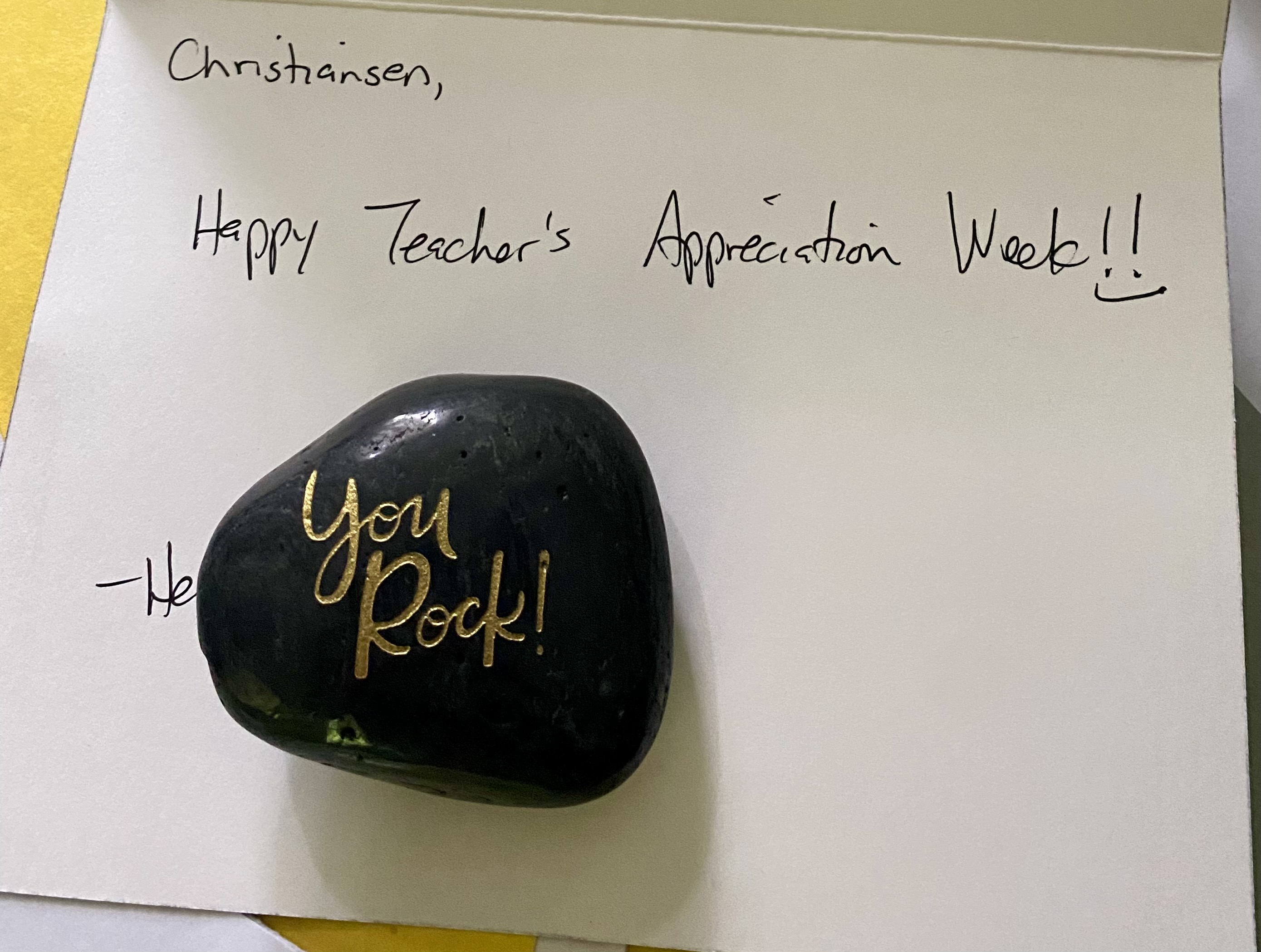
And still—good teachers show up. Even when the system makes it harder. Even when they’re treated like the problem. Even when the policies and the paychecks say otherwise.
That kind of stubbornness—the refusal to quit on kids while everything else is fraying—is one of the few things that still gives me hope.
But even stubbornness has limits.
The Complications We Choose
France isn’t utopia. It’s a compromise. But for now, it’s a better one.
Here, life feels a little less extracted. Not dramatically. Just in the daily rhythm. My data feels slightly less exposed. Conversations feel more human. Even the bureaucracy, for all its absurdity, operates by rules you can learn rather than whims you can’t.
It isn’t easy. The language still trips me up.
The silences in social settings still feel strange.
But we chose this. And choice matters—especially when so much else feels imposed.
Because this isn’t only about where you live. It’s about how you live. Who gets to interrupt your day. What kinds of interruptions you accept as normal.
What Still Connects
I do keep thinking about it:
They’re going to change the Internet itself.
Maybe they are. But we get to change, too. Not the infrastructure, but our relationship to it. The conversations we have inside it. The attention we decide to protect.
The Internet isn’t a place anymore. It’s a nervous system—frayed, overstimulated. And yet, it’s also a part of our lives now..
It’s also a utility. And like many public utilities, it’s quietly degrading—losing data, by design and by neglect.
We keep acting like it’s complete. Like the foundation is solid. Like it’s safe to build entire lives on something that was originally designed to move academic PDFs and sell books online.
It isn’t. It never was.
Living well inside it is like trying to have a healthy relationship inside a casino. No windows. No clocks. Everything calibrated to keep you scrolling, clicking, betting your attention. And the house always wins—because the house is your data, your dopamine, your entire search history.
And still, we keep building. Posting. Swiping. Performing entire versions of ourselves.
Not a Platform. A Room.
The Internet is fragile.
Not just technically—though yes, one bad DNS error and the whole thing starts coughing—but philosophically. Ethically. Emotionally.
It was never ready. Just deployed. Like beta software that somehow became the operating system for everything.
My nephew told me recently that a friend of his can’t get a second date because he doesn’t have any social media. That alone would have sounded strange not that long ago.
Now we’re trying to conduct our emotional lives inside these systems. As if they were spiritual infrastructure. As if Instagram could hold grief. As if group chats could replace ritual.
They can’t. Not fully. Not reliably. Not yet.
But some things still work.
Each other.
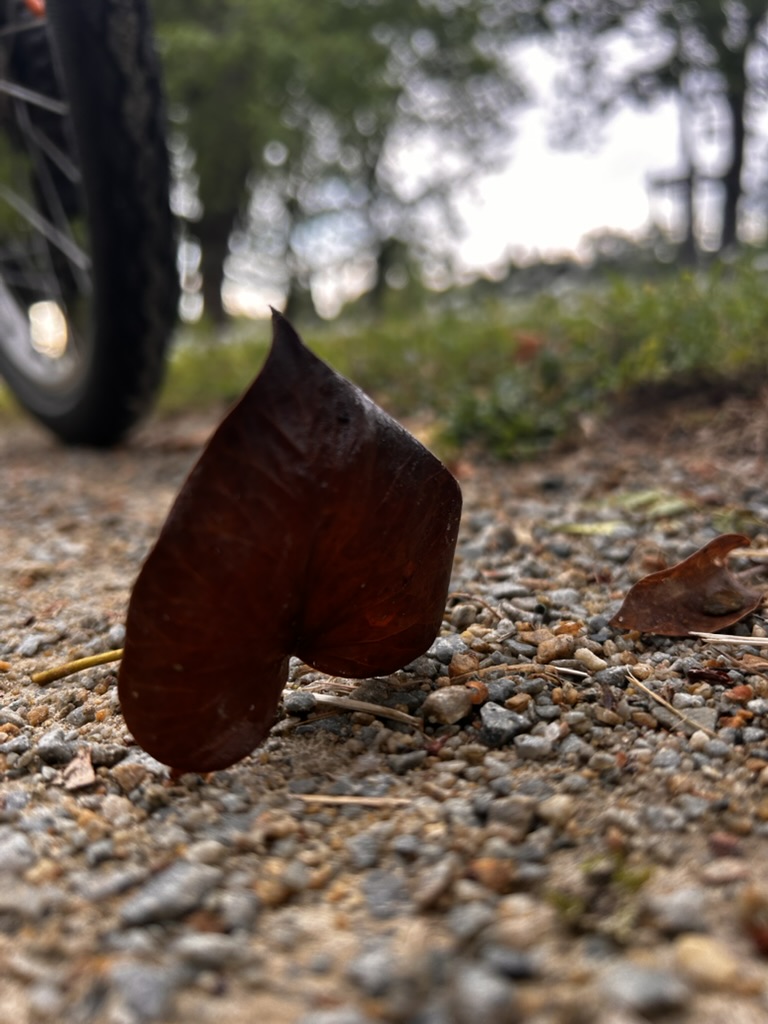
Not sentimentally. Just in the ordinary ways: conversation, a nudge, a song link, a paragraph that unsettles something you thought you had settled.
Most useful things in my life have come from other people. From talk. From bumping into someone else’s better idea and revising my own. From someone saying, “Hey—have you read this?”
working notes
If this resonates, this is the work I do here.
I write through unfinished things—life between countries, work after teaching, money, technology, and the small adjustments that don’t fit into advice columns or hot takes. The pieces you gather slowly, the ones that help you understand a place by living in it.
I’m not here to sell certainty. I’m trying to stay honest about what I’m noticing while it’s still in motion.
If you want more of that—essays like this, notes from France, the occasional question that lingers—you can subscribe. Free or paid. Or not.
Either way, I’m glad you’re here.
k
So now I’m curious.
What’s something that changed your thinking this year?
Not in a dramatic way. Maybe it was a book, a podcast you didn’t expect to like, a conversation that lingered. Maybe it was a mistake that taught you more than you wanted, or a feeling you can’t quite place yet.
.