The Rooster, the Frog, and the City People Who Sued Them
How France’s “Sensory Heritage” law became a battle cry for the countryside

Sometimes the fiercest cultural wars in France aren’t about strikes, religion, or politics—they’re about frogs, roosters, and tractors. Behind the absurdity lies a real question: what happens when people craving “rural peace” discover that peace has a sound?
Or really, it’s about city people in country places making bad choices for their new neighbors.
Sounds of French Nature
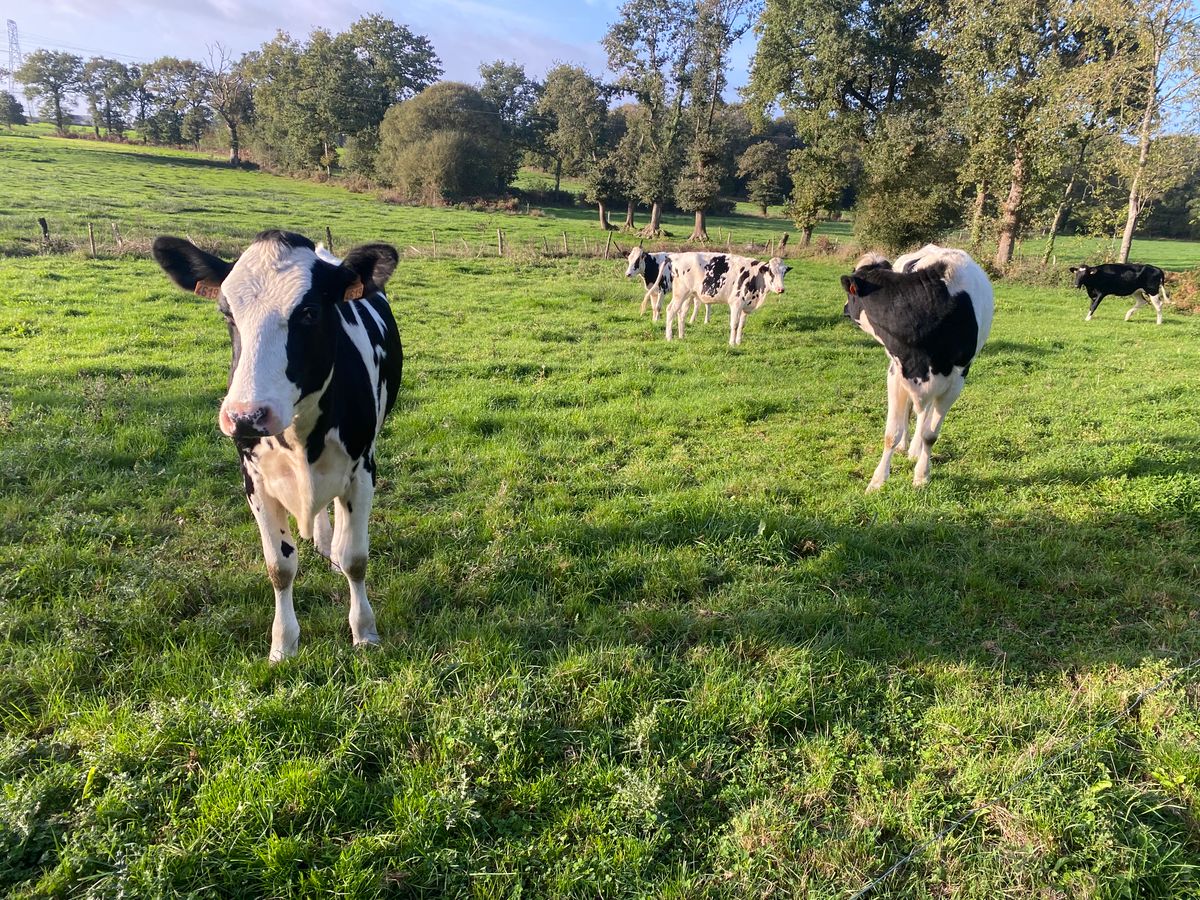
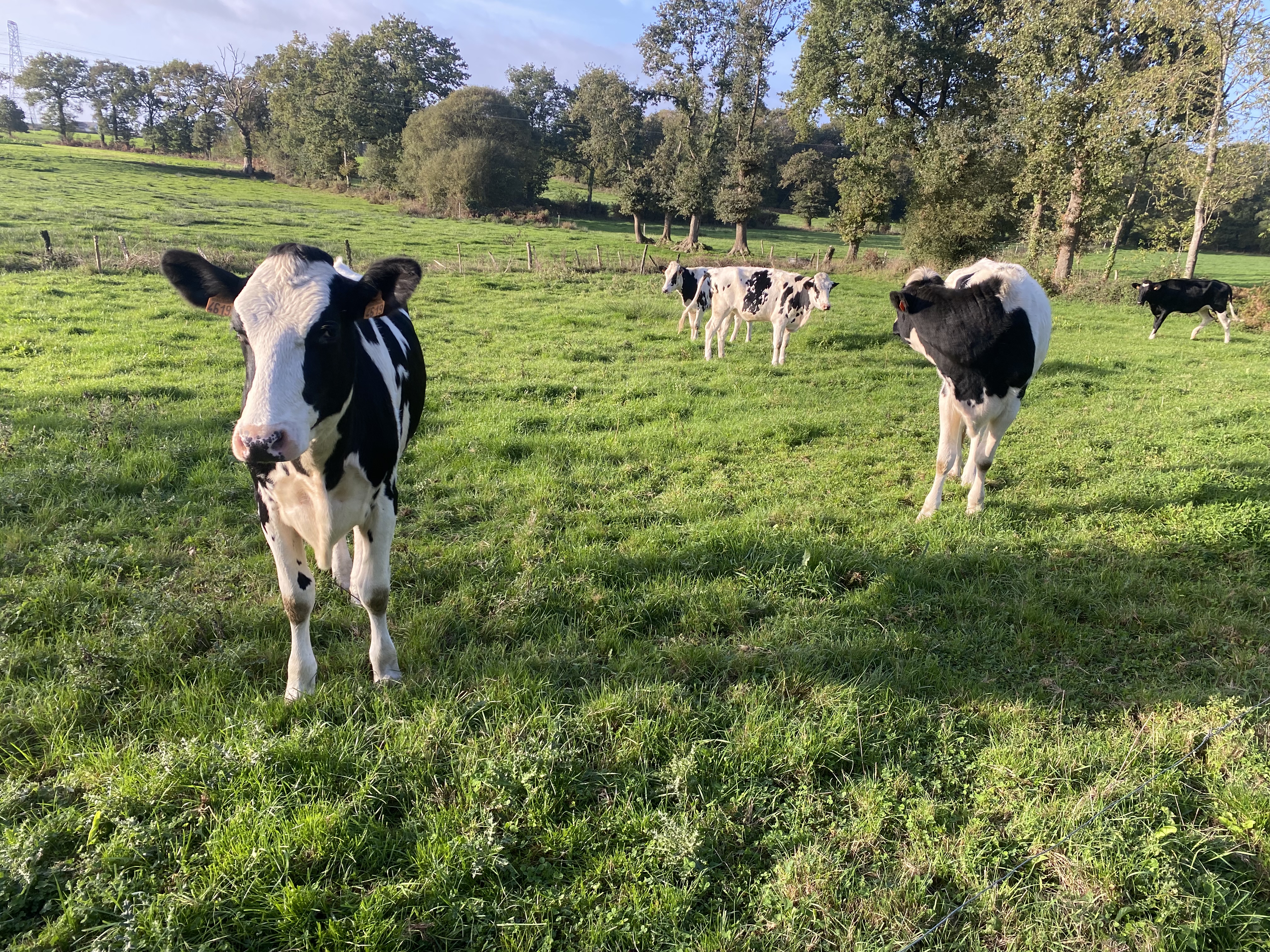
France’s idyllic countryside has always been synonymous with its distinctive sounds—cows mooing, roosters crowing, and the occasional frogs. Many urbanites, um, bring expectations of quiet that clash with the natural rhythms of farm life.
To be fair, the deep, velvet quiet of a rural French night is unlike anything I’ve heard anywhere else—and I’ve been to 40 countries and some truly deep country.
Still, complaints about rural noises have overwhelmed French courts, leading to the introduction of France’s new “countryside sounds and smells” law. Inspired by the famous case of Maurice the Rooster, this law aims to protect the sensory heritage of the countryside, though tensions remain as newcomers struggle to adjust to their new environments.
This is not the first of these laws, but a part of an expanding series of them.
The New Law
France’s “countryside sounds and smells law” aims to protect farmers from newly arrived residents in the country.
This has been a problem for a while now.
There’s no clear legal definition of ‘noise nuisance’ among neighbors in France, but that hasn’t prevented many people moving out to the country and then suing their neighbors over it.
Every year, hundreds of complaints, mostly from urbanites relocating to the country, are lodged over mooing cows, crowing roosters and other sounds of the country. They’ve burdened the judicial system so much that parliament enacted a law recently to prevent these cases from ever going to court.
French courts have been jammed with complaints like this for years.
I am not sure a new law will help.
Grievances include:
- Noise from cows and roosters
- farming machinery sounds (tractors)
- Olfactory offenses (manure)
- Noise from local businesses (pizzerias, bars)
Maurice’s Law
There already was a law about this in France.
A few years back, Maurice the Rooster became a symbol of barnyard rights in the cultural clash between urban and rural France in a high-profile legal case that had extensive coverage here. Maurice lived on the Île d'Oléron, a small island off the west coast of France about 2 hours south of Nantes, where we currently live.
His morning crowing became a problem when new neighbors from the city filed a complaint. They claimed Maurice was “a disturbance of the peace.”
The case quickly escalated and captured national attention.
Locals and rural residents across France rallied and protested in support of Maurice and his owner, arguing that the sounds of livestock are part of the rural landscape and should be respected by those who choose to move there. This was the start of the Sensory Heritage Law, to protect the “sensory heritage of rural France,” like Maurice.
In 2019, the court ruled in favor of Maurice, allowing him to continue crowing. The judge's decision was seen as a victory for rural communities and their right to maintain traditional ways of life, including agricultural practices and the keeping of livestock.
Yet lawsuits continued.
Frogs on Trial
A few years back, police were dispatched to remove three frogs in the pond of a 92 year-old woman in the small village of Grignols, on the other side of the country. This is not the only frog complaint police have responded to as new residents complain of “animal noise pollution.”
The neighbor complained that croaking frogs were too loud, especially during breeding season in spring. It escalated and the court decided in favor of the neighbor.
The frogs were removed by the police in a seen I would have loved to have witnessed.
The frogs’ removal sparked public outcry and more media attention. People said the frogs' croaking was a natural and integral part of the rural soundscape.
The case was appealed, the fate of the frogs remains uncertain.
You Can’t Legislate Peace and Quiet
Parliament passed the Sensory Heritage Law in January 2020, officially recognizing the sounds and smells of rural France as “an essential part of the country’s cultural legacy and identity.”
Still, the complaints haven’t stopped. Beyond Maurice the rooster and those unlucky frogs, ducks, geese, cows, and even cicadas have found themselves at the center of lawsuits. The law may defend the countryside’s soundtrack, but it can’t stop newcomers from trying to change the station.
I side with the chickens
What do you think — should the sounds of the countryside come with the territory, or do newcomers have a point? Share your thoughts below.
Musical accompaniment
Les chant des oiseaux Clement Janequin (composed 1529)
Le Chant des Oiseaux by Janequin, composed around 1529, is a Renaissance chanson famous for its vivid imitation of bird calls and natural sounds, making it one of the earliest examples of musical onomatopoeia. It celebrates the return of spring through layered, playful vocal textures that mimic chirping, cooing, and fluttering wings. The Choral Arts Chamber Singers performance of the work is wonderful and, to my knowledge, no one was sued after the performance.
further reading
 Keith Christiansen
 Keith Christiansen
 Keith Christiansen