How to Frenchify Your Mushrooms Without Trying Too Hard
A hot pan, a little butter, and dead simple technique, done well.
You’re not sautéing. You’re evaporating.
That’s the part nobody tells you. And it’s the whole secret behind French mushroom technique. Before the butter, before the garlic—just heat. High, dry, patient. Mushrooms are water. You’re driving it off. The rest is timing.
Most French mushroom recipes sound complicated until you realize they all start the same way: clean mushrooms, a hot dry pan, and butter later. That’s really it. The rest—duxelles, omelette, fricassée—is all about where you stop cooking.
TL;DR: Most French mushroom recipes are just good technique in disguise. Start dry, add butter late, use shallots not onions, and maybe a spoonful of persillade if you want to feel extra French. Whether you’re making duxelles, an omelette, or just a panful on toast, the basics don’t change.
You’re not sautéing. You’re evaporating.
That first stage—hot pan, no fat. Mushrooms have a lot water. You cook them dry, concentrate flavors, then add fats and liquids.
Everything else is tasty after that.
loved, not featured
In France, mushrooms are ubiquitous, loved, but you rarely see them as a main event.
They don’t get rinsed. They don’t get rushed. Garlic enters late.
You don’t really need a recipe, but there are a few below anyway.
Some solid recipes that work with almost any mushroom you’ve got.
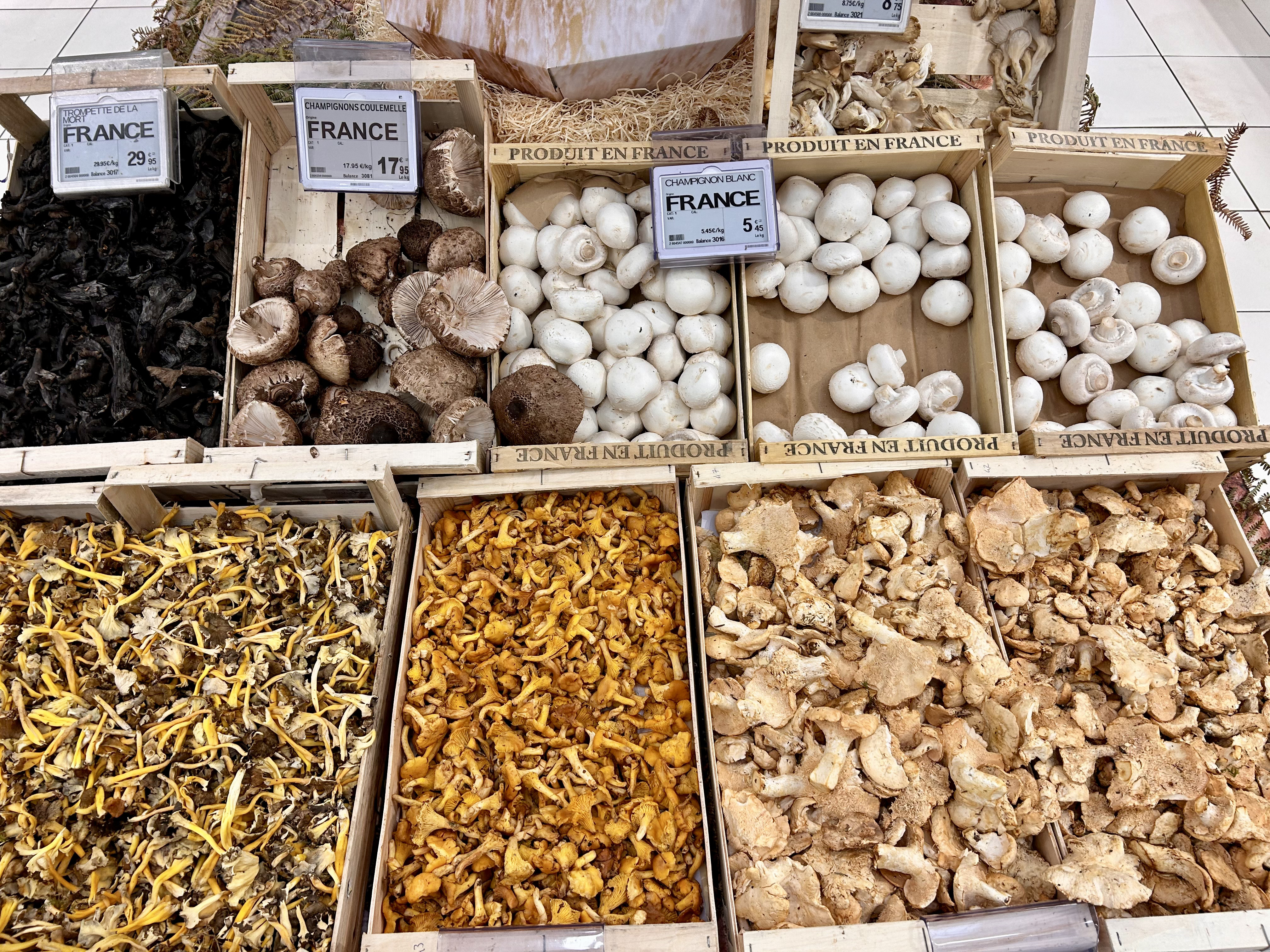
Making mushrooms French
Mushrooms grow everywhere. Every culture has their techniques, but I love butter with mushrooms and the French have great butter.
Easy.
For simple Frenchness, maintain butter over oil. Shallots instead of onions. et voila - French mushrooms. Add a persilade if you really wanna Frenchify them.
Folks might disagree.
“Good cooking is when things taste of what they are.”
-Curnonsky, food critic
To Rinse or Not to Rinse
I rinse mushrooms. Always have. Not a soak—just a quick, cold splash and a bit of brushing. Then laid out to dry for a few, but just as often, I’ll dry them in the pan.
The French rule is clear: jamais rincer. Mushrooms are sponges, they say. They’ll soak up water and turn to mush.
Maybe.
But I’ve eaten my share of forest debris in other people’s kitchens. If mushrooms came from the woods—or the supermarket—I rinse.
Then dry in the pan.
This is wrong, according to many. I will continue doing it.
You will never change anyone’s mind about this, in my experience.1
a dry heat
Dry cooking is the second hill the French will die on here.
No fat, no seasoning yet, just heat.
I agree with this.
You’re not sautéing —you’re evaporating. Mushrooms in the pan, release water, shrink, squeak.
Wait for the squeak. Only then add butter. If you skip this, you’re not sautéing mushrooms, you’re steaming them.
The difference is big.
More on that below.
Musical Accompaniment
Mushroom Can (1971)
Mushroom is a tense, looping track from Tago Mago (1971), the album that helped Can establish the Krautrock canon—Germany’s cold-war, avant-rock response to pop conventions. Tight grooves, eerie muttering from Damo Suzuki, and a sense that something is off. Still sounds incredibly modern, like it might have come out this year as a part of some retro-Prog movement.
Tago Mago is a weird album that I usually play in the background. It seems like it would go well with hallucinogens, blending Stockhausen’s abstraction with funk, repetition, and improv. Can didn’t just influence Radiohead or Talking Heads—it presaged their entire vibe.
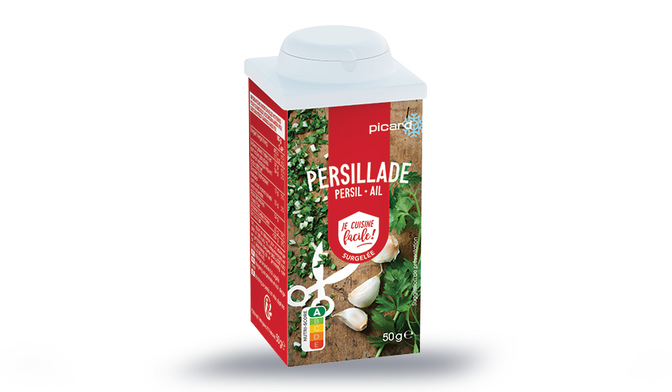
Persillade
Persillade is one of those French back-pocket tricks—parsley, garlic, and something to bind it. I buy it frozen from Picard sometimes. It really is easy.
Classic version:
a small bunch of flat-leaf parsley, finely chopped;
one clove of garlic, smashed and minced;
a glug of olive oil or a knob of softened butter (I like butter for French, oil for chimmichurri).
Salt, pepper, done.
Adapt it as you like—add lemon zest, shallot, chili flakes, capers, breadcrumbs if you want crunch.
Spoon it over mushrooms, grilled fish, roast potatoes, anything bleh that needs some freshness.
It’s a powerful little sauce.
It’s also available dried, but I’m not 100% on board.
French mushroom recipes
In the end, mushrooms in France are treated the way they are in most places with forests and butter.
Mushroom Duxelles
Mushroom paste. Reduced until almost dry. Used in pastries, to stuff poultry, or toss into scrambled eggs.
- Finely chop mushrooms (by hand, ideally).
- Cook down in butter with shallots and a pinch of thyme.
- Stir until all liquid is gone and it’s deep mushroom aromatic.
- Optional, but a good idea: splash of white wine or cream near the end.
Poêlée de champignons
Simple sauté. The benchmark.
- Start mushrooms in a hot dry pan—no oil. Let them release their water.
- Once dry and slightly browned, add butter.
- Finish with finely chopped garlic or shallot (late, so it doesn’t burn, cook until aromatic, then a minute or two more).
- Salt, pepper, parsley. Nothing more.
You see this across borders. But in France, less acid, no lemon, no balsamic. Just mushrooms, doing what they do.
But lemon and balsamic remain delicious additions.
Omelette aux champignons
Basic, but exacting.
- Poêlée first. Never raw mushrooms in the egg.
- Fold into the omelette just before it finishes setting.
- Maybe some comté or emmental if you want richness, but sparingly. This is a mushroomy omelette, not a cheesy one.
Great technique - and a terrible AI English dub is available, if you go to settings.
Tarte forestière
Rustic tart, bakery-style.
- Puff pastry base. Go buy one.
- Layer of crème fraîche or Dijon mustard - or both.
- Sautéed mushrooms with herbs and cheese (comté, tomme, or chèvre if you’re feeling rural).
- Bake until the edges puff and brown.
Almost Alsatian in feel—like deep dish flammekueche.
Fricassée de champignons
Creamy stove-top stew. Old school cooking. Not fashionable, but satisfying.
- Sauté mixed mushrooms in butter with shallots, garlic, thyme.
- Deglaze with white wine, reduce.
- Add cream and simmer briefly.
- Serve over potatoes or polenta. Or nothing.
This dish will look like the 1970s in the best way.
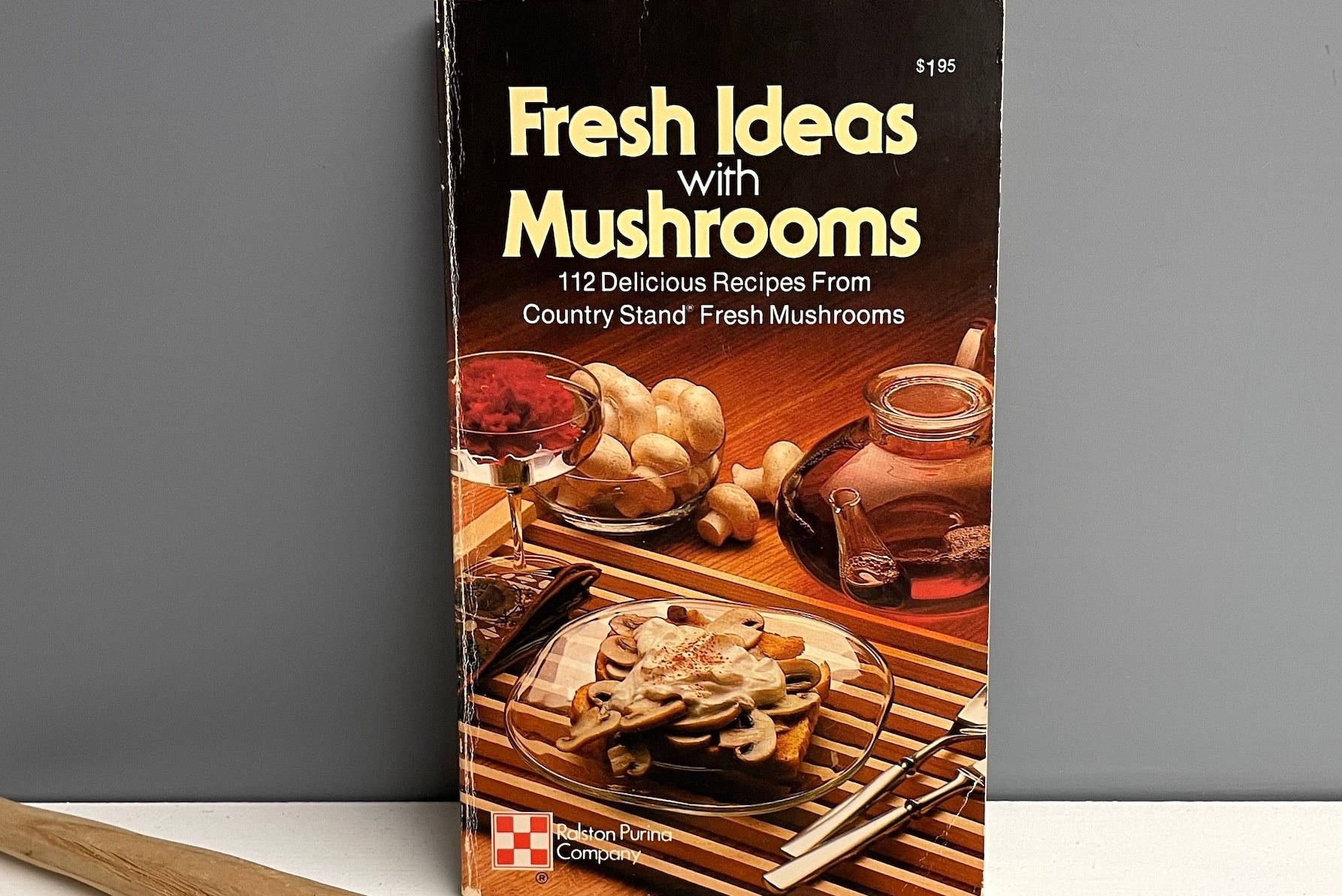
Champignons Sautés à Cru (Mushrooms sautéed raw, the French way)
What you need:
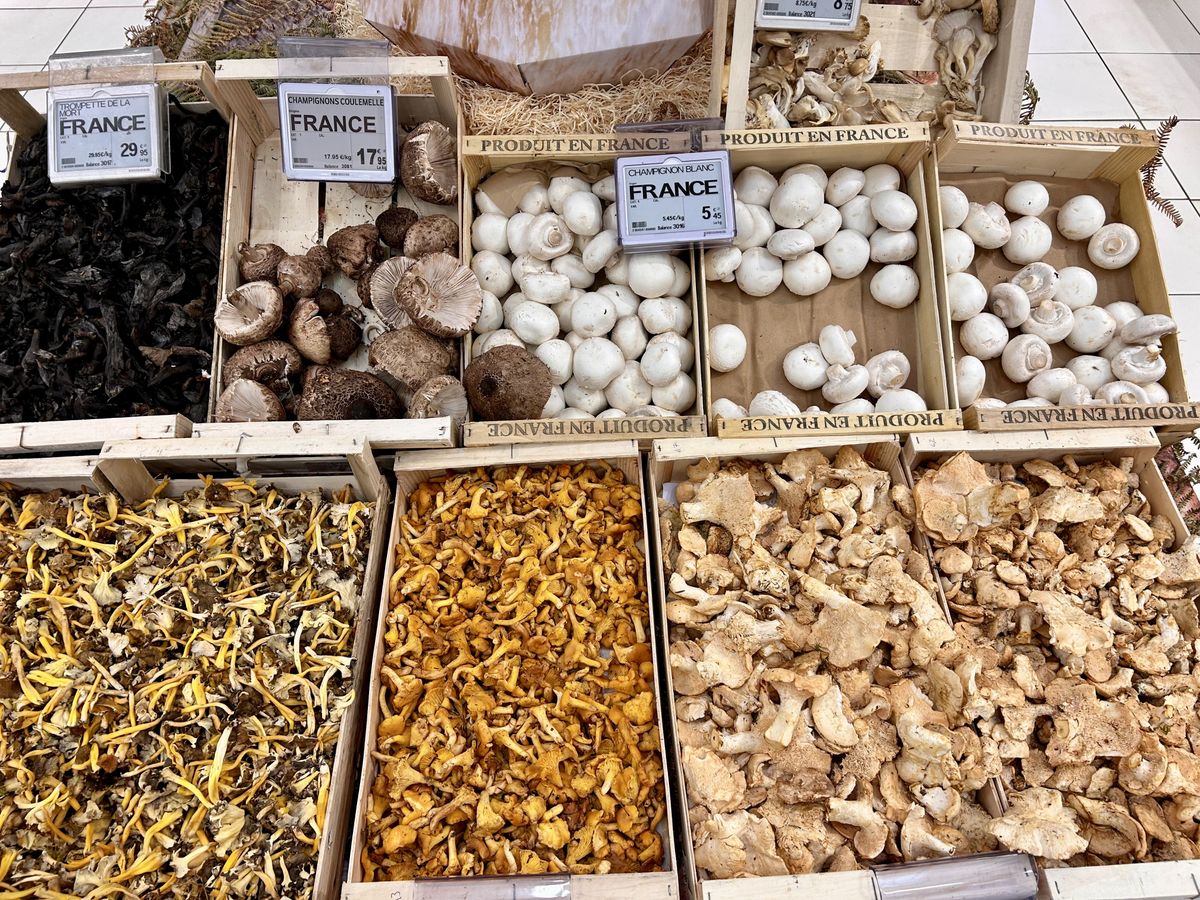
- Mushrooms (whatever mix you’ve got: champignons de Paris, pleurotes, girolles, cèpes)
- A heavy pan (steel or cast iron is best)
- Butter, a lot
- Shallots or garlic (optional, but a good idea)
- Salt, pepper
- Parsley, chopped it adds some brightness to the dish)
The Method
Clean the mushrooms—dust them off, brush gently, wipe with a damp towel. I have a paint brush I use only for that.
No rinsing. It’s fussy, but worth it. Waterlogged mushrooms steam; you want a sauté, not a stew.
Slice or tear depending on type. Cèpes thick. Girolles halved. Champignons de Paris—thin, not shaved.
Start with a dry pan, high heat. No fat, no seasoning. Toss in the mushrooms and let them release their water. Stir now and then. You’re not cooking yet—you’re evaporating. I wait for the squeak and the first signs of browning.
Then add butter—or butter with a splash of oil—and let them go golden. Now you can add shallot or garlic, finely chopped and late enough not to burn.
Salt, pepper, chopped parsley if you’ve got it. Add a squidge of lemon or a splash of white wine.
Serve with by itself or with anything you’ve got. Eggs, toast, steak, pasta. Spoon them over lentils for an easy lunch. Toss into an omelette and you’re making retro omelettes.
thoughts?
What about you—are you a rinsing heretic or a dry-brush purist?
Tell me how you cook your mushrooms, or what passes for “French” in your kitchen these days.
coming Soon!
I’ll be talking about foraging mushrooms and foraged foods of France.
Further reading
 Keith Christiansen
 Keith Christiansen
 Keith Christiansen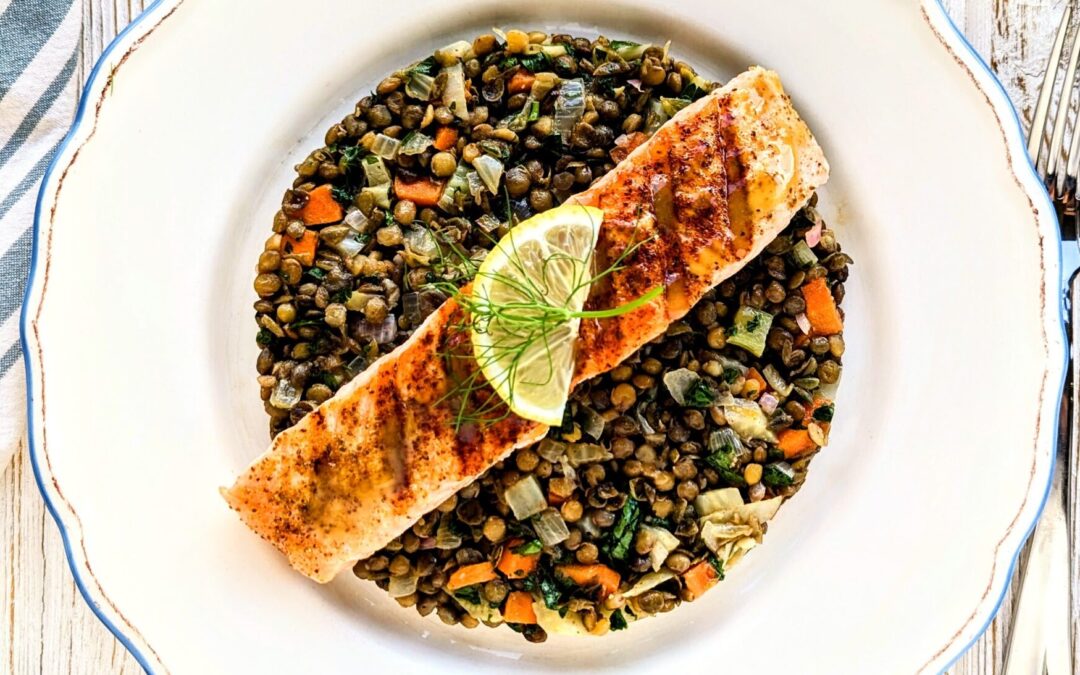
Gilled mushrooms absorb more (more surface area, the gills), but were not soaking them. Oyster mushrooms seem to absorb the most, in my experience. ↩