The Medieval Untouchables of France
For nearly a thousand years, this hidden caste lived on the edges of villages, barred from markets, fountains, and churches — their story still visible in the church doors of Brittany.

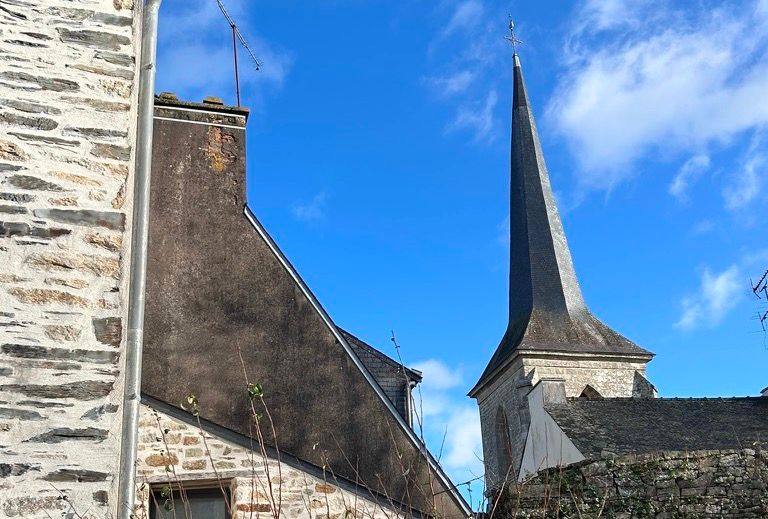
I’ve gone to a huge number of churches and chapels in France, and I kept seeing them everywhere — strange, child-sized doors built into the sides of chapels across Brittany. Too short for adults, too narrow for storage, too deliberate to ignore. When I asked locals, most found them unremarkable. Online, almost nothing. Only later did I learn these weren’t architectural quirks at all. They were Cagot doors, quiet reminders of a thousand-year prejudice France has nearly erased from its memory.
TL;DR:
In churches across Brittany, those tiny side doors weren’t for storage — they were for the Cagots, a persecuted caste forced to enter separately, live apart, and endure nearly a millennium of unexplained discrimination despite being indistinguishable from everyone else.
France’s Forgotten Doorways
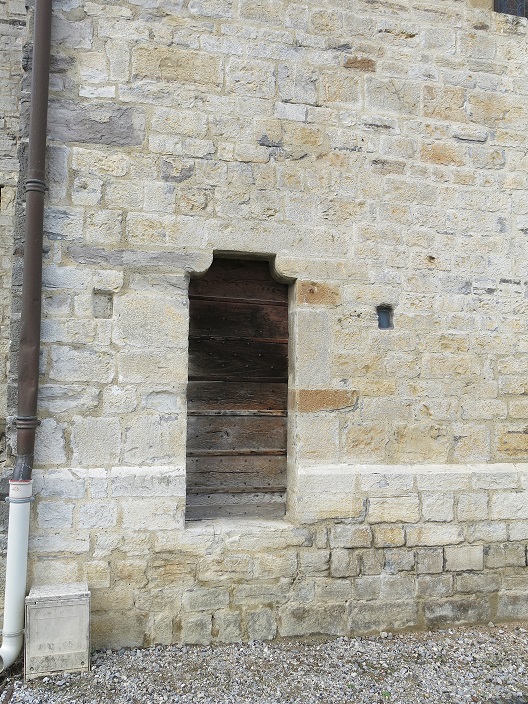
In building after building, the same detail appeared again and again: narrow openings, less than four feet tall, tucked off to the side, many of them bricked over.
No one seemed to know what they were or they just found them unremarkable. After all, buildings get built and repaired and changed many times over hundreds of years. Yet they still seemed odd because there didn’t seem to be much reason to build them in the first place - the buildings often had 2-3 other entrances, multiple windows.
The more I asked, the more blank looks I got. Even the internet offered little at first.
Eventually I found it — these were Cagot doors, remnants of a long and unsettling history that has almost slipped entirely from collective memory.
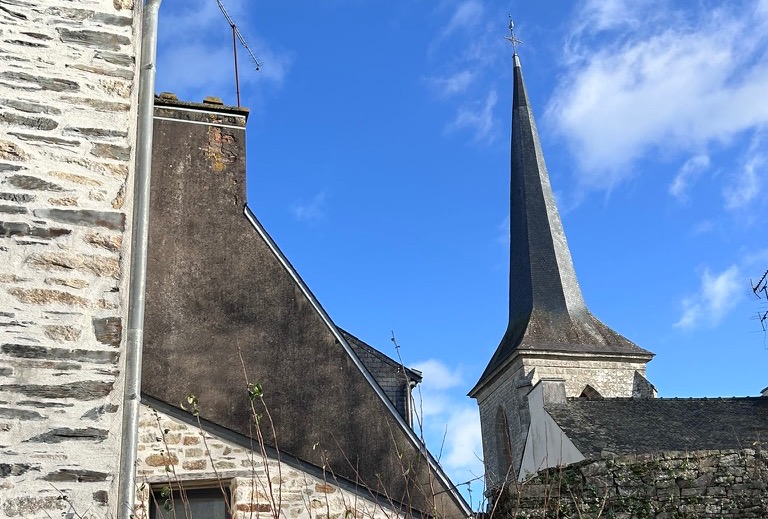
France’s Forgotten People
We’re in Brittany for the holidays, housesitting at a country home in a village of about 2,000 people. It’s a very pretty place, but an incredibly quiet one. The main square has a few shops, yet in the run-up to Christmas there’s hardly any activity.
By 10 p.m. shutters have closed, street lights go out, and driving through the countryside is like plunging into total blackness.
Walking at night, the darkness feels almost alive.
Churches
I’ve been visiting churches across Brittany and the Loire-Atlantique for years, photographing most of them.
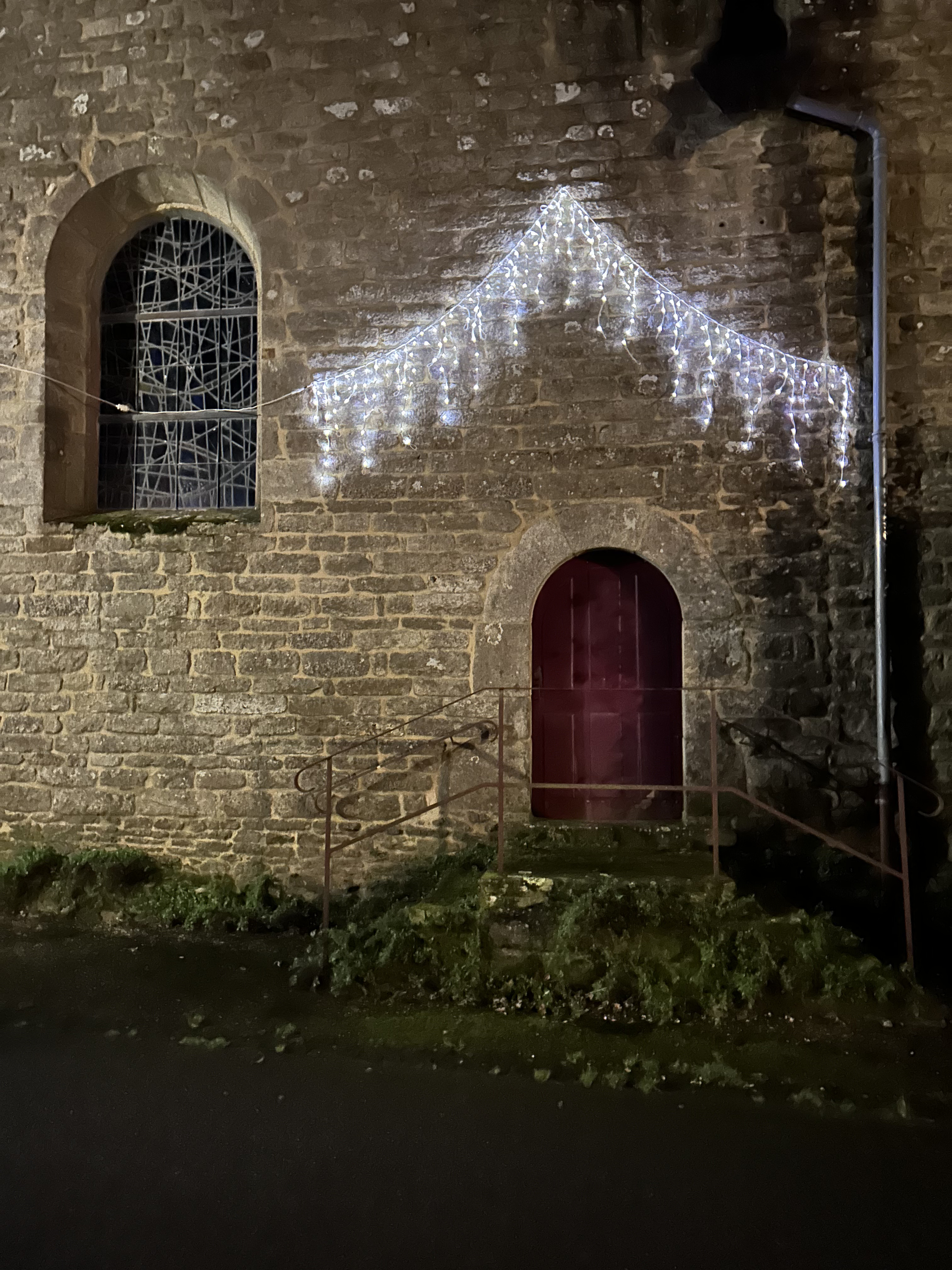
Every town has at least one church, then often a chapel of some type, then another few religious odds and ends around. In the churches, often tucked off to the side, there’s a small, awkward doorway — sometimes bricked over, sometimes still a door.
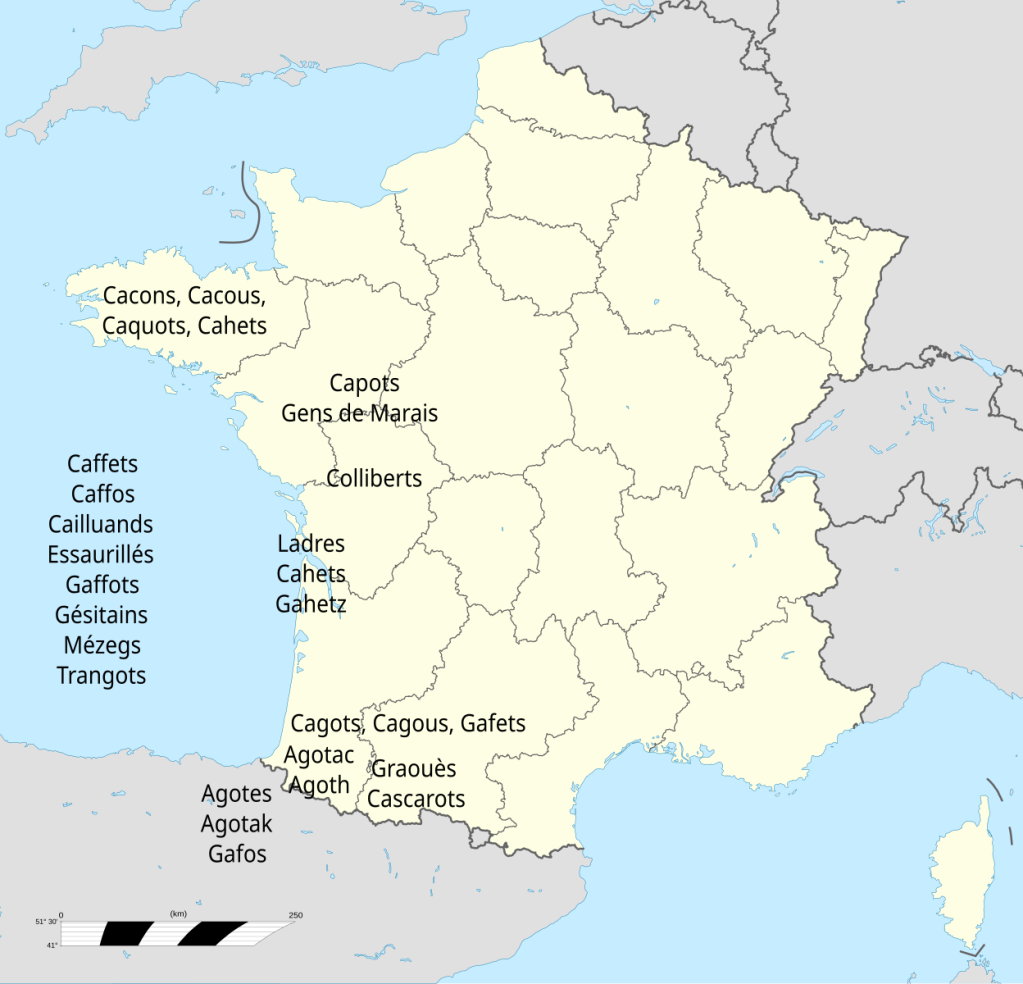
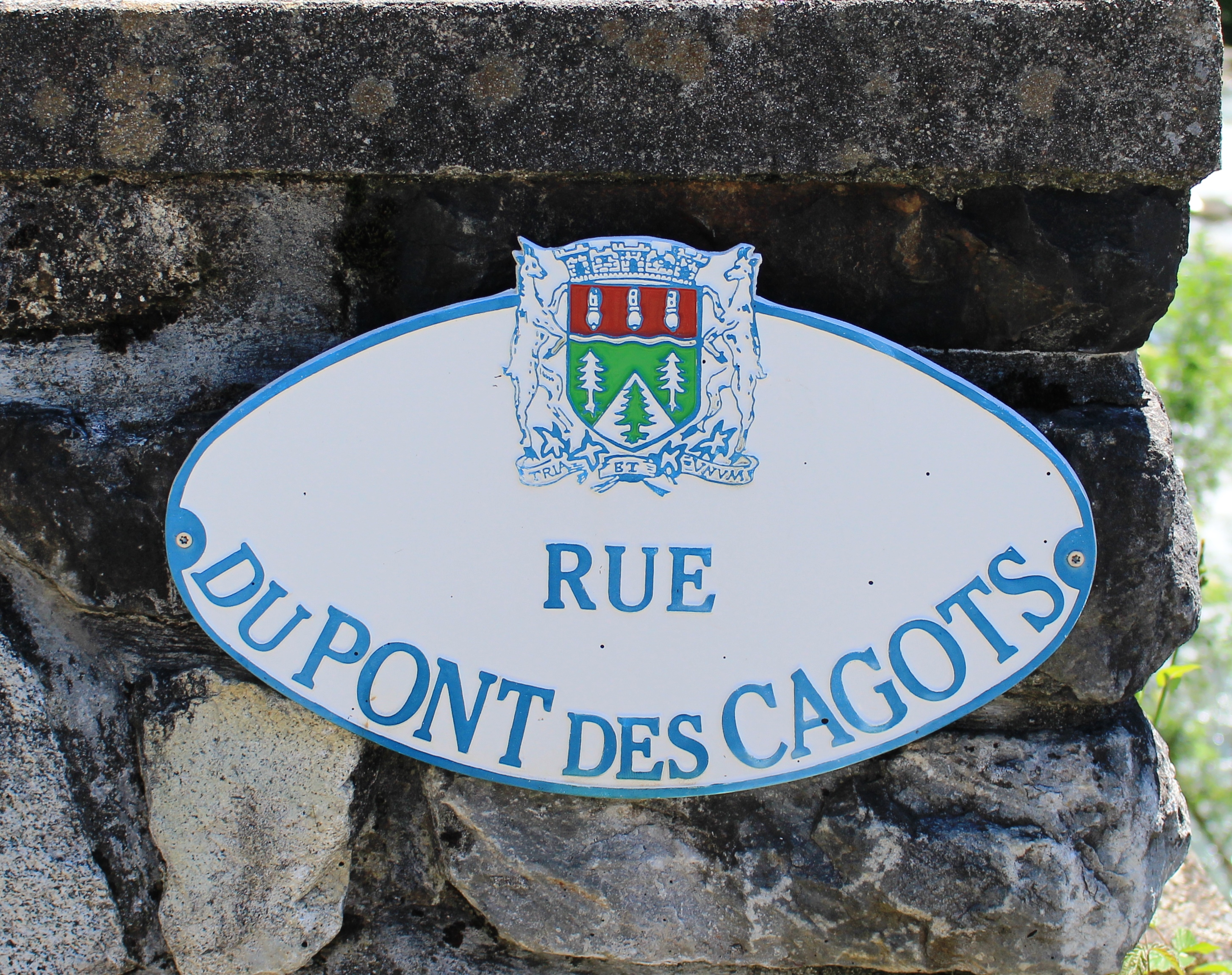
These were Cagot doors, designed for the Caquins (the Breton term for the Cagots), a community pushed so far to the margins that it was written into the walls.
A life apart
The Cagots were persecuted in France for nearly a thousand years. They looked like everyone else, spoke the same language, practiced the same faith — yet they were treated as untouchables.
Forced to live on the edges of towns, barred from public life, and made to stoop through these humiliating doors just to enter church, they became Europe’s forgotten caste.
Yet no one ever explained why.
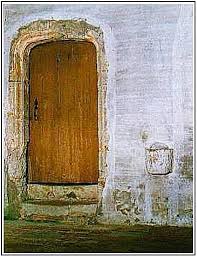
Much of this history has faded even for people who live here. But if you study the outer walls of certain chapels, you start to see them: odd, narrow side doors, sometimes sealed over, sometimes still intact, always strangely small. They show up in village after village across western and southern France.
These unobtrusive openings are the trace of the Caquins — or Cagots — a marginalized group forced to live apart from their neighbors.
For centuries, they formed a kind of internal caste, singled out by social, legal, and religious restrictions that no one ever fully explained.
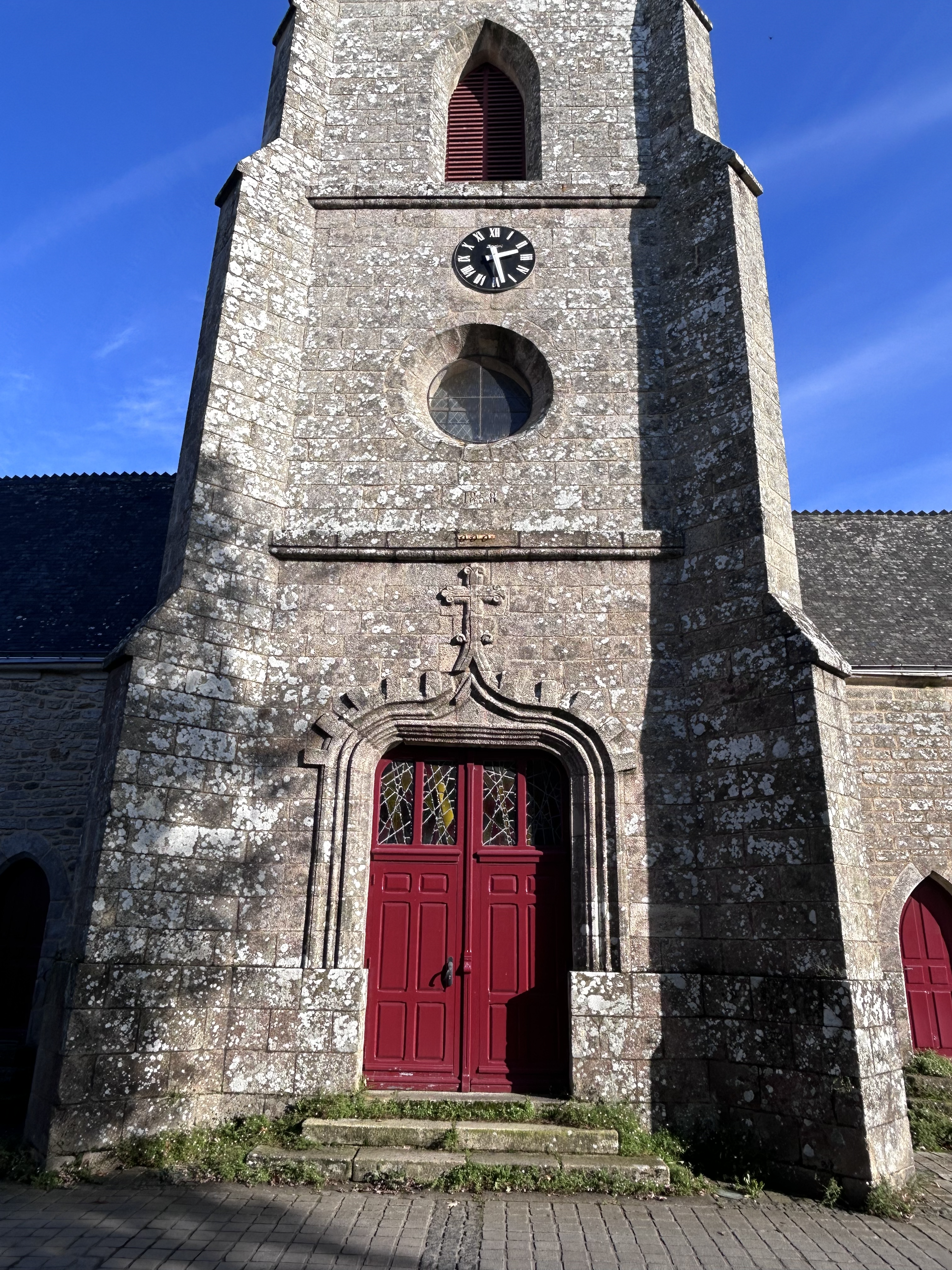
A People Set Apart
The Cagots didn’t look or sound any different from their neighbors. They spoke the same language, practiced the same faith, worked the same trades. Yet for nearly a thousand years they were treated as an untouchable caste.
They were pushed to the edges of towns, required to enter churches through separate doors, barred from buying or trading food, and even given the eucharist at the end of a long wooden stick.
In many villages they were excluded from almost every layer of civic and religious life, not because of anything they’d done — simply because they were Cagots.
Curious facts, hidden histories, odd things. Subscribe!
What the Cagots Left Behind
For a group pushed so far to the margins, the Cagots left many traces scattered across western France. Their craft survives in the woodwork of rural churches — carved beams, choir stalls, roof structures, and doorframes shaped by Cagot carpenters whose skill everyone depended on but rarely acknowledged.
Their presence lingers in the buildings themselves: the low side doors, separate holy-water basins, and sealed entrances built to mark them apart.
Most mentions of them come from parish and legal records — baptism entries in separate columns in the ledger, marriage bans, guild restrictions, and complaints from villagers who didn’t want Cagots touching communal tools or selling food in the markets.
And in the folklore, as children warned that Cagots had webbed fingers, no earlobes, or a “strange smell”; adults claiming they carried a hidden disease or leprosy; old taboos about them not walking barefoot, drawing water, or touching bread with their hands.
None of it was true, but the stories lasted long enough to shape how people lived.
Today, these fragments are what remains — the outline of a community nearly written out of history, visible only if you know where to look.
Whispers and Inventions
Rumors painted the Cagots as all kinds of things: lepers, heretics, even descendants of the Visigoths.
Some villagers claimed they carried a hidden biblical curse — children of Cain, or the offspring of Judas — stories invented to explain a prejudice no one could justify.
Yet they were Catholic, spoke the same language, and worked the same trades as everyone else. Still, they were made to stoop through tiny doors built to remind them of their place.
The first records appear in the 11th century, when France was fractured and rural communities were isolated. Lumped together with lepers and anyone considered “impure,” the Cagots were pushed to the edges of society, their homes set just outside even the smallest towns..

Etched Into Stone
Even as France stepped into the Enlightenment and widened its view of the world, the Cagots saw little change at home. While philosophers challenged old beliefs, villages in Brittany and the southwest continued to deny this group even the most basic rights.
The French Revolution finally struck down the laws that targeted them, but the prejudice didn’t disappear. In rural communities, the stigma persisted through rumor and inherited suspicion. Many of the doors were sealed up over time, yet the exclusion lingered for a simple reason: being descended from Cagots was still enough to mark someone as lesser.
Victor Hugo captured one of these doorways in Journey to the Pyrenees (1843):
“I turned around, between the church and the crenellated wall. There is the cemetery, sworn with large slates, where crosses and names of mountaineers dug with a nail are erased in the rain, snow and the feet of passers-by. A door, now walled, was the door of the Cagots. The Cagots or goitreux were pariahs. Their door was low, as far as we can judge by the vague line drawn by the stones that wall it.”
These doors were designed to humiliate, forcing the Caquins to stoop before entering their community’s spiritual center. In a time when the church defined every stage of life, that exclusion wasn’t just social — it was eternal.
It’s also worth remembering how rural France remained until the 20th century.
Regions like Brittany and the Pyrenees were remote and difficult to reach, yet this prejudice persisted in isolated communities separated by days, even weeks of travel.
eugenics
This was passed down through generations into modernity. A 1911 encyclopedia Britannica entry provides a rough description, filled with the eugenics thinking of the age, about the Cagot:
Their crania have a normal development; their cheekbones are high; their noses prominent, with large nostrils; their lips straight; and they are marked by the absence of the auricular lobules.
[I’d like to remind folks that there’s not a single eugenicist argument that isn’t nonsense or hasn’t been debunked repeatedly. ]
Colonialism Begins at Home
I’ve long believed that colonialism begins at home — an idea I’m sure I first came across in Fanon.
This history isn’t so distant.
Even as France expanded abroad in the 18th and 19th centuries.
France still wrestles with the question of who can be truly “French.” For the Cagots — who had lived here for a thousand years, long before the nation was called France — the answer was clear.
They were outcasts.
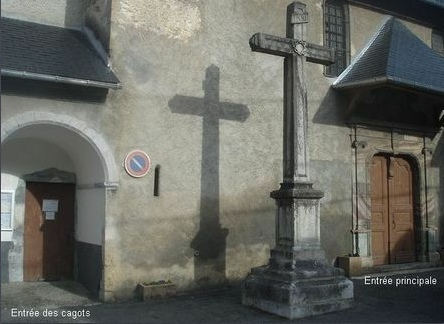
The Cagot doors still scattered across Brittany and beyond aren’t oddities — they’re reminders of how easily prejudice can be folded into daily life. No one ever fully explained why this group was singled out, yet their exclusion lasted for centuries, written into laws and literally built into the walls.
It makes me wonder what we’re building now — what ordinary things future generations will recognize as quiet acts of exclusion.
Have you ever come across a “hidden history” like this where you live — something in plain sight that carried a story people no longer talk about?
I’d love to hear your thoughts in the comments.
More like this:
 Keith Christiansen
 Keith Christiansen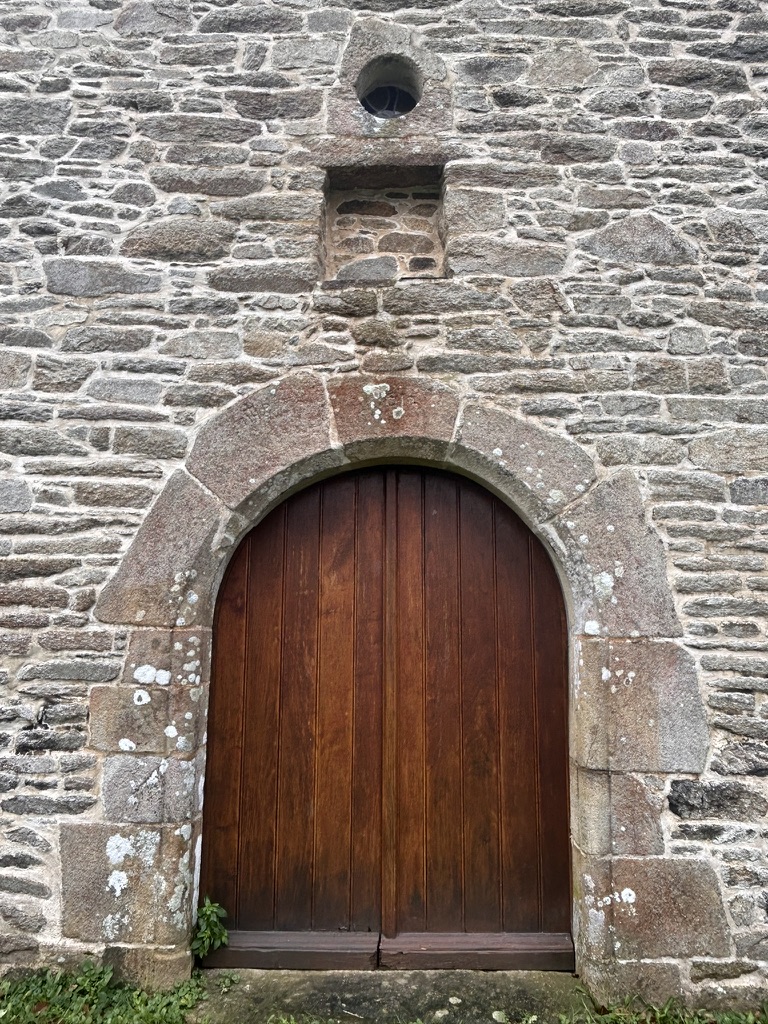
 Keith Christiansen
Sources
- Beyond Thought: The Cagots of France — overview of Cagot history, myths, and exclusion.
https://www.picciolettabarca.com/posts/beyond-thought-the-cagots-of-france - Observatoire Gascon: Les Cagots —summary of archival evidence and stigma.
https://observatorigascon.org/2024/08/05/les-cagots/ - Université JFC: Les Cagots — parish records, legal restrictions, and local memory.
https://blogs.univ-jfc.fr/vphn/2023/05/01/les-cagots/ - Benoît Cursente, Les Cagots: Histoire d’une Ségrégation — foundational scholarly study.
(Book info) https://m.livreshebdo.fr/livres/les-cagots-histoire-dune-segregation-cairn-editions-9782350685717 - Jacques Fonlupt, Le Crépuscule des Cagots — modern academic analysis of the caste’s disappearance.
(Book info) https://recherche.univ-pau.fr/…/le-crepuscule-des-cagots