Heritage Has a Half-Life
How France’s Pure Food Fantasy Was Built on Old Chemistry, Postwar Fixes, and a Nostalgia
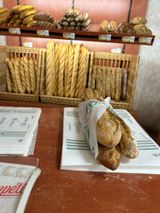
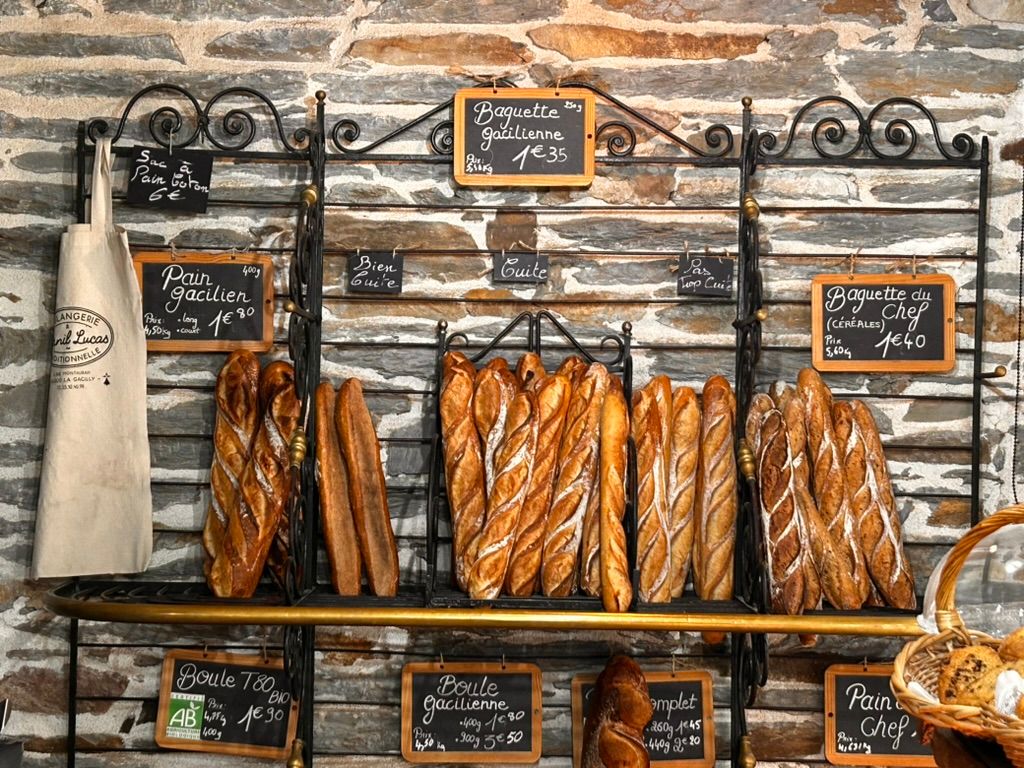
You know the image: a sunlit French table, bread still warm, a wedge of cheese, maybe a storybook field nearby. There’s got to be wine.
Pure. It’s heritage. It’s what people say they want to get back to.
But what if the food has changed — not just in taste, but in composition?
What if the land has too?
What is terroir then?
This isn’t just about nostalgia, or the long shadow of memory, etc.
It’s about history hiding in the soil — and in the systems we call tradition.
TLDR:
I had a hard time getting this one together - it is part of a much bigger piece, coming soon. A bit on chemistry, terroir, and hidden connections (like actual Nazis1 — not the off-brand ones of today) shape what we eat as well as what we think is pure and good food.
There’ll be recipes and cooking ideas, too!
Stay tuned.
K
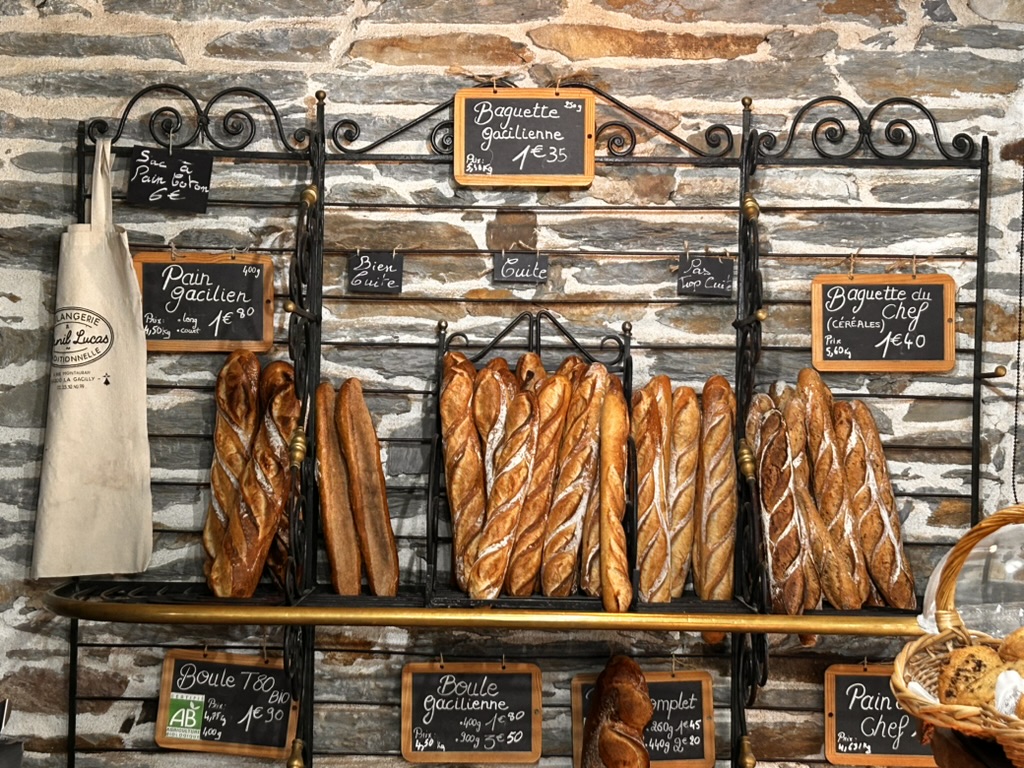
There’s this narrative: France has heritage food, pure terroir, happy cows and perfect bread.
We’ve all seen the pictures — green fields, aging cheeses, salt harvested by hand in Guérande and Camargue.
It’s wholesome.
Timeless.
It’s France.
It’s also a story — and like most good stories, it leaves a few things out.
…& that baguette you’re eating isn’t the same one it used to be.
Lost Stability
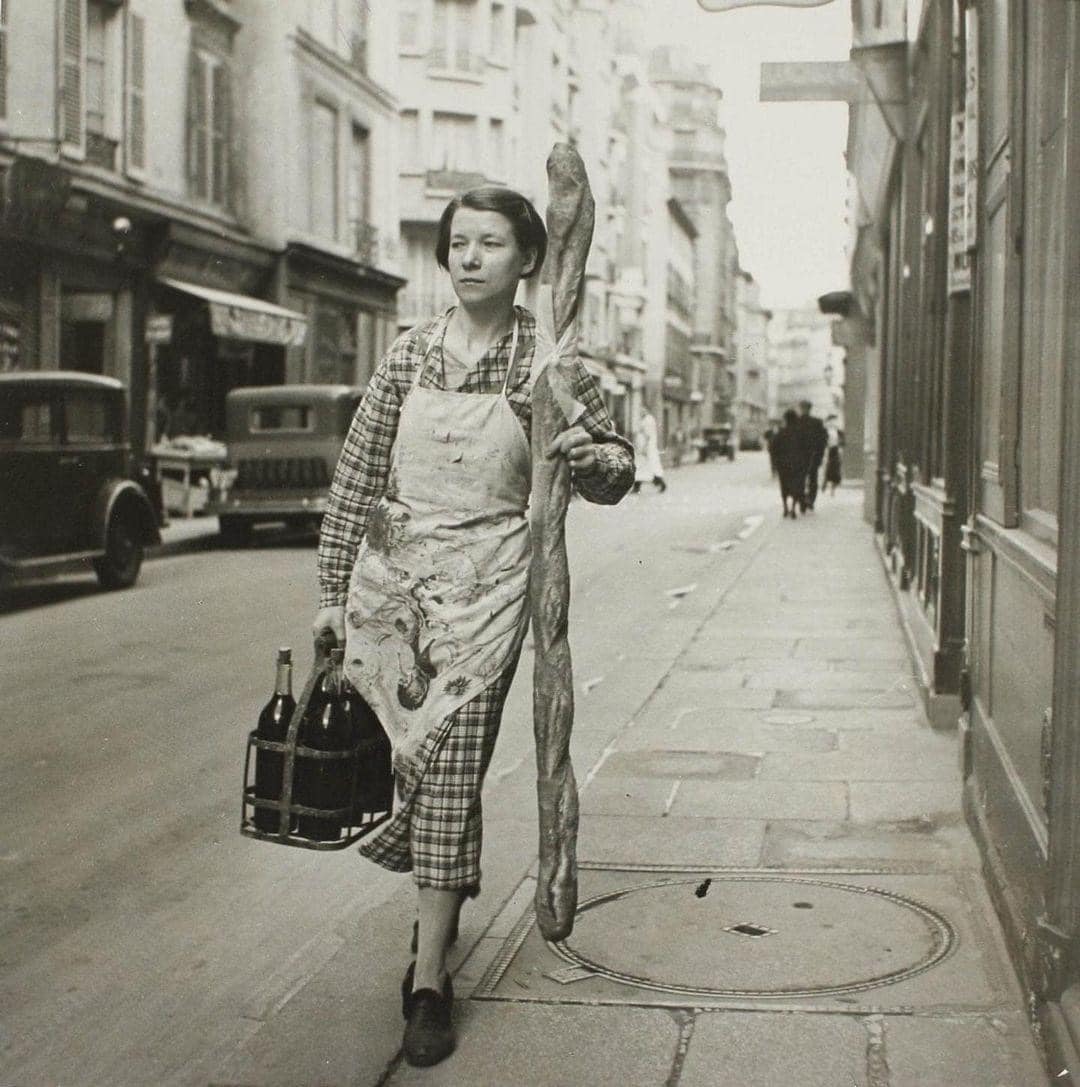
A lot of what gets called “tradition” in food isn’t as old as we think. Or it hasn’t been as stable as we imagine. Recipes survive. Techniques survive. The idea of a place survives.
What we don’t track very well changes we don’t focus on.
We remember flavors. We remember the feeling of a place.
But soil changes and chemistry doesn’t care about nostalgia.
Flavors are not only about techniques. Flavor is also about materials.
And materials hold a different memory.
Inherited Matter
Salt isn’t pure. That’s why it tastes like something.
Guérande’s crystals aren’t just sodium chloride. Their so-called impurities, magnesium, calcium, trace minerals, are what give them flavor. Camargue salt tastes different for the same reason. The marshes where it dries leave their chemical signature behind.
That’s terroir. But it’s also an inheritance.
And like most inheritances, it’s also a kind of obligation. Of finishing business left behind.
Soil inherits too.
After the war, hunger was addressed by industry. Nitrogen poured onto fields. Phosphates mined from rock.
Fields were full. People ate. It worked.
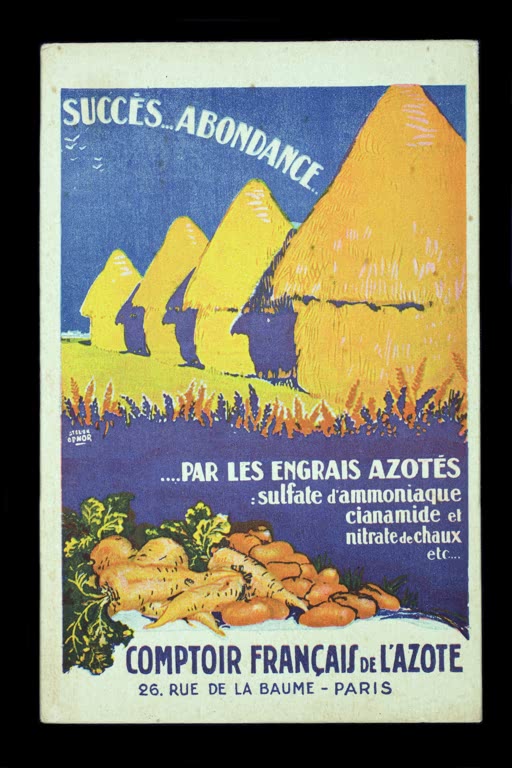
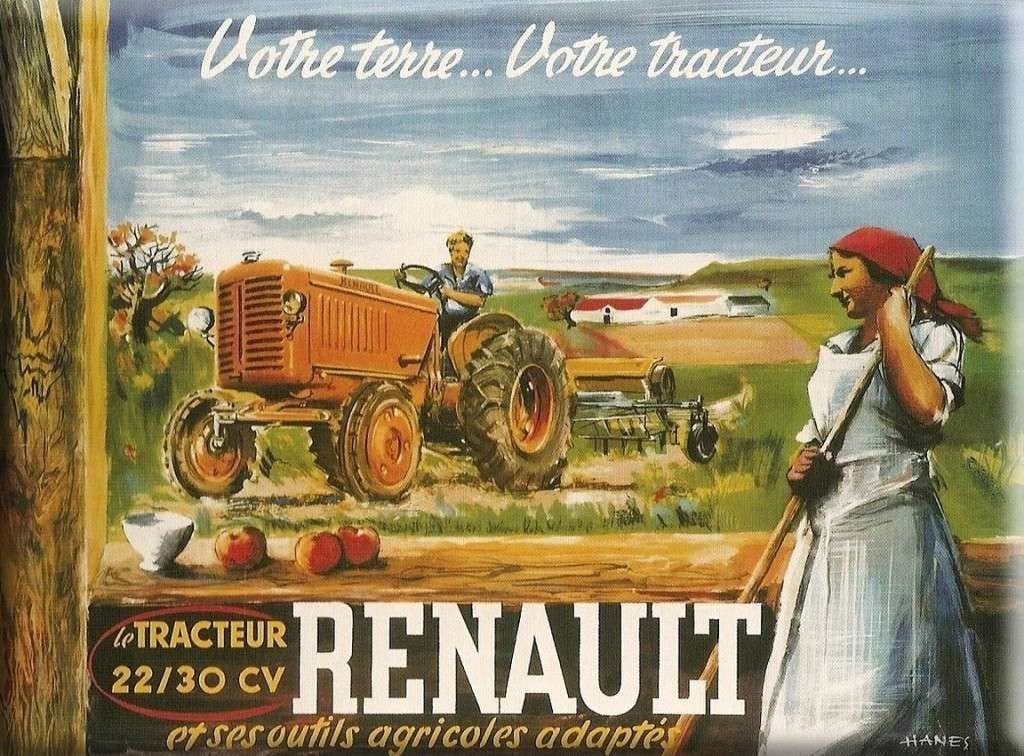
This didn’t happen quietly. It was promoted through advertising, state campaigns, trade fairs, and agricultural films. Fertilizers, pesticides, and farming machines were framed as progress itself.
Modern farming was sold as clean, scientific, inevitable. Posters showed abundant harvests, smiling farmers, and a future freed from scarcity.
The message was simple: chemistry will save us.
Old solutions have a way of becoming tradition.
Off flavors lately?
I’d love to hear from you — especially if you’ve noticed changes in taste, texture, or farming practices where you live.
What feels familiar, but not quite right?
k
Backing track
Je te promets —Johnny Hallyday (1987)
Nostalgic, glossy, dramatic & heavy with unkept promises. The song and the video feel like a love letter from the ’80s that now sits in an evidence fils somewhere. It’s soaked in longing for—youth, purity, permanence, forgiveness, etc—but all of it feels borrowed. Performed.
Rewatching the 1987 video today, it looks a man in his mid-40s making slow eye contact with a series of teenagers in soft focus. It could be pulled from the unreleased Epstein archives. The lighting doesn’t soften it much.
Like a vision of France that insists the food is still pure, the land still generous, the past still intact.
But we know better now. Don’t we?
Wider Frame
Frantz Fanon wrote, “Europe is literally the creation of the Third World.”
The shorter, blunter paraphrasing came later: we are here because you went there.
The same is true with things as well as people.
What was extracted, sprayed, mined, shipped, and tested elsewhere does not stay elsewhere. It returns. In fields. In flour. In daily meals. In familiar foods that carry comfort rather than warning.
The chemistry didn’t cross borders by accident. It followed trade routes, colonial supply chains, postwar reconstruction. Emergency solutions hardened into systems. Systems became habits. Habits, over time, came to feel like tradition.
The next posts follow those trails. Through archives, experiences, and memory. Through the long shadow of scarcity and into abundance in Europe, where something changed even as much of it appeared the same.
And back into the kitchen, too.
More soon.
Skipping the line on Godwin’s law right here. ↩