No Signal in Deep France
What fell apart for me in Auvergne—and what replaced it
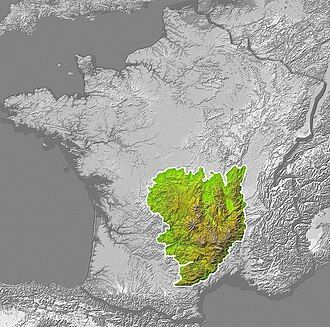
There’s a phrase you start hearing after a while—la France profonde. Deep France. It gets used like a shrug, or a warning, depending on who’s talking. It means the places where nothing much happens, which is exactly the point.
That could describe half the country, honestly. People argue about where it really begins—how far you have to drive before the boulangerie stops experimenting and just… repeats itself. But Auvergne never really comes up for debate. It’s firmly in there. One of those more-cows-than-people regions where the landscape feels older than whatever version of France you thought you understood.
I went there to study food systems for my students in New York. I came back with something else entirely: a new way of seeing time, work, and a possible life for my wife and I.
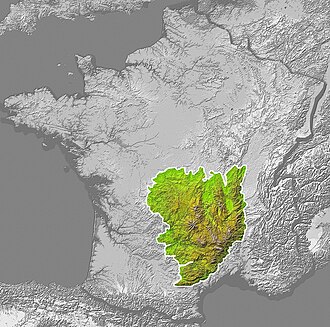
Bref. : I went looking for better ways to teach food in Brooklyn schools and ended up in Auvergne—deep in la France profonde, where few things move quickly and less is optimized for tourists.
The plans fell apart, the farmers canceled, the internet disappeared, and what replaced it was slower, older, and more comprehensive than my first ideas. It was a primer on France.
The exit
In 2021, I left my teaching career in New York City and my wife & I moved to Europe—first to Portugal, then France.
At the time, stepping away from public education felt like leaving a bad relationship, but it was also my work in the classroom that allowed us to start over.
And it was what brought us to consider France as a place we might want to live.
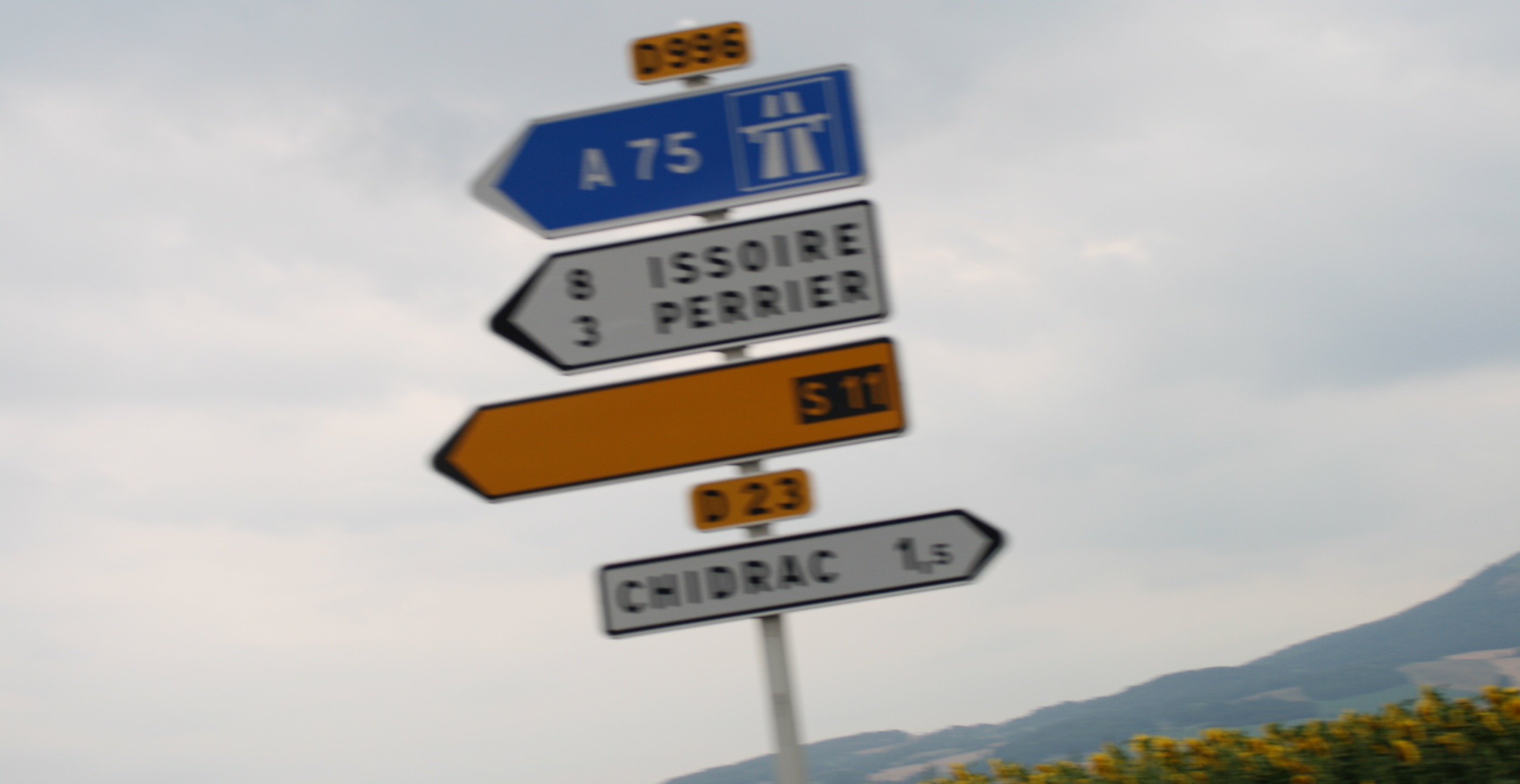
research
I had visited France before, but these trips were limited to Paris, and I hadn’t been in over a decade.
We came with a plan to learn more about the food and the culture. Someone was paying for our trip, so it felt important not to go as tourists, but as researchers.
This all started with a Fund for Teachers (FFT) grant I won in 2010 while teaching in Brooklyn—it’s a unique grant that lets educators design their own professional development through global travel. (I’ve written plenty of grants, especially for teachers—DM me if you want to discuss)
Not According to Plan
We were supposed to be in Normandy. Instead, we ended up in the middle of the country—in Auvergne.
One farmer canceled, then the next. What we had left was a friend of a friend of a farmer we didn’t know, offering a place through WWOOFing—food and a bed in exchange for work. It felt close enough to the spirit of the grant, so we said yes.
This was before Wi-Fi smoothed everything out. Before you could confirm a life decision with a quick message. In France, even finding people was complicated. Confirming anything was uncertain still.
Bertrand
Bertrand, our eventual host, didn’t use the internet. He still doesn’t, I think.
He wasn’t against it exactly—just uninterested. When I showed him how to use a circular saw, it was like I’d brought fire. Not excitement, more like… curiosity without urgency. Everything on that farm had been built by hand, and he seemed intent on keeping it that way.
I showed him power tools. He showed me how to use an adze—a tool I’d only ever seen in drawings, usually in the hands of someone prehistoric.
The Mechanic
At some point we took one of his vehicles down off the farm, along narrow roads with steep drop-offs, to see a mechanic in a nearby hamlet.
I’m fairly sure the drive itself was illegal. The transmission of the van I was sitting in was in the back.
By the time we arrived—forty-five minutes of switchbacks later—I was still a little rattled, probably visibly off.
“Qui est ce type ?” the mechanic asked, nodding toward me.
“Il est de Brooklyn,” Bertrand said.
The mechanic wiped his hands, nodded.
“Brooklyn ? Ah oui. Moi, j’allais en Allemagne tous les étés quand j’étais jeune. J’aimais beaucoup.”
(I’ve been to Germany. I really liked it.)
He smiled at me. I nodded back, not sure what he thought he was recognizing.
No one corrected anything.
What Kids Eat
“If kids grow kale, kids eat kale.” — Ron Finley
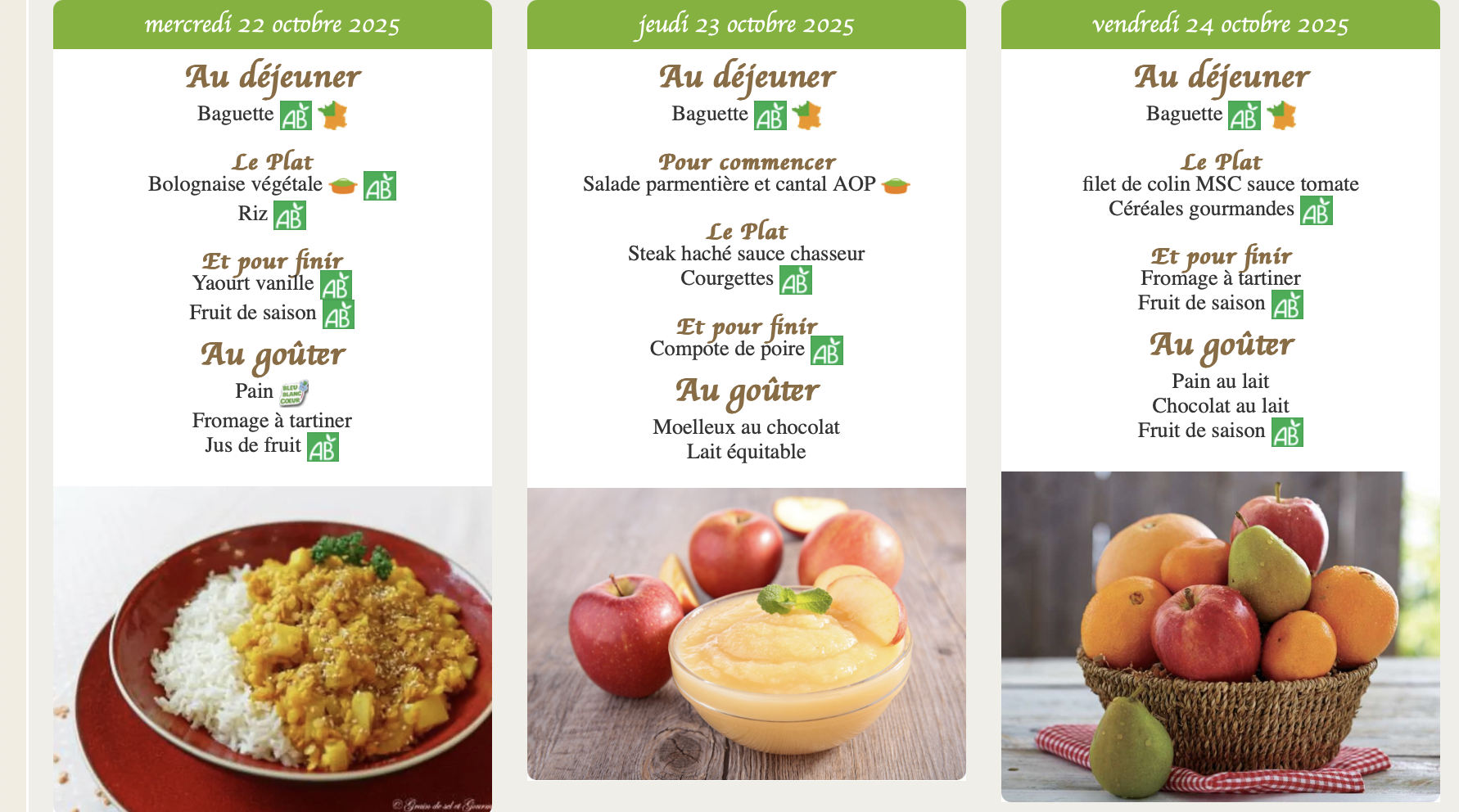
When my students saw the menus from Paris public schools, they didn’t quite believe it. Multi-course lunches—starter, main, cheese, fruit—served every day, built around fresh, local ingredients.
Six million kids eating like that. For less than €3 a meal. Free to families.
In New York, we were spending about the same per lunch. Sometimes more.
Salad Bar
It might surprise anyone who hasn’t spent a lot of time around children, but kids will eat well if you give them the chance—especially if they have some control over it.
One of my biggest wins from my teaching was getting better food into our cafeteria. The bureaucracy of the NYC DOE is unlike anything I have ever seen.
Yes, even compared to France.
It took years to undo the “efficiency”—sugar, processed shortcuts, the assumption that it didn’t really matter what kids ate as long as budget numbers were met.
And then wondering why they couldn’t focus.
Salads bars helped. When the kids got a salad bar, suddenly, 9 out of 10 kids were eating salads most days. They treated it like a form of personal expression.
Everyone seemed happier, even the people working in the kitchen who seemed sad serving fish sticks would smile as kids lined up for salads. It was hard to believe —then it became normal.
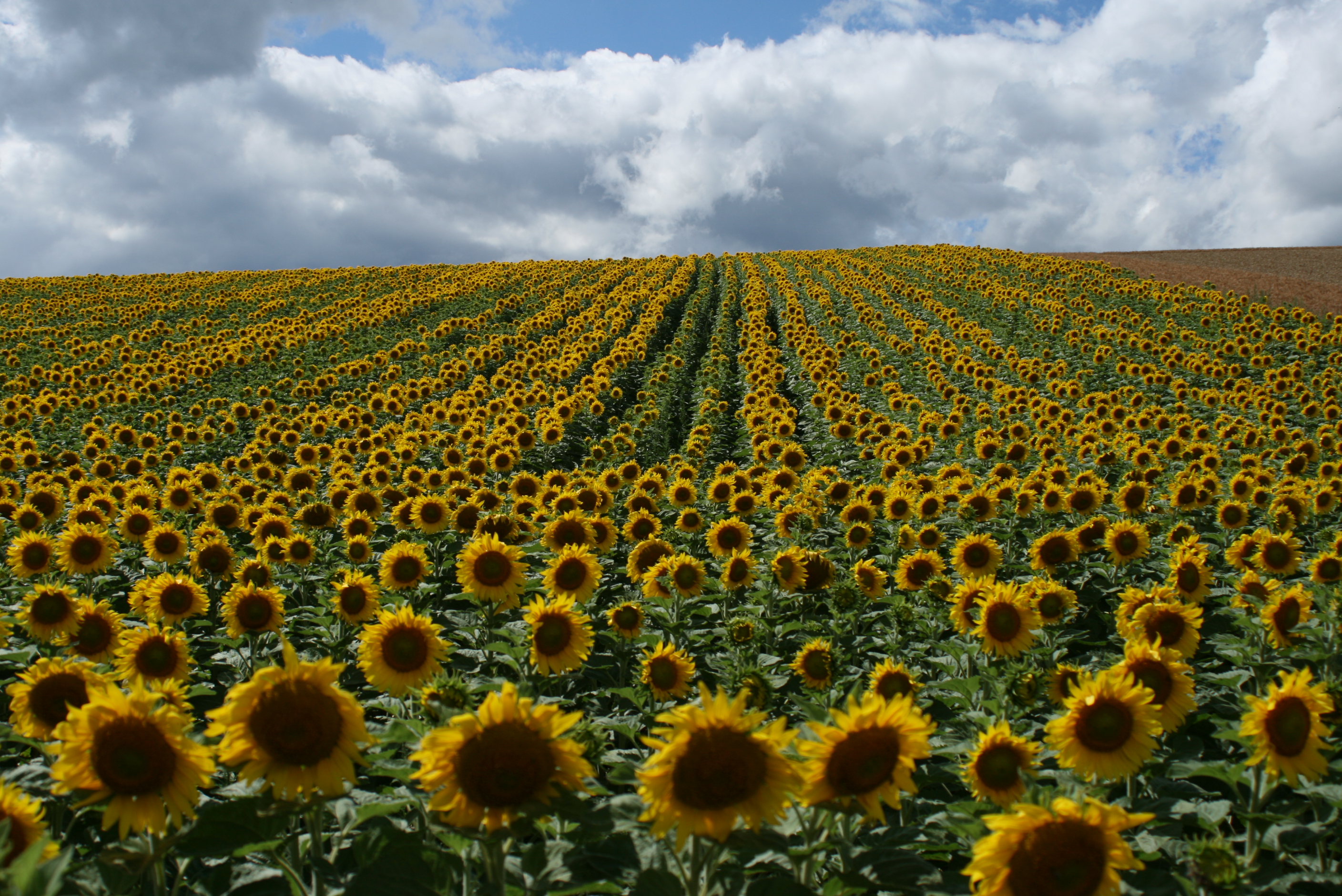
The Plan (On Paper)
The idea was straightforward: spend time on a modern, electrified vegetable farm. Irrigation systems, efficient layouts, something we could scale down and bring back to a school garden in Brooklyn.
It made sense. It was legible. It would translate.
They approved it. Woo! Goin’ to France!
After
When we got back to Brooklyn and I submitted the final report, I explained that almost nothing had gone according to plan.
They didn’t seem surprised.
“This happens more often than you’d think,” they said.
Intersection
We traveled to a small town through winding roads with sharp turns, paved over centuries-old goat tracks, it seemed. It was “outside Clermont-Ferrand,” in Auvergne—part of the diagonale du vide, the “empty diagonal.”
That was the nearest big city and it was 90 minutes to get there if everything went right.
A kind of intersection more than a town. A hamlet, but not attached to any village nearby.
More cows than people. Or close enough.
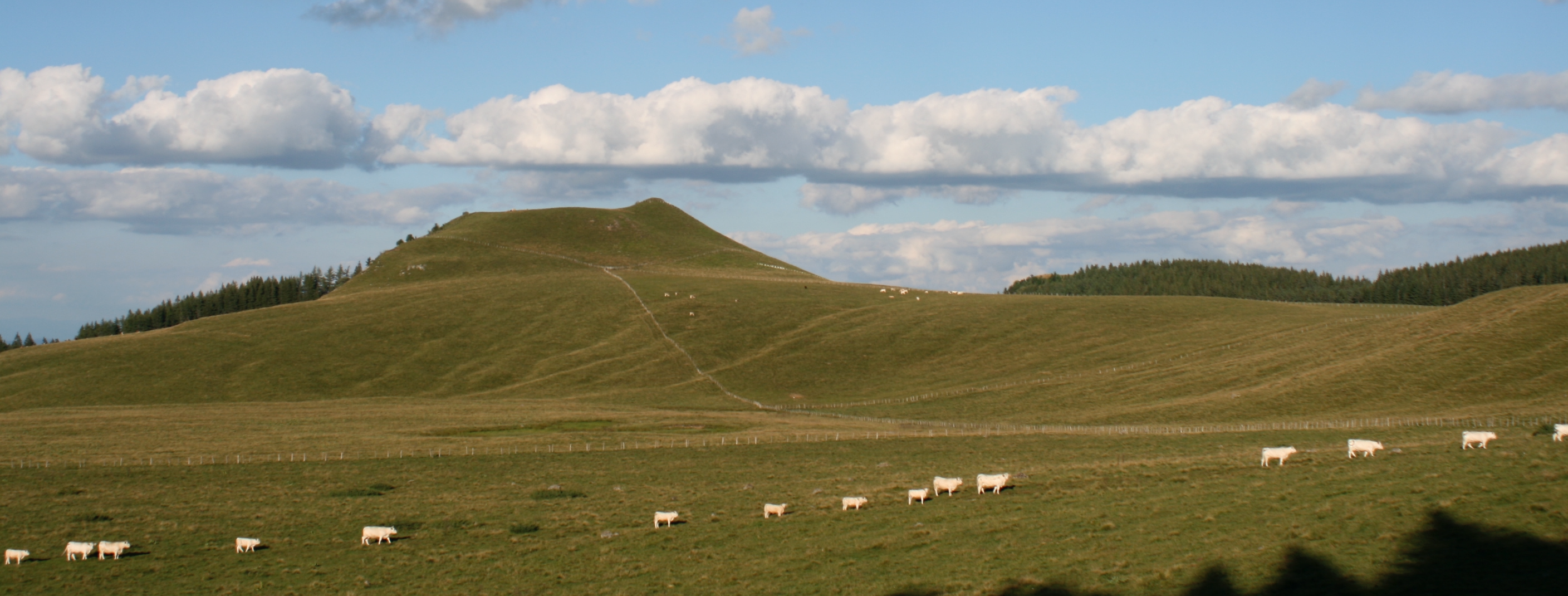
When we arrived, our hosts joked about a population boom—from twenty to twenty-two. There were no stores, not even a chapel, which in France just seems odd.
The place had never been busy. It wasn’t about to be.
.
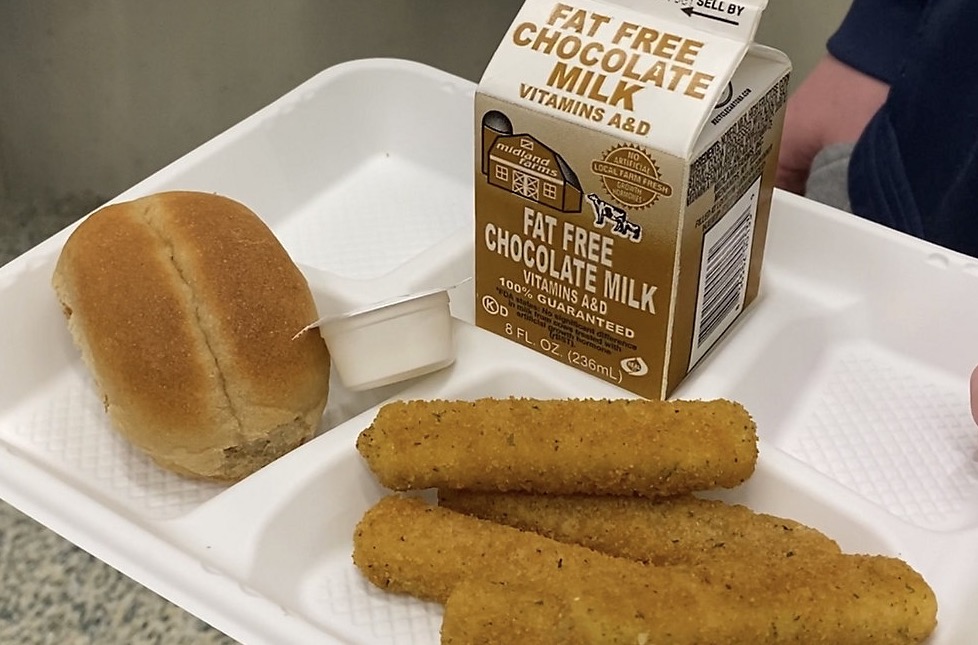
“We want fresh, local ingredients! We want a salad bar!” they protested, waving plastic-wrapped apples and Wonder Bread pizzas like props in a lunchtime revolution. It lasted about twenty-five minutes before they gave up and ate everything anyway. Hunger strikes are not in their nature.
The Work, the Days
After Paris, we drove south into Auvergne and stayed six weeks on the farm.
The work was steady, but it never felt urgent. We harvested fruit and flowers, made jams, bread, herbal teas. The kind of work that fills a day without rushing it.
Some mornings we stayed close. Other days we drove out—slow, wandering loops through backroads—stopping to forage along field edges and in the woods. Wildflowers, herbs, things I couldn’t name then and still can’t always name now.
Bertrand moved through it all by instinct. Lorraine translated that into something usable—teas, remedies, food. She understood the why of it in a way he didn’t need to explain.
Lorraine
Lorraine never introduced herself as an expert. You figured it out slowly—after a few days of following her through fields and realizing she didn’t hesitate. She knew two hundred plants, maybe more, in these mountains. Flowers, roots, leaves that blurred together a bit for me.
For her, each one had a use, a timing, a reason to take it or leave it.
The season was short, so we moved quickly. Out early, back late. Hillsides, field edges, bits of forest that looked empty until she stopped and pointed.
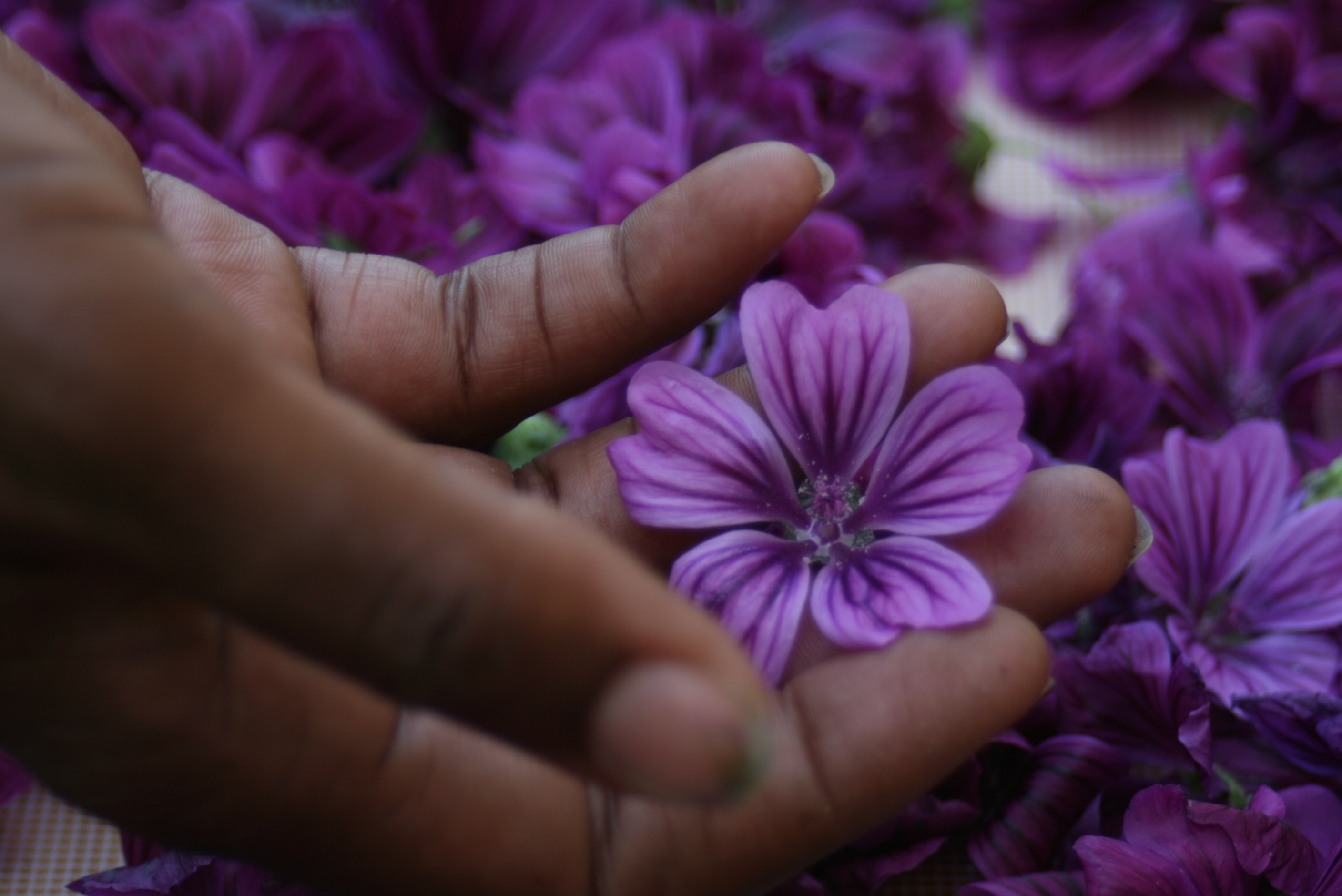
We harvested thousands of flowers—some for teas, some edible, some I still couldn’t name now. Pick, sort, carry.
She never drifted into autopilot. She was always scanning, adjusting, deciding.
Back at the farm, drying racks filled up. Flowers became blends—teas, infusions, done more from memory than recipe. Then preserves, jams, syrups, liqueurs. We doubled their output while we were there, just by being available. But we were only speeding up methods she already knew without thinking.
We made hundreds and hundreds of jars, bottles, sachets of flowers and tea mixes.
No notes, no measurements, no need to explain. Just repetition, attention, and time.
A Different Pace
After New York—the noise, the rush, etc., a stressful school year and I think we were even arguing with our landlords over something—this felt like stepping out into another way of life entirely.
Not a retreat exactly. Just… less.
Still, work stopped when it was done—and for lunch, of course. Meals took the time they took. No one seemed interested in optimizing any of it.
It wasn’t done for our benefit. They had their own rhythm that we became a part of.
What Stayed
I didn’t come back with something I could replicate in a classroom.
Nothing scaled well, or kept within our small budget, which was usually paid for my me.
Still, the trip changed how I thought about time a little. Learning the land closely, using it. Preparing without measuring and adapting closely to what you have.
And we learned a lot.
But I still don’t have a clean way to explain that part.
Suite de bourées (a series of dances) — Super Parquet (2019)
Super Parquet takes traditional central French dance form and runs them through repetition and looping — steady and slightly hypnotic. All rhythms connected to the Occitan heritage of Auvergen and occasionally sung in Oc as well.
Further reading:
 Keith Christiansen
 Keith Christiansen
 Keith Christiansen
Appendix
A great video about the history of the Langue d’Oc - in French.