Why the French Eat Horse
From siege survival to steak tartare, how cheval became just another meat.

Americans don’t eat horse. We grew up with reruns of Mr. Ed, Black Beauty, and the vague idea that horses are almost people. In France, not so much. Cheval is just meat—less common now, but still hanging around in supermarket coolers like a cultural ghost.
The reasons aren’t romantic. They’re historical. Revolutionary hunger, battlefield improvisation, and the logic of eating what’s available. It wasn’t about flavor. It was about getting by.
TL;DR
Horse meat (cheval) has been eaten in France for centuries—not out of preference, but practicality. Poverty, war, and shifting social values made it common. Though it’s fading, it’s still in supermarkets, a leftover from France’s long memory of making do.
Cheval Is Still on the Menu
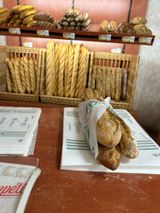
It catches me off guard sometimes —seeing horse meat in a French supermarket. Neatly wrapped, labeled cheval, stacked right next to the beef. Not a specialty item, not a relic. Just meat.
It’s not common, but it’s not shocking either. Horse meat in France exists in that quiet category of food that was once essential and is now just... there. Available. Familiar enough to not need explaining.
And while Americans tend to treat horses as something closer to family, the French approach has always been more practical. In times of scarcity, horses fed people. That memory stuck.
This Starts with Hunger, Not Habit
France didn’t fall in love with horse meat—it defaulted to it. Poverty, war, and survival made cheval a practical choice.
During the French Revolution, horses lost their aristocratic sheen and became dinner. By the time Napoleon’s army got stranded at the Battle of Eylau in 1807, eating the cavalry wasn’t symbolic—it was logistical.
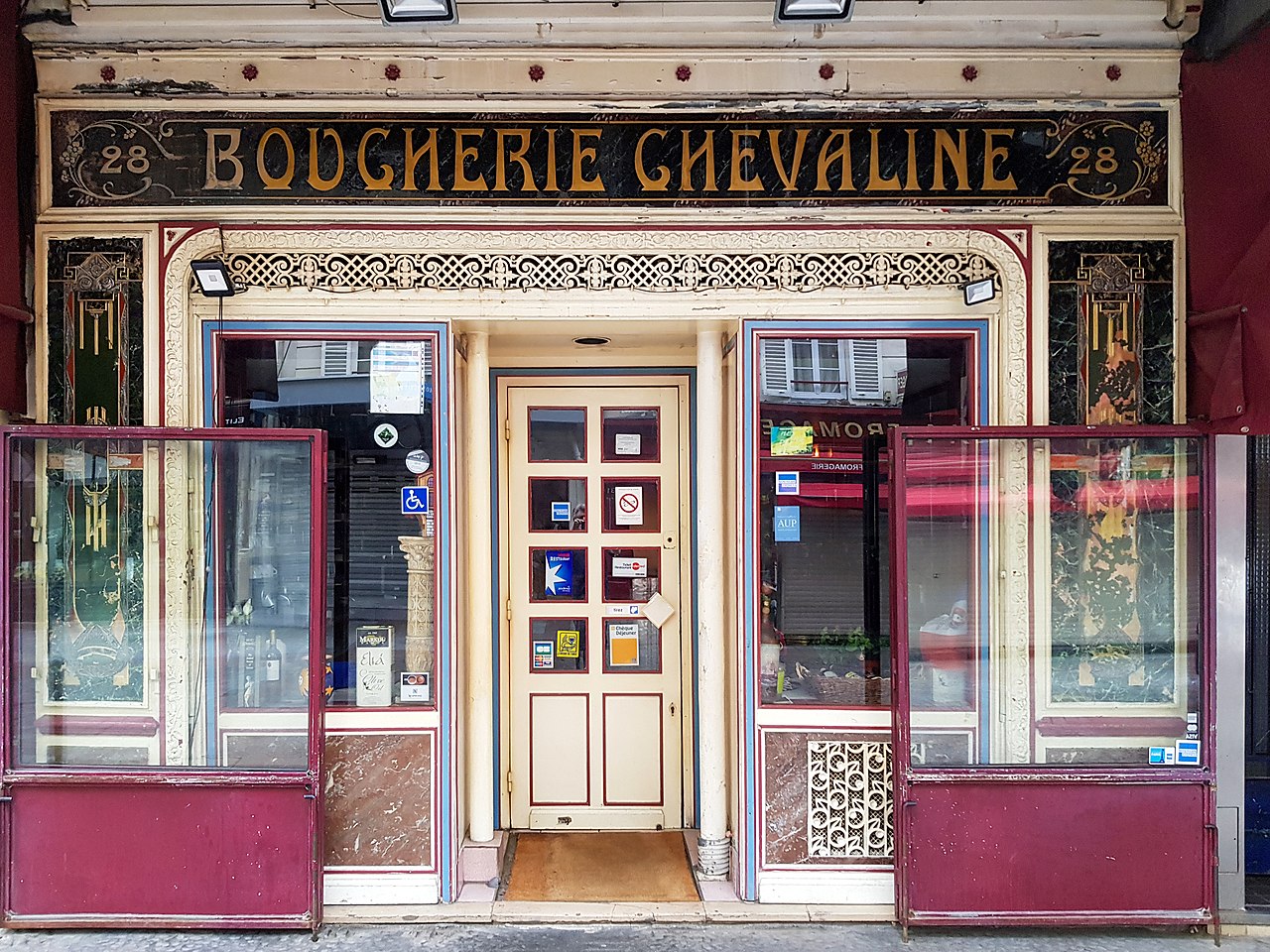
Later, in 1866, horse meat was officially legalized. Specialized butcher shops—boucheries chevalines—sprang up, with horse heads above the door to avoid confusion. By the time the Franco-Prussian War and the Siege of Paris hit in 1870, people were eating zoo animals. Horse meat was one of the better options.
Nutrition, Not Novelty
In the late 19th and early 20th centuries, horse meat was promoted as a nutritious alternative to beef. Leaner, cheaper, high in iron. It didn’t carry the same parasite risks as pork. It even made its way into steak tartare.
Banquets were held to normalize it. Parisian reformers argued it was more humane to eat retired workhorses than to let them collapse in the streets. There was even a moral spin: if you treat animals better, maybe society stays in check. A strange equation, but one that made sense after the guillotine years.

Still Around, Just Less So
Today, horse meat consumption is declining. In 2019, only 9% of French households said they bought it. That number keeps dropping.
But it’s still there—in markets, in memory. A leftover from a time when meat was just what you could get.
Other countries still eat it too. Italy, Belgium. A lot of the horse meat sold in Europe now comes from Latin America—Mexico and Brazil mostly. The UK exports it too, quietly.
In France, cheval is still on the shelves. Not as nostalgia. Just... as food.
Fading, Not Forgotten
Horse meat was never a delicacy—it was survival food. Legalized in 1866, normalized during the 1870 siege of Paris, it became a practical, even moral choice: better to eat a retired workhorse than let it die in the street.
By the early 20th century, it was everywhere. Lean, iron-rich, and cheap.
Today, only 9% of French households buy it, but it hasn’t disappeared. You’ll still find it in supermarkets, still see the old boucheries chevalines signs.
Cheval lingers—less as dinner, more as memory, maybe a bit niche.
Musical accompaniment
Horses Patti Smith (1975)
Patti Smith’s Horses (1975) is raw, poetic, and, IMO, remains an important album. Horses—it’s about motion, power, collapse. It fits. It didn’t just reshape punk—it opened space for women, weirdness, and language in rock.
I like it because it’s messy and deliberate at once. It doesn’t just rebel—it builds. Smith responds to The Velvet Underground with more literary qualities and, for me, lasting interest. The whole album is amazing. You don’t get PJ Harvey, Kim Gordon, or Michael Stipe without her.
Continued reading
 Keith Christiansen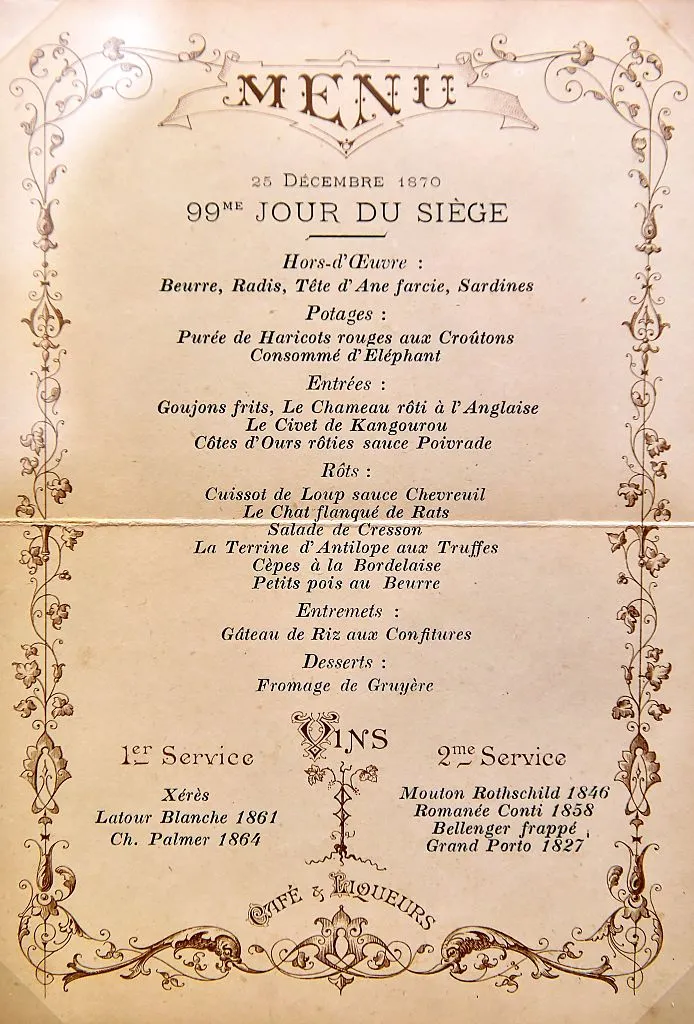
 Keith Christiansen