The Everyday Strange of Living in France
Trying to settle in a place that frustrates and fascinates, with paperwork endurance tests and existential cheese moments.
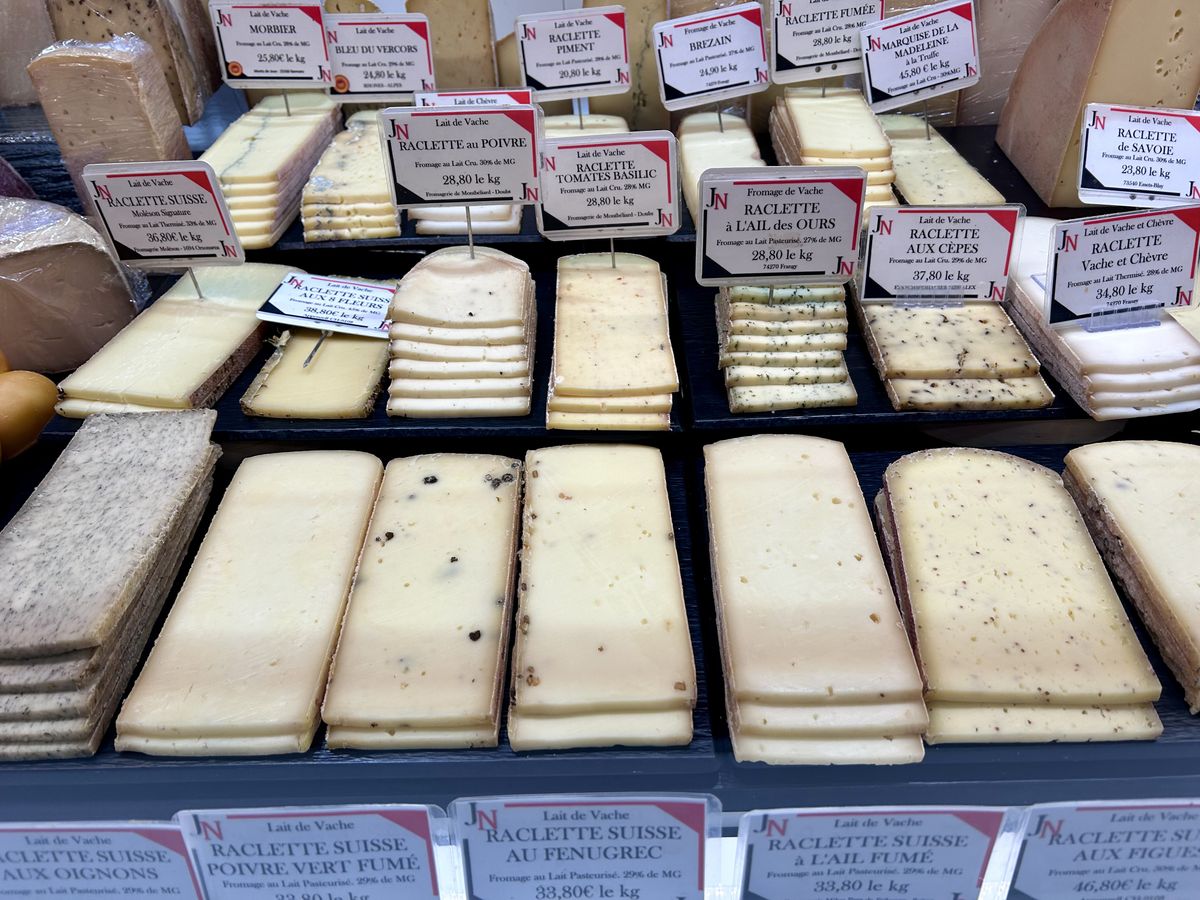
We didn’t move to France expecting it to be easy. We knew what we were leaving behind, but we didn’t know exactly what we were moving toward. And that’s the thing about moving abroad—no matter how much you plan, you can’t fully prepare for what it will feel like to actually live in a new country. To wake up one day and realize that nothing around you is quite familiar, that the place you now call home is still a little bit foreign to you.
TL;DR:
Trying to settle into France means learning to love the absurd: the cheese debates, the bureaucratic loops, and the slow realization that belonging isn’t a place—it’s a practice.
I was on the phone with a friend back in New York the other day, and she said, “So, is it home yet?”
I hesitated. “Well… it’s where we are.”
She laughed. “That’s not the same thing.”
No, it’s not.
more american
The longer I live here, the more I realize that I’ve somehow become more American in France than back in the States.
Maybe it’s because I’m constantly explaining myself—my accent, a preference for larger coffees, a tendency to expect things to be open when I need them to be.
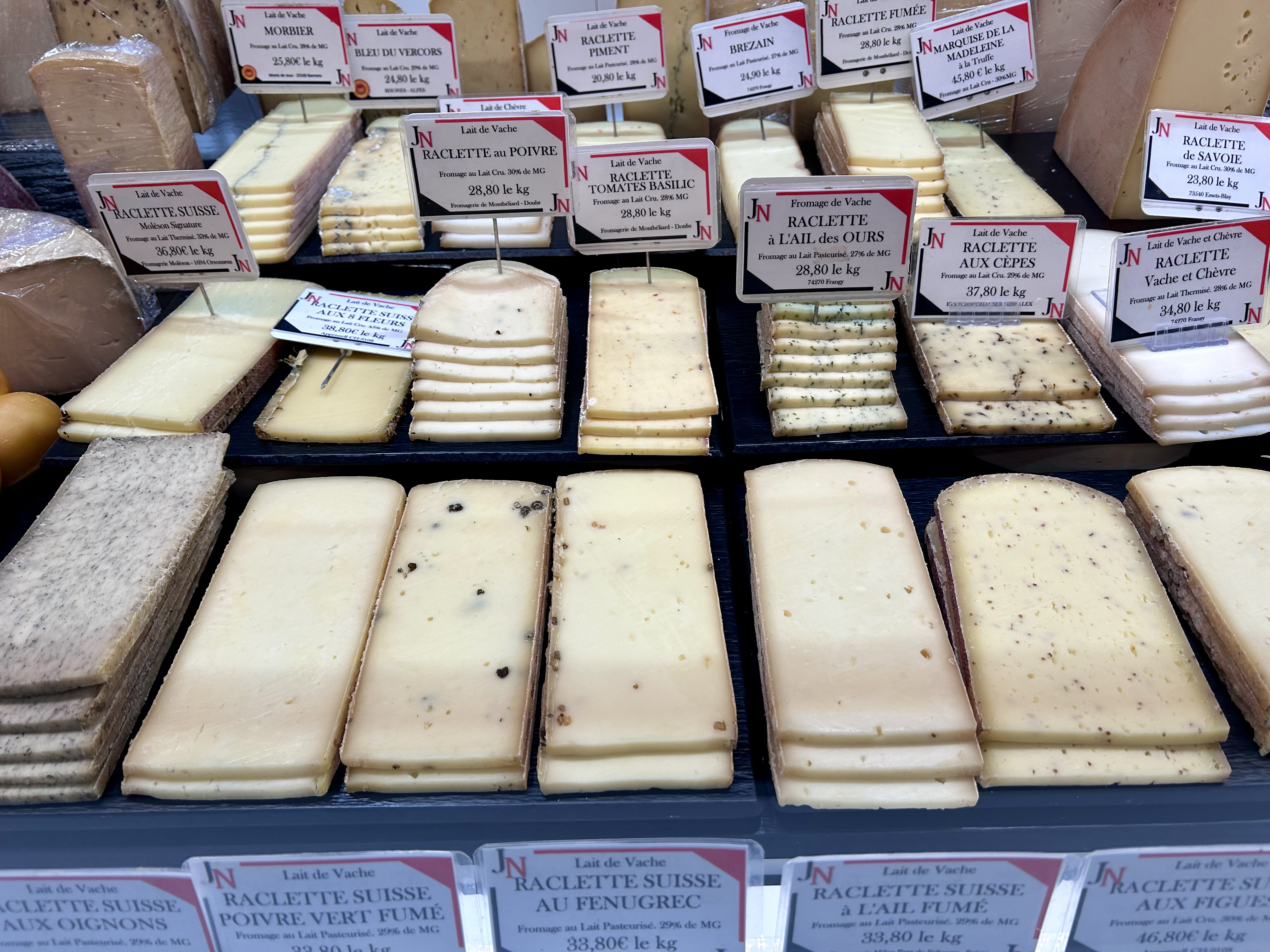
But it’s also in how I move through the world. I still walk too fast, expect decisions to happen too fast, still get impatient when the person ahead of me in line spends five full minutes debating the virtues of one chèvre over another.
There’s an almost instinctive fluency here—a whole vocabulary of cheese. Not just names, but uses, textures, the dishes they belong to. It’s lived memory, just not mine.
It’s not that I don’t appreciate it—I do. I might even want to talk about it. But I have that deeply American reflex that some decisions should be efficient, even if, honestly, they never were back home either.
Sometimes small things get a little existential, which can be charming—until it isn’t & someone in the dairy aisle is weighing two Camemberts with the kind of intensity reserved for deciding whether or not to have children.
Could you just move, monsieur?
Guy?
I’m not here to debate mold cultures.
Or—wait—is he talking to himself? To all of us?
About how it spreads?
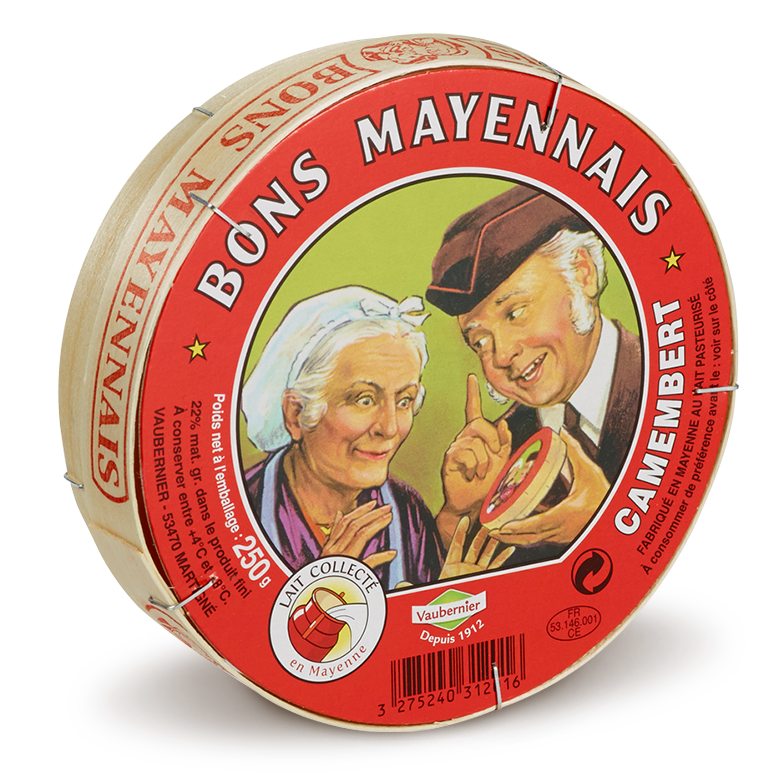
Some days, I don’t want to understand the language. I am here to grab that lait cru with two folks on the label who look like they are On the Verge of Gettin’ It On and then home.
Just a sec, guy. Thanks?
Parliament-Funkadelic – Standing On The Verge Of Getting It On
(Live, 1978, Capitol Theatre, NJ) | Tyrone Lampkin Drum Solo
Parliament in their prime were amazing beyond words. If you’re even a little into funk, this is everything. And the drum solo in the whole later half is amazing.
And why yes, that is a dildo bouncing around on the drummer’s high hats.
Parliament-Funkadelic wasn’t just music—it was a spectacle, equal parts absurd and brilliant, built for the groove and the weird. If you haven’t yet, go down that rabbit hole. Maggot Brain is a personal favorite—Eddie Hazel’s title track solo is pure devastation, played, as George Clinton told him, “like your mother just died.”
But I digress…
Cheese!
Cheese labels in France are a bit of their own art form. Some folks collect them—because, well, some people collect everything. Vintage wine labels? Sure. Old postcards? Of course. Some people wriute down the numbers of planes and trains – a lot of them. But cheese labels? Absolutely. There’s even a name for it: tyrosémiophilie.
The Camembert Museum has an interactive label museum!
Designs range from rustic to cute to surreal. Some are museum quality, others feel like folks have been alone too long, odd spacey images of rural French life.
Atlas Obscura has a great piece on cheese label collecting, JIC.
Less Fluent
I’ve started saying things in a weirdly French way when I talk to American friends.
“The weather, ça va,” I’ll say, without realizing it. Or I’ll ask someone, “Do you take a decision?” instead of make one.
I say, “c’est ça” with my nephews. They don’t even register it.
And I think I’m starting to confuse my English spelling more than I used to—nothing major, but little things. Double letters where they don’t belong. Second-guessing words I know are right. I used to be bombproof with English grammar and spelling, reflexive even, but reflexes aren’t the same.
I mentioned this to a French friend the other day, and she shrugged. “C’est normal,” she said. “You live here.”
The Fantasy vs. the Reality
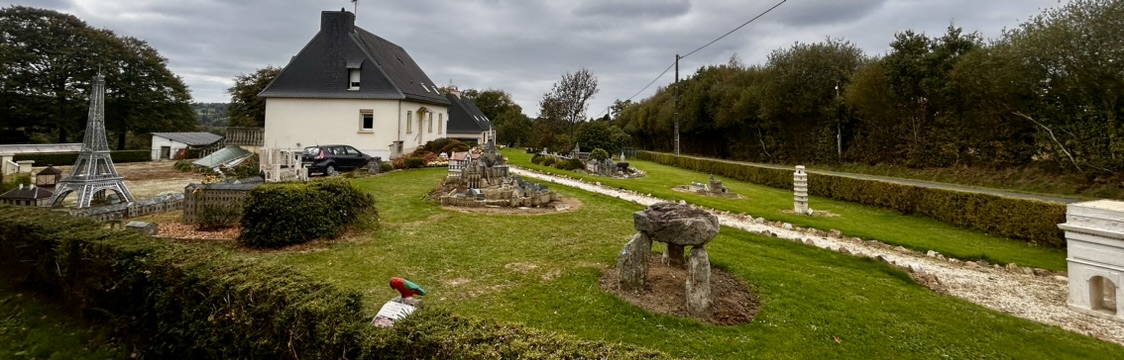
A while back, I wrote about Searching for a Motive: Our Journey to France—why we left the U.S., and what we thought we were heading toward.
Leaving is one decision. Staying, adapting, and actually building a life after? That’s the hard part.
It’s easy to romanticize the move. Long café afternoons. New friends. Fresh bread every morning. The reality: paperwork. So much paperwork. Everyone warns you, but until you’re knee-deep in it, you can’t quite grasp how creative French bureaucracy can get.
One side of France lulls you with food, wine, and calm conversation. The other is staffed by bored sadists who seem to exist purely to invent new forms of administrative suffering.
Try explaining to your bank that you can’t get an electricity bill without a bank account—but you can’t open an account without an electricity bill.
Then there’s the accent. You’ll never fully lose it. No matter how fluent you get, you’ll always be l’Américain.
There’s a look for it—the slight head tilt, the flicker of amusement, the silent, “Oh, how adorable, he thinks he speaks French.”
I taught middle school for twenty years. I know that look. The smug patience. The “go on, impress me” energy.
Now I have a look of my own: a blend of polite condescension, weary empathy, and just enough impatience to make them wonder if this is really a game they want to play—or if they should just sell me the thing and move on.
It works. Mostly.
I’d love to say this is a French thing, but it’s not. It’s just adults. Some people can’t resist the power trip of making you prove yourself. The language changes, but the dynamic stays eternal.
Still, standing in a boulangerie, holding a warm baguette, I know this was one of the best decisions we ever made.
Fuck you, Baguette Employee.
God, this bread is warm.
What an odd mix of emotions this country is.
If I Had to Do It Again…
Would I do it again? Probably. But I’d do it differently. In Starting Over: From Burnout to Belonging (Sort Of), I wrote about how leaving wasn’t just about a new life—it was about trying to find a different rhythm, one that wasn’t dictated by overwork and exhaustion. It’s funny how the rhythm of it is still a thing that throws me.
The U.S. runs on hustle culture. France runs… differently. I mean, the months-long protests and riots in this city all seemed to take a break for lunch every day. Tire fires were extinguished near 5pm, mostly.
That shift in pace has been one of the biggest adjustments. It’s one of the things I love most about living here, and also one of the things that drives me absolutely insane. I still forget that some shops just… close in the middle of the day.
I still get impatient when a process takes longer than I think it should. But maybe that’s part of it—learning to let go of the constant need to optimize, to move faster, to do more.
Some days, France feels like home.
Other days, it feels like we’re stuck somewhere in between. Maybe that’s okay. Maybe we don’t need to have it all figured out yet.
-k
If you’ve ever lost patience—or found wisdom—in a supermarket aisle, let’s hear it.
Further reading:
 Keith Christiansen
 Keith Christiansen
 Keith Christiansen