Fabada, Vacuum-Sealed
A market in Gijón, a bag of beans, and how to cook Asturias anywhere
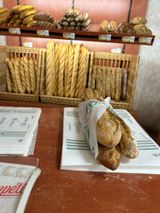
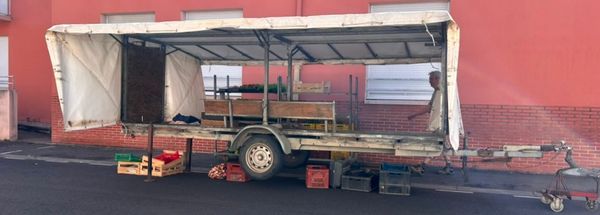
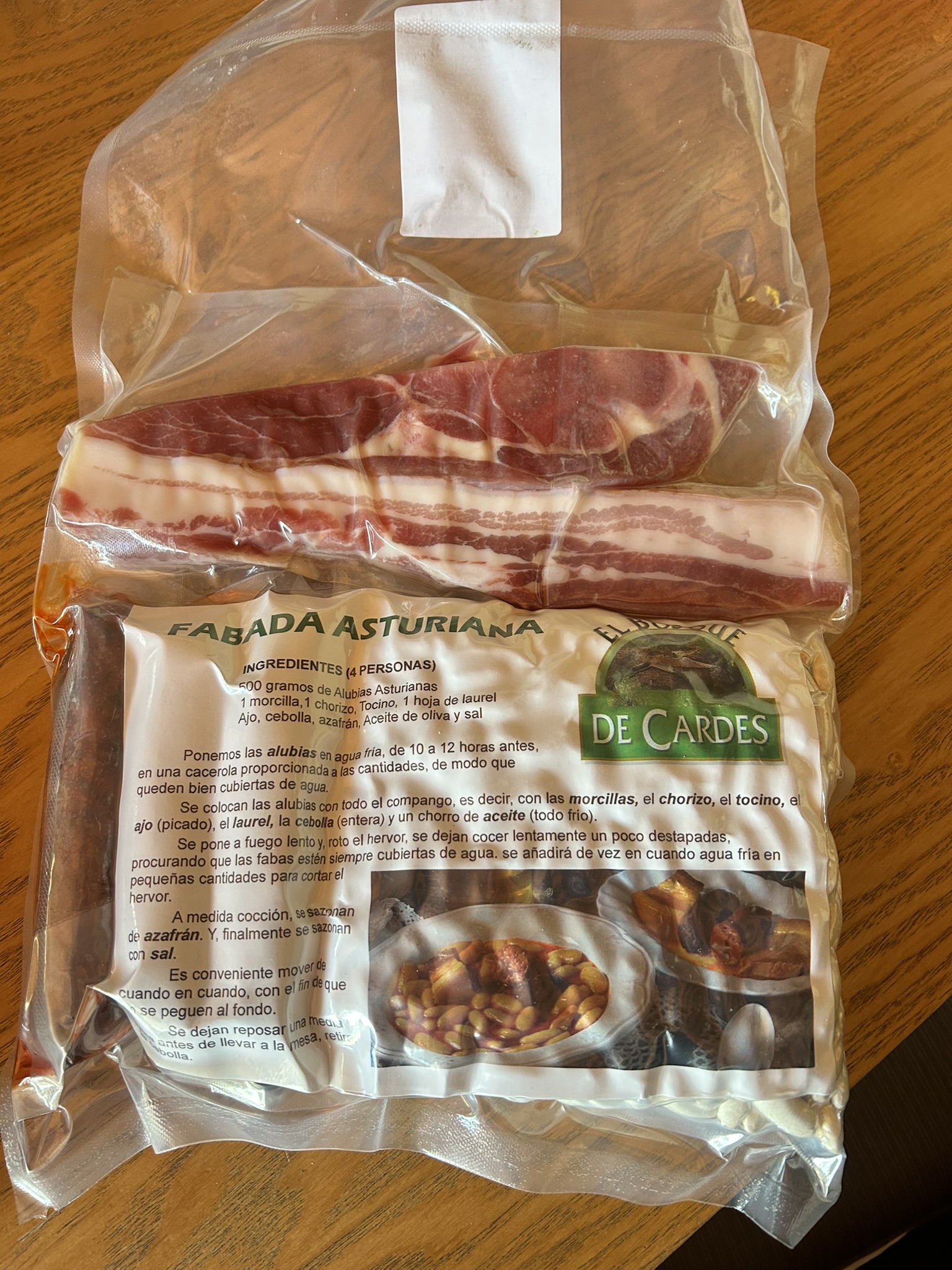
I bought a vacuum-sealed bag of fabada at a crafts fair in Gijón, mostly because I didn’t understand why there were so many of them.
And because my friend Luis said that I absolutely had to make the real fabada for my wife, not some Frenchified knock-off version.
It stays lighter than you’d expect because nothing is aggressively browned. No heavy fat rendering at the start, no reduction into sludge. The broth stays clear, even as the beans thicken it from within.
Honestly, the food chemistry is a bit beyond me. I should look up what is happening there…
TL;DR
I bought a vacuum-packed fabada kit and wild boar chorizo at a crafts fair in Gijón, then realized these kits are everywhere in Asturias. Here’s what’s inside, how long they last, why the beans matter, and how to make a real version at home—even in New York, the UK, or France
Asturias, Vacuum-Sealed
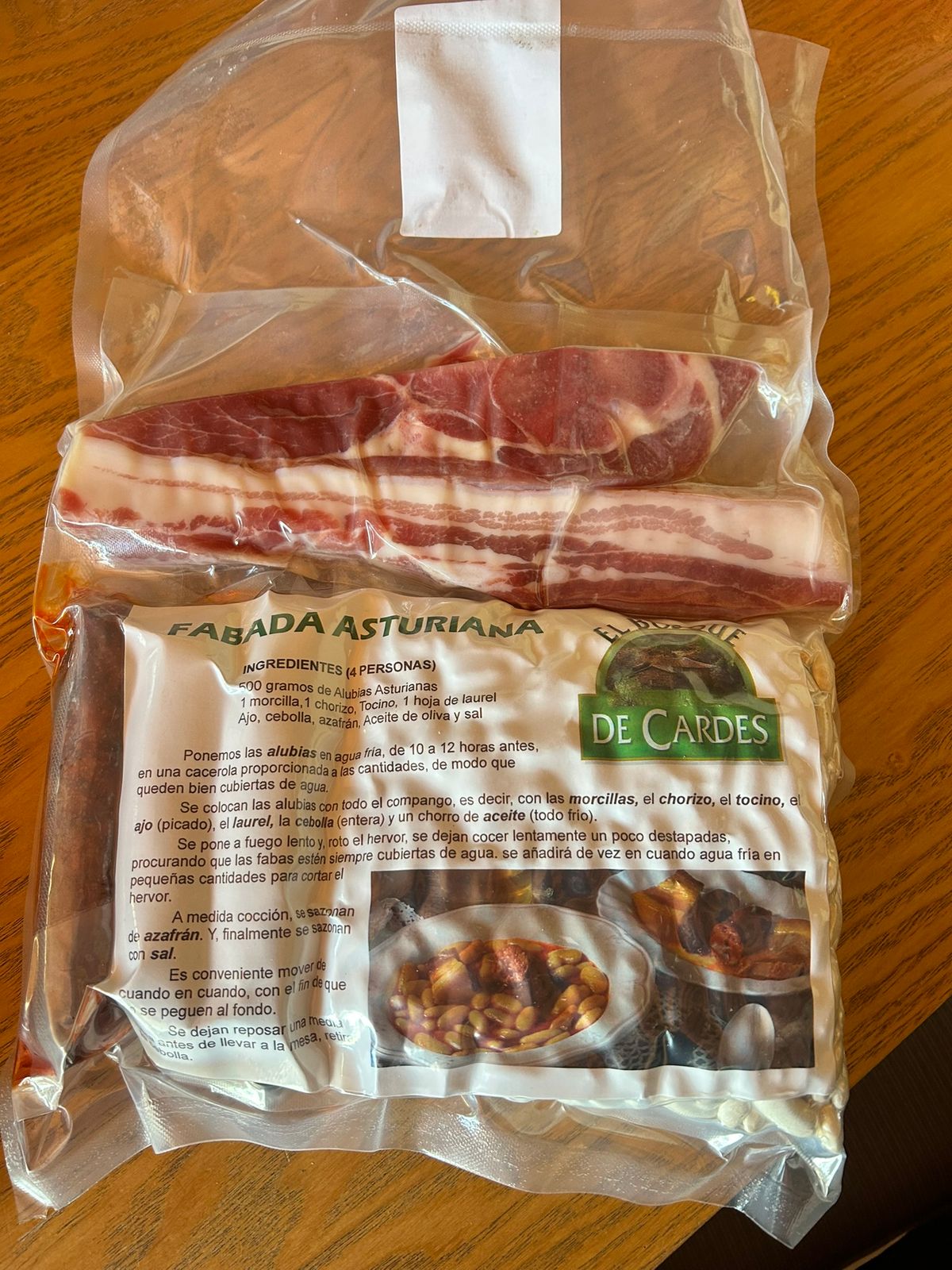
Vacuum-packed slabs of pork belly. Chorizo the color of rust. Dark morcilla. Beans that likely cost more than everything else in the pack. And then these little kits, stacked in rows like rations. Fabada Asturiana printed across the front. Beans, meats, instructions. Everything but the pot.
I bought one after a lot of encouragement from a friend. Also a wild boar chorizo from the same stand, because that’s what you do at a crafts fair in northern Spain.
For days, walking through the city, I started noticing them everywhere. Not just at the fair. In small shops, grocery stores, even places that didn’t seem particularly food-focused. These sealed kits are all more or less the same.
Most “ready-to-cook” food is designed to save time.
This does the opposite. It removes decisions, not time.
It made me wonder how long they last. The answer is: longer than you’d expect.
If they’re properly vacuum-sealed, these packs will usually keep for several months unopened, sometimes longer depending on how they were processed. The beans are dried, obviously stable. The meats are cured or semi-cured, and the lack of oxygen buys you time.
Still, they’re not immortal. Keep them cool, don’t treat them like pantry decoration, and once opened, you’re cooking.
The beans matter more than you think
Fabada is often described as a bean stew with pork. That’s technically correct and completely misleading.
The beans are the dish.
In Asturias, they use fabes—large, soft-skinned white beans that collapse just enough to thicken the broth without losing their shape. They’re not chalky. They’re not firm. Kind of in between, & they carry everything else.
You can make fabada without the exact meats. You can adjust. You can improvise. Never mind what people tell you.
But don’t fuck up the beans.
That’s why these kits include them. Not just convenience, but control. You’re buying the whole dish. This is a 6-hour shake and bake.
[more about the history of ready-made foods in America than you might ever want to know…]
What’s inside the kit (and what it’s doing)
Mine had:
- Asturian white beans
- Chorizo
- Morcilla
- Tocino (pork belly)
The rest is assumed: onion, garlic, bay leaf, saffron, olive oil, salt.
It’s a complete system. Fat, spice, starch, time.
You don’t brown anything. You don’t build layers the way you might with a French stew. This is basically a cassoulet where you don’t sauté.
Start everything cold, let it go low forever.
The cooking is slow and quiet. The transformation happens almost without you.
How to make it (anywhere)
This is one of those dishes that travels well, as long as you respect the rhythm.
Step 1 — Soak the beans
Overnight. 10–12 hours. No shortcuts.
Step 2 — Build the pot (cold start)
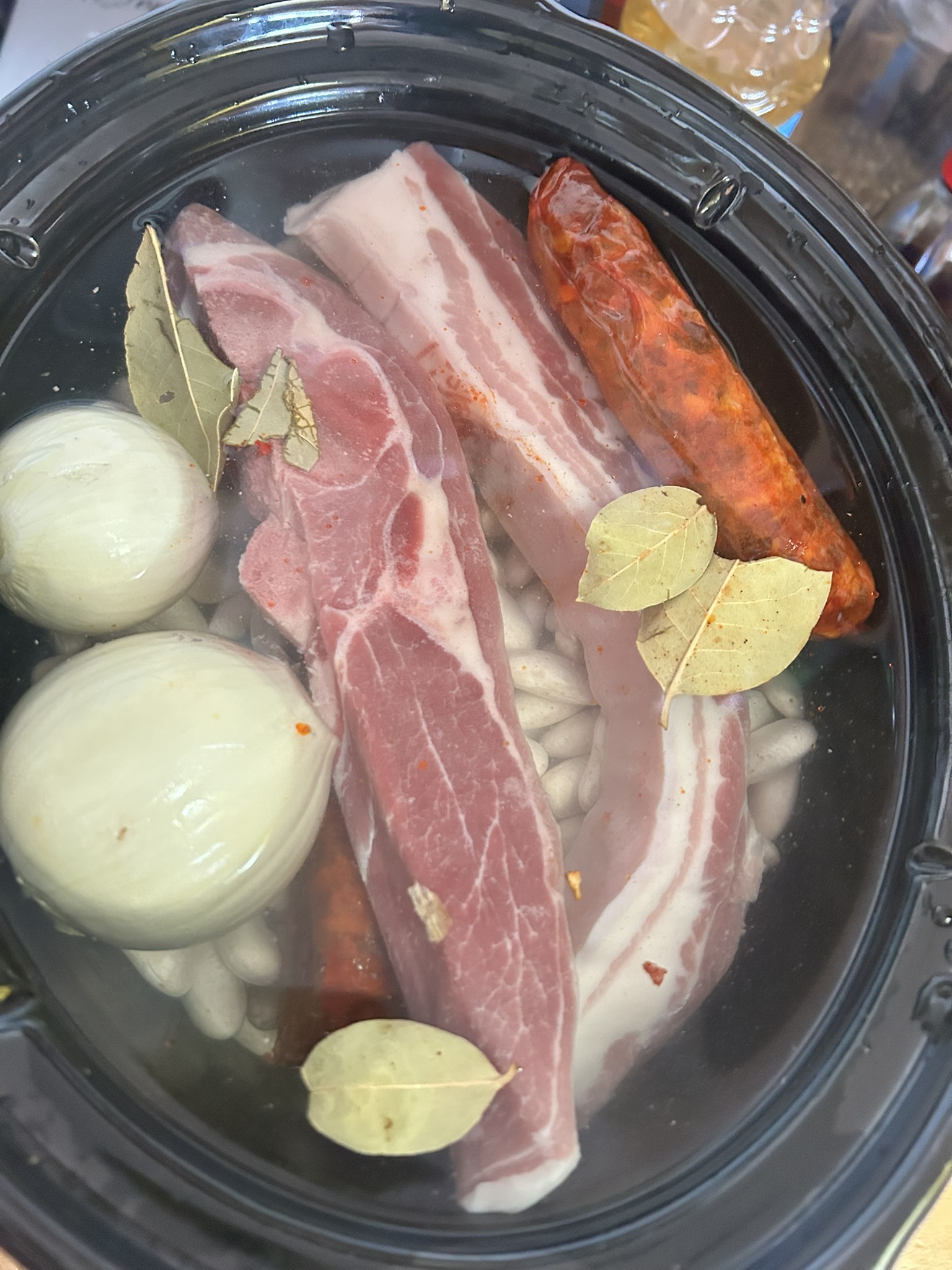
Beans, water, meats, garlic, bay leaf, whole onion, olive oil.
Everything goes in together. No searing, no staging.
Step 3 — Low heat, long time
Bring it just to a boil, then drop it down.
Let it go for 2.5 to 3 hours, partially covered.
Keep the beans submerged. Add water if needed.
Step 4 — “Scare” the beans
At least that’s what they call it on this recipe card. I have been cooking beans for years & I have been doing this exact thing. I never heard of it.
Every so often, add a splash of cold water.
It stops the boil, tightens the skins, keeps the texture right. It sounds weird. It works - no beans broke up in 7 hours of cooking.
Step 5 — Finish
Saffron goes in during cooking. Salt at the end.
Let it rest before serving.
That’s it. No tricks beyond waiting and letting it cook.
How I fucked this recipe up
I’m sure my friend—and any Asturian with an opinion—will correct me, but:
I don’t see the point of the saffron. At all.
Use turmeric for color and you’ll get close enough. The smoky sausage overwhelms it anyway, and I used a lot. At €6 a jar in Spain, I was basically decorating with it.
Someone will consider that a violation.
I added garlic. That’s contested.
I wanted to add a carrot. I didn’t.
I added two dried hot peppers, which I put in almost everything that isn’t dessert. And occasionally things that are.
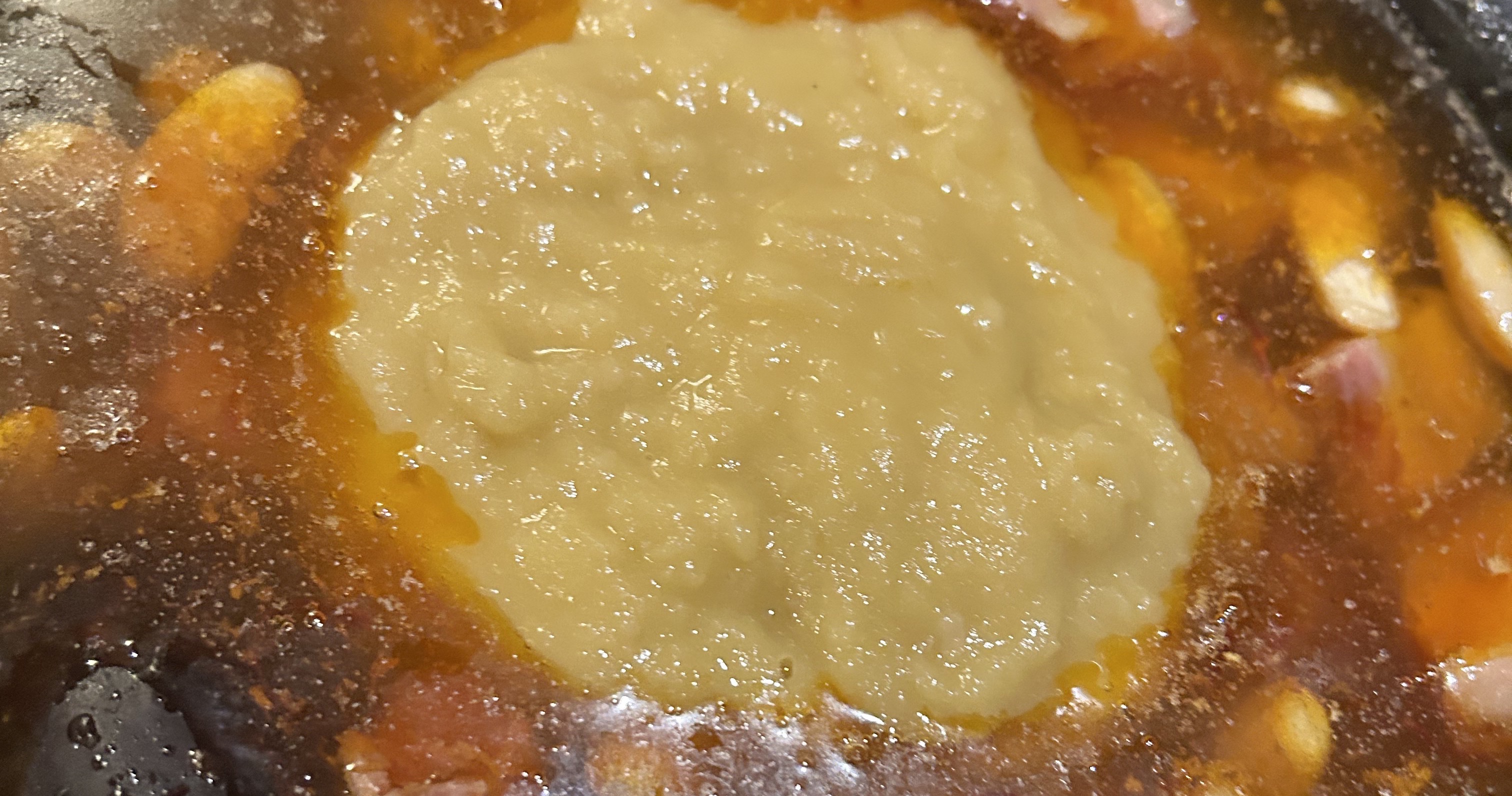
Then I fished out the onion and garlic, puréed them, and put them back in. Another violation. I think you’re supposed to discard the onion. I don’t see the point in wasting anything, especially in a dish built on economy.
This is basically a cassoulet where you don’t sauté—just smoked sausage and a lot of paprika. Start cold with everything, let it cook low forever.
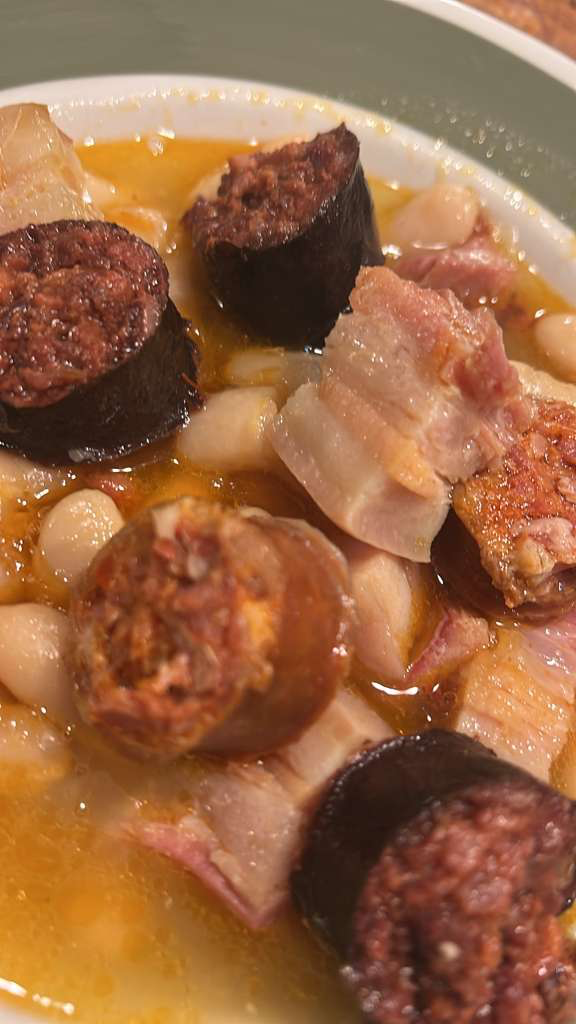
It’s excellent.
Way to go, Spain. I can’t believe my friend had to persuade me to get this. I should have bought 2 kits.
Making it outside Asturias
This is where it gets interesting.
Because the dish isn’t precious. It’s specific, but not fragile.
New York
- Beans: look for large white beans — corona, gigante, or even good-quality cannellini
- Chorizo: Spanish if you can find it, otherwise a smoked, paprika-heavy sausage
- Morcilla: blood sausage if available (there are good Latin American versions), otherwise skip or substitute with something fatty and dark (not perfect, but workable)
- Pork belly: easy
The biggest adjustment in NYC is resisting the urge to overcomplicate it. You don’t need to “chef” this. Go read a book, watch a movie - or two, nap.
UK
- Beans: butter beans can work if you’re careful with cooking time
- Sausage: decent Spanish imports are easier to find than you’d expect
- Black pudding stands in well for morcilla, put it in towards the end when everything else is almost done.
France
- You’re halfway there already
- Haricots blancs (especially from the southwest) work well. I like the Vendee ones for this.
- Saucisse + boudin noir can get you close. Add some paprika
- Pork quality is rarely the problem, even if my friend insists that it’s not a Spanish stew if it doesn’t have Spanish pork and Spanish sausage.
Where this fits
There’s a reason these kits are everywhere in Asturias.
They’re not tourist products, exactly. They’re closer to insurance. A way of keeping a regional dish intact even when you’re busy, or tired, or far from where you grew up, you can still put this on the table and have it feel right.
I bought mine at a crafts fair in Gijón, along with that wild boar chorizo I didn’t need but couldn’t ignore. That will go into the stew tomorrow because we’ll eat a lot of the meats tonight.
This hung around for a bit before cooking it. Not because I forgot. Because it felt like something that required a whole day, even if it takes minutes to set up.
Fabada isn’t difficult. It just asks you to give it time.
I’m sure I got something wrong.
What would you have done differently?