The Internet With an Accent
How moving to France changes even your online life

I assumed the internet would be pretty much the same when we moved to Europe. But it isn’t, not really.
Same Google. Same inbox. Same panic-searching “how to fix, uh, something” first thing in the morning.
France different logic shows up on the Internet.
Some pages just... don’t work. Others greet you with “not available in your region.” And even when they do load, they don’t always make sense - or not the sense I am used to.
It’s not just the language. It’s the ecosystem. The rules. The rhythm. Even the pop-ups are different.
TL;DR:
The internet isn’t universal—it shifts across borders. In France, even supermarkets are geolocated and cookie pop-ups are a kind of privacy protection whac-a-mole game. When translating or navigating bureaucracy, privacy also matters: Google Translate is fast but least private, DeepL is smarter and safer, and Vivaldi (with Lingvanex) offers the best privacy for everyday reading.
I’m no expert on any of this, just another end user, but the change is tangible.
In the past year alone, it seems like the rules have shifted. The EU’s Digital Markets Act started forcing Big Tech—Google, Apple, Meta—to unbundle services, expose their algorithms, and give users choices about their data.
Uber was fined $324 million for sending EU user data abroad without proper safeguards. At least in some ways, it made it clear this isn’t just bureaucracy, it has teeth.
The US is very uneven about this kind of thing. Here, you’re not just using a French IP—you’re moving through a different legal terrain.
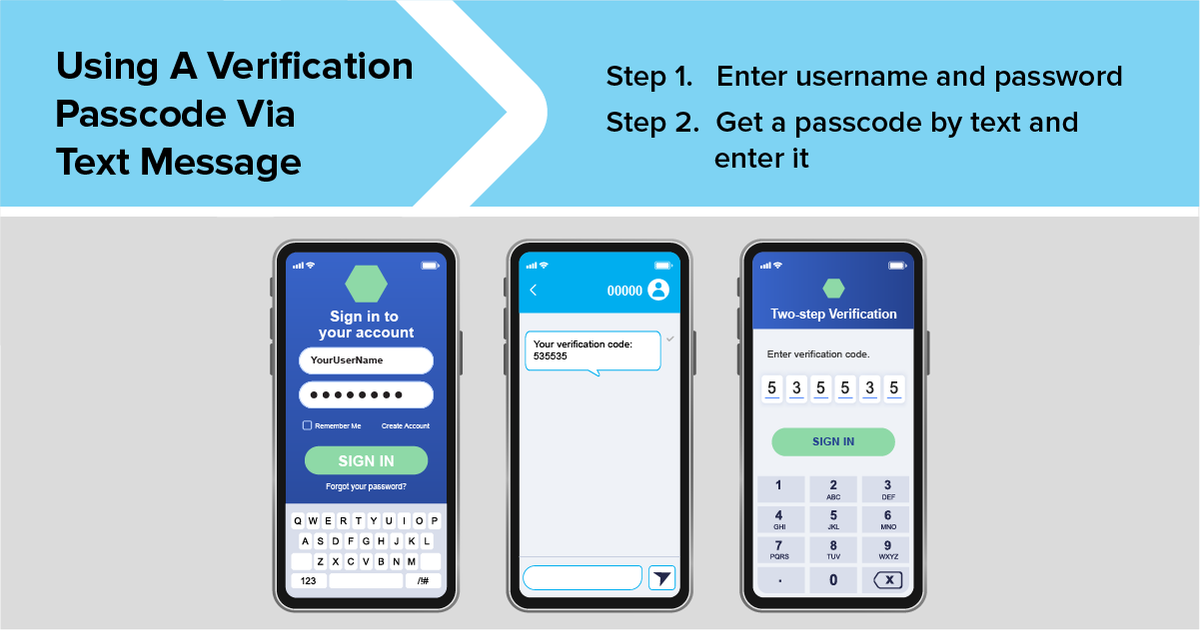
quadruple authentification
That’s what’s behind all those pop-ups. Not just spammy opt-ins, but EU law—GDPR, the ePrivacy Directive—forcing websites to offer real choices: accept, reject, or micromanage every cookie like it’s a houseplant you didn’t ask for.
And then there’s the fine print. Pop-ups, requirements, cookies—Europeans handle it differently.
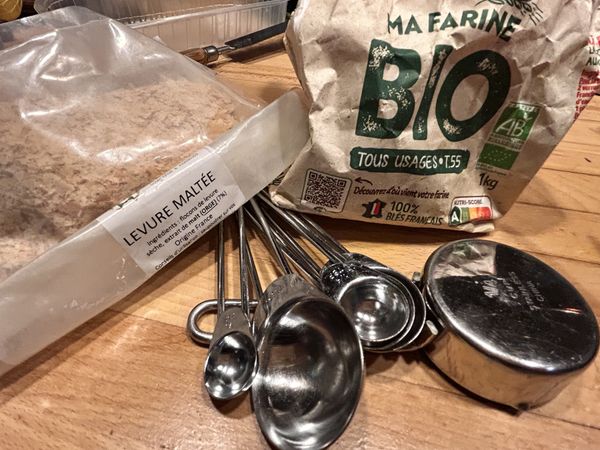
Your thermostat manual? Six languages, none of them helpful to me, or written in visual symbols that would flummox the people who write this for Ikea.
think of the savings
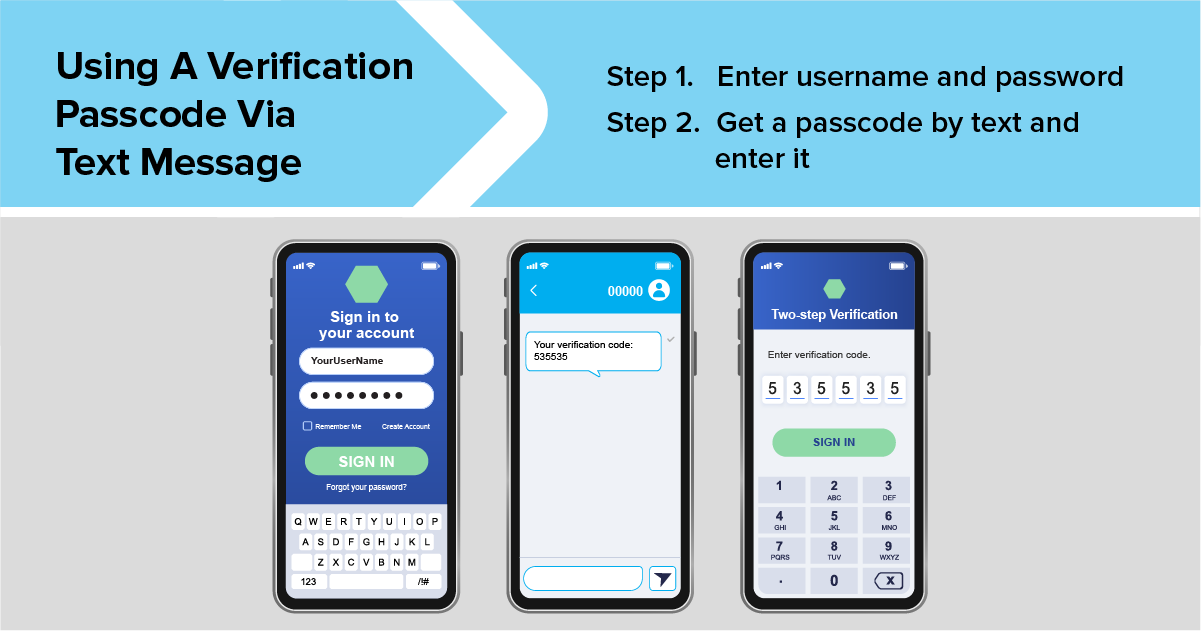
My banking app now makes me click through about six times—on at least two devices—just to buy something online.
Click on the purchase button.
Then I get a notification on my phone—click that.
Sign in—click that.
“Pay for this?” Yes/No—click that.
“You’re sure?” Yes/No—click that.
Back to the website—“Yes, please, I still want this.”
Then done. Finally.
To be fair, I am spending less.
So instead of yelling at my phone (my default strategy for the first few months), here are a few tools and tricks that have actually helped.
Essential Language Tools
Google Translate
The fastest, easiest, and least private option. It slips into your browser seamlessly and is great for quick reads. You can install the Chrome extension, right-click any page, and select “Translate to English.” It’s not perfect, but it gets the job done fast.
That said, everything you translate goes through Google’s servers—so if privacy matters to you, keep scrolling.
DeepL
For anything serious—immigration papers, lease agreements, or whatever our thermostat is pretending to say—DeepL has been a lifesaver. They allow for a few few translations of documents each month, which works for us.
You’ll be surprised by what’s useful to translate - the thermostat manual, for example.
It’s especially good for French and Italian, and the translations read much more naturally than Google’s. You can also use the DeepL Chrome extension to highlight text and translate in place without leaving the page.
DeepL handles data more responsibly than Google: your text isn’t used for advertising, but it still runs through their cloud servers. It’s what I rely on for official documents.
Vivaldi (with Lingvanex Translator)
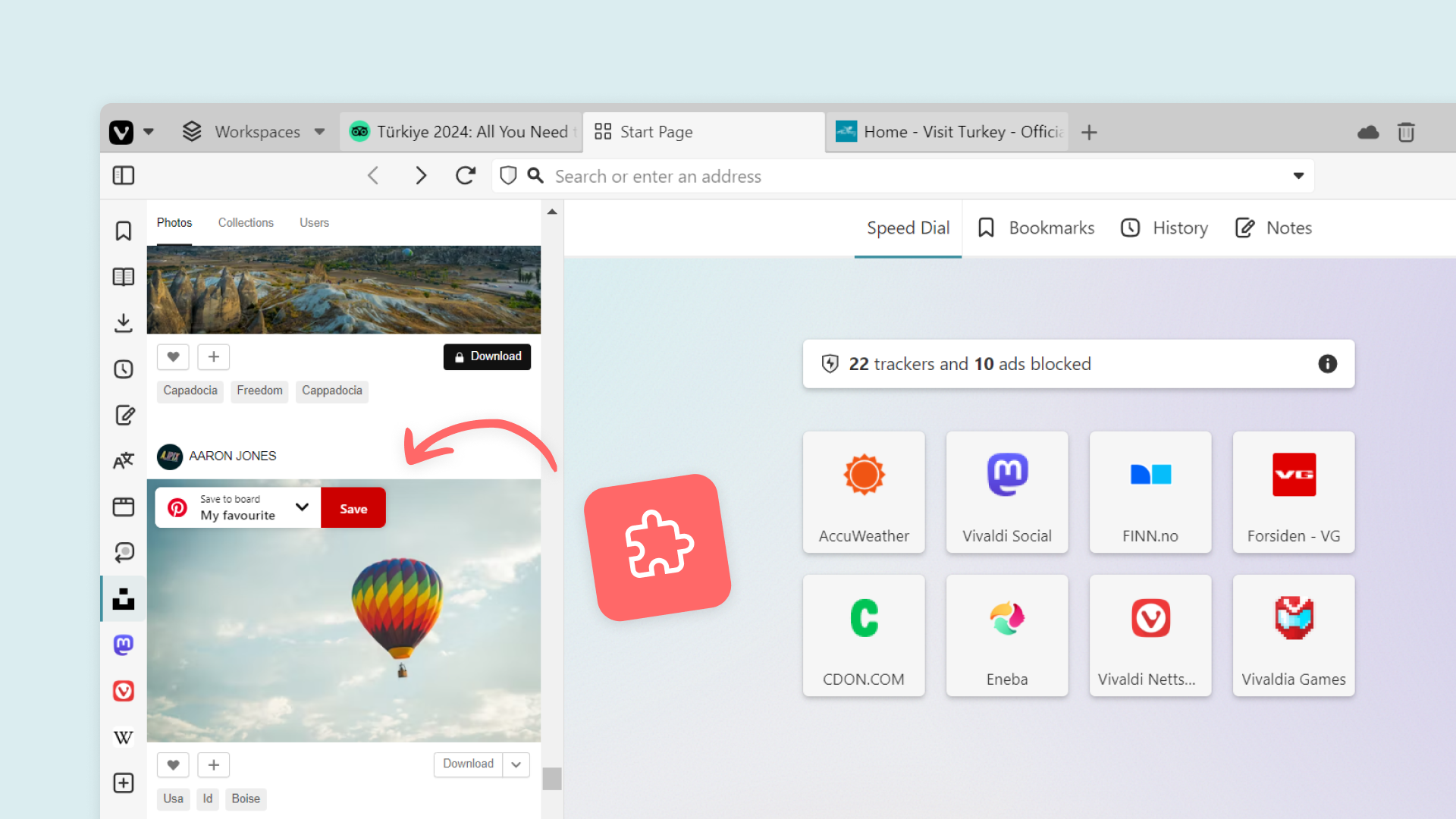
If you want privacy, Vivaldi is a great option, even if it feels a bit like you’re stepping back in time a few years. But security is their whole schtick.
The browser is based in Norway and has a built-in translation tool powered by Lingvanex, which runs on Vivaldi’s own servers (not Google’s) and doesn’t store or track what you translate.
When you open a foreign-language page, a translate icon pops up in the address bar—click it, and the page instantly becomes readable. You can also right-click and translate just a section if you want to keep the layout intact.
It’s surprisingly smooth and ideal if you just want to read in peace without giving away your data.
In short, privacy ranking:
👉 Google Translate → DeepL → Vivaldi (most private)
Microsoft Translator
I don’t love it. I rarely use it, but it’s full of interesting features, especially for people combining translation with language learning. Maybe I’ll get to it eventually, like the Google AI tool that lets you talk with your translator app via AI.
Helpful, but also not uncreepy.
Other Browsers
If you’re using something else:
- Firefox: DeepL and Google Translate extensions both work well.
- Brave (and other Chromium browsers): You can use Google Translate.
Other Settings That Matter
Changing Your App Store Location
Switching your App Store (or Google Play) to France can unlock local apps. But: you might lose subscriptions you’ve already paid for in the U.S. I haven’t done it yet—mostly it seems to only affect grocery delivery—but it’s on the horizon.
[update: I have done this, I lost ones that depended on the Apple Store for my subscription, didn’t lose the ones that did not. ]
Language & Region Settings
Changing your phone’s language to French is a bold move. Potentially useful, but also a recipe for panicked late-night Googling when you can’t find “settings” anymore.
What is useful: adding keyboards in different languages. Much easier, low stakes, and a nice bridge step.
A Note on Coding
A French friend once told me that most programming languages are based on English—so learning one language helps you learn another. He also said coding in a second language can be discouraging for some. It’s not universal, but I’ve definitely found language to be a bigger barrier online than expected.
Closing Thought
The internet may be global, but living abroad reminds you it still has borders—linguistic, bureaucratic, and just plain weird ones.
And no translation app yet has a button for “please just f*c&ing work.”
Which translation tools have worked best (or worst) for you when navigating life in another language?
extra bits:
At the same time, not changing the location means that there are local apps that “will not be available in your region.” I haven’t changed the location yet, but may some time in the next year. Mostly, it seems to only affect grocery shopping.
Changing your phone’s language is an ambitious step and while it can be very helpful, but it can also incredibly confusing. I’d approach this cautiously depending on how confident you are with your target language.
However, it is definitely useful to add language keyboards to your device.
Further reading
 Keith Christiansen
 Keith Christiansen
 Keith Christiansen