Who Is the Mâchon For Now?
Tripe recipes, traditions and when worker food becomes marketing heritage
An early-morning tripe breakfast in Lyon becomes a lens on disappearing worker food, rising costs, fading offal traditions, and how dishes once born of necessity now survive mostly through preservation, nostalgia, and curious outsiders.
TL;DR
An early-morning tripe breakfast in Lyon becomes a lens on disappearing worker food, rising costs, fading offal traditions, and how dishes once born of necessity now survive mostly through preservation, nostalgia, and curious outsiders.
This one wanders a bit. But some of the stories didn’t add up for me. The recipe works, though I’m not sure many will cook it, and the song is more lament than anthem. This one may be a bit choppy - the recipe is halfway down if you wanna skip. —K
Morning in an empty bouchon
We were the only ones in the restaurant. At 8 a.m. In Lyon. Eating tripe.
A breakfast built for silk workers, now served mostly to people like us. The chef described it as a tradition they are trying to keep alive.
Before we went in, my friend Anthony looked at the quiet place and the quiet street and said,
“Are Americans the ones keeping this tradition alive now?”
It was a joke. Not entirely.
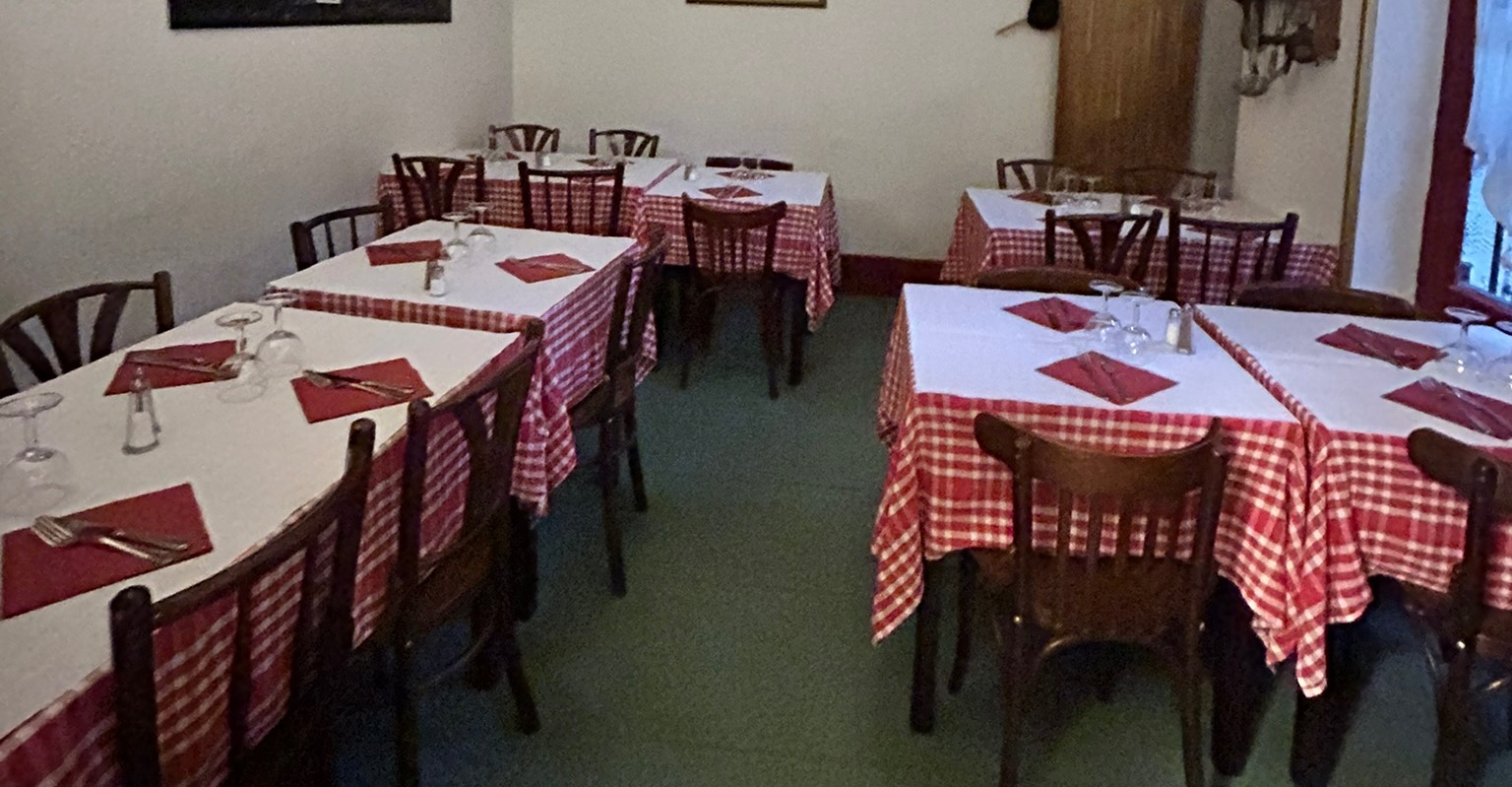
Inside, the room was warm, quiet, faintly smelling of coffee and the morning food prep. My wife said after the meal, “it felt we reserved the whole place.”
For most of the morning, we had. Two locals came in, stood at the bar, had an espresso and stepped outside for a cigarette — a far more typical French breakfast now — and left unfed after a quick chat with the owner.
“The mâchon went away for a long time,” the chef told us. “Now we try to revive it. There are no silk workers, different rhythms, maybe less appetite for this kind of morning, but it’s a good tradition. We love it.”
We stayed. We ate.
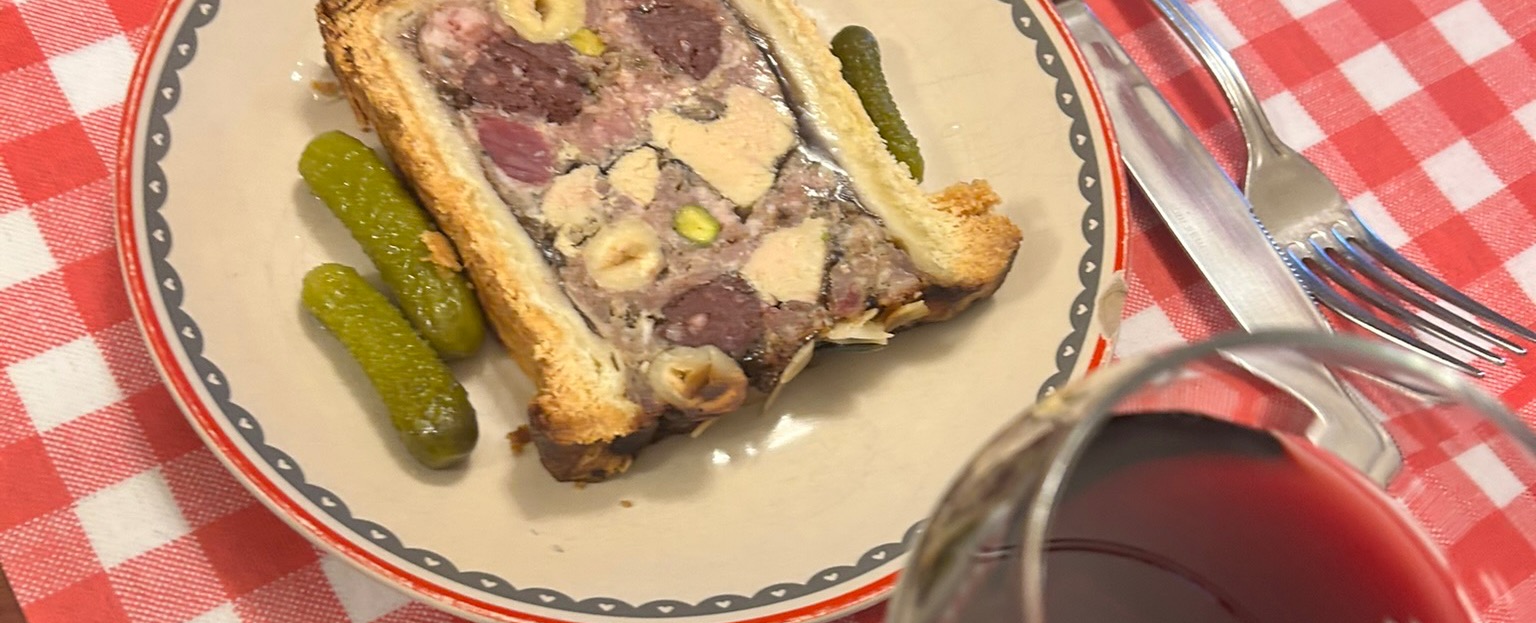
cheap worker food
Outside, Lyon was waking up and getting moving.
Meanwhile, there are about 120 kebab shops in Lyon now (about 80 in smaller Nantes), whereas about 20–25 “authentic” bouchons, then maybe 80 total that then call themselves bouchons. And then are only 20 or so bouchons serve a breakfast mâchon, even then only occasionally. In February, it was tough to find.
Many of the silk workers likely didn’t even love tripe in their day, but it was cheap sustenance, then made tasty by skilled cooks. And arguably this all happened at the very beginning of Lyon’s culinary ascendance.
In time, maybe we’ll all be singing worker songs about the injustices of the gig economy and the joy of the sustaining kebab or the bacon. eggs & cheese on a roll (BECSPK, SVP, IYKYK).
Musical entrée
Les Canuts — Aristide Bruant (1890s)
Les Canuts was written in 1894 by Aristide Bruant, the Montmartre cabaret singer and songwriter. It was composed more than 60 years after the Canut uprisings of the 1830s, maybe based upon actually protest songs they had, but not likely. The dramatic workers songs of the 1894s likely played for a mixed class audience in the caberets of Paris that enjoyed a melancholic dirge about the poverty of the working classes of yesteryear.
The Plate
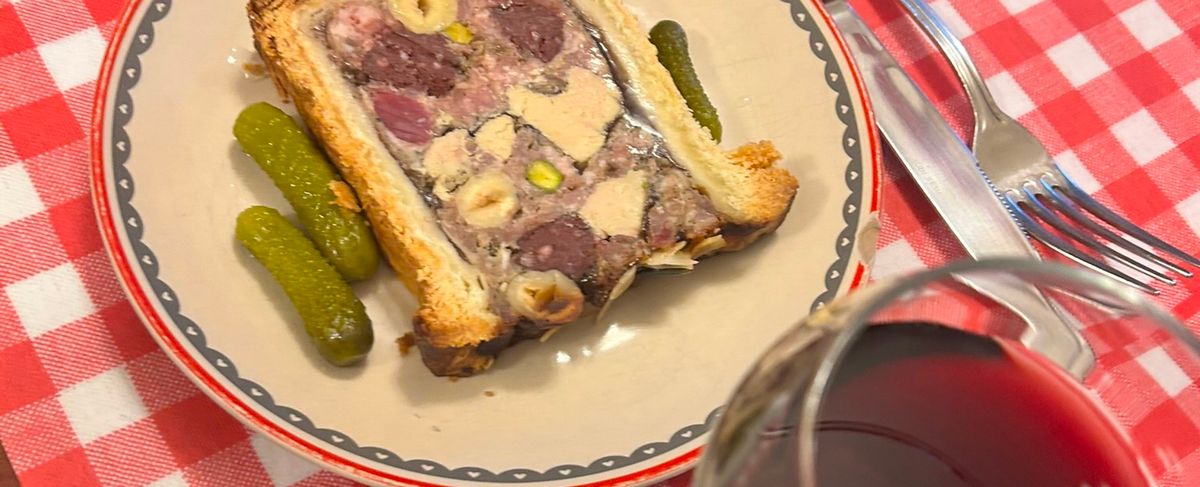
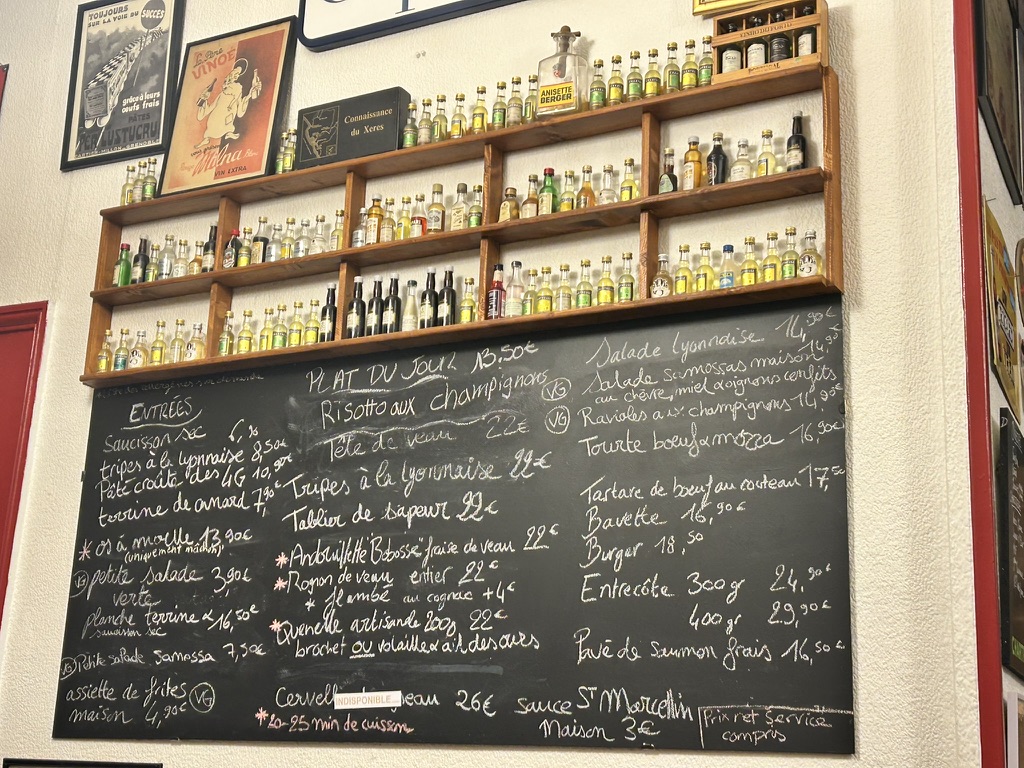
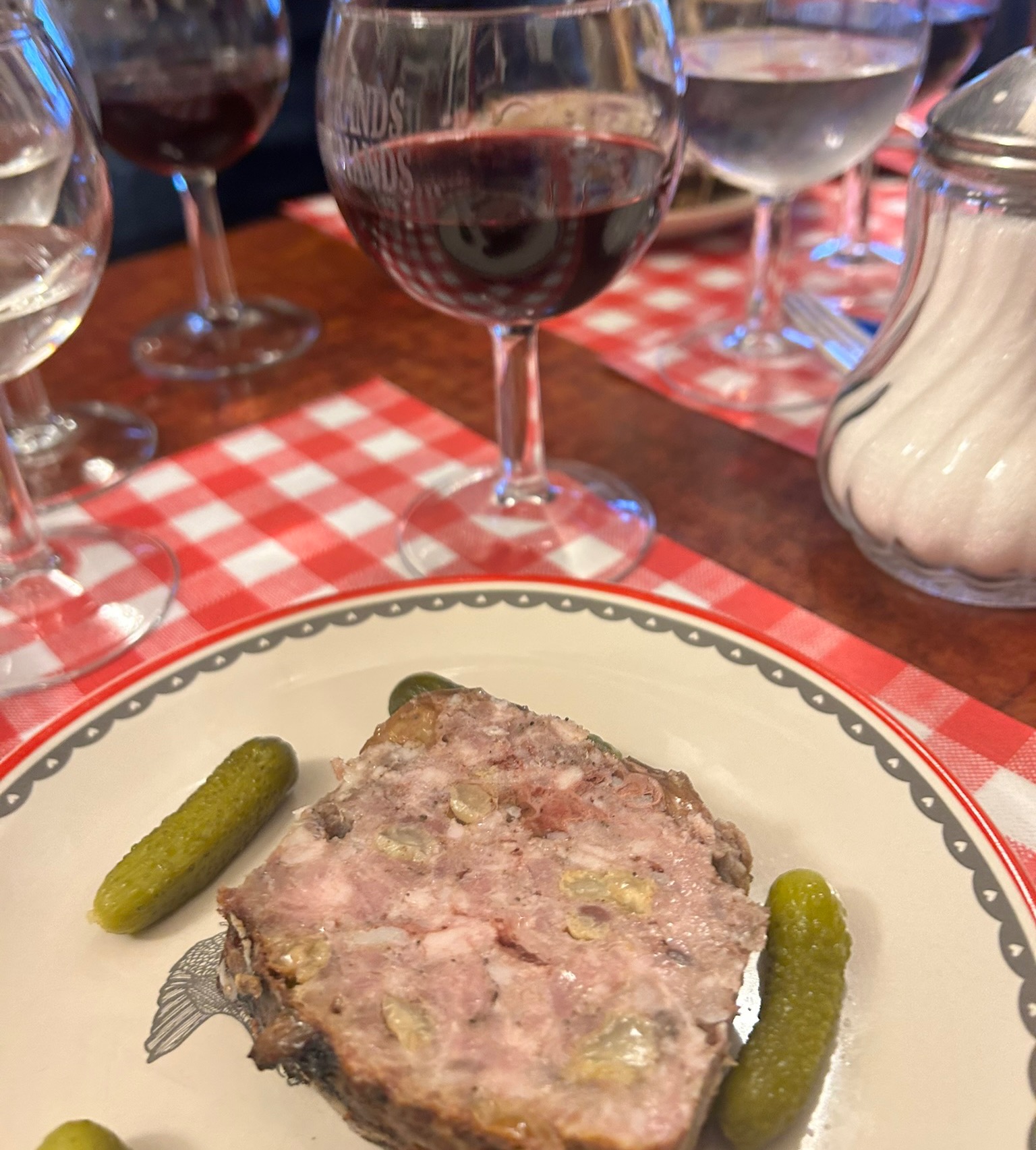
We had patés for breakfast with tripes lyonnaise the tablier de sapeur arrived golden and crisp: veal stomach first simmered for hours, marinated overnight, breaded, then fried until improbably light. It was excellent. It was also €22 — and also much smaller than I remember from a decade ago, where it was hanging off the plate.
I’ve said this before: the difficult cuts take time and skill. That’s what you pay for. A steak takes minutes. Salt, heat, done. Tripe takes hours. Cleaning, simmering, resting, frying.
One of the chefs mentioned that the cost of tripe is much more than it was, as one of the dishes came out.
“Maybe it’s the hipsters, but everything costs more now — also energy, labor, time. The tripe is harder to get.”
Gras double
In a Lyon butcher, I saw cleaned beef tripe — gras double (“double fat,” but it isn’t fat)— at about €9 per kilo. A portion the size of what landed on my plate costs maybe €2 in raw material, but then hours in labor costs and fuel while rents have all gone up
In the Canut era, when silk workers powered the city, tripe was cheaper than meat. A working portion cost only a few centimes.
The ingredient has always been cheap.
What changed is everything else.
More money. Less food. Same technique.
This isn’t about one bouchon.
This is the era.
Story
I like Lyon. But visitors are offered a story — origin, rebellion, craft, identity. Like most food traditions, it’s marketing.
Worker memory became cabaret song. Bruant in the 1890s. Later, Montand. By then the world those songs described was already fading. They weren’t sung in the workshops. They were performed for an audience — workers, artists, bourgeois listeners — some in solidarity, some drawn by the gravity of hardship at a distance.
And yet.
France carries a particular certainty about food — that a dish is not just nourishment but a statement of correctness, about how things should be done.
We were still the only ones there.
I sometimes think visitors like us now participate in the ritual more consciously than the workers who created it ever did.
Many traditions last not because they were refined, but because they were cheap. Cheap meant repeatable, shared, ordinary. You could afford to eat like that.
Tripe was survival food made satisfying.
In New York, the bottle of wine for this dish can cost more than cooking the whole thing here.
Bouchons
Early bouchons were more like worker taverns. Small, informal, family-run — widows, cooks, wine merchants, or households supplementing income. They shared the same economics as their customers.
Wine, bread, cheap cuts. Make a silk purse out of a sow’s ear, or a great meal out of a bad ingredient.
In mid-19th-century Lyon, a simple bouchon meal cost roughly 0.30–0.70 franc. A Canut might earn 5–6 francs a week. A mâchon could take around a tenth of weekly income. Not cheap then either. Most workers probably ate at home.
“Bouchon” itself comes from a small bundle of straw hung outside taverns to signal wine inside. It was a harvesting term, but if you saw straw, you knew you could drink.
In time, bourgeois diners, writers, and journalists began “discovering” these places, drawn to their roughness, simplicity, their quality and cheapness.
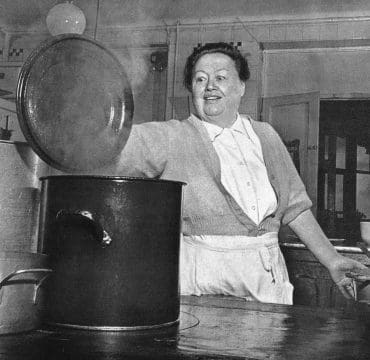
Around the same era, the Mères lyonnaises refined cooking, catalogued recipes and shapred what would become Lyonnaise cuisine.
Worker food became regional identity.
Paul Bocuse came much later, although he learned from the Mères, he rarely gave credit to Mère Brazier (a family name, but could also be interpreted as Mama Hot Pot, if only by me).
Tradition
This is not a healthy breakfast. It is early. It is heavy. And it is no longer around the corner for most people. It’s also served with wine, which I am sure my doctor would advise against at 8am.
We planned it. Traveled to it. Chose it.
And yet — the craft is intact. The cooking is serious and delicious. Preservation carries value.
But preservation also narrows participation. When culture becomes labeled, curated, elevated, it shifts. What was ordinary becomes occasional. What was shared becomes symbolic.
The cooking survives. The context changes.
Measure
In Lyon, you don’t order half a liter. You order a pot — 46 cl.
The story we heard was that factory owners controlled the pour — less wine, fewer slow mornings, tighter discipline among the Canuts. Good story. Thin evidence.
The simpler explanation is older measurement. Before metrication, wine was sold in units like the chopine — roughly 46–47 cl, which was half of a Paris pint, which was nearly twice a British imperial pint. Metrics were a good idea, but when liters arrived, they didn’t just swap out all of the glassware. The measure survived, probably in the same way that you still order an imperial pint in a pub & not a 57cl glass.
Custom became tradition — a small fossil of pre-metric life. Bouchons likely made a bit more money from it.
And folks drank a lot of wine. At around 0.60 franc/liter in the mid-19th century, a 46 cl pot cost 0.25–0.30 franc — often more than the tripe.
Skill & Offal
Tripe is demanding. It must be cleaned, simmered, timed. Undercook it and it’s rubber. Overcook it and its mush. It absorbs flavor rather than declaring its own. And before any of that — the smell.
Earthy? Barnyard-y? Not as much as andouillette, but clearly a part of the digestive process.
This is not apartment cooking.
This is where sustainability and nose-to-tail eating becomes complicated.
Recipes!
If you want to understand tripe, you have to cook it at least once. It’s a weird thing to handle, the texture creeps me out a little, but you get past it.
Also - buy it prepared. I’m not sure you could buy it unprepared if you wanted to. In France, it’s gras double — cleaned, scraped, and blanched. Stark white in color, which is odd, but it lets you go straight to cooking.
Even cleaned, it still has a digested barnyard quality — damp hay, mineral, sour? While simmering, it smells heavy, strong broth, cabbage, grass, but lingers. But when it’s done, it takes on whatever onions, garlic, wine & breadcrumbs you want to throw at it.
Recipe: Tripes à la lyonnaise
Slice → Sauté → Add onions → Deglaze → Reduce → Finish → Serve
Ingredients (serves 4)
- 800 g cooked tripe (gras double)
- 4 large onions, sliced
- 2–3 tbsp butter (plus a little oil to prevent burning)
- 25 cl dry white wine
- Fresh parsley
- Salt, black pepper
- Dash of vinegar
Method
- Slice the tripe into thin strips, like wide pasta.
- Heat butter and a little oil in a wide pan over medium-high heat. Maybe a 7-8 on induction.
- sauté tripe 8–10 minutes. You’re drying it, concentrating it. Move the pan, sear a bit.
- Add onions and continue cooking until translucent and lightly caramelized.
- Deglaze with white wine. Let reduce until nearly dry.
- Finish with chopped parsley and a final knob of butter, salt and white pepper. Before serving, a splash of vinegar to brighten it. I like any, but a nice sherry vinegar adds some character.
Serve hot. Bread on the side.
Tablier de sapeur
The fireman’s apron is more complicated. I wouldn’t do this one at home, but I never like to fry like this at home in any case.
A thick slab of tripe is simmered until tender, cooled, marinated — often in white wine with mustard and herbs — then dried, breaded and fried until crisp. It is served with sauce gribiche: egg yolk, mustard, capers, cornichons, herbs, oil. Sharp against rich.
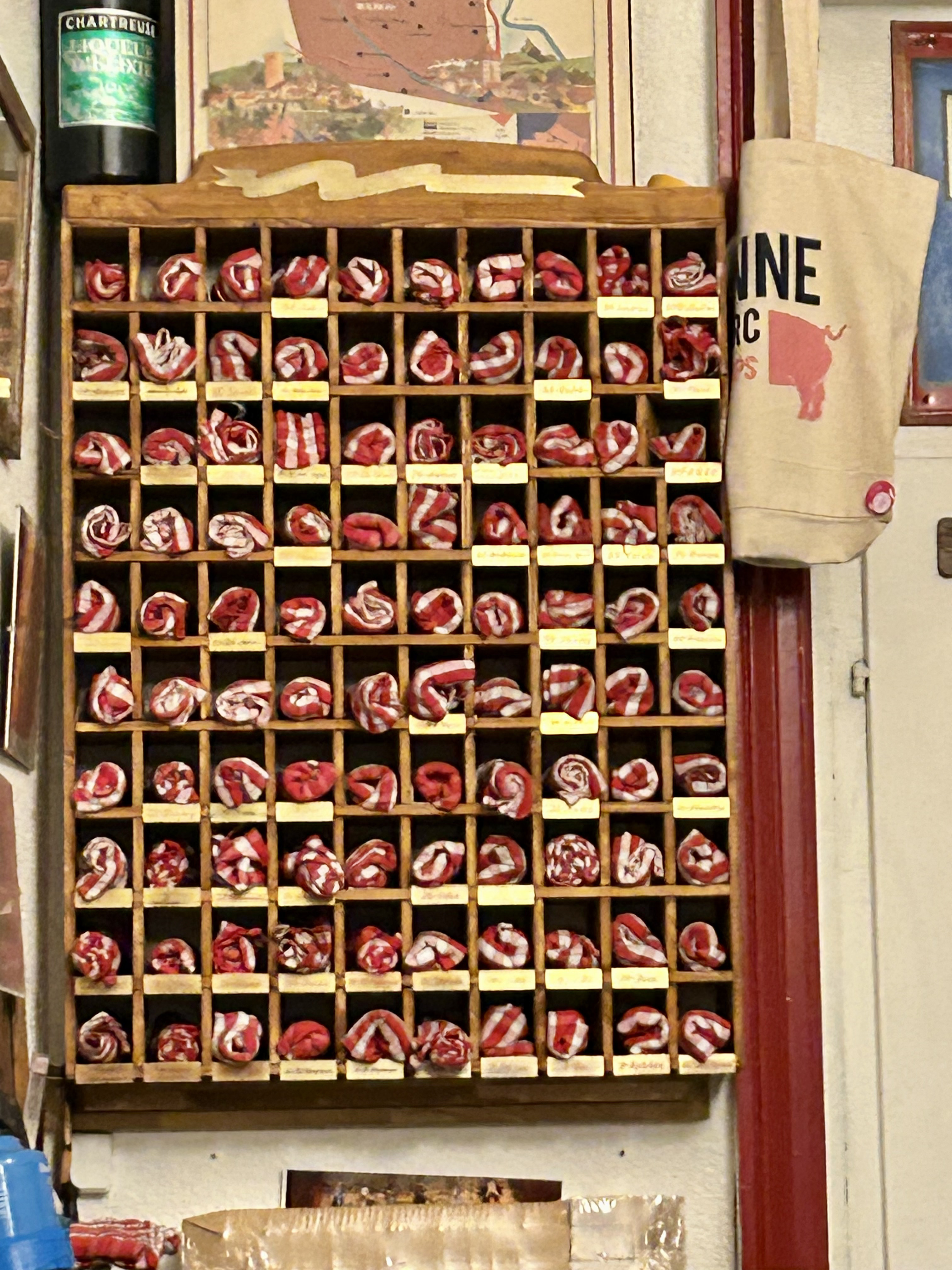
Price Pressure Parity in Parts
Tripe didn’t become expensive overnight. It rose slowly, under pressure. What was once a throwaway cut felt the weight of higher energy costs, rising labor, fewer whole-animal butchers, and tighter restaurant margins. Offal slipped out of daily life, then crept back in through the nose-to-tail revival, chef-driven rather than worker-driven.
Trotters mattered here too. Pig’s feet, slow-braised, gelatinous, sustaining. In the 1990s, I used to see pickled pig’s feet sitting on bars in both France and New York, and people actually ate them. I’d drink a few beers and go for a pickled foot myself.
Okay, I only did that once. On a bet. Not recommended – although I know a woman in the Bronx who makes an amazing cows foot soup that could change your mind about eating feet.
In any case, you see them less now.
For all the talk about sustainability and nose-to-tail cooking, there’s less tolerance for feet than other things.
Distance
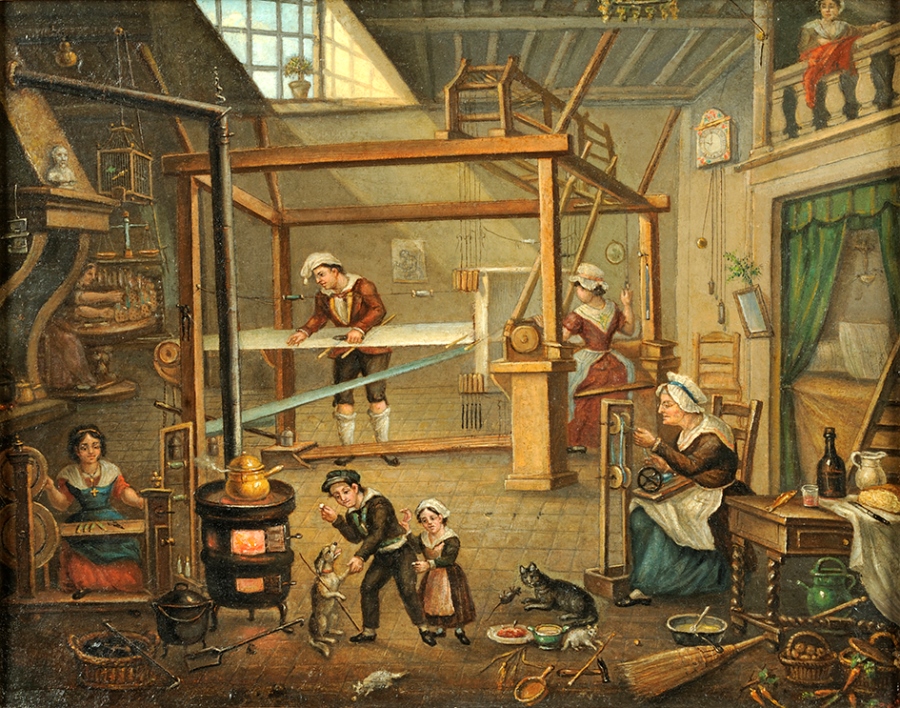
The Canuts wove luxury silk they couldn’t afford to wear, many of them working outside of factories with large looms in their houses that would be worked by everyone in the family. They were paid by the piece and didn’t profit much from it. The people who profited were the ones buying the silk – and while the Canuts did organize, rebel and get better conditions, this was only after years of exploitation before the trade collapsed.
The Canuts were at the peak of their importance in the 1830s, but the trade started to collapse by then and it was gone long before there were songs in caberets about it.
In Ecuador, hat weavers live a similar paradox. We bought ours from a women’s collective outside Cuenca, where earnings are shared, but mostly they remain exploited as the most desireable hats are also handmade.
A simple hat takes days. A fine one, weeks or even months. The maker might make $40-80 for each while the finished piece sells for roughly $1,000. Labor stays local. The profit travels with layers of middlemen.
Breakfast
Tripe is not expensive because it is rare. It is expensive because the conditions that once made it ordinary — cheap fuel, local butchery, abundant offal, working demand, time and the customers for it— are all gone.
People are eating other things. It’s not like we have the choices that we did in the 1830s, where a silk worker might have 1 meal out in a week. Most days, I stick to coffee and something grainy.
A mâchon in an empty room raises a question.
Who is this for now?
If the answer is people like us — curious, nostalgic, attentive, tourists — then the dish has shifted meaning. This is an edible museum piece, not a living tradition.
Comments? What about where you are?
If you know Lyon — or a place like it — is mâchon still alive, or mostly remembered?
What foods were once ordinary, sustaining, maybe even disliked, and are now preserved as tradition? & what do people actually eat instead?
Les Canuts - lyrics
These words were never sung on the Lyon barricades in the 1830s. Bruant wrote them decades later in the 1890s in Paris, turning lived struggle into remembered voice — less a protest song than a nostalgic one.
To sing Veni Creator you need a golden chasuble
Pour chanter Veni Creator il faut une chasuble d’or
(To sing Veni Creator you need a golden chasuble)
(Pour chanter Veni Creator il faut une chasuble d’or)
We weave some for you, great ones of the church
Nous en tissons pour vous, grands de l’église
And we, poor canuts, have no shirt
Et nous, pauvres canuts, n’avons pas de chemise
We are the canuts
C’est nous les canuts
We go naked
Nous allons tout nus
We are the canuts
C’est nous les canuts
We go naked
Nous allons tout nus
To govern, you must have coats or ribbons in a necklace
Pour gouverner, il faut avoir manteaux ou rubans en sautoir
(To govern, you must have coats or ribbons in a necklace)
(Pour gouverner, il faut avoir manteaux ou rubans en sautoir)
We weave some for you great people of the Earth
Nous en tissons pour vous grands de la Terre
And we, poor canuts, without sheets we are buried
Et nous, pauvres canuts, sans drap on nous enterre
We are the canuts
C’est nous les canuts
We go naked
Nous allons tout nus
We are the canuts
C’est nous les canuts
We go naked
Nous allons tout nus
But our reign will come when your reign ends
Mais notre règne arrivera quand votre règne finira
(But our reign will come when your reign ends)
(Mais notre règne arrivera quand votre règne finira)
We will weave the shroud of the old world
Nous tisserons le linceul du vieux monde
Because we can already hear the revolt that is brewing
Car on entend déjà la révolte qui gronde
We are the canuts
C’est nous les canuts
We go naked
Nous allons tout nus
We are the canuts
C’est nous les canuts
We go naked
Nous allons tout nus
But our reign will come when your reign ends
Mais notre règne arrivera quand votre règne finira
(But our reign will come when your reign ends)
(Mais notre règne arrivera quand votre règne finira)
We will weave the shroud of the old world
Nous tisserons le linceul du vieux monde
Because we can already hear the revolt that is brewing
Car on entend déjà la révolte qui gronde
We are the canuts
C’est nous les canuts
We won’t go naked anymore
Nous n’irons plus nus
We are the canuts
C’est nous les canuts
We won’t go naked anymore
Nous n’irons plus nus