When John Cale Made a Disco Record
From New York to Paris, how one disco parody became a Franco-American cult hit.

Before irony became a marketing strategy, it was an art form.
Disco Clone started as a parody — a joke from the downtown New York art scene — and somehow ended up proving what it meant to take disco seriously.
The Joke
Sometimes a joke goes too far — or just far enough to make people dance.
Disco Clone (1978) was supposed to be making fun of disco — a fake, ironic track from New York’s no wave art scene, with Cristina deadpanning about being replicated in a disco lab.
It wasn’t meant to be taken seriously. But then something it happened anyway.
The joke worked.
Velvet Underground Disco
Between John Cale’s production, ZE Records’ art-punk ambition, and a catchy hook, the record slipped from parody to dance-floor favorite. With only 1,500 original pressings, it became a cult classic and got a wider release the next year.
Cristina wasn’t a good singer — not that it mattered in the late ’70s. This was peak disco gold rush, when half the city was cutting singles just to cash in.
Un-Ironic Disco
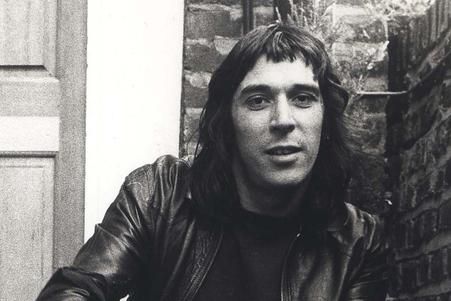
Released as ZE001, the label’s very first single, Disco Clone was produced by Cale — yes, the same guy who once set a piano on fire with The Velvet Underground. The result was oddly perfect: a sharp, minimalist track mocking disco’s shallowness while joining its ranks.
That’s the thing about disco — if the groove was strong enough, irony didn’t matter. People still danced. And it speaks to Cale’s skill, even if it was his only disco track ever.
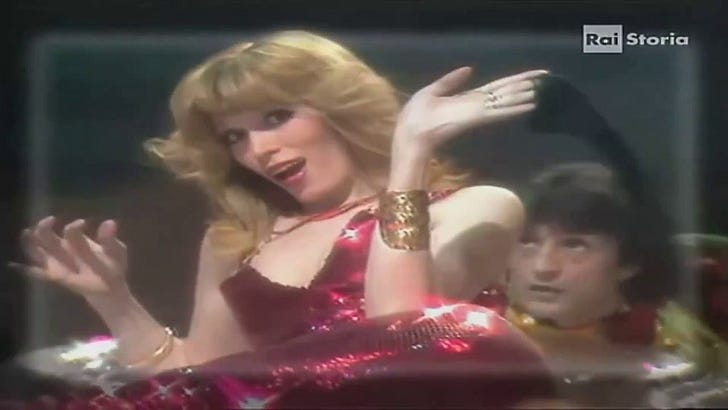
The French version came soon after, capitalizing on disco’s massive popularity there — the same year as Chic’s Le Freak and Gloria Gaynor’s I Will Survive, and one year after Cerrone’s dark, sci-fi masterpiece Supernature.
Clever Enough to Work
Everything about Disco Clone should’ve collapsed under its own cleverness — the monotone vocals, the satire, the art-school detachment. But it didn’t. It became the prototype for “mutant disco,” a genre that mixed punk, no wave, and funk with just enough irony to stay cool.
The first version featured Anthony Haden-Guest, but the producers decided his delivery wasn’t “jaded enough.” The 1979 reissue brought in a then-unknown Kevin Kline, who apparently asked not to be credited.
Send this to someone who loves disco, irony, or Kevin Kline’s weirder career choices.
Mutant Disco
ZE Records built a whole identity around this tension — high art meets low pop. Their roster included Kid Creole, Was (Not Was), James Chance, Suicide, The Waitresses, and Lizzy Mercier Descloux (who I’ve written about before).
John Peel once called ZE “the best independent label in the world.” Listening to Disco Clone, it’s easy to see why — it captures that unrepeatable moment when irony, excess, and sincerity briefly danced together.
More viewing and reading!
Disco Clone (English Version) 1978
And released again as a part of ZE’s retrospective.
further reading
I’ve written a lot about disco in France - these are just the weird ones.
 Keith Christiansen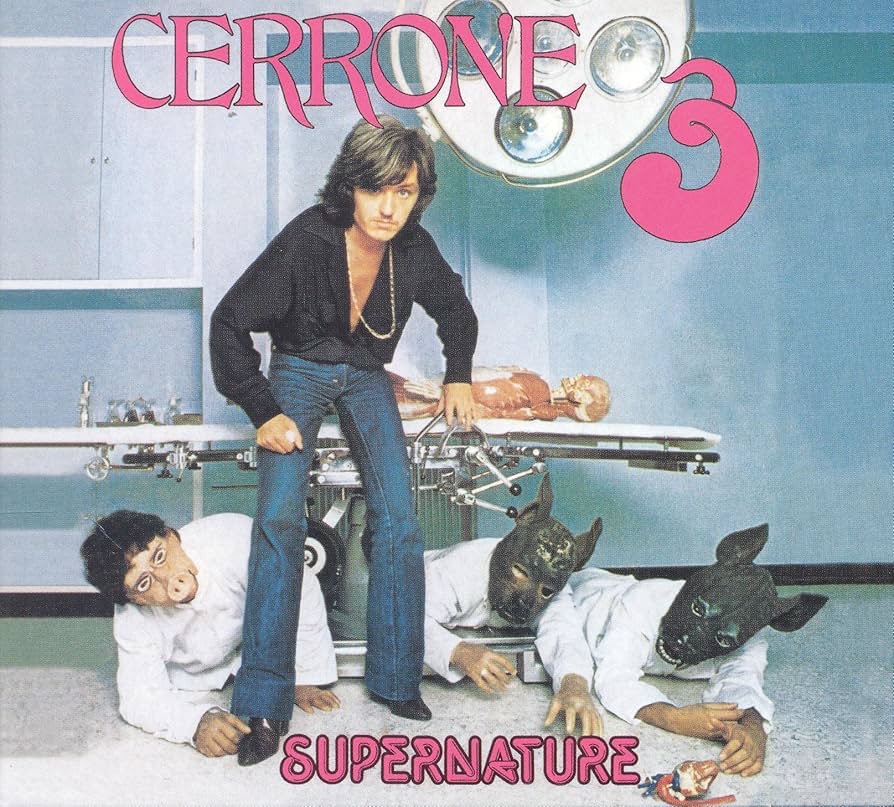
 Keith Christiansen
 Keith Christiansen