When Rustic French Food Was Radical
Curnonsky didn’t cook, didn’t drive, yet still managed to shape the Michelin Guide and how an entire country eats.
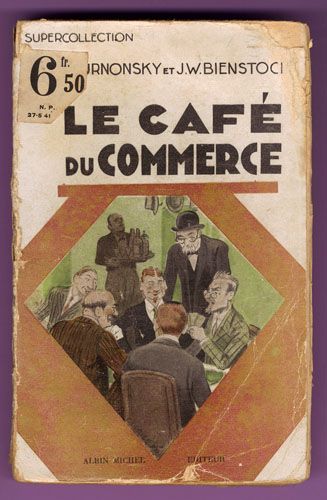
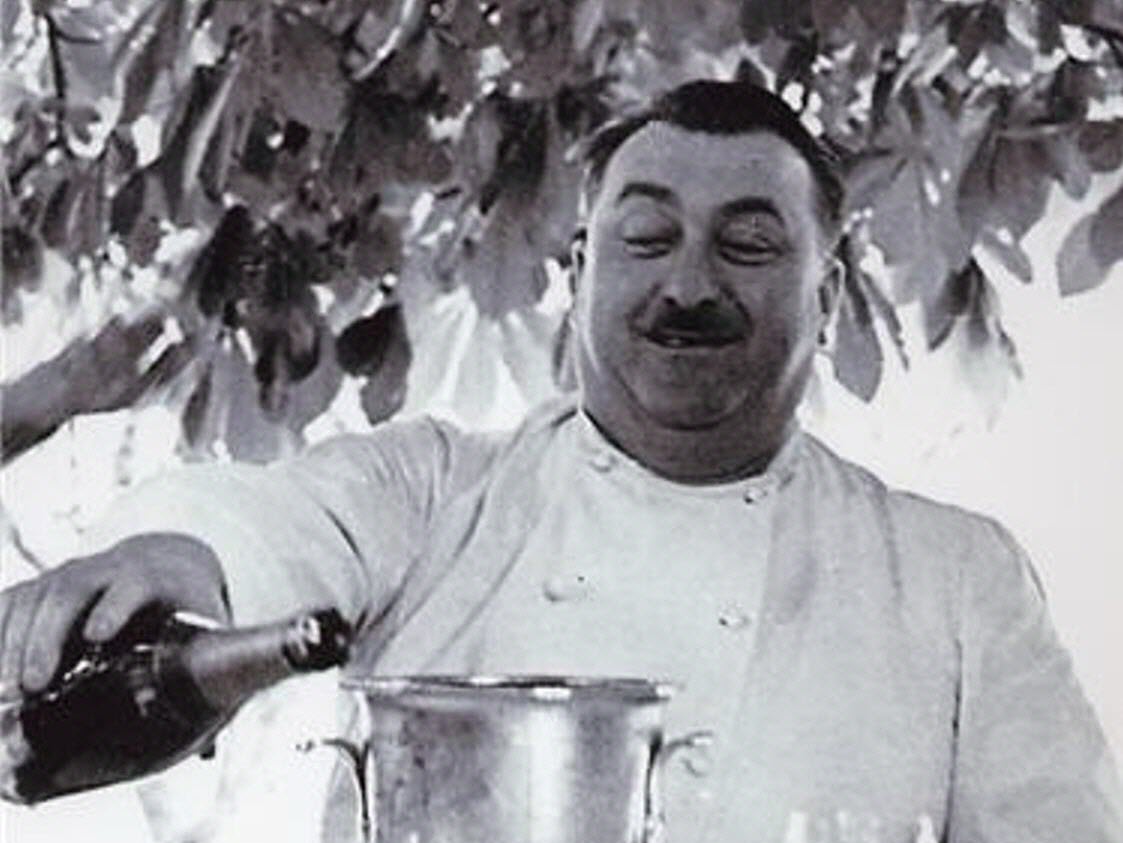
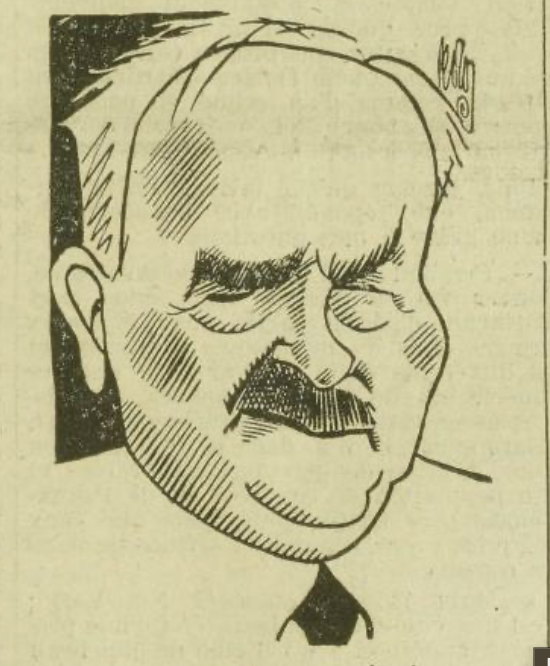
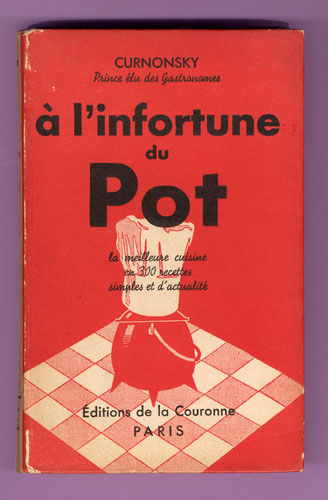
Before Bourdain, before Michelin stars became pilgrimage points, there was Curnonsky. Born Maurice Edmond Sailland, he was a towering, bowler-hatted food writer who spent the 1920s telling Parisians to get over themselves and eat like farmers again.
He was flagged by the police for “anarchist leanings,” but so were a lot of people. He came from old Royalist stock, but mostly he just wanted food rooted in place. He was ferociously nationalist and regionalistic when it came to food and flavors.
Politics were an after‑taste, never the main course.
His motto:
“Good cooking is when things taste of what they are.”
His essential phrase that ran against everything Parisian haute cuisine stood for at the time.
zen potato
Curnonsky said it first—or at least very publicly.
Of course, now half the chefs on earth have repeated some version of it.
Simplicity.
Purity.
Let the ingredients speak.
Etc.
Every other food documentary now ends with someone in a toque saying their dream meal is “... a potato,” staring at the camera or seeming purposefully detached, like a koan.
It’s weird.
(I mean, they’re not wrong. Potatoes are good. But really...)
Curnonsky made a career celebrating meals that would languish on Instagram—boiled beef, lentils, gray soups.
For a while, he was the loudest voice in French food. Ghostwriting books, flooding newspapers, public appearances, judging banquets. If there was a meal, he had something to say about it. Usually in print.
Before food got precious, he made it personal. Lentils, boiled beef, terroir you could actually eat.
He wrote or ghostwrote 65 books, co-founded the Académie des Gastronomes, and invented the idea of food tourism scribbling his way through regional France, decades before the Food Channel.
His most Curnonsky-ish dish? Boeuf bouilli au gros sel—boiled beef with coarse salt. No searing, even - no tricks. Just good meat, slowly simmered with vegetables until it falls apart in the broth.
Why Not-sky?
Curnonsky (Maurice Edmond Sailland, 1872–1956) remains a quiet giant in French culinary history, at least for those who still care about where food comes from. His pen name fused Latin and trend: cur non? (“why not?”) with a then-fashionable Russian “sky” tacked on, for flair.
In 1927, he was crowned Prince of Gastronomes at a banquet in his honor. Probably his idea. There’s never been another Prince of Gastronomes, and no king either.
He didn’t invent terroir—the idea that place shapes flavor—but he made people care about it. The word was already floating around vineyards and farms.
He gave it a table and a readership. He mapped it.
He championed meals shaped by place, not polish. Cassoulet, bouillabaisse, boiled beef. He co-wrote La France Gastronomique, a 28-volume homage to regional food—when the culinary world of France was considered Paris alone - and Paris was still obsessed with tall food and formality.
Rustic food, he argued, was the real France. And somehow, a giant man in a black bowler hat, without ever learning to drive, traveled the entire country and convinced it to believe him.
food tourism
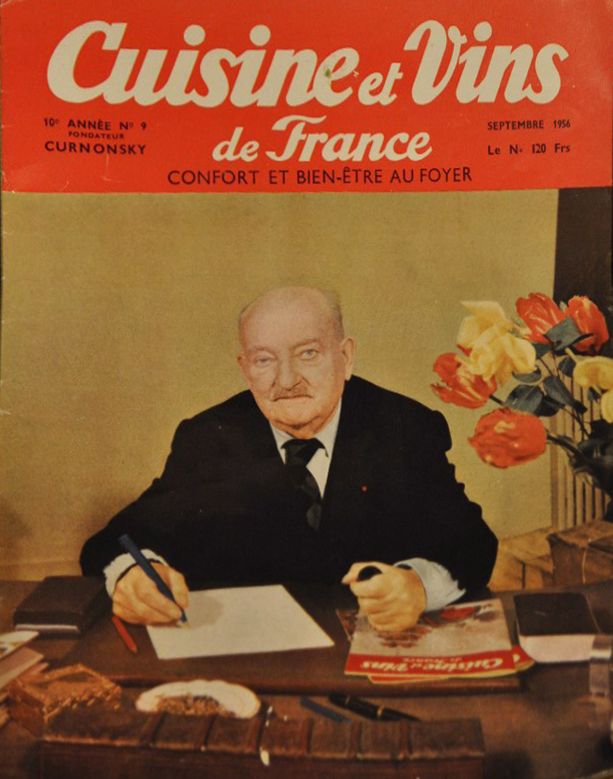
Curnonsky never learned to drive, but he kinda invented food tourism.
Between 1921 and 1930, long before Michelin guides turned into bucket lists and Bourdain put a camera on the table, Curnonsky was crisscrossing France (by train, by chauffeur, etc), writing about what people actually ate.
He called it cuisine du terroir—regional, seasonal, cooked in the style of the place. He came from Anjou, and he believed in rustic food not as trend: paysanne cooking. Simple. Humble. Good butter, not too much fuss.
He ghostwrote prolifically. Sixty-five books & thousands of articles.
He was awkward and imposing. Black bowler hat. Six feet tall. 277 pounds. You couldn’t miss him. You couldn’t ignore him either.
And somehow, he became the most famous food writer in France.
Boeuf bouilli au gros sel
Boiled Beef; No Apologies
One of Curnonsky’s favorite meals?
Boeuf bouilli au gros sel—boiled beef with coarse salt. No sear, no sauce, no fireworks.
Just good meat, gently simmered with vegetables until the broth turns rich and the beef falls apart.
In a world obsessed with char and caramelization, boiling beef sounds wrong. But this dish isn’t about browning. It’s about depth. Comfort. Letting ingredients do what they do, slowly.
He might’ve asked for Charolais. You can use brisket, chuck, shank—Angus, if you’re feeling flush.
What matters is patience. Salt, heat, and time. That’s it. And it works.And don’t overcook your beef. Even stews have their limits.
Recipe: Boiled Beef with Coarse Salt
Note: You can also bake this- Dutch oven@ 300°F (150°C) for 3 hours.
Ingredients:
- 2 lbs beef chuck or brisket
- 1 marrow bone (optional)
- 4 carrots, large pieces
- 2 leeks, halved
- 2 onions, halved
- 2 turnips, quartered
- 1 bouquet garni (thyme, bay leaf, parsley)
- 10 peppercorns
- 10 cups water or broth
- Coarse salt, Dijon mustard, and cornichons (for serving)
Instructions:
- Simmer Beef: Place beef and marrow bone in a pot, cover with water or broth, and simmer, skimming foam.
- Add Veggies: After 30 minutes, add vegetables, bouquet garni, and peppercorns. Cover and reduce heat.
- Cook: Simmer for 3 hours until beef is tender.
- Serve: Slice beef, serve with vegetables, coarse salt, Dijon mustard, and cornichons. Use broth as soup.
Got a favorite “nothing special” dish that hits every time?
Or thoughts on boiling beef without shame?
Further reading
 Keith Christiansen
 Keith Christiansen
 Keith Christiansen