How a French Breakup Became America’s Power Ballad
Claude François, France Gall, and the long road from “Comme d’habitude” to Sinatra


Everyone knows “My Way,” but almost no one knows the French breakup behind it — two musicians, a fading relationship, and a song that sounds nothing like the swaggering English version. Claude François wrote a small, wounded ballad. America turned it into a victory lap. The distance between the two says a lot about both countries.
TLDR
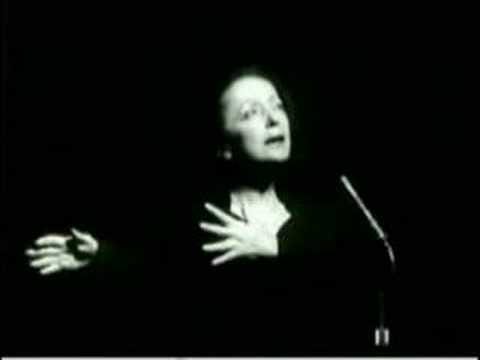
Claude François wasn’t just a star in France — he was a phenomenon. The kind of celebrity everyone knew, argued about, imitated, and still quotes decades later. If you want to understand how big he was, just watch the videos: the manic perfection of Alexandrie Alexandra, even if the outfits are questionable, the restrained delivery of Comme d’habitude. The videos are time capsules of the perfectionist perfomer who met an unfortunate end.
People call it their (grand)parents’ music, but they still know every word.
Cloclo en Petite-Ville
I was at a party over the summer in our little town when one of the locals leaned in and said, out of nowhere,
“Cloclo was a fucking bastard.”
One of his songs had come on.
People started dancing.
The whole tone of the party changed. People shouted bits of the chorus, they all knew the words. a guy started fist-pumping the little speaker into the air.
Wine got spilled, a merguez tumbled off into the grass.
Whatever people thought of him, everyone moved when his song came on.
Alexandrie, Alexandre Claude François (live 1977)
(They really went all in on those costumes. But it is catchy.)
Local knowledge
She looked at me again, wondering. “You know him? Claude François?” she asked.
I nodded.
If there were a French Mount Rushmore of 70s-era stars, it’d probably be Johnny Hallyday, Claude François, and Dalida — and then a very debatable fourth: Michel Sardou, Serge Gainsbourg, or Joe Dassin, depending on who you ask. The first three I’m pretty sure about: their fame runs so deep that nearly everyone in France knows the names, faces, and at least a few songs.
“He came through here once,” she said. “Back in the ’70s. My father saw him. Everyone went out to look and see — nothing ever happened here back then. ”
She painted the scene: a gray afternoon, narrow streets, the smell of cigarettes and diesel. People leaning against cars, kids dangling off curbs, waiting for anything to happen.
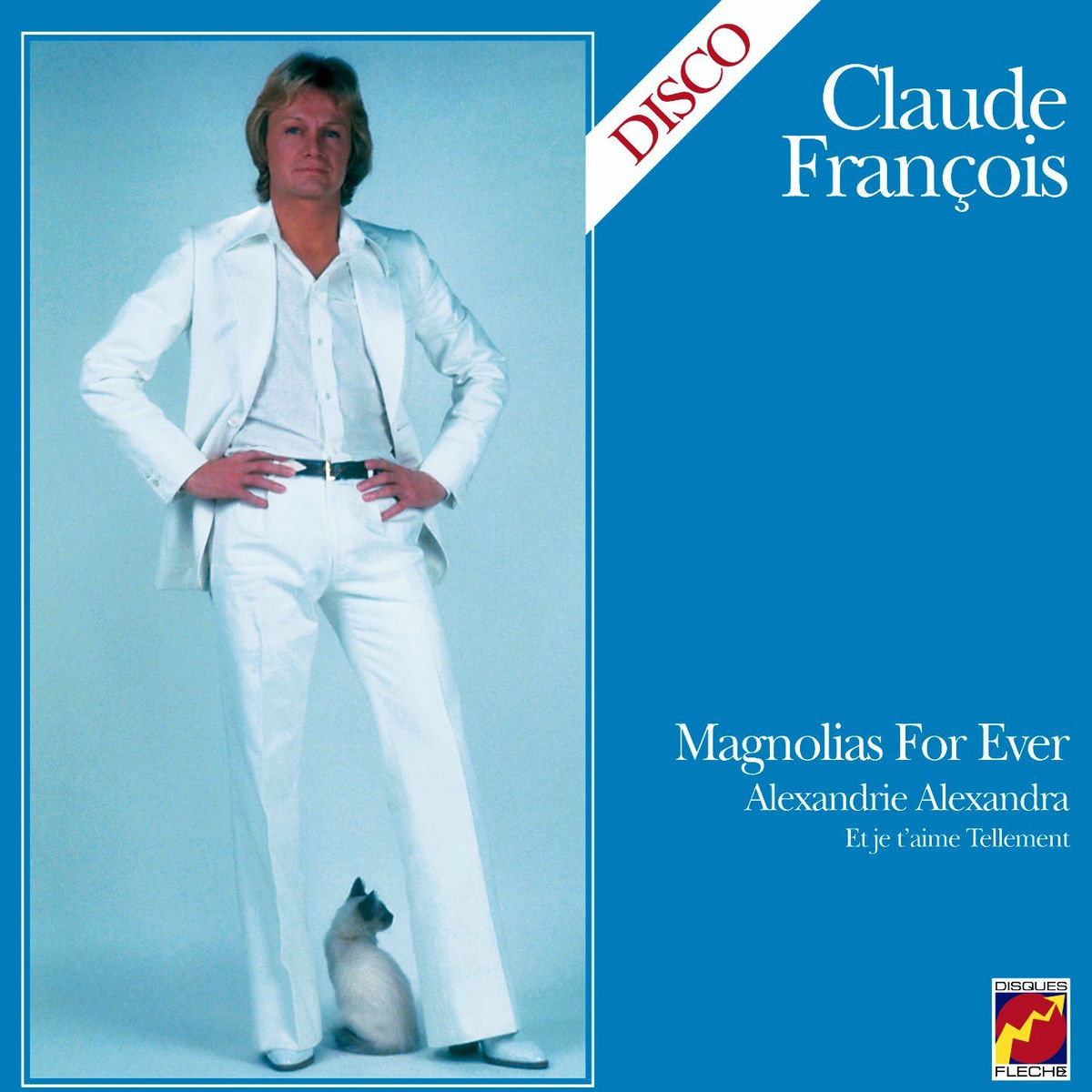
Then he arrived — Claude François himself — perfect hair, gold chains, Claudettes in tow.
“He was performing a concert out here,” she said. “He sang a few songs on a little stage, everyone loved it.”
When she asked her father what he was like, her father said, “He sweated a lot.”
“After the show, my father tried to say hello. Cloclo didn’t want to talk to him. He looked right at my father and flipped him off. Can you believe that?”
I wasn’t sure what the correct reaction was. I laughed a little, the way you do when someone tells you something that clearly isn’t a joke.
She shook her head, warming up now. “He locked himself and his fucking Claudettes in his caravan after that. Didn’t talk to anyone. Stayed there all night and didn’t come out.”
Behind us, the song kept going. People danced. Someone yelled “Allez!” Couples clapped along.
Cloclo might have been a bastard. Nobody cared.
The icon
In the 1970s in France, Cloclo — Claude François — wasn’t just famous; he was omnipresent. He had a record label, a magazine, a clothing line. A pet leopard. Slept four hours a night, or so he claimed. Fired people mid-show. Screamed if a spotlight was off center. Took too many pills, among other things.
She listed these details with the satisfaction of someone finally being heard.
“He thought he was better than everyone,” she said. “And maybe he was, but that doesn’t give you the right to flip off my father.” Then, looking straight at me: “Do you believe that?”
I’m from New York. I’ve flipped off endless strangers, definitely while driving. I could believe it.
“Fuck you, Cloclo. You’re dead now.”
The dancers behind her were still smiling, lost in the music, not thinking about any of this.
I nodded. What do you say to that? I’m sorry about your dad?
She took a sip of wine, leaned in one last time. “Anyway,” she said, “he died changing a light bulb in the bathtub. Idiote. Serves him right.”
So later that night I did what anyone would do after being told a dead pop star flipped off someone’s father in our little town — I went home and started looking up Cloclo.
The music is the least complicated part.
Before It Became My Way
Claude François wrote Comme d’habitude, the quiet French ballad that would eventually become My Way. I grew up hearing Sinatra’s version everywhere — it felt like it showed up at every wedding, every funeral, every diner jukebox for years.
Here’s the part I never knew: My Way started out as a completely different song.
Paul Anka bought the rights to Comme d’habitude and rebuilt it from the inside out. The original is small, intimate, resigned — a man describing the slow fade of a relationship. Anka turned it into a victory lap because he didn’t think Americans would connect with a song about routine and heartbreak. They needed something bigger, bolder, with more hubris, if possible, than Cloclo.
Frank Sinatra delivered.
Comme d’habitude Claude Francois (1967)
Claude François — Cloclo — was born in Ismaïlia, Egypt, and became one of France’s defining pop stars. Comme d’habitude was one of his biggest hits in a long list: it’s a quiet, melancholy portrait of a relationship wearing thin, and routine is the only thing holding two people together. François has a kind of controlled heartbreak of a chanson.
He wrote about France Gall, which I still find incredible, and the tone was the complete opposite of Anka’s version. The original is tender and resigned; the American version is all defiance and legacy-building.
They barely belong to the same emotional universe.
François moved easily between styles, from tightly crafted pop to disco to French adaptations of English hits. By his sudden death at 39, he had sold more than 35 million records — and over 60 million since..
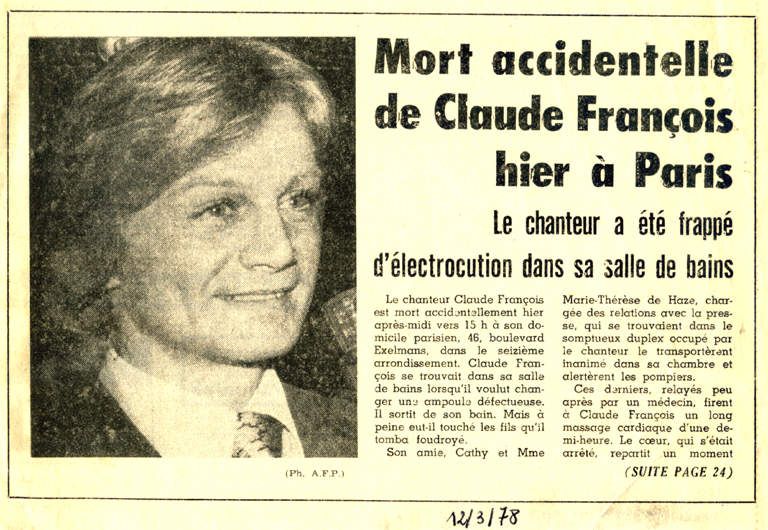
In 1978 at the age of 39, he was electrocuted while trying to fix a light fixture in his bathroom — one of those details everyone in France seems to know if their parents ever played Cloclo records.
At the time, he was preparing for a push into the U.S. market. By then, François had already shown an uncanny ability to follow and shape pop trends, moving from early rock-inspired hits to disco, and producing a long list of French covers of American songs.
Even former French President Valéry Giscard d’Estaing once said that Claude François was, to him, “the French equivalent of the Beatles,” which may or may not be true.
I can’t think of many disco numbers by the Beatles.
Some other French-language adaptions:
“Belles! Belles! Belles!” — from “Made to Love” (“Girls, Girls, Girls”) by The Everly Brothers
“Si j’avais un marteau” — French version of “If I Had a Hammer” by Pete Seeger and Lee Hays. I never understand why this song kept getting made.
“C’est de l’eau, c’est du vent” — Bob Dylan’s “It’s All Over Now, Baby Blue”
and…
Cette Année-là Claude François (1976)
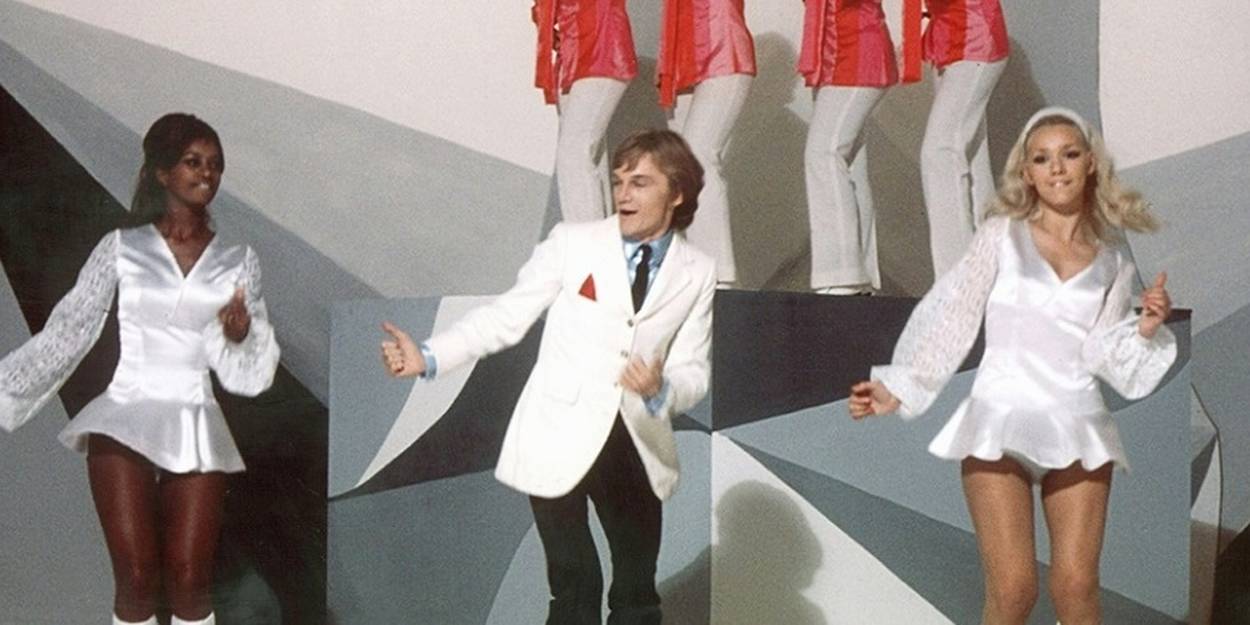
“Cette année-là” — a rework of “December, 1963 (Oh, What a Night)” by The Four Seasons. There’s an incredible disco version of the song performed on Ring Parade, a TV music variety show, with Les Clodettes, his backup dancers & singers. Shiny disco materials, calisthenics choreography and boot-scootin’ line dancing delivered with overwhelming enthusiasm - Cloclo’s trademark.
If you grew up with Cloclo — or even My Way — I’d love to hear your stories in the comments.
k
More like this
 Keith Christiansen
 Keith Christiansen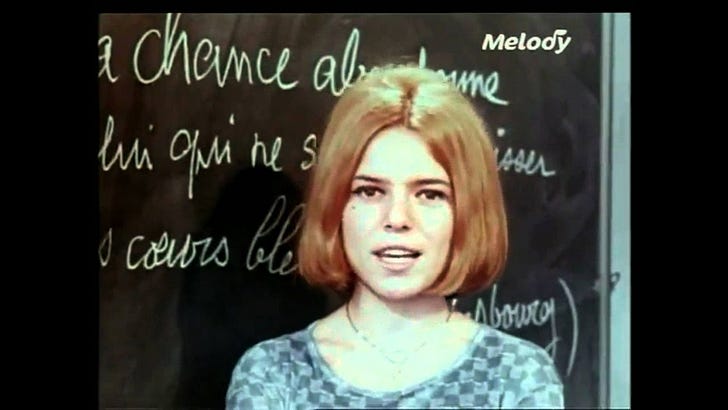
 Keith Christiansen