The Flavor You Were Supposed to Know
What disappears without noticing, what returns anyway — and why flavor is never just about food.
I moved to France expecting to find flavors I already knew. Chervil — that quiet, unmistakably French herb from the cookbooks I grew up with. I still look for it. But mostly, I find other plants and eat those instead.
TL;DR:
Chervil used to be everywhere — or at least, everywhere in French cookbooks. Turns out it’s not used much anymore, but I still like it. This one looks at flavors and why they matters (sort of), what to cook without it, and some weeds to help you do the job or fill in gaps when your garden’s not cooperating. With recipes, substitutions, and a gentle warning not to poison yourself with what you think is cow parsley.
The Controlled Country, continued
What’s Missing Isn’t Always Gone
Some things I expected to find in France simply aren’t here.
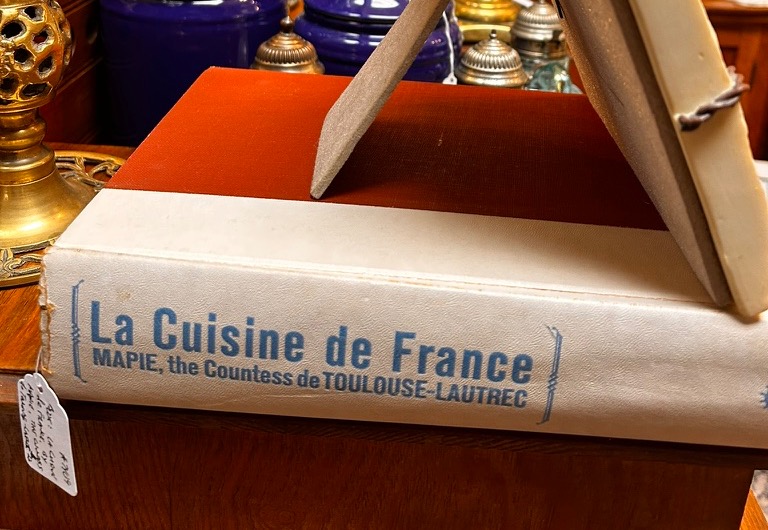
I grew up with glossy cookbook photos of French dishes, cookbooks purchased over and again at suburban yard sales. So many of them mentioned chervil: cerfeuil.
So where was it?
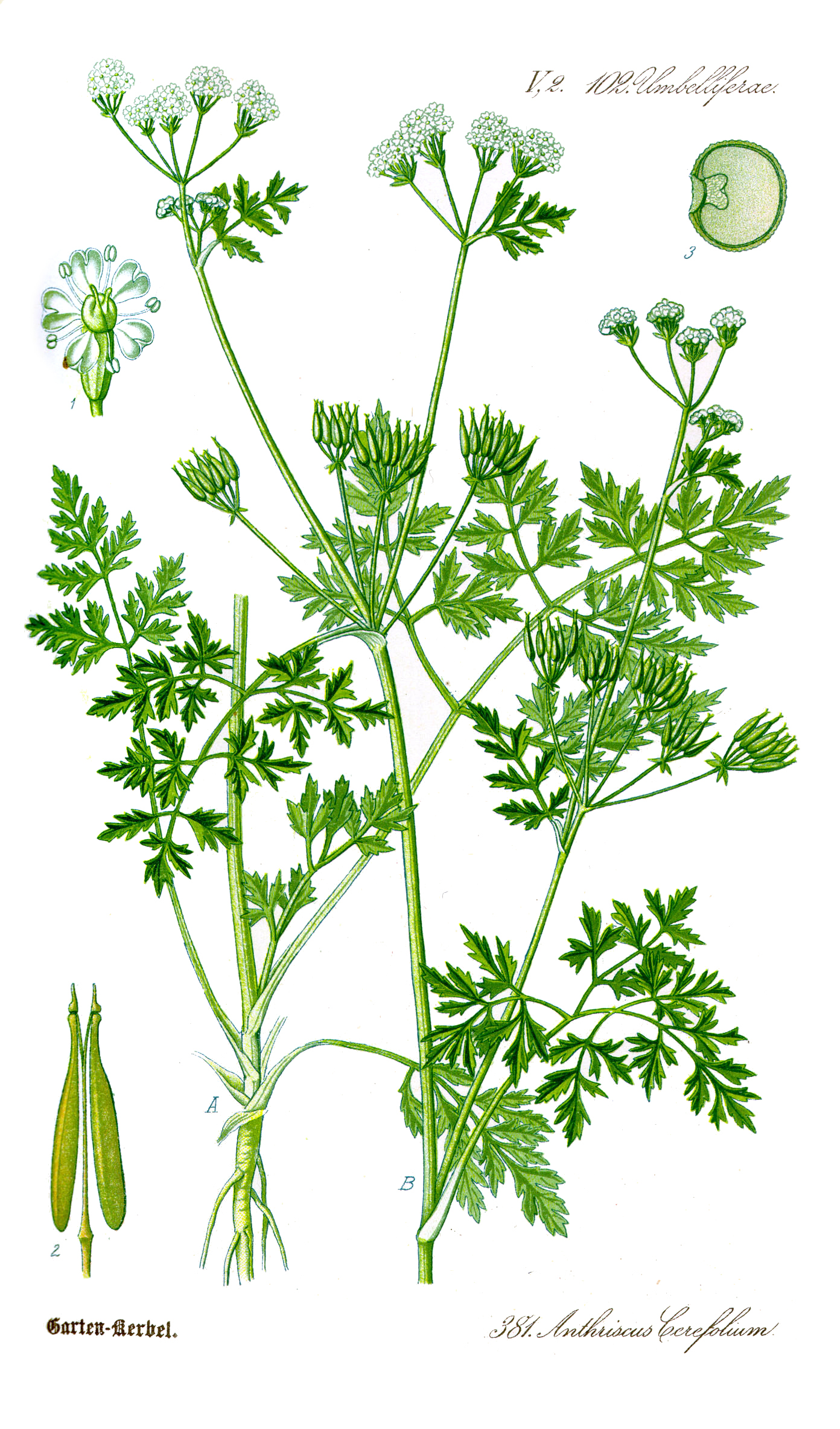
Since we’ve arrived here, I’ve barely seen chervil.
It’s sometimes in gardens, but rarely in markets. Whenever I hear people talk about this flavor, they mention mothers, grandmothers, things passed down.
It’s retro.
While I have hard time finding that, I do see a different abundance. Mild winters in our part of the country have wild herbs growing almost year‑round. Other herbs that fell out of fashion.
And why bother with chervil? It’s mild, gets lost in the sauce (literally), just one more thing to wash, to chop, think about.
But they sharpen your cooking. Make it taste fresher. Maybe make dishes taste a little more Frenchier.
Chervil does that.
Secondhand Flavor
Chervil lived in the French cookbooks of my childhood — the glossy 1970s ones we bought for pennies at yard sales.
Omelets folded just so. Fish glazed, not sauced. Plates that looked composed, even if I wasn’t so sure I wanted to eat them.
Somewhere in the ingredients, so often: cerfeuil.
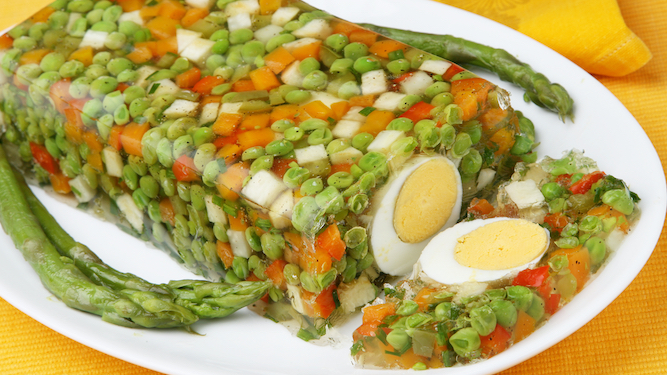
This was French food. You weren’t supposed to ask what it tasted like — you were meant to understand chervil already. That version of France stuck with me.
I thought chervil would be all over the place here. It isn’t.
I ask for it sometimes at markets. The response is matter-of-fact. It’s not unavailable, exactly — just not often carried. Chervil hasn’t vanished so much as slipped out of focus. It’s just not a popular flavor anymore.
What Chervil Is
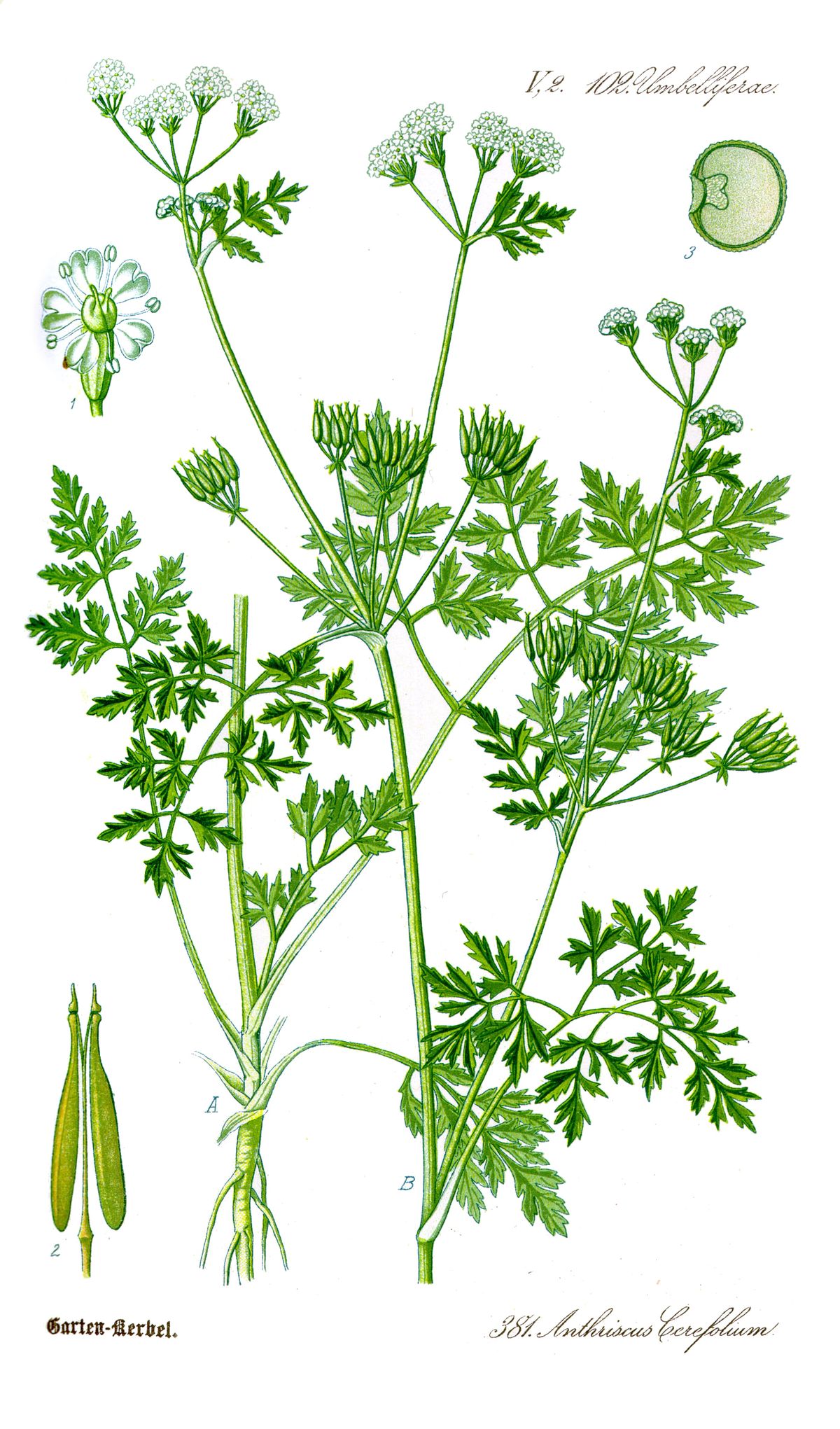
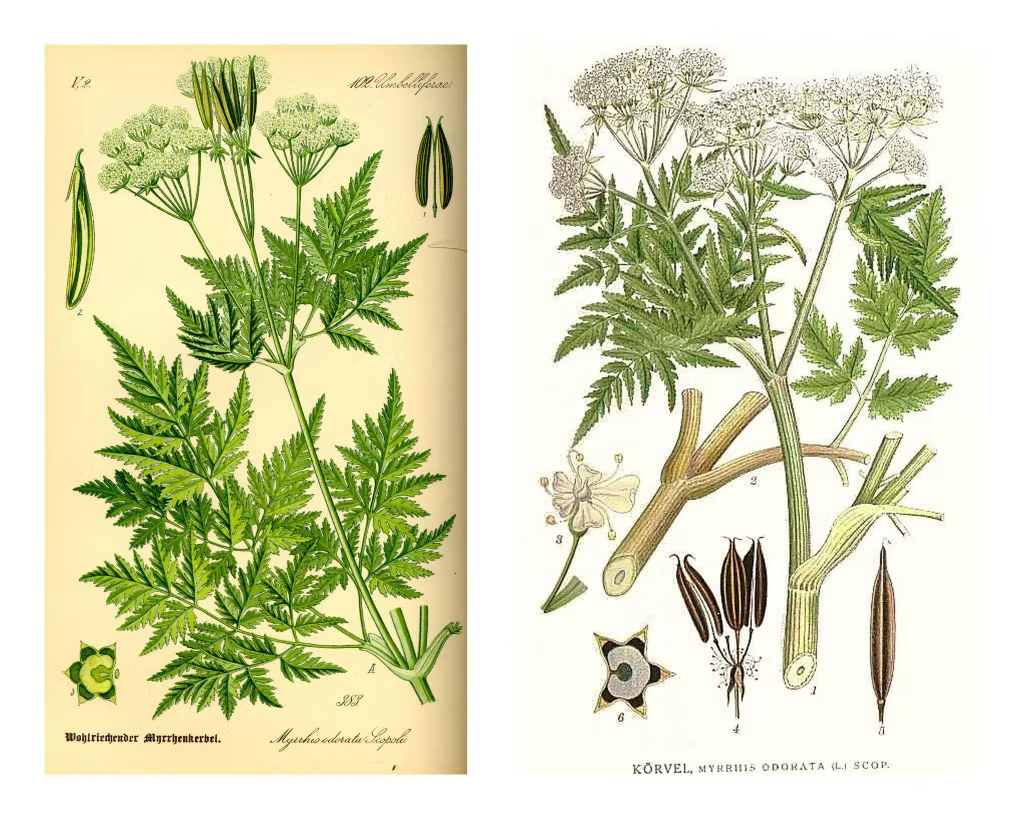
Pale, feathery leaves, not quite parsley, not quite thyme, with a soft, delicate bite of anise and greenness.
Not to be confused with turnip-rooted chervil — a different plant, grown for its edible tuber, not its leaves — a little market field ID for ya, there…
Chervil didn’t fall out of favor because something better replaced it.
It just fell out of favor. It’s not bold— you might not miss it.
It doesn’t anchor a dish. It’s best when fresh. It doesn’t store or travel well, it’s flavorless when dried, and doesn’t get much better if you use a lot of it.
Modern food systems favor clarity, shelf life, bold flavors. Chervil isn’t that. When it’s taken out, most dishes will still work.
(Wikipedia says it tastes like myrrh, which is technically true but not helpful. No one cooks with myrrh.)
This kind of fading isn’t just about flavor.
Ideas fade too.
Places shift.
Cuisines change.
Tastes adapt.
Maybe that’s a part of the reason that our landscapes are so full of edible plants that almost nobody eats.

Cooking Without
Chervil is replaceable, but it’s nice. If you want to use it, here are some ways to think about it
It’s a zhuzhing herb — not the star, not the main event, the thing that makes it feel finished. Its an easy way to make your cooking more interesting with next to no effort.
You don’t need to match the flavor exactly. Replace what it does: soften edges, add a mild green note, it’s a bit aromatic.
Easy to find alternatives:
Parsley & fennel fronds
Closest flavor. Parsley gives bulk & color; fennel adds light anise. More parsley, less fennel.
Parsley & tarragon
Works similarly. Tarragon is closer, but stronger. Go light or it’ll take over.
Young carrot tops
Not the same flavor, but a green herbal bitterness. Good with eggs, potatoes, soft cheeses & salads.
Same rule applies: chop fine, add at the finish, don’t overdo it.
Musical Zhuzh
I’m Hip Blossom Dearie (Live at Ronnie Scott’s, 1966)
Blossom Dearie (yes, real name) live at London’s famous Ronnie Scott’s. Light, sly, razor-sharp — sung in that barely-there voice with control, cleverness and precision.
Born in New York, classically trained, Dearie moved to Paris in the ’50s and became a fixture of the Left Bank jazz scene. She recorded in French and English, co-founded the Blue Stars, and shaped a sound that was crisp, minimal, a bit ironic —restraint without bluster.
She didn’t vanish, exactly, but her influence went quiet over time. You can hear it in early Suzanne Vega, Astrud Gilberto, & Shirley Horn, among many others. By the time Diana Krall and Madeleine Peyroux came around, Dearie’s style was retro but she never chased trends: she was a defining voice.
Wild Herbs & How to Use Them
There are a lot of chervil-like plants.
Many of these plants are related. Chervil, parsley, cow parsley, and sweet Cicely are all in the carrot family (Apiaceae): soft-leafed, aromatic, all used fresh and lightly.
They add color, a finishing something that will make your food more interesting. Then add some vitamins, some local stuff—and all in quantities that will let you taste them without being overwhelmed by them.
We started eating dandelions. I’d already used them in salads, pestos, sautéed with chicken — so eventually I thought, alright Nature, what else you got?
I’ve said this before, but it started when the garden stalled one spring. Nothing was thriving. But the weeds were. And I like to chuck a little extra green into things — salads, pastas, whatever’s too flat. A bit of bitterness, a fresh edge, something to interrupt the sameness.
Terroir isn’t just tradition. It’s cooking with what grows where you are — whether or not you planted it.
Terroir changes. So do tastes. And at least in the case of chervil, they already have. Once, the line between cultivated and foraged plants would have been thinner.
Yarrow, for example, is all over here — roadsides, field edges, paths. It as popular as an herb in the Middle Ages. People walk past it. Used right, it’s tasty, but a little goes a long way. Aromatic, a bit piney. Think of it as chervil’s little, but stronger, cousin.
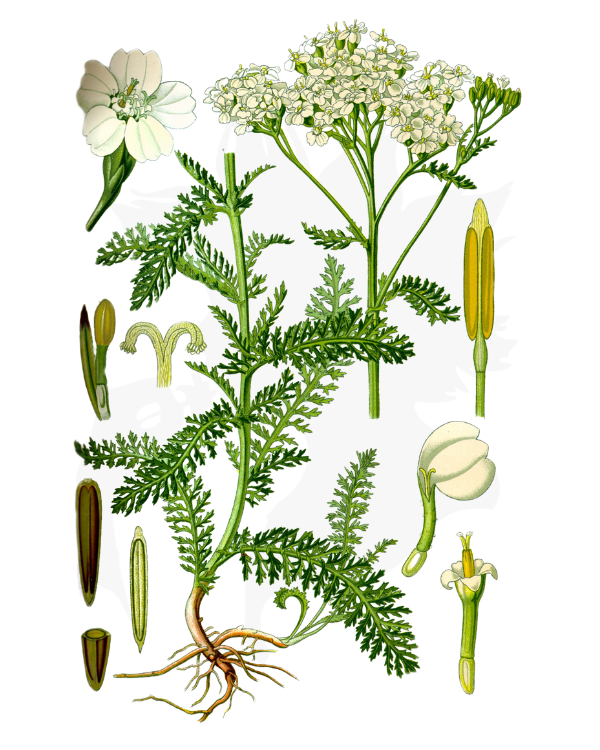
Cow parsley is related too, but if you’re not confident, leave it alone1. A safer approach is blending parsley with a small amount of young yarrow — less risk.
This isn’t a call to forage recklessly. It’s a reminder to notice what grows outside the system — and which flavors were never designed to scale.
Ancien terroir, nouveau terroir
Terroir changes. So do tastes.
And at least in the case of chervil, it already have. But once, the line between cultivated and foraged plants was maybe a bit thinner.
It’s thinning again — this time under pressure.
One year, the garden stalled. We started late.
Nothing thrived but weeds. So we started eating those. Dandelions, mostly.
Then we noticed what else kept coming back, no matter the weather.
There’s something grounding and a little empowering about just clipping things off your lawn and eating them.
Yarrow, for one. It’s everywhere — roadsides, field edges, paths. Bitter, aromatic, a little piney. Not a green, more like a spice. Use it like a sharp chervil or maybe fresh rosemary: small quantities - a few young leaves, chopped fine, right at the end.
It’s also drought-resistant. Some plants are adapting faster than we are.
Cow parsley’s related too, but don’t guess about that one. If you’re not sure, skip it. Parsley with a bit of yarrow gets you close — complexity without risk.
(I explain more on that below.)
This isn’t about foraging carelessly. It’s about noticing what keeps showing up — what the landscape gives you, planted or not.
Faded Flavors, Forgotten Purposes
Chervil didn’t disappear because it was fussy. It’s hardy. Grows like parsley. But if parsley does the job, why bother with something softer?
It never defined dishes. It just adjusted them. The food stayed the same. Maybe the appetite for nuance didn’t.
This happens to more than herbs. It happens to anything that worked quietly for long enough that we forgot what it was doing.
I don’t think chervil is gone for good. Most days, I cook without it. The food’s still fine.
But its absence says something — about what gets kept, what slips out, and what we’re expected not to miss.
Until we do.
Recipes
For all of these, use a “wee fistful,” as a neighbor once told me. You can use chervil or any of the foraged mixes mentioned above.
- Herb Omelet – Add chervil (or parsley + fennel, or another mix) to eggs just before folding. Don’t cook long after that.
- Warm Potatoes with Carrot Tops – Toss boiled potatoes with chopped tops, Dijon mustard, oil, vinegar.
- Herbed Cheese with Yarrow – Mix goat cheese or ricotta with finely chopped yarrow, lemon zest, salt, and olive oil. Spread on toast or crackers..
Flatbread with Yogurt and Herbs – Yogurt, chopped herbs, olive oil, maybe chili or zest. The recipe in the link is a good approximate. You can keep the garlic or blend in others.
Easy Uses
Again, works with the mixes listed above.
- · Under Fish or Chicken– Slip a bit under just-cooked fish or chicken to wilt, adding aroma and a bit of anise character.
- · Compound Butter – Blend chervil, lemon zest, salt into soft butter; chill and slice.
- · A Soup Finisher – Scatter chervil on leek, fennel, or potato soups right before serving. A nice, simple soup recipe here.
- · Simple Vinaigrette – Whisk chervil into mustard, oil, and vinegar. Quiet, but lifts it.
- · Butter for Vegetables – Stir into melted butter off heat, spoon over warm veg.
What flavors have quietly disappeared for you?
Or become retro or vintage?
Or the ones you only learned to name after they were gone? I’d love to hear what you’re cooking with — or what you’re missing.
Foraging apps
A note on ID. I like apps, but apps like Seek are useful, but with plants in the carrot family, where edible and dangerous species can look similar (cow parsley/hemlock), don’t rely on them 100%.
PlantNet and Flora Incognita tend to do better with European plants, and iNaturalist is the most reliable if you’re willing to wait for human confirmation.
No app replaces learning the plants.
These tools are aids, not permission slips.
If you’re not sure, don’t eat it.
To find out more:
Join iNaturalist – Community-verified IDs with expert input. Slower, but the most reliable.
Others phone apps are helpful, but don’t rely on them completely. I like these:
- Seek (by iNaturalist) – Fast, camera-based ID for curiosity and rough sorting. Helpful for confirmation, but double check. Few things beat sensory knowledge.
- · PlantNet – Plant-focused identification, especially for wild and European flora.
- Flora Incognita – Research-driven plant ID with detailed species profiles. Particularly good for European wild plants.