C’est la Grève: Life in a Country Built to Protest
What “business as usual” looks like when the buses don’t run.
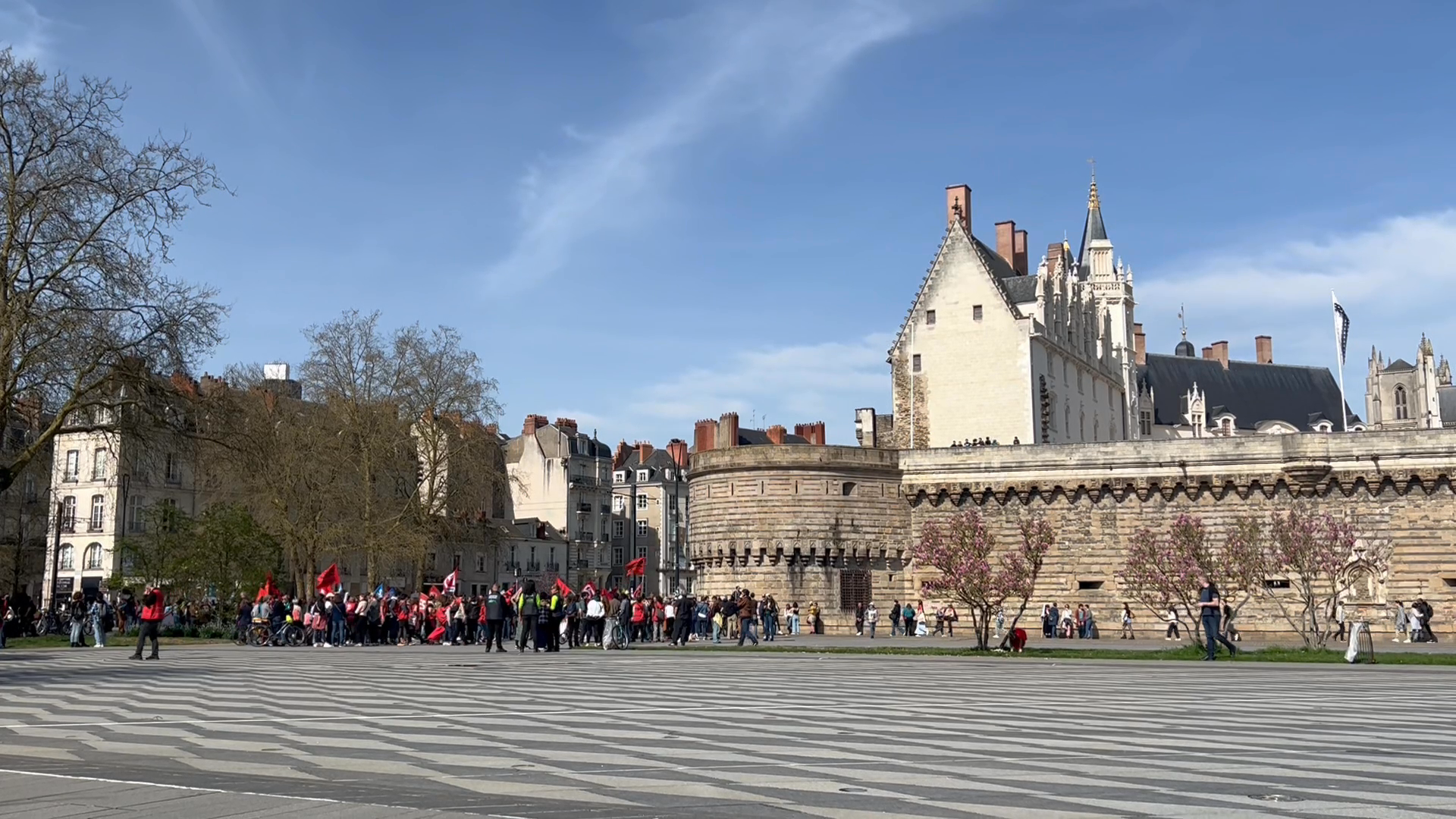
The first time I saw a strike in Nantes, I thought the city had stopped breathing. Buses froze in place, garbage piled up, and cafés ran out of milk. But no one seemed alarmed. France, I realized, doesn’t panic when the system stops—it expects to.
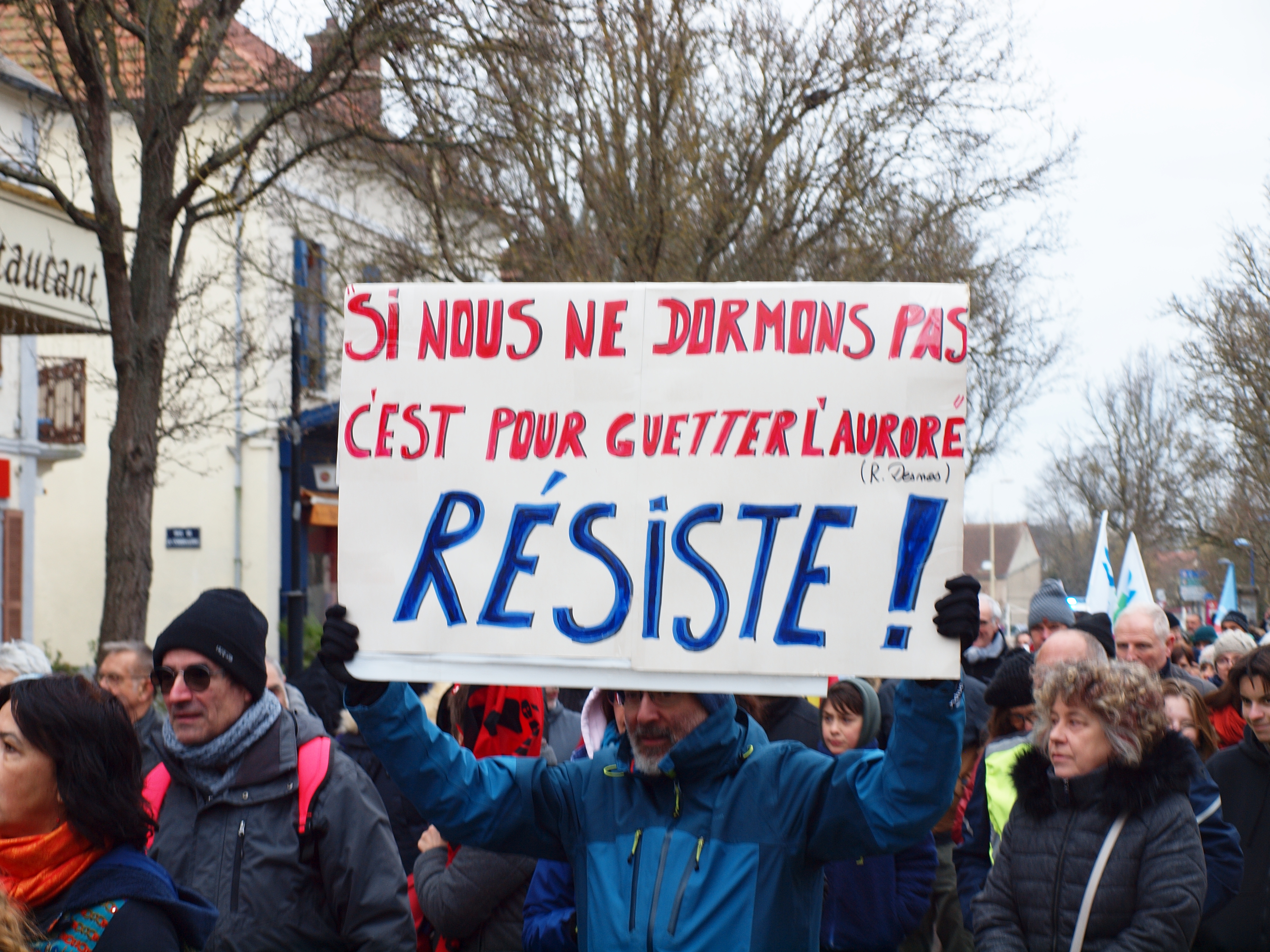
C’est la Grève
During the course of the past year there have been several strikes, the most recent was a teacher strike on March 18th to protest low wages and such. Kids were off from school and out enjoying a bright spring day. There were some marches, but nothing too disruptive here.
It used to be that they would post strike activity forecasts in several of the major newspapers right next to the weather report. Now there is a website for this information. The forecasts and predictions used to be based on the number of permits police had handed out for protests in a given day.
While it’s helpful, it hasn’t reflected the recent extended farmer’s strikes or the handful of Wildcat strikes like one spontaneously started in May of 1999 when a protest shut down most of Paris. The original cause was stated as due to “violence inflicted upon metro workers by the public.”
When Information Becomes Ammunition
It used to be that they would post strike activity forecasts in several of the major newspapers—right next to the weather report. Now there’s a website for this information. The forecasts were based on the number of permits police had handed out for protests in a given day.
A friend here once told me he’d been tempted to build an app to track all the teacher strikes. He has two young kids, and the sudden closures upend his family’s week without warning.
But he said he hesitated. The same tool, he realized, could easily be co-opted by far-right groups eager to portray unions and teachers as the enemy.
It’s a real problem—parents do need information—but it’s also the kind of problem that resists easy solutions when everything risks being dragged into political trench warfare.
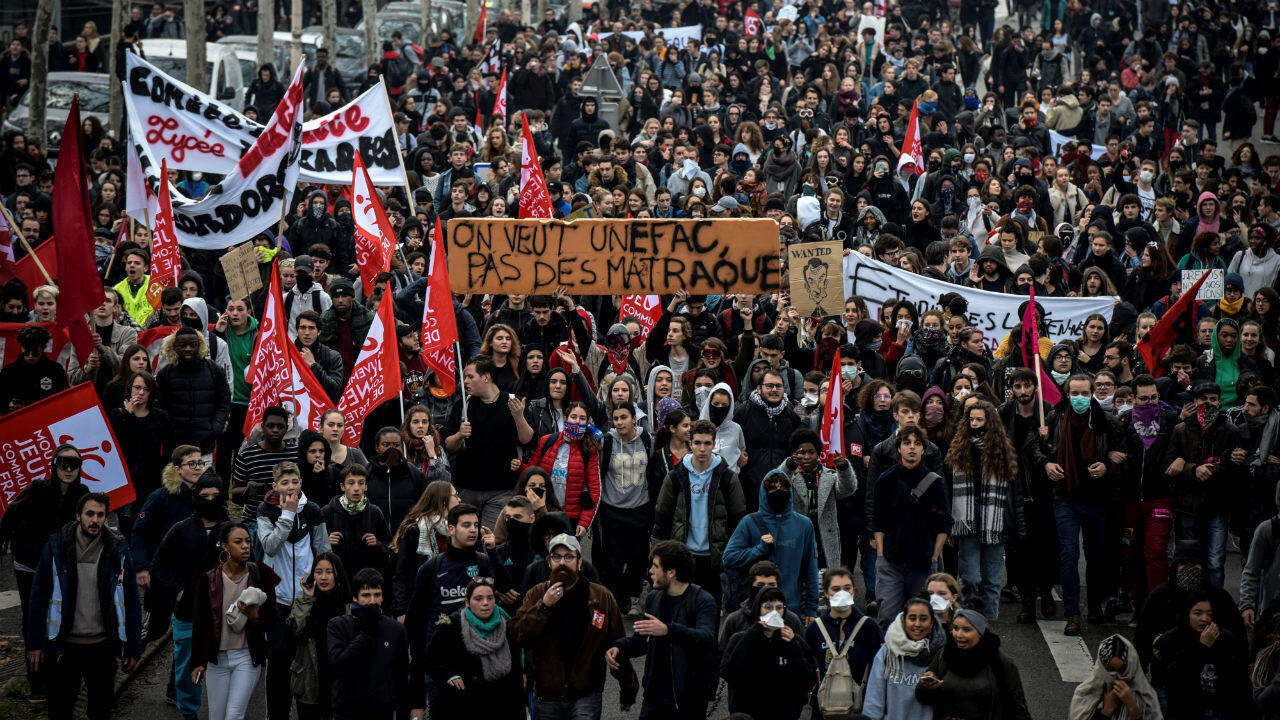
disinformation
According to radio reports later in the day the strike was declared because a subway inspector was killed fighting illegal vendors on the Paris Metro.
By the middle of that afternoon, all the buses in Paris and regional trains transporting commuters in and out of the capital ceased operations in solidarity with the metro workers and Paris was paralyzed.
The next morning, the truth came out.
The metro inspector hadn’t been killed by an angry vendor after all—he’d died chasing one, his aorta rupturing mid-stride. A tragic accident, not an attack.
No retraction followed. No apology.
The unions simply shifted their message: the strike now protested “stressful conditions” and “understaffing.” Trains stayed still for two more days, and Paris stayed shut.
No one seemed especially shocked.
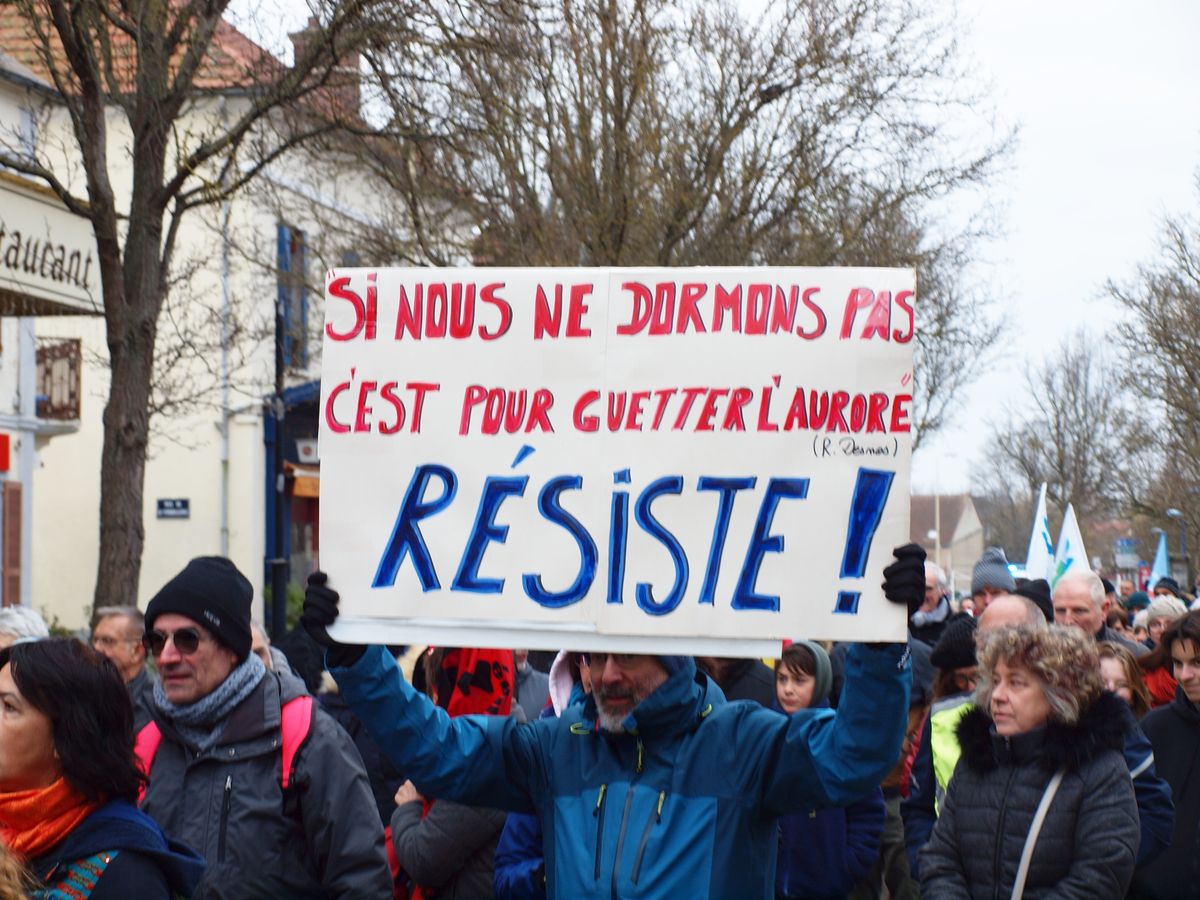
In France, this kind of pivot isn’t scandal—it’s strategy. Protest isn’t just a reaction here; it’s part of governance. The executive holds enormous power, and the street is the counterweight. The Revolution may be long over, but its muscle memory remains.
People tolerate the inconvenience. Many even admire it.
As a friend told me, “In France, everyone loves to fuck the system a little.”
When we first arrived, garbage piled high in Nantes for weeks. One morning, I ducked into a café and asked for a café crème. The owner shook his head.
“No milk,” he said.
“THere’s no milk?” I asked. The area is famously awash in dairy.
“Do you see cows?”
Okay - espresso then. Thanks.
It only seems like a lot of strikes…
After looking into it, it seems like French don't actually strike that much, but they do so dramatically. I can’t imagine what the police response would be in the US, but I doubt it would be peaceful.
It matters.
The number of protests are high for Europe, but in an average year, the French hold fewer strikes than Americans do.
France is also less unionized: less than 10% of most French workers belong to a union, compared to roughly 14% of the United States - and that's really been declining, but public sector workers in the US form a large percentage of unions. [ed note: although this is very likely to have changed with the current regime’s mass firings.]
That said, the French do excel at protesting. It is theatrical, but results in few arrests, no matter how many farmers spray manure on government buildings.
One truck sprayed liquid manure while dozens of police stood by without intervening. Moments later, another truck lifted burning tires and rubbish over the gates and dumped it in the prefecture courtyard.
I’m a little impressed by how coordinated it all is.
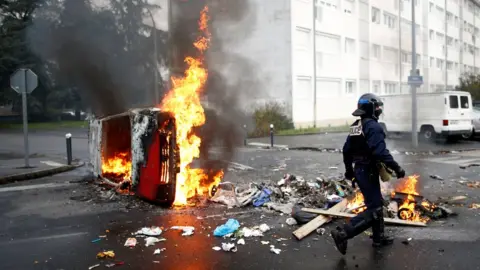
[ed note: here’s a bit on why people burn car tires at protests.]
When the Streets Are the Balance of Power
Even the police—kind of—respect protest here. It’s not just tolerated; it’s built into the system. That really does depend on who, when and where is doing the protesting.
In a country where the executive holds most of the cards, the street is the counterweight.
Protest isn’t chaos. It’s the feedback loop.
It is, of course, also occasionally chaos.
It’s been that way for centuries. The moat on the east side of the Louvre wasn’t dug to keep out foreign armies—it was to keep out Parisians. Louis XIV expanded it five hundred years later, and not much has changed since. The people still bang on the gates when things go too far.
Part of this comes down to geography—and design.
France is built for centralization. Power, money, and media all flow through Paris.
So when people want to make a point, they know exactly where to go. Shut down one city, and you can be heard from everywhere else.
The U.S. doesn’t work like that.
Our power is physically scattered—city halls, state capitals, school boards. Thirteen thousand school districts, a thousand different fights. It’s hard to hit one target when there’s no single nerve center.
Here, it’s different. Teachers can strike from Nantes to Nice and move as one. Farmers drive tractors into the capital. The whole machine pauses until someone listens.
France runs on protest the way America runs on credit.
One fuels pressure; the other postpones it.
Every country has its pressure valves. In France, it’s the streets. In the U.S., it might be the checkout line.
What’s it like where you are?
.
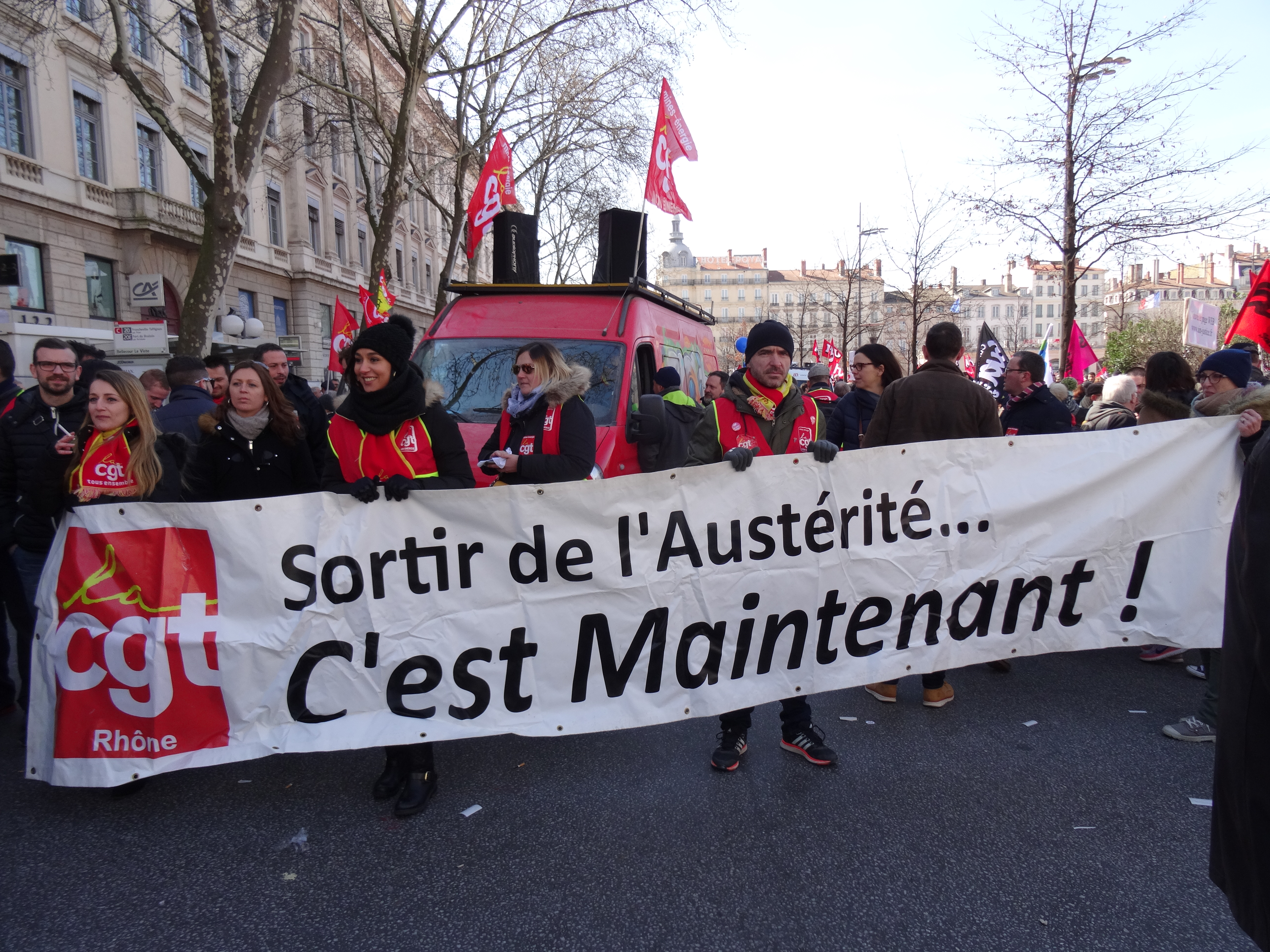
Further reading
 Keith Christiansen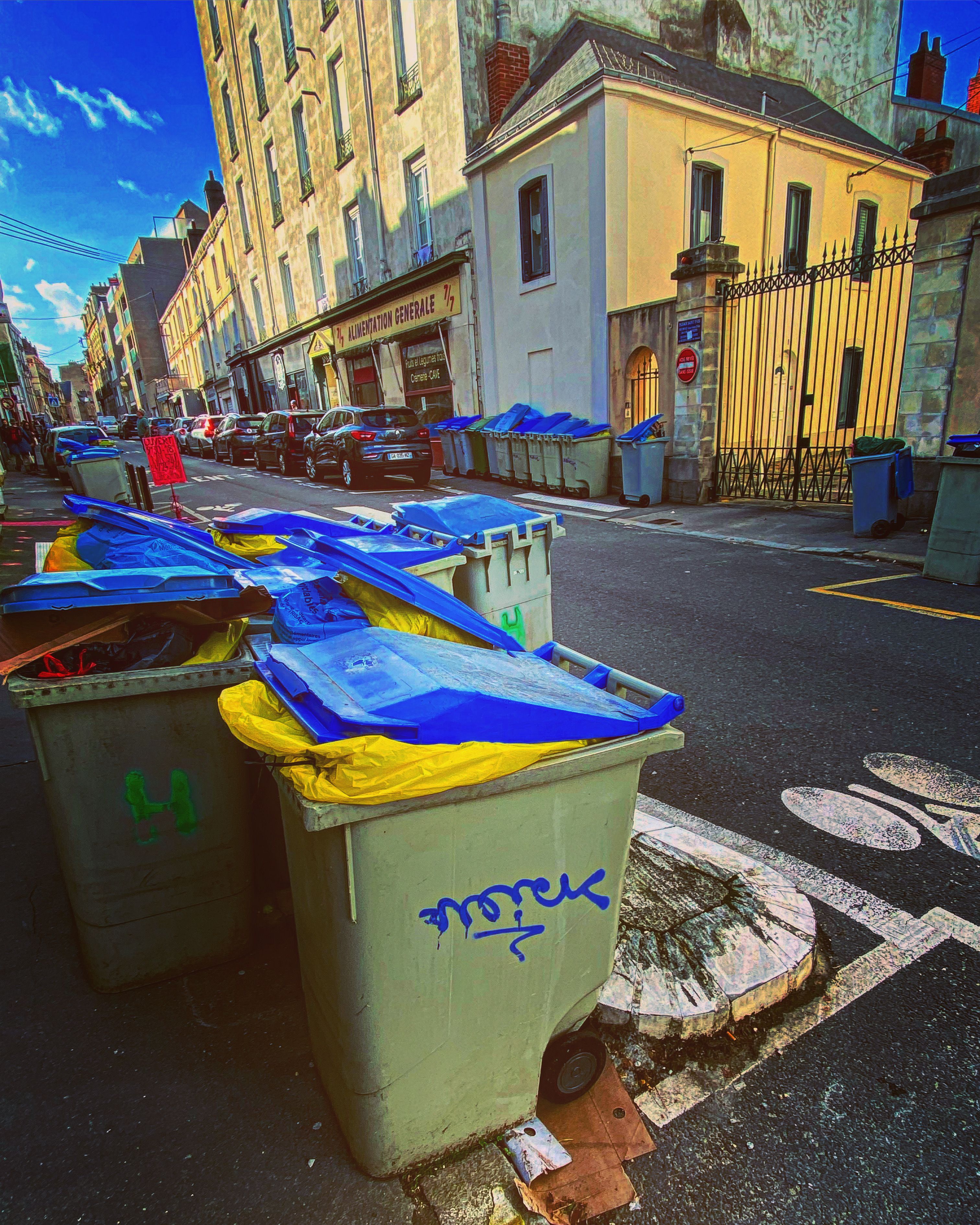
 Keith Christiansen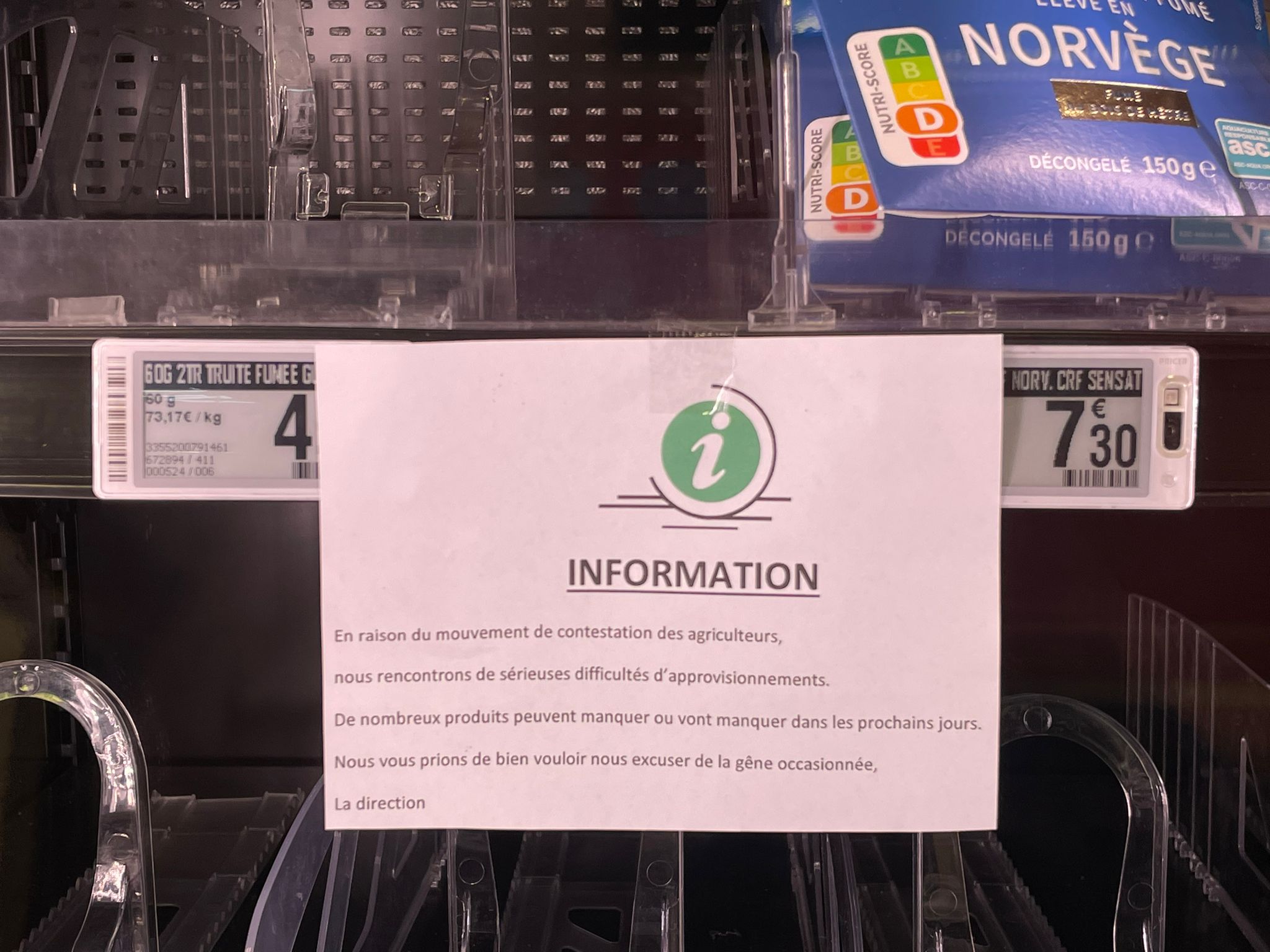
 Keith Christiansen