Lyon, 1850–1910: Doors, Industry, and an Unsettled Republic
Stability, Industry, and Memory in Late 19th-Century Lyon
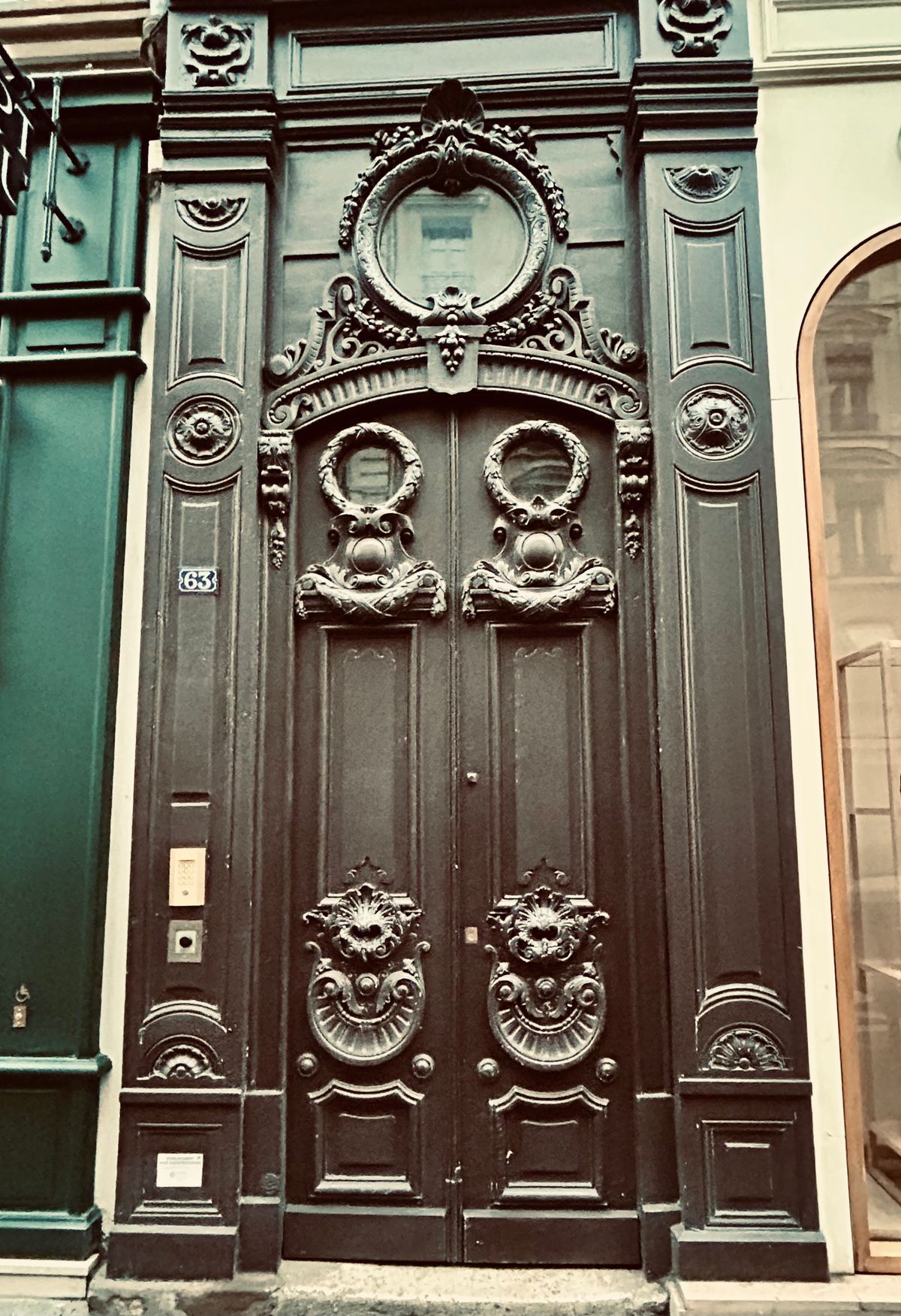
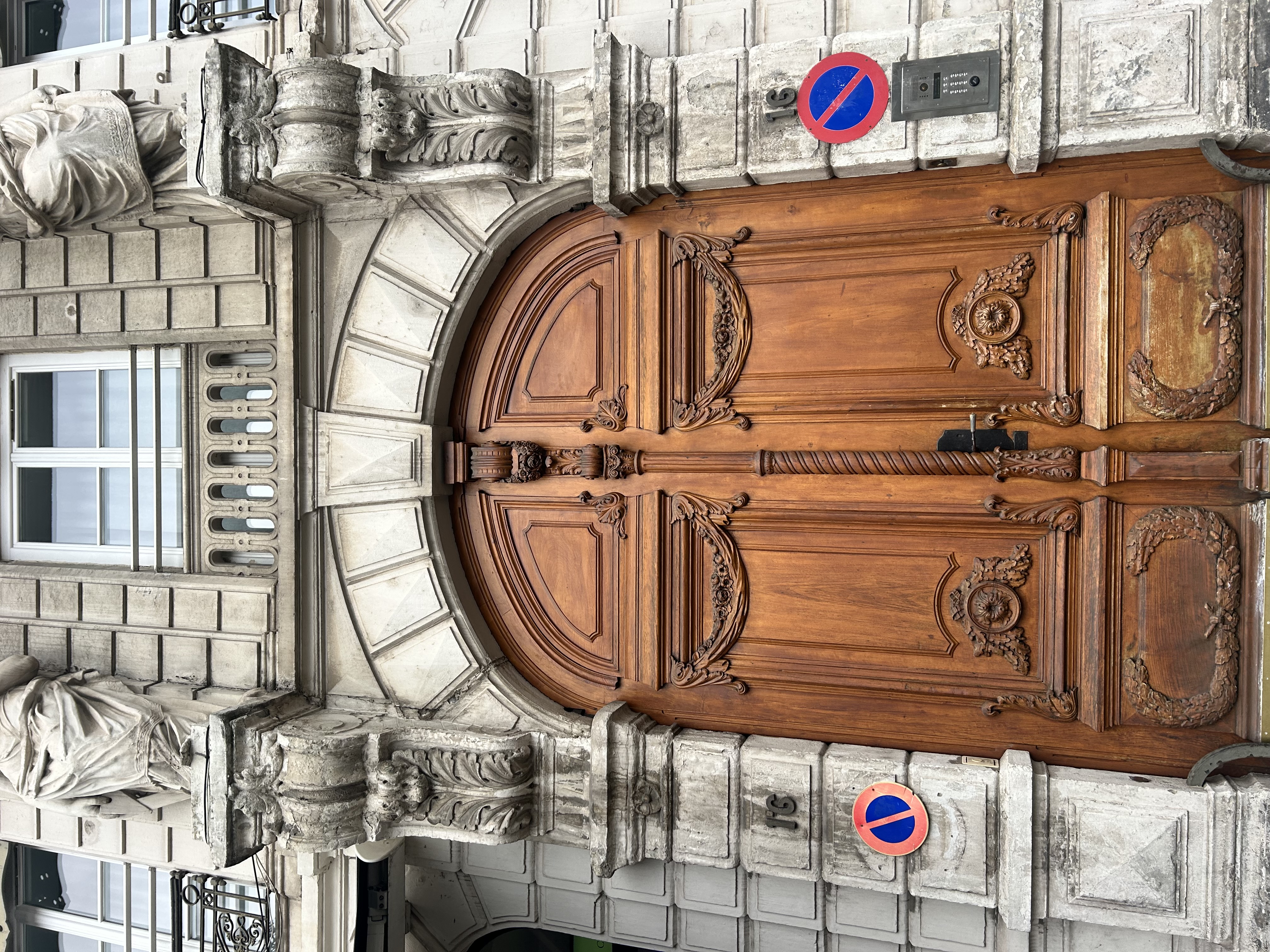
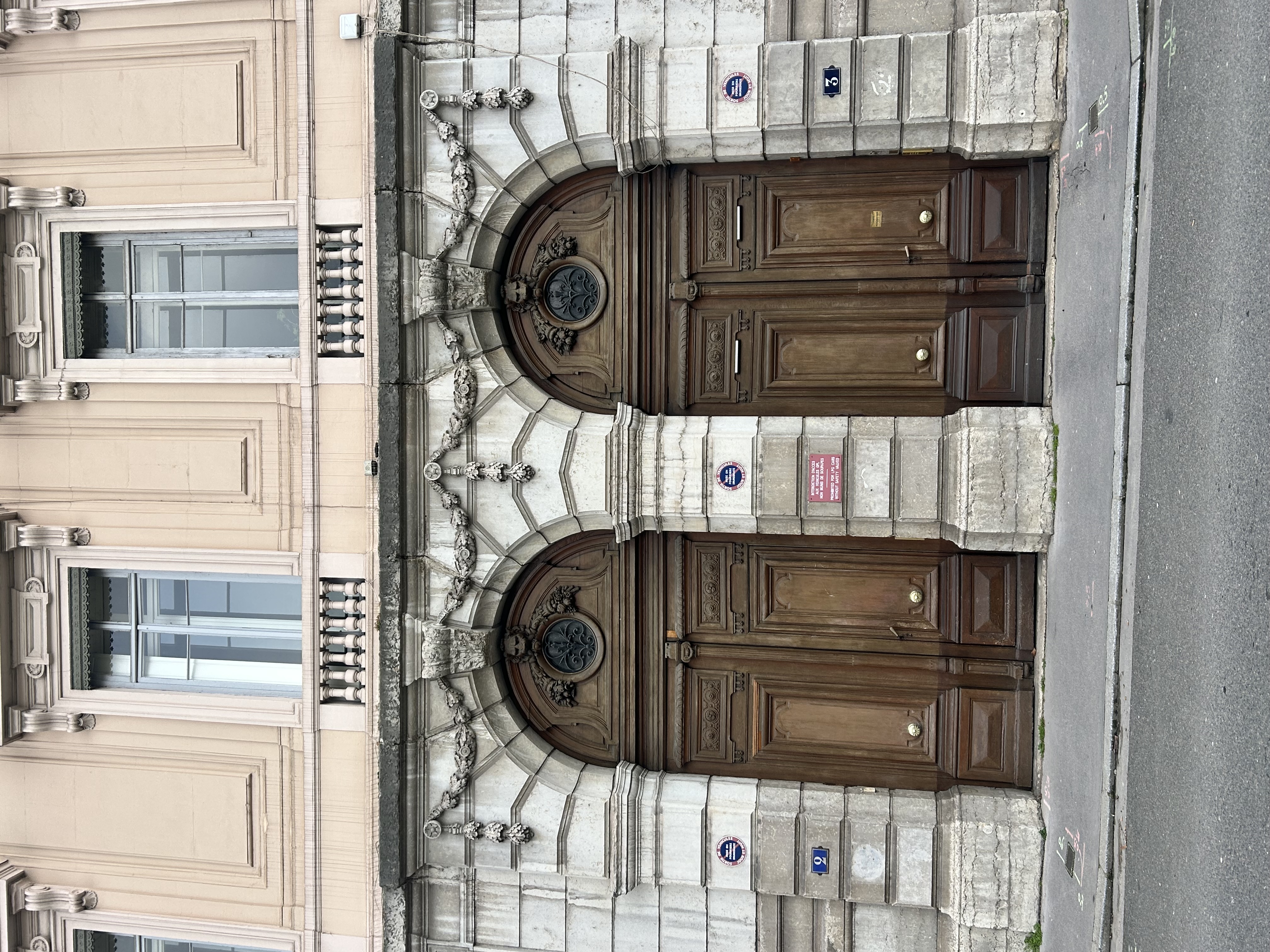
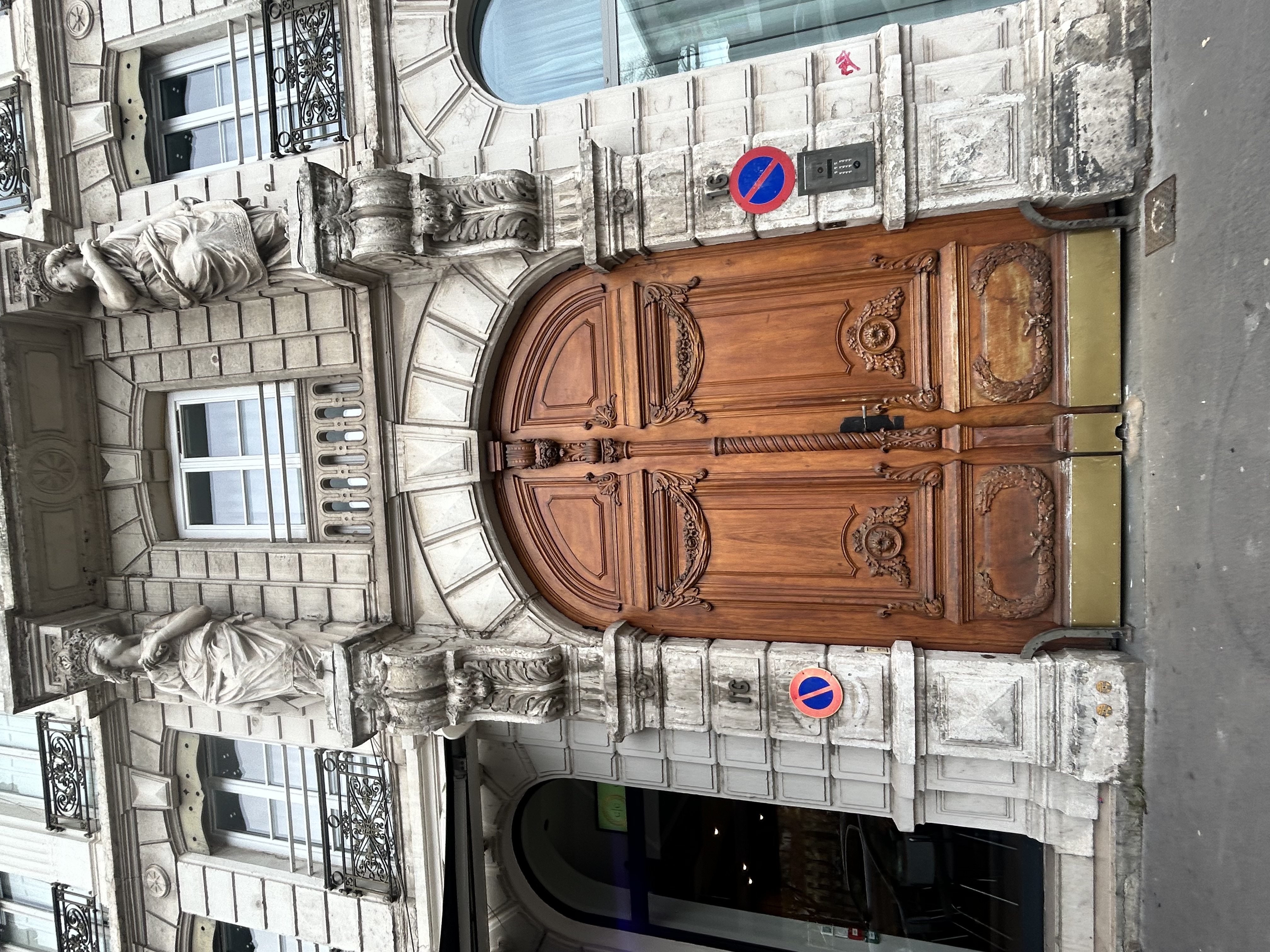
The doors of Lyon tell a story of lost materials, lost history and thinking that produced them. Understand the city a little better with some beautiful architecture.
TL;DR:
A bunch of pretty picture of doors from Lyon - there is about 40 (might be too much), then some history & music. Pics at the end.
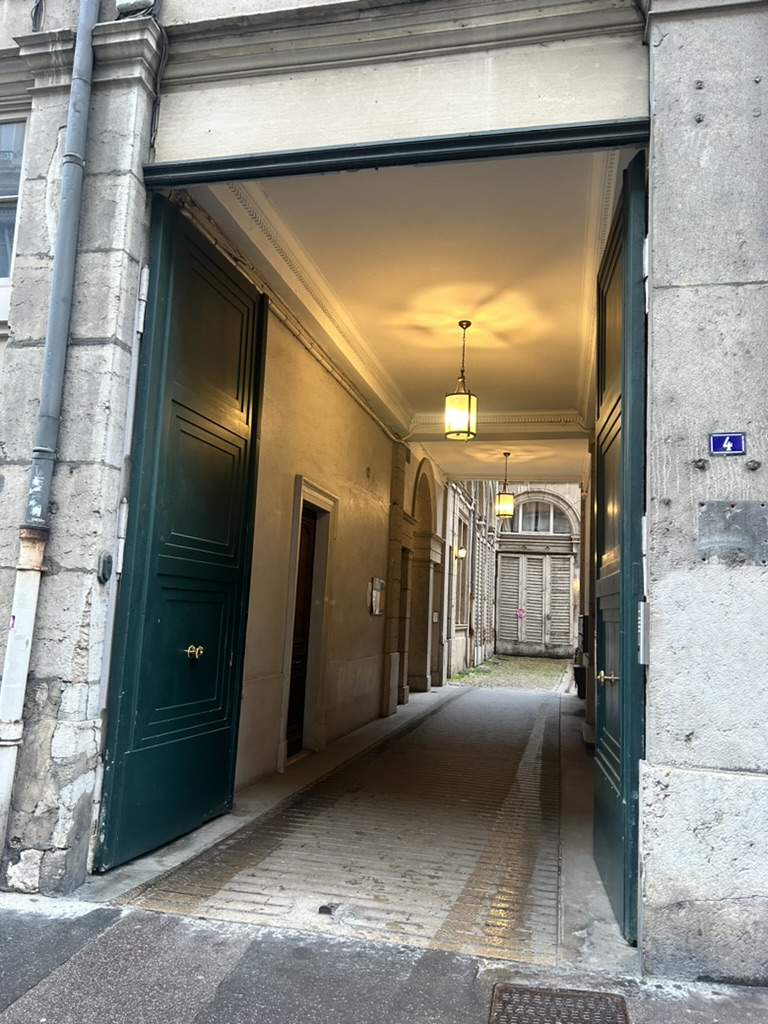
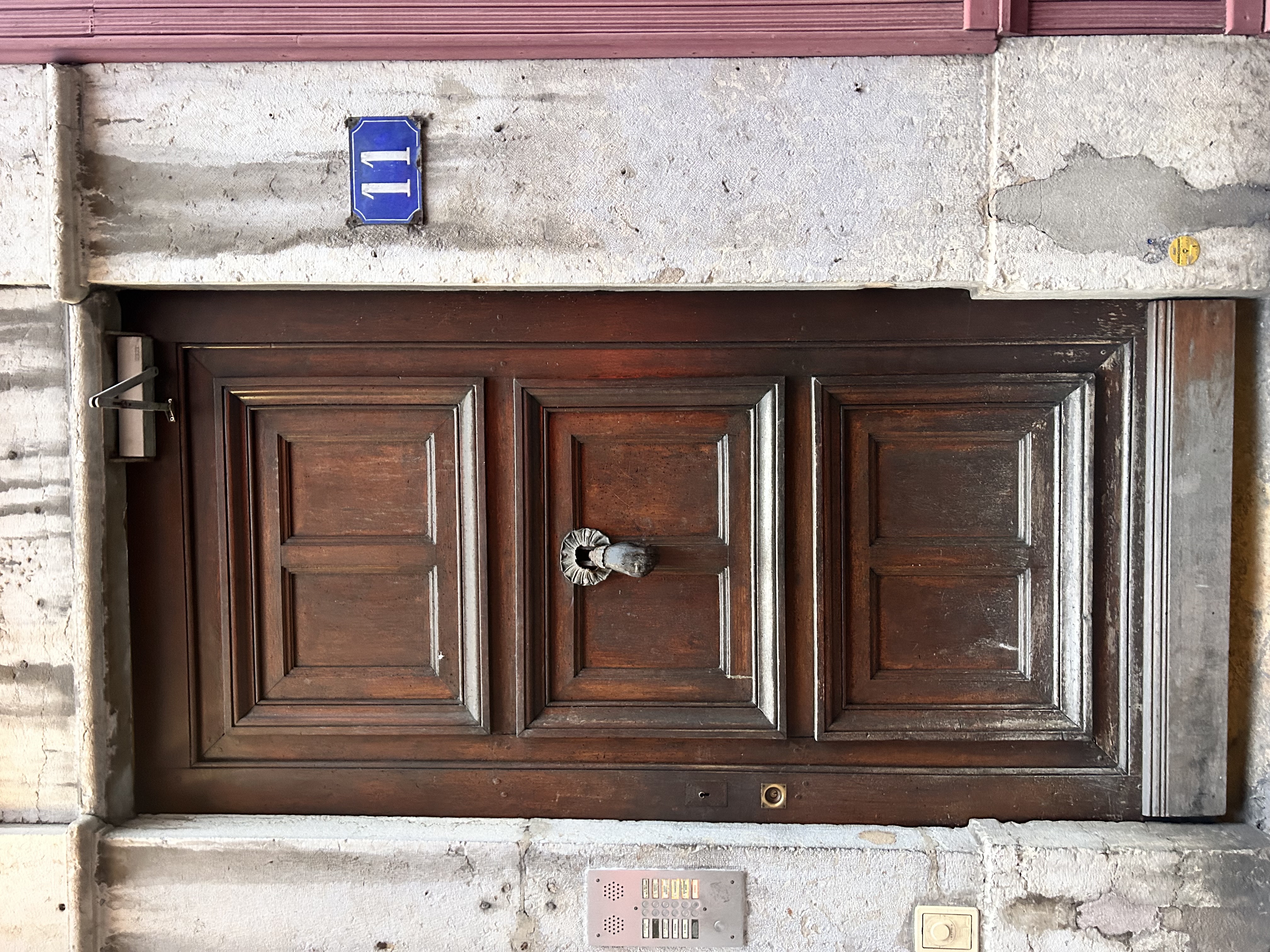
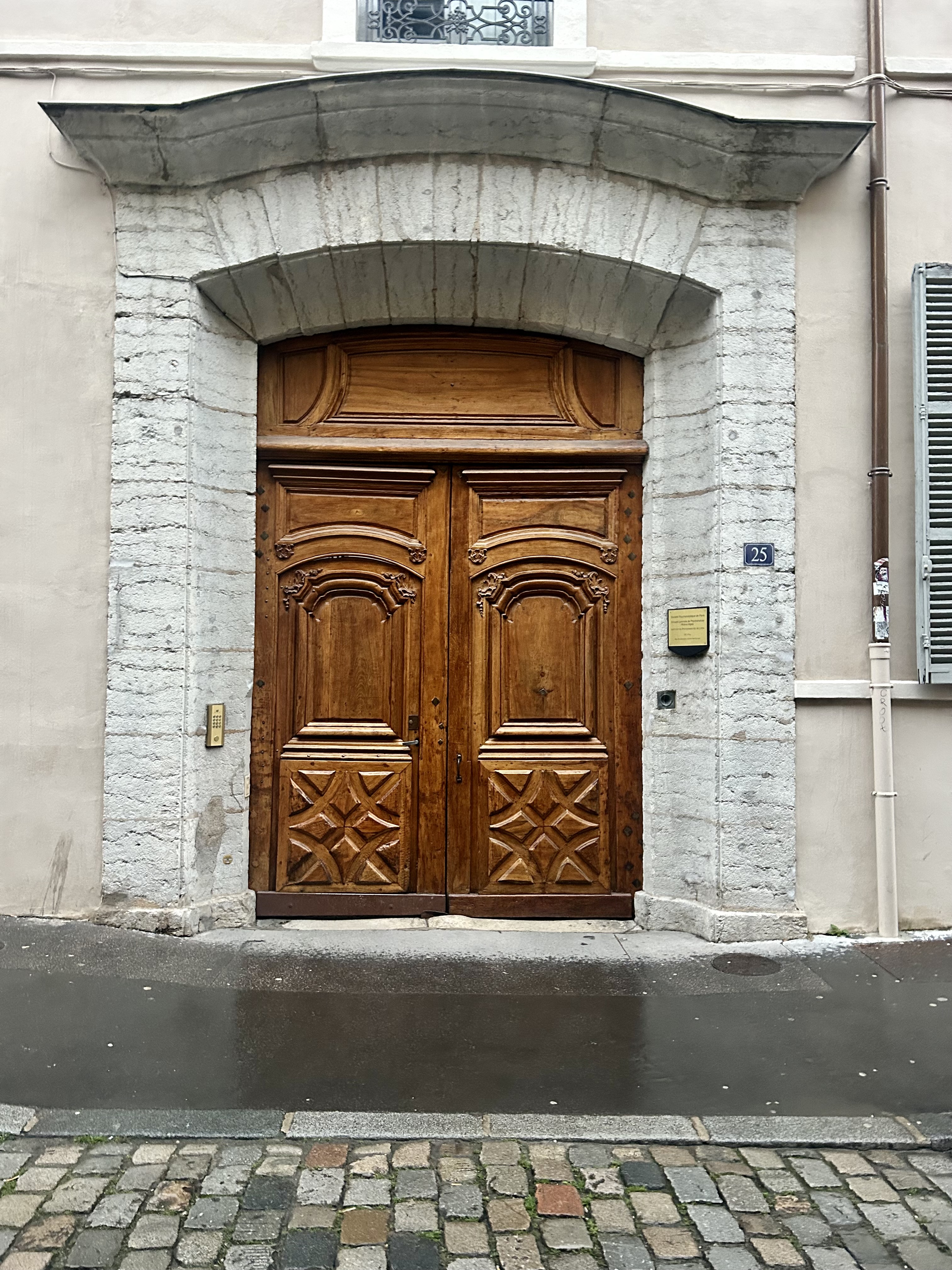
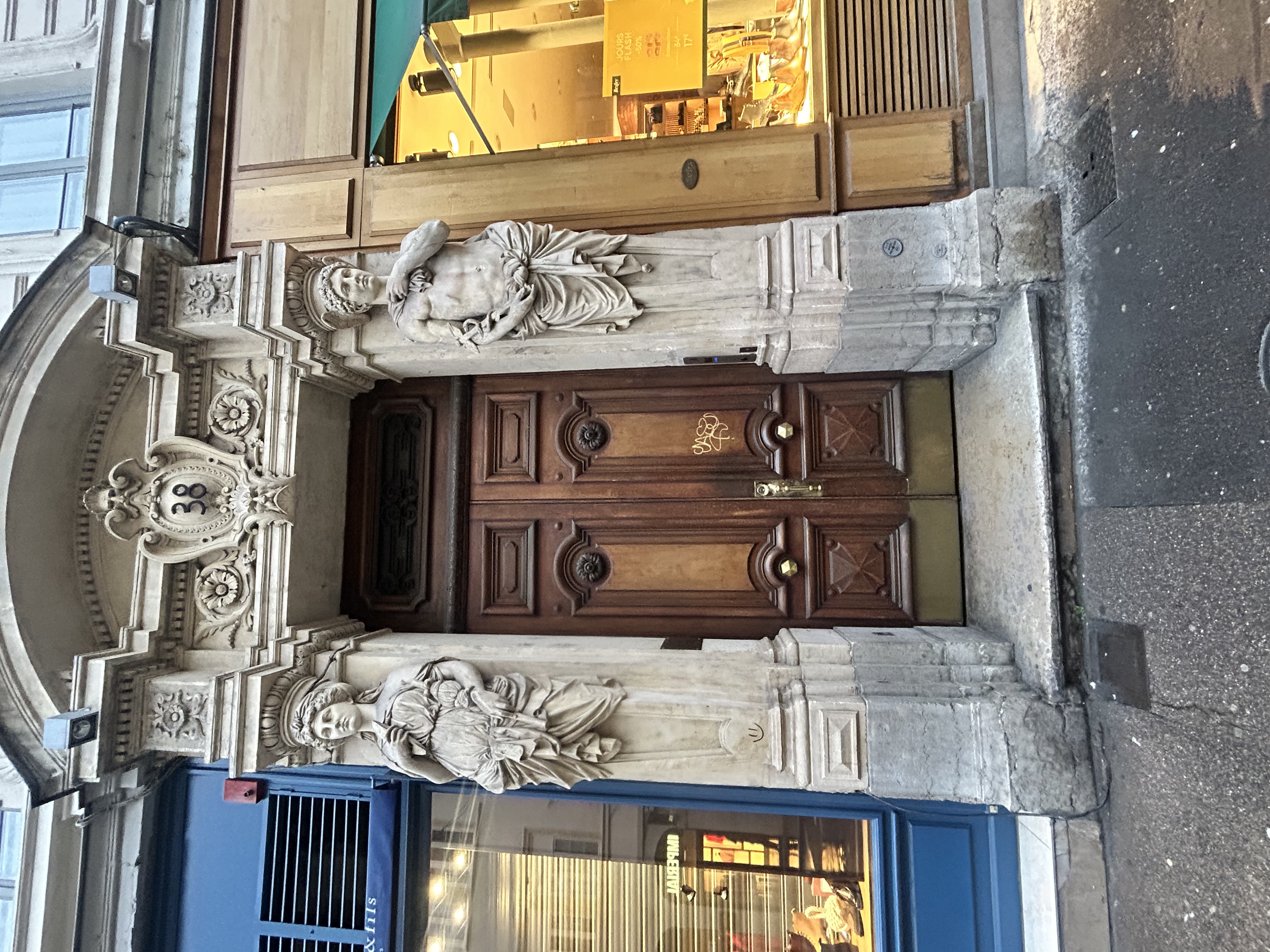
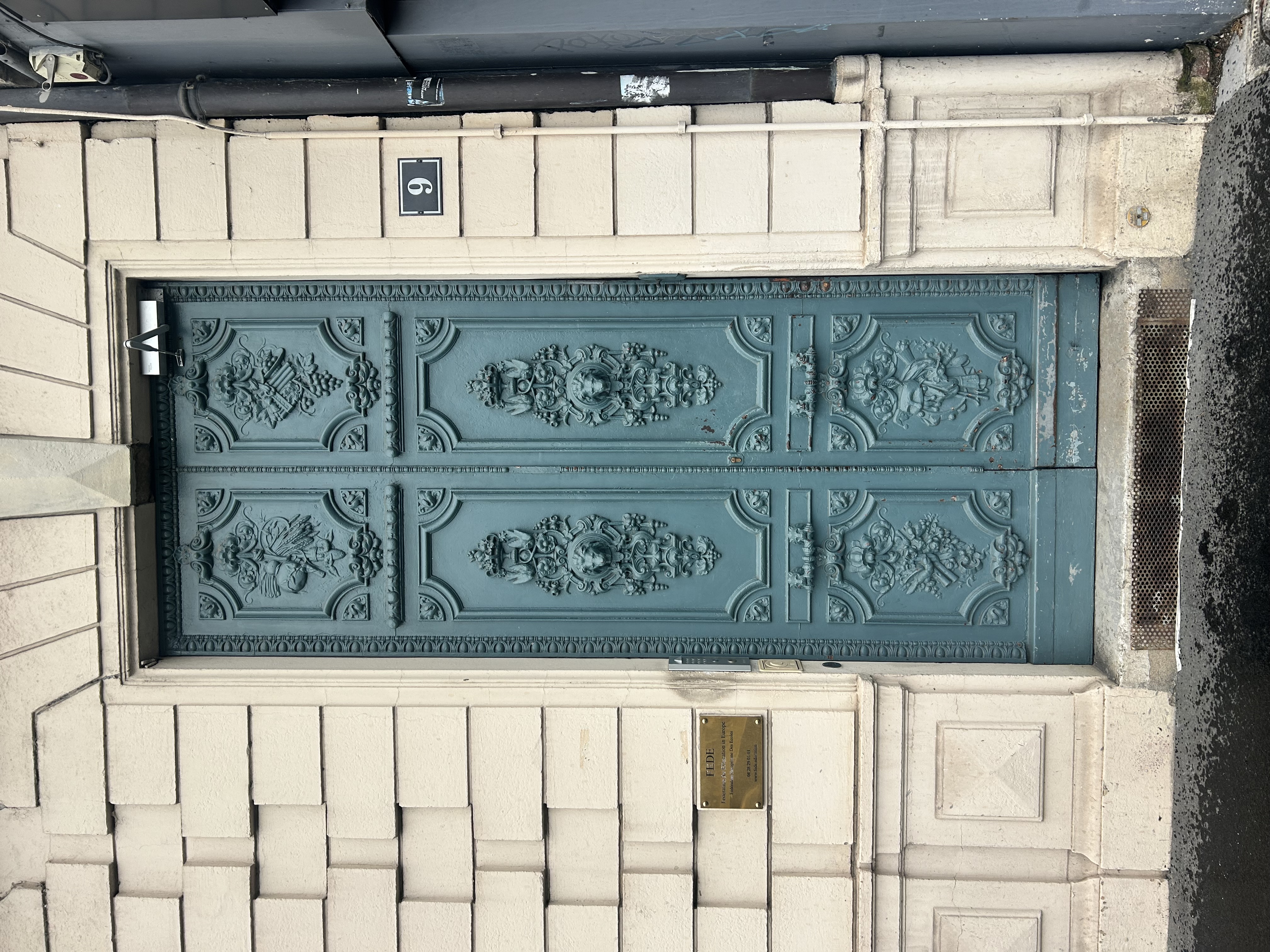
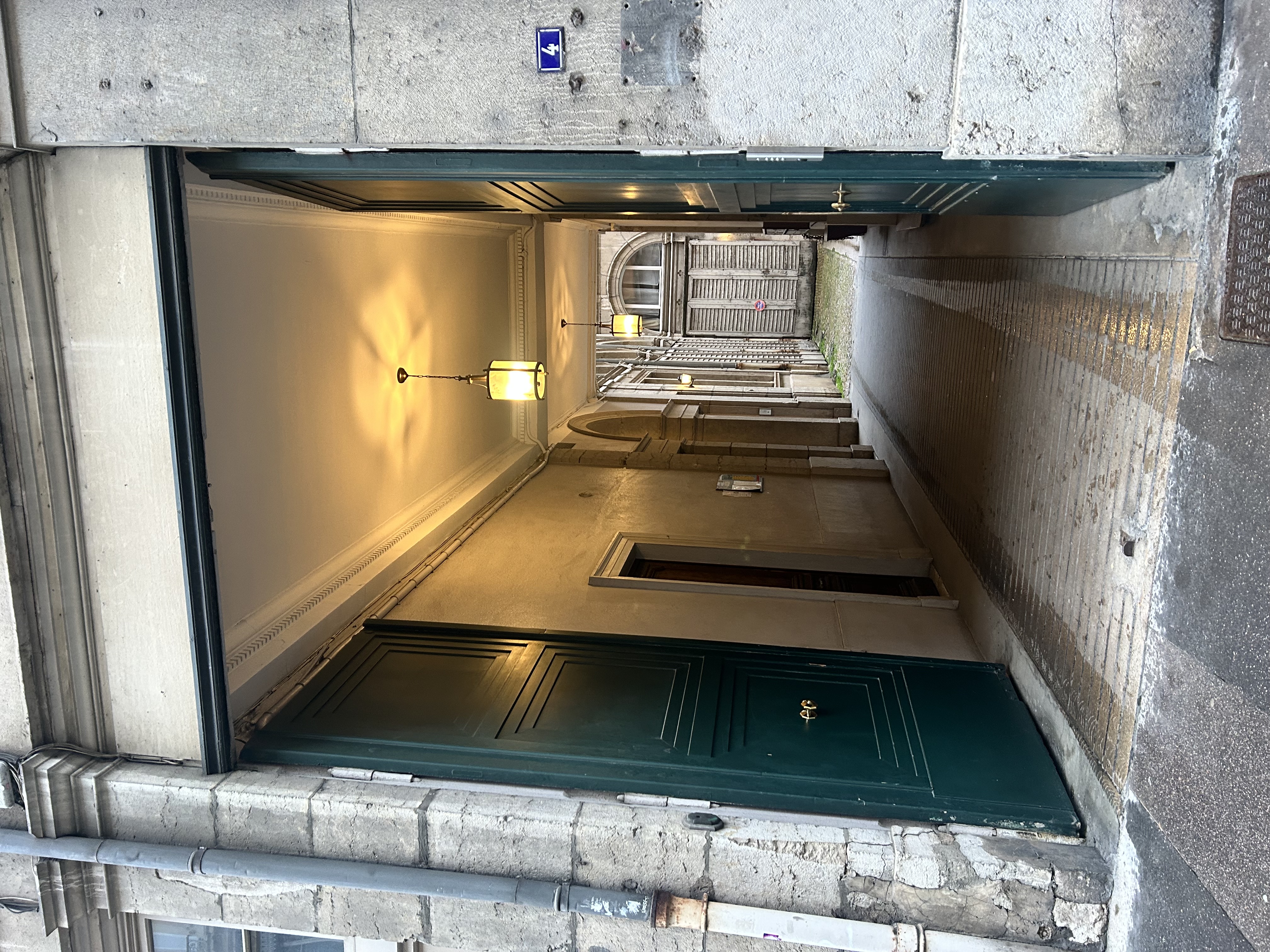
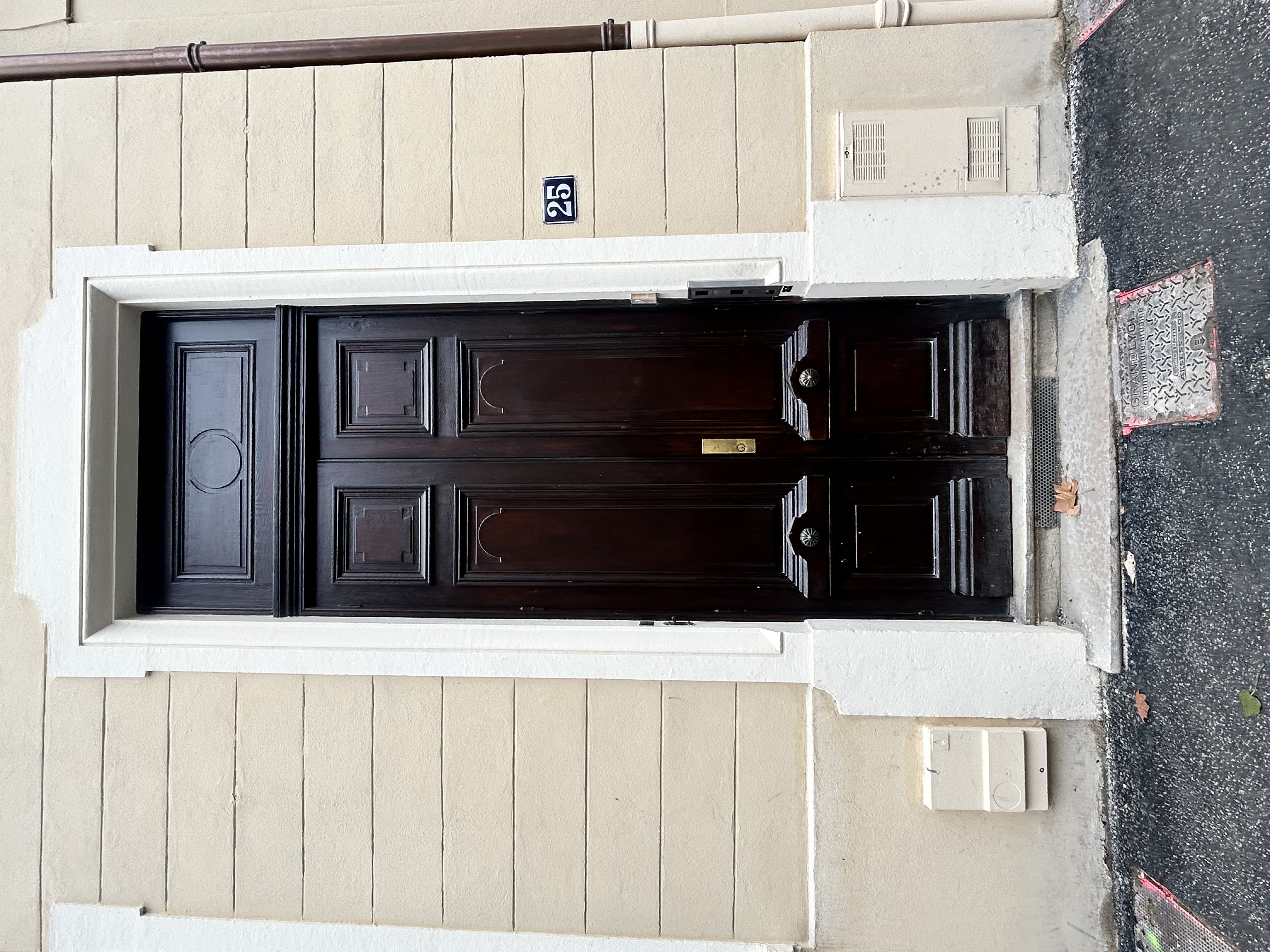
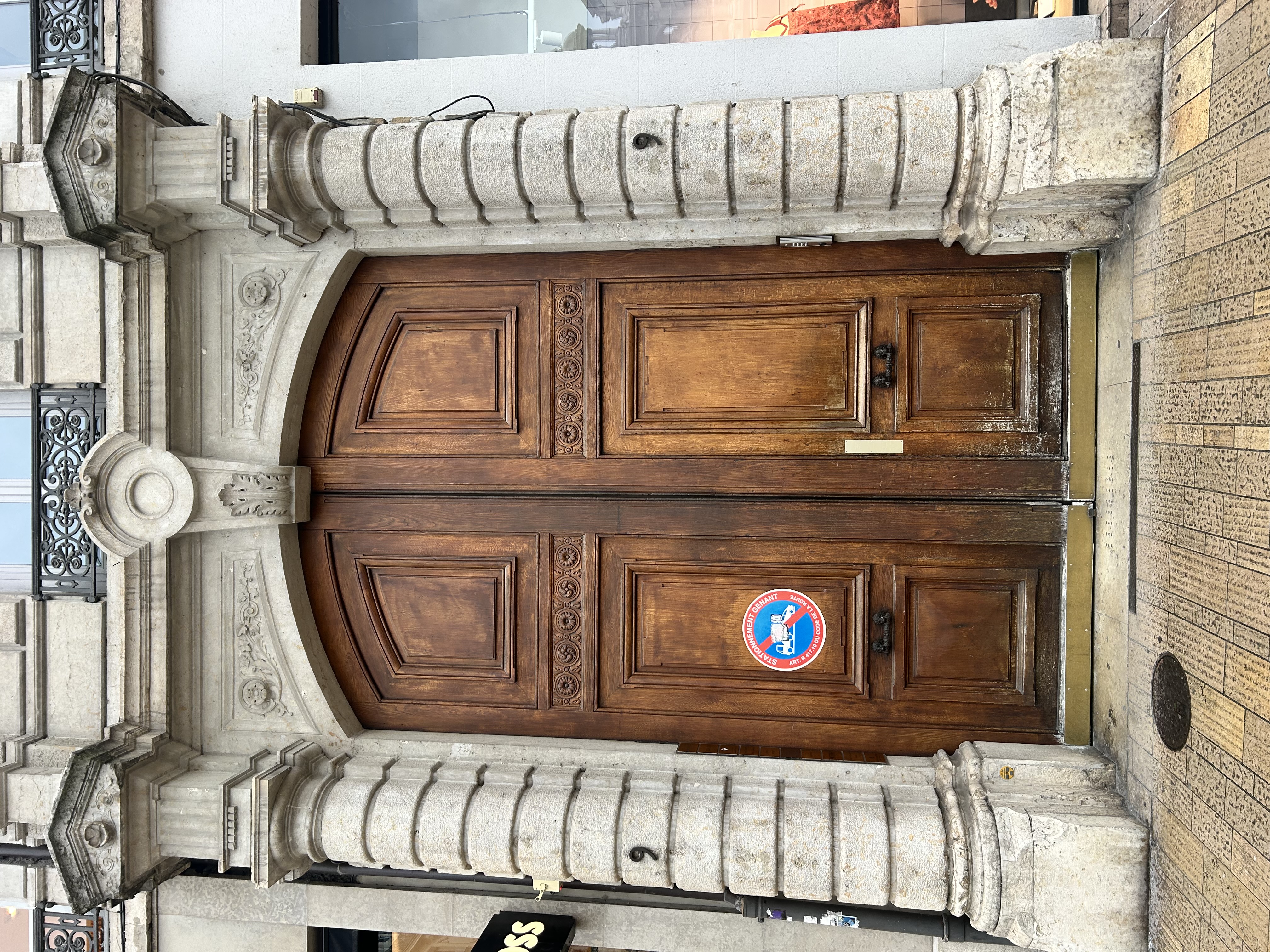
Most of Lyon’s impressive oak doors were built between 1850 and 1910, a period of rapid urban & industrial growth — and political instability. Made from dense, slow-grown French oak and costly to make, they signaled a kind of permanence as new technologies, and social chaos reshaped the city.
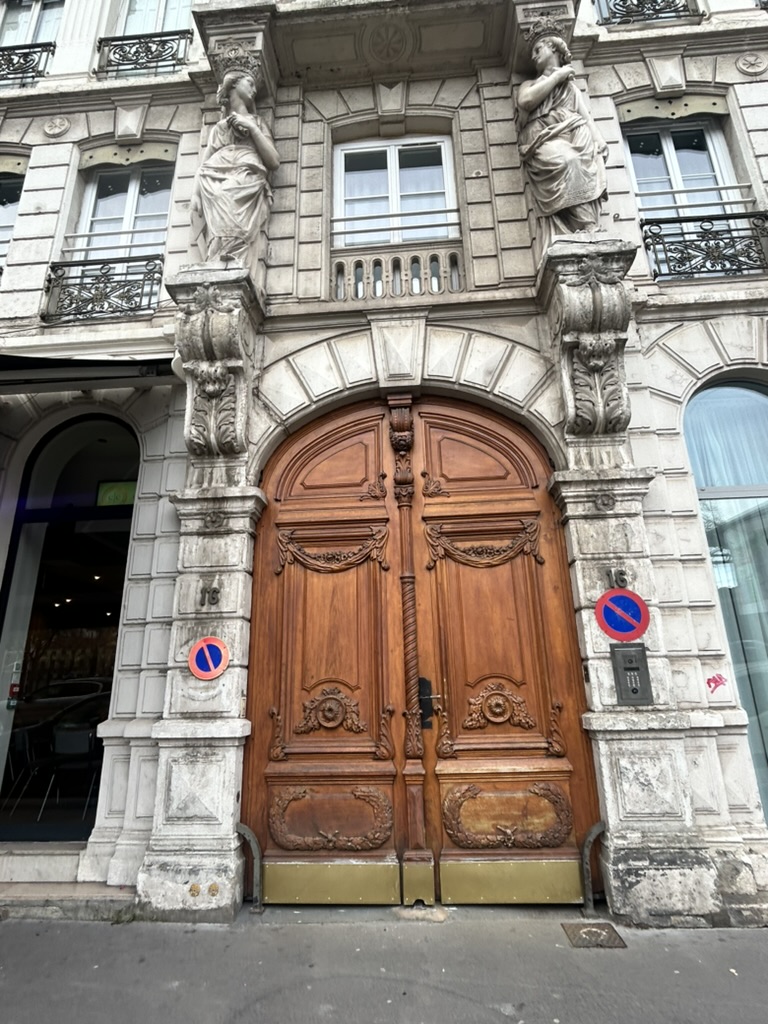
Permanence in an Unstable Republic
In Lyon, you start to notice the doors.
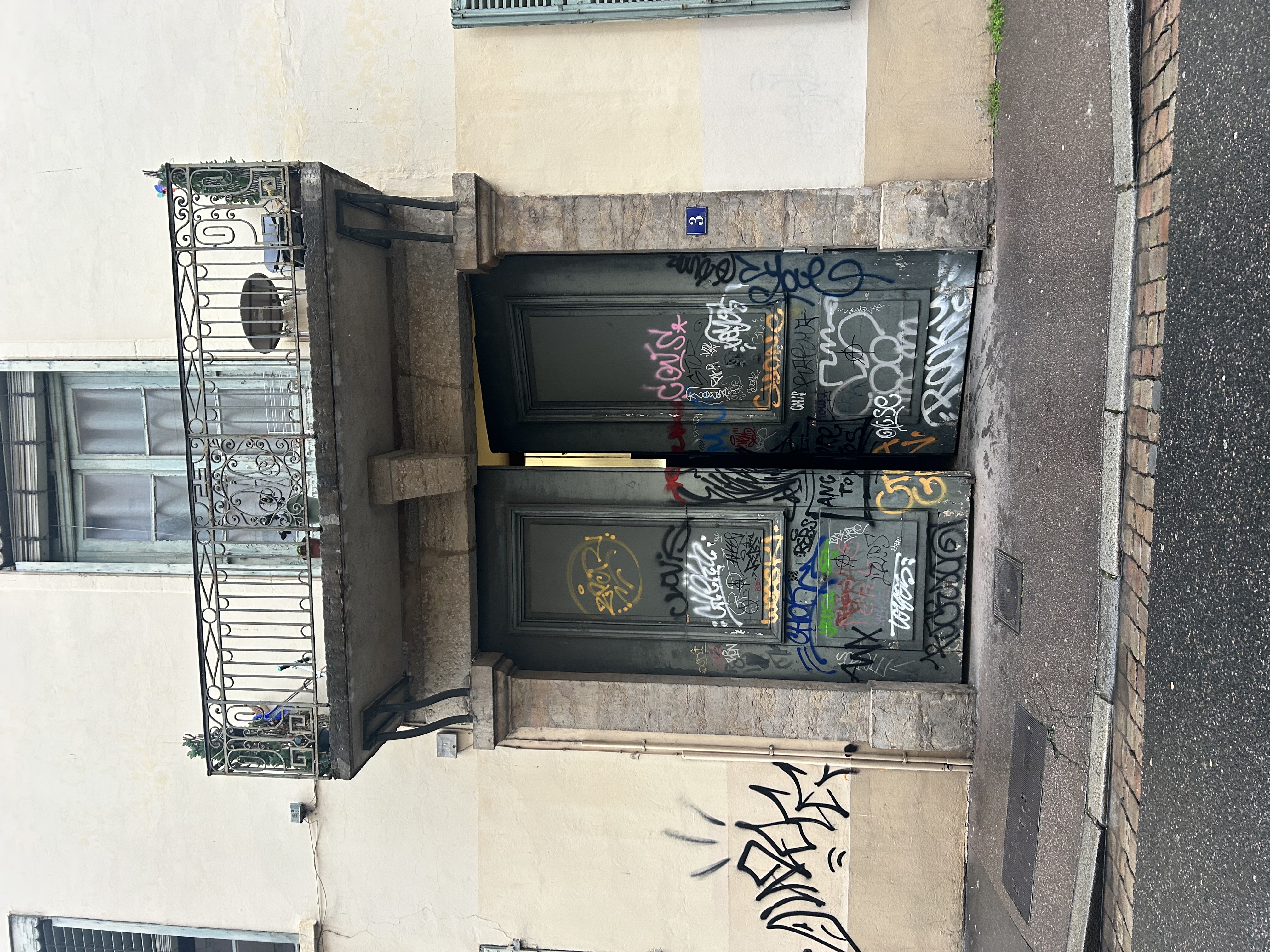
Tall, carved, deliberate. Doors built not just to separate a building from life outside, but to announce its presence.
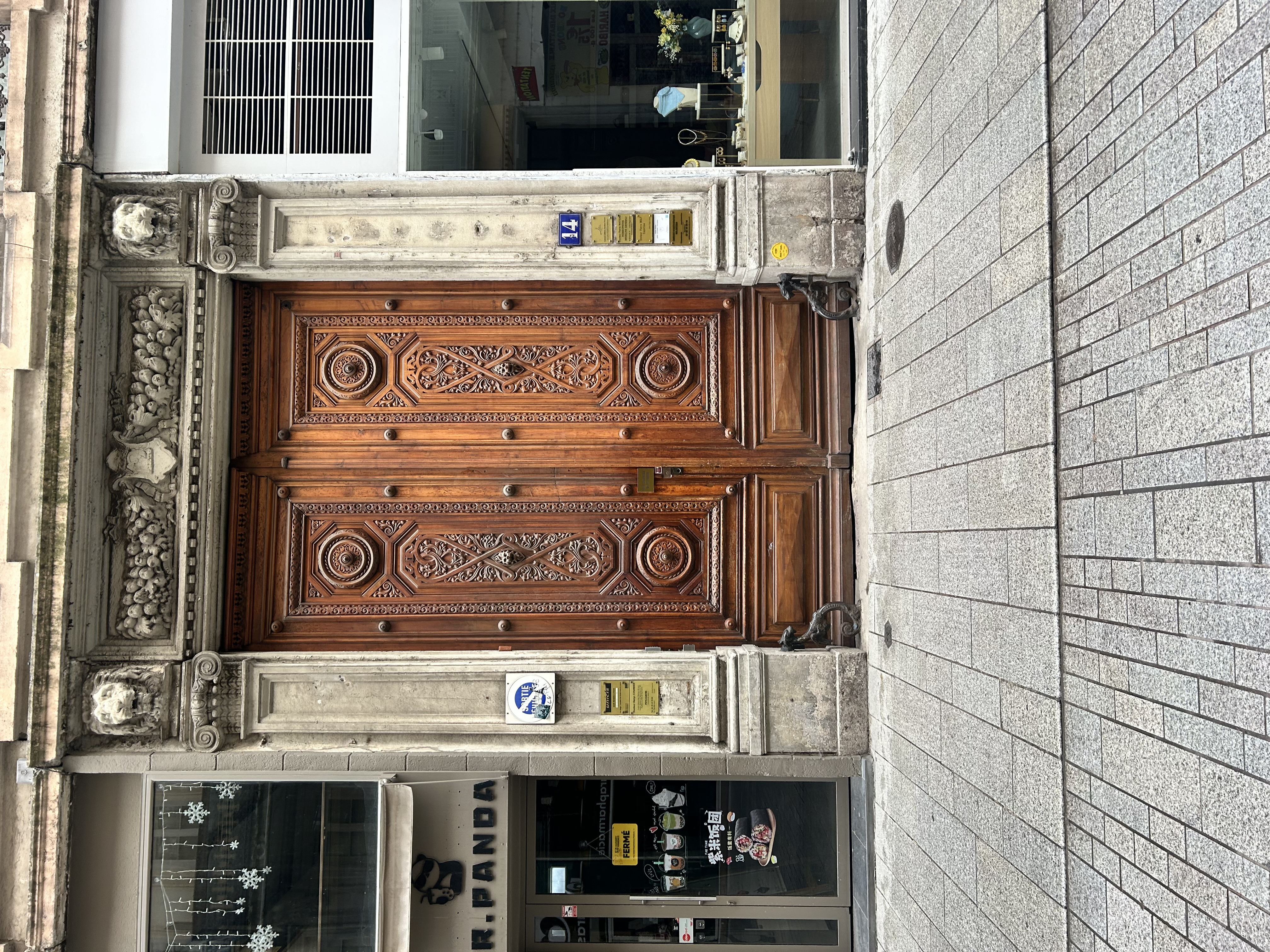
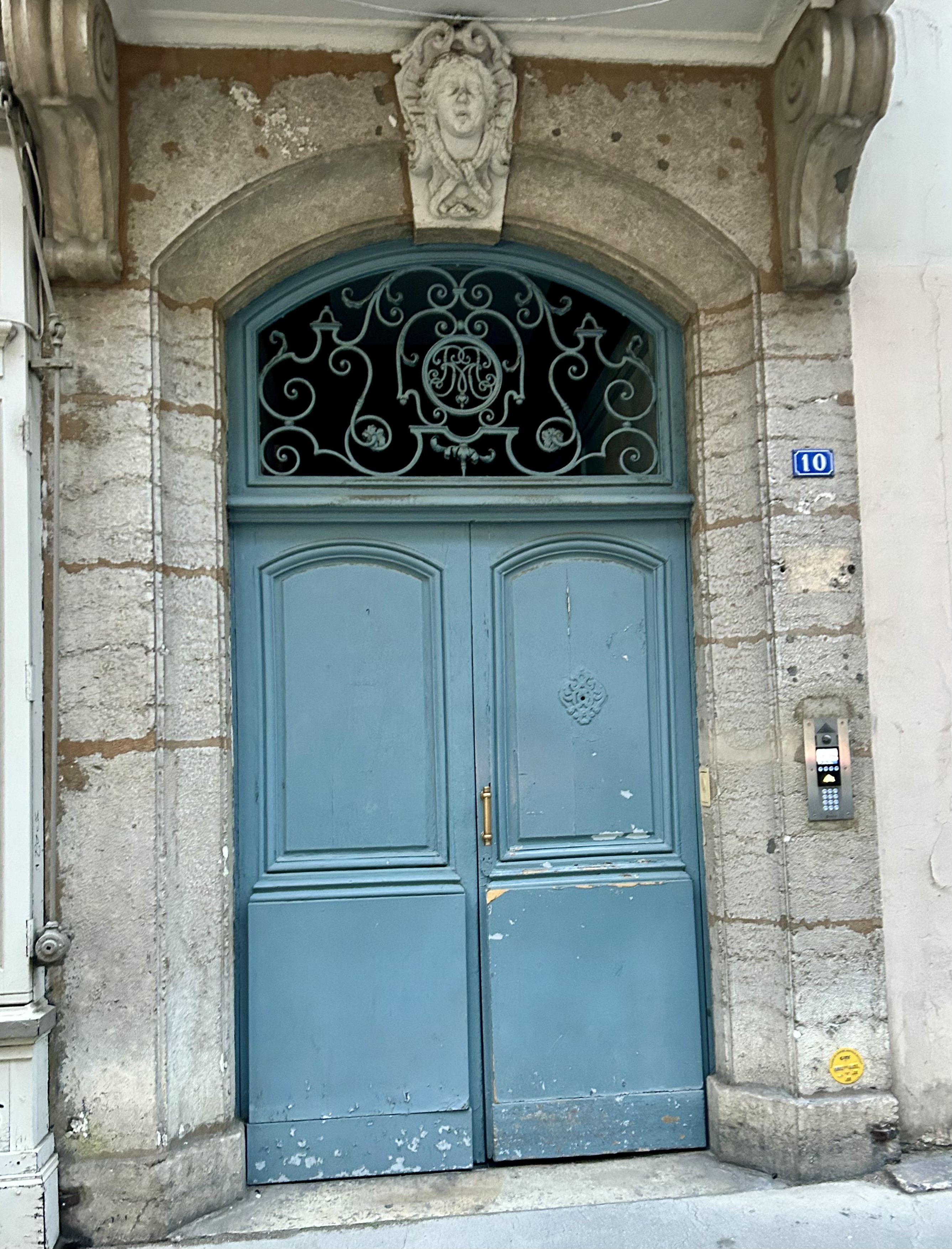
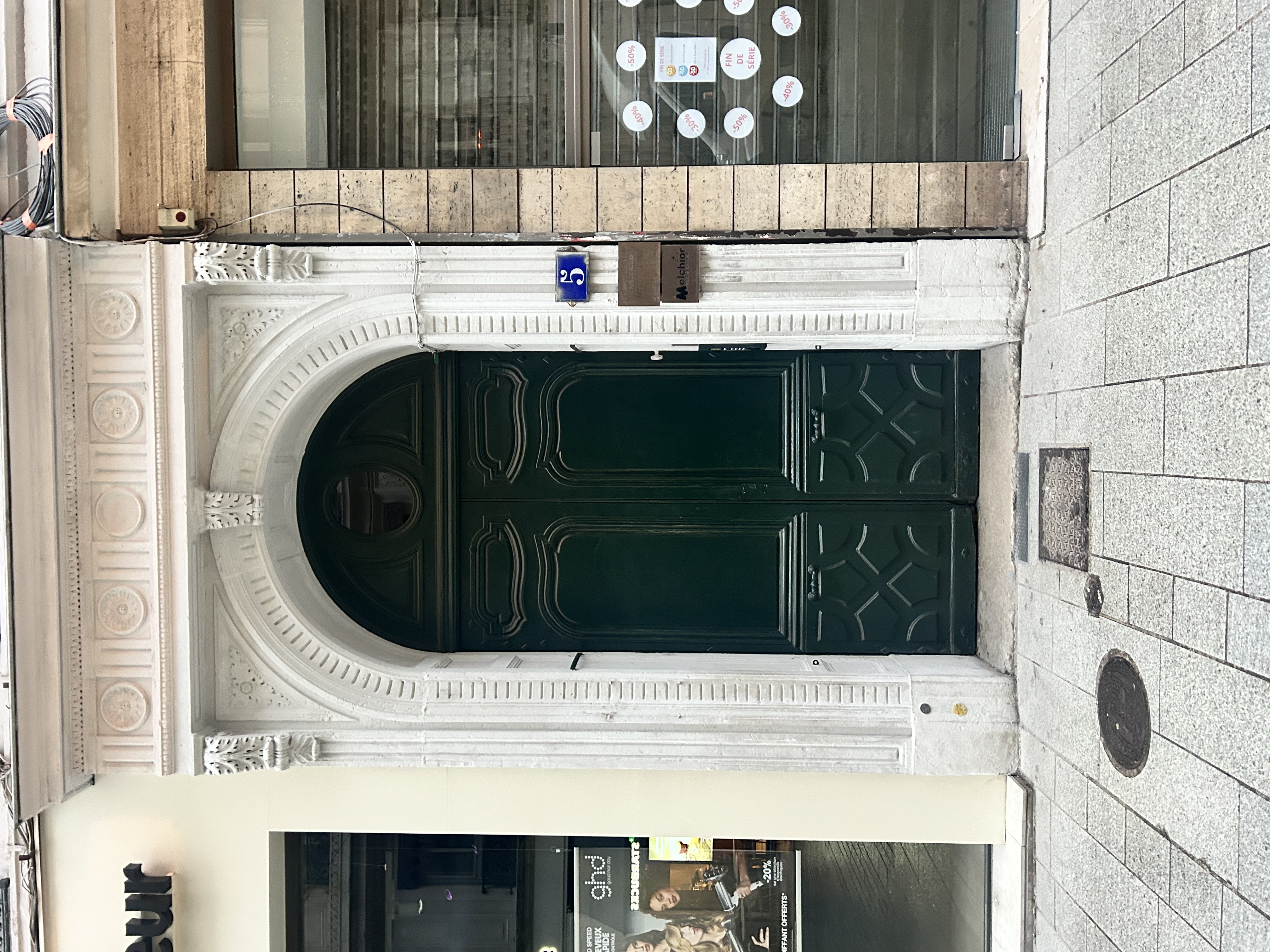
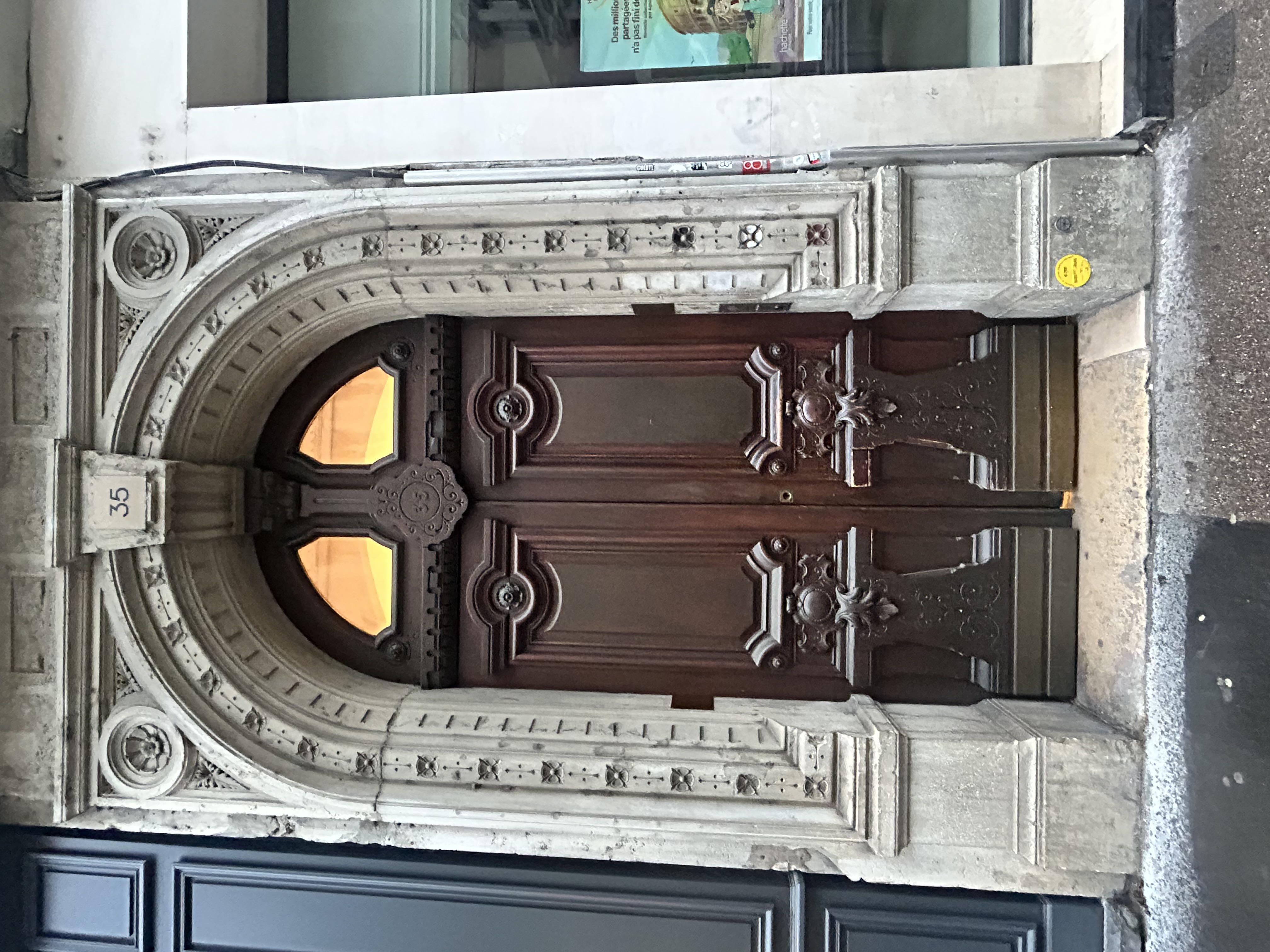
Most of these doors are from the 2nd arrondissement & were likely made between 1850 and 1910, when Lyon was expanding. Silk money, banking money, merchant money. Behind these doors were courtyards, workshops, apartments, horses, ledgers, private lives. Life arranged inward, protected from the street.
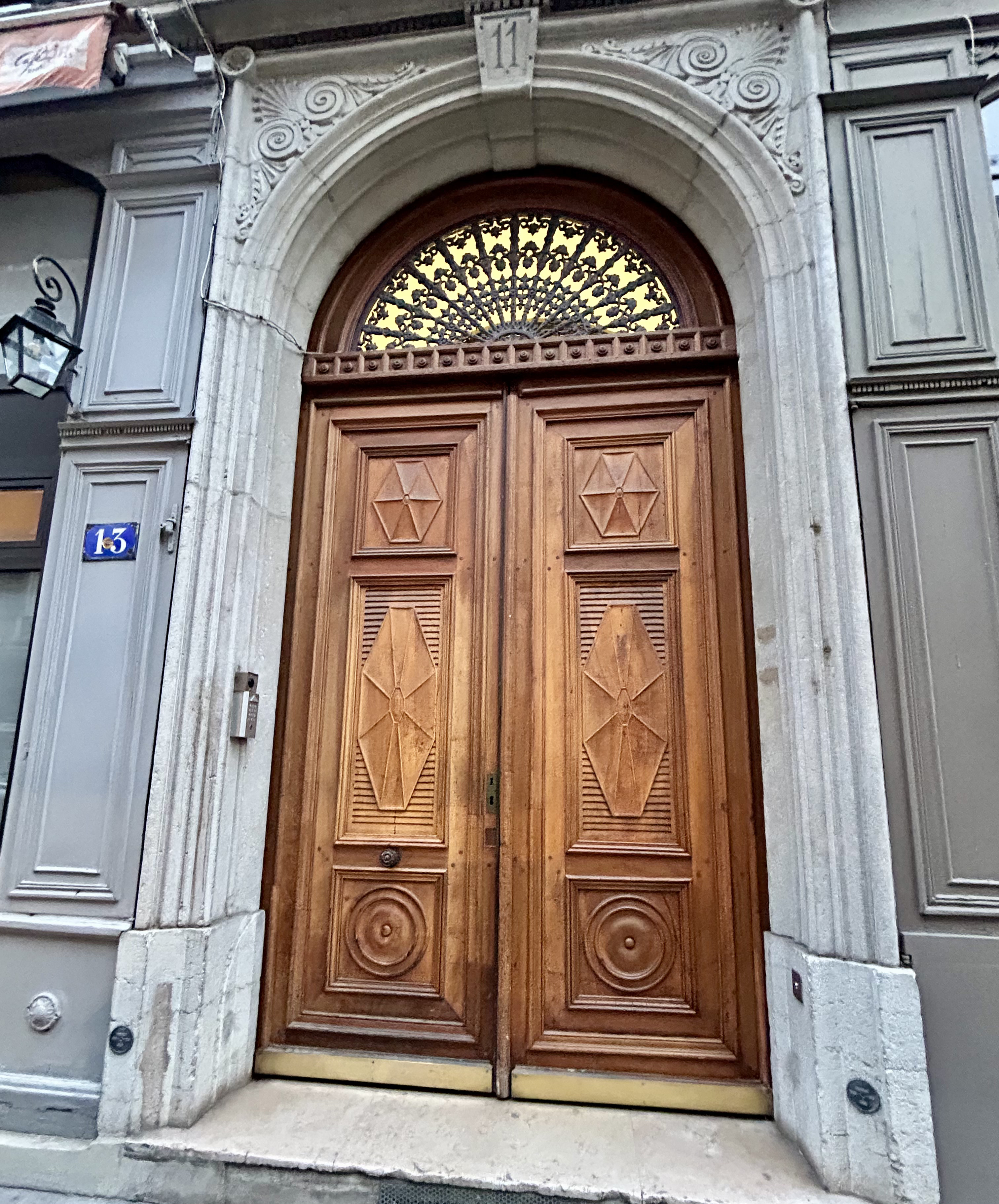
oak
The wood is almost always French oak, cut from slow-grown forests that no longer exist. Much of this timber likely came from managed royal and state forests such as Tronçais, Bercé, or the oak regions of Burgundy and the Massif Central. Trees grew slowly, rings tight, grain dense, built for ship frames, beams, and doors meant to outlive their makers. Oak is still common in France today, but modern trees grow faster, are harvested younger, and rarely produce the same weight and density.
The material survives, but the conditions that formed it have changed.
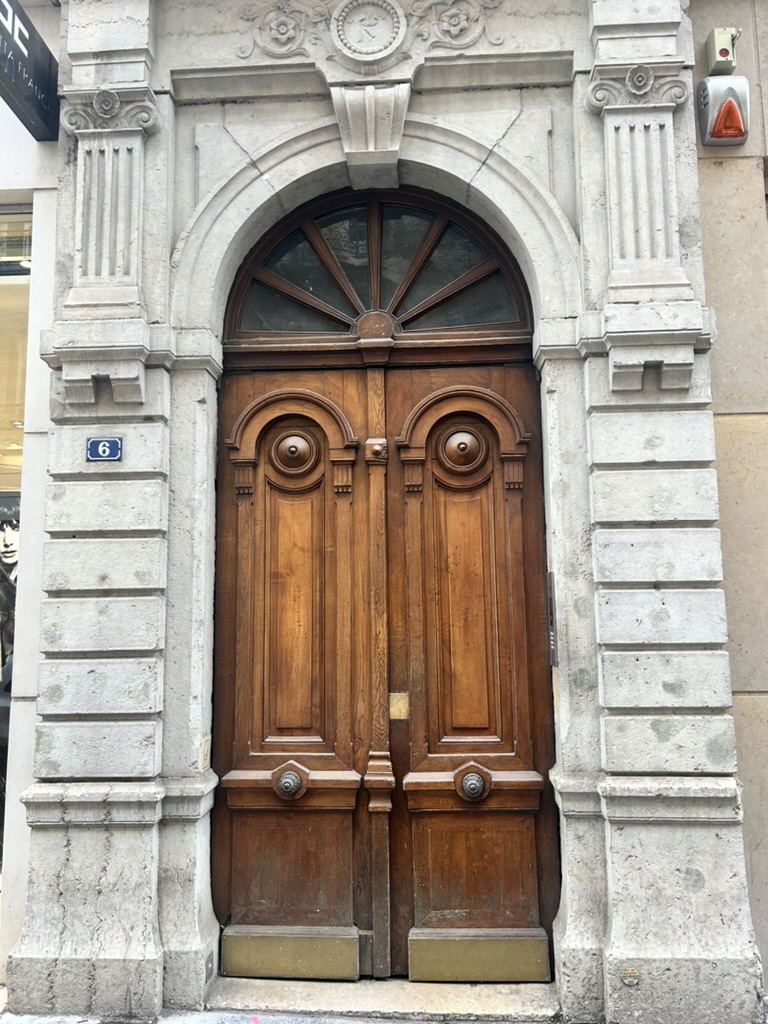
These were expensive. In the late 19th century, a large custom oak carriage door could cost half a year’s wages for a skilled woodworker. Carved stone added more cost, clearly.
They signaled ownership, stability, and of course, wealth.
Doors Between Wars
In 1895, across town, Auguste and Louis Lumière projected one of the first public films in history. & yes — Lumière (“light”) was their real name; their father had been an early photographer. For a moment, Lyon was the birthplace of cinema.
Most of these doors were built between about 1850 and 1910, when Lyon was an industrial working city. Silk still mattered, but factories, banking, and chemicals were rising. Gaslight lit the streets in the 1860s; electricity followed in the 1880s and 1890s. Horses and carts passed through these entrances, and by the early 1900s the first automobiles appeared.
It was not a calm period in France. In 1870, the Second Empire collapsed after the Franco-Prussian War. The new Third Republic struggled. Workers organized as industrialization accelerated and inequality sharpened. The memory of the Paris Commune lingered.
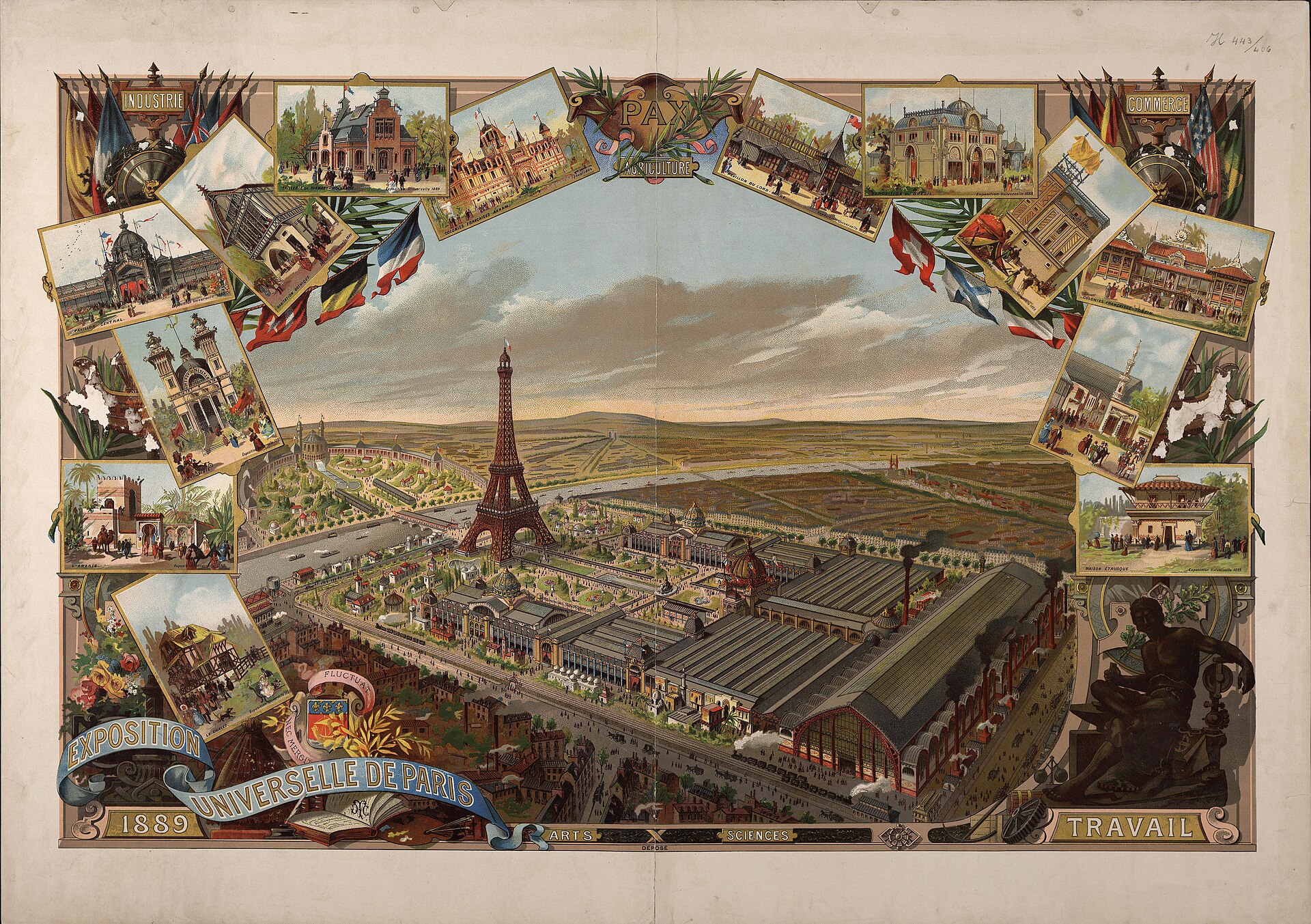
In 1889, as the Eiffel Tower rose over the Exposition Universelle, France presented itself as modern and confident. But tension persisted. In 1894, President Sadi Carnot was assassinated in Lyon, stabbed in public by an anarchist. During the early 1890s, anarchists carried out bombings in Paris, targeting judges, government chambers, and public spaces. The Dreyfus Affair was beginning to divide the country.
Political violence was not abstract. It was immediate & close.
The pattern wasn’t unique to France. Across Europe and the US, industrialization and fragile political systems produced a lot of unrest. This as the Gilded Age…
As institutions matured and political participation widened, violence eventually gave way to organized labor unions and political wrangling.
These doors were built in that atmosphere. Solid oak. Meant to signal stability in a city that was unsettled. Built to endure uncertainty.
Support by sharing!
If you read this far, you already know these pieces are built and researched carefully. If you want more of them, subscribe. If someone else would enjoy it, share it. That’s how this kind of work keeps going.
history
Some opened into traboules, the hidden passageways threading through the city. Goods moved through them first. Later, during the war, resistance fighters did too.
The doors remain. Repaired, repainted, maintained.
What lasts in a city isn’t an accident. Preservation is a choice, repeated across generations. Materials are replaced, paint renewed, hinges reset, etc. People decide, repeatedly, that something is worth keeping.
Musical doorway
Les Portes du Pénitencier — Johnny Hallyday (1964)
Les Portes du Pénitencier is an adaptation of The Animals’ version of The House of the Rising Sun, an older Anglo-American folk song with roots in England very long before its American life. The French version changes the story. The brothel becomes a prison. The “rising sun” becomes the prison gates, some regret, fate, etc. Hallyday likely absorbed some influence from Johnny Cash, whose prison songs had already made the themes of confinement, guilt, and inevitability pretty popular.
Extra bit
Silk Workshops (Canuts)
The silk industry defined 19th-century Lyon and still shapes its image. Thousands of looms once filled Croix-Rousse apartments, where ceilings rose four meters to fit Jacquard silk looms nearly as tall.
A Jaquard loom is pretty incredible — & they were loud.
A really cool piece of technology — their invention was essential to the expansion of the industry. Like most things, the technology comes before considering its impact on people and how they live.
Also, a very cool video about how these looms then led to computer tech:
Those workshops are gone. The apartments remain, but the looms — and the labor world behind them —vanished by the early 20th century as silk declined and production moved abroad.
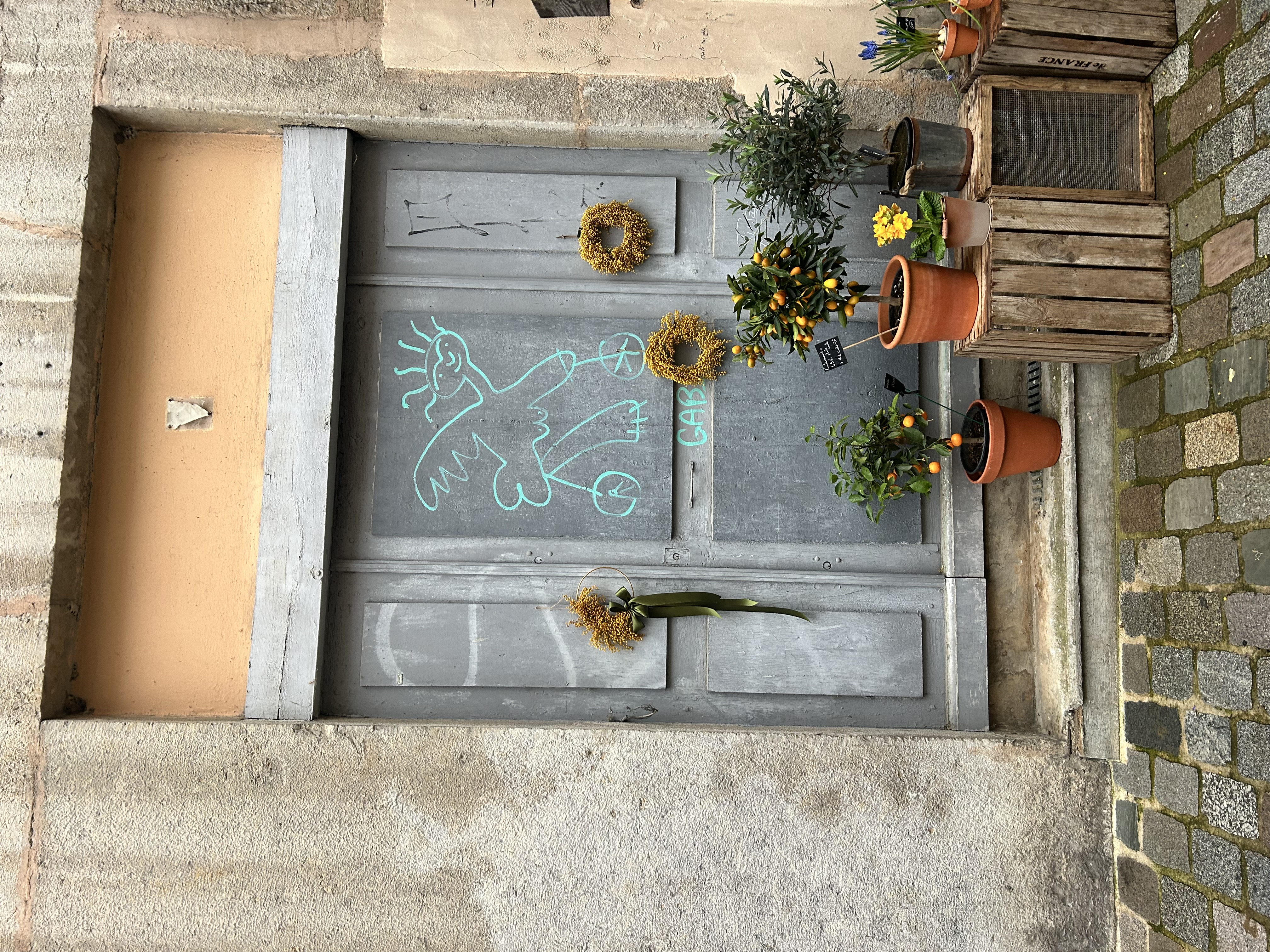
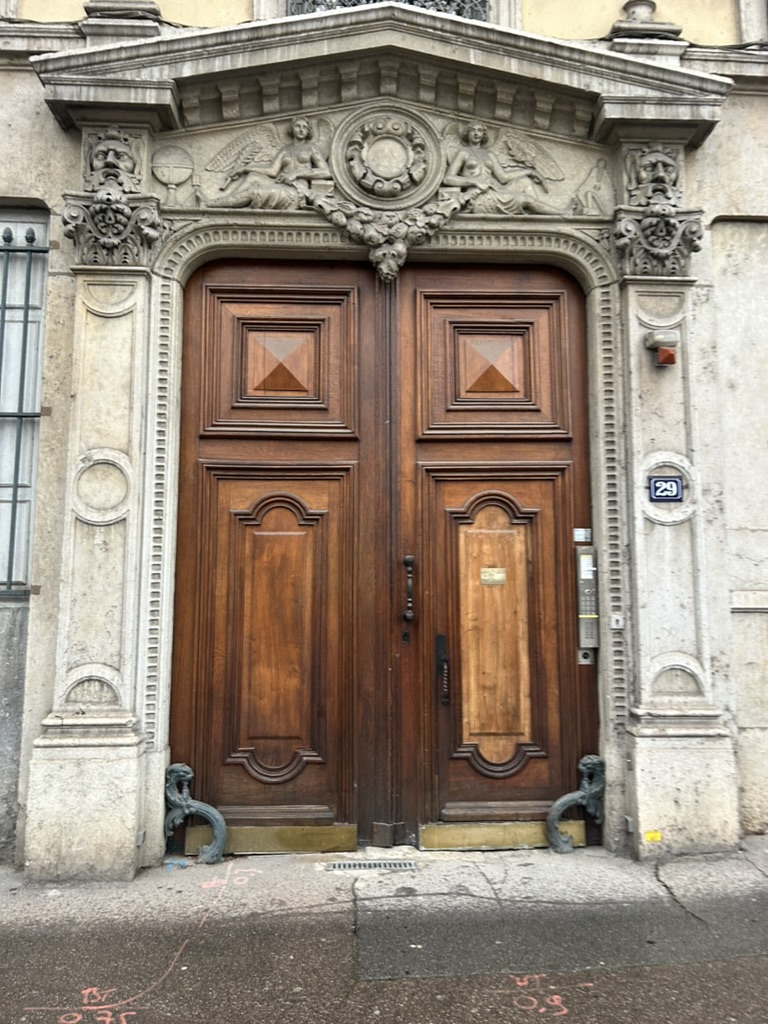
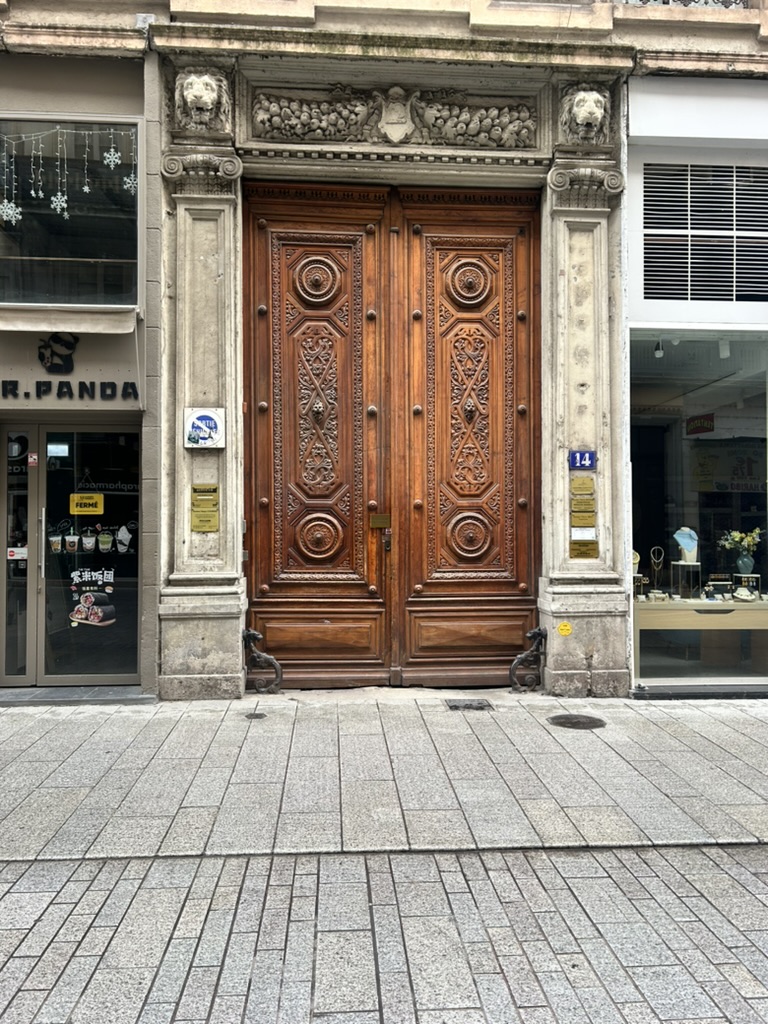
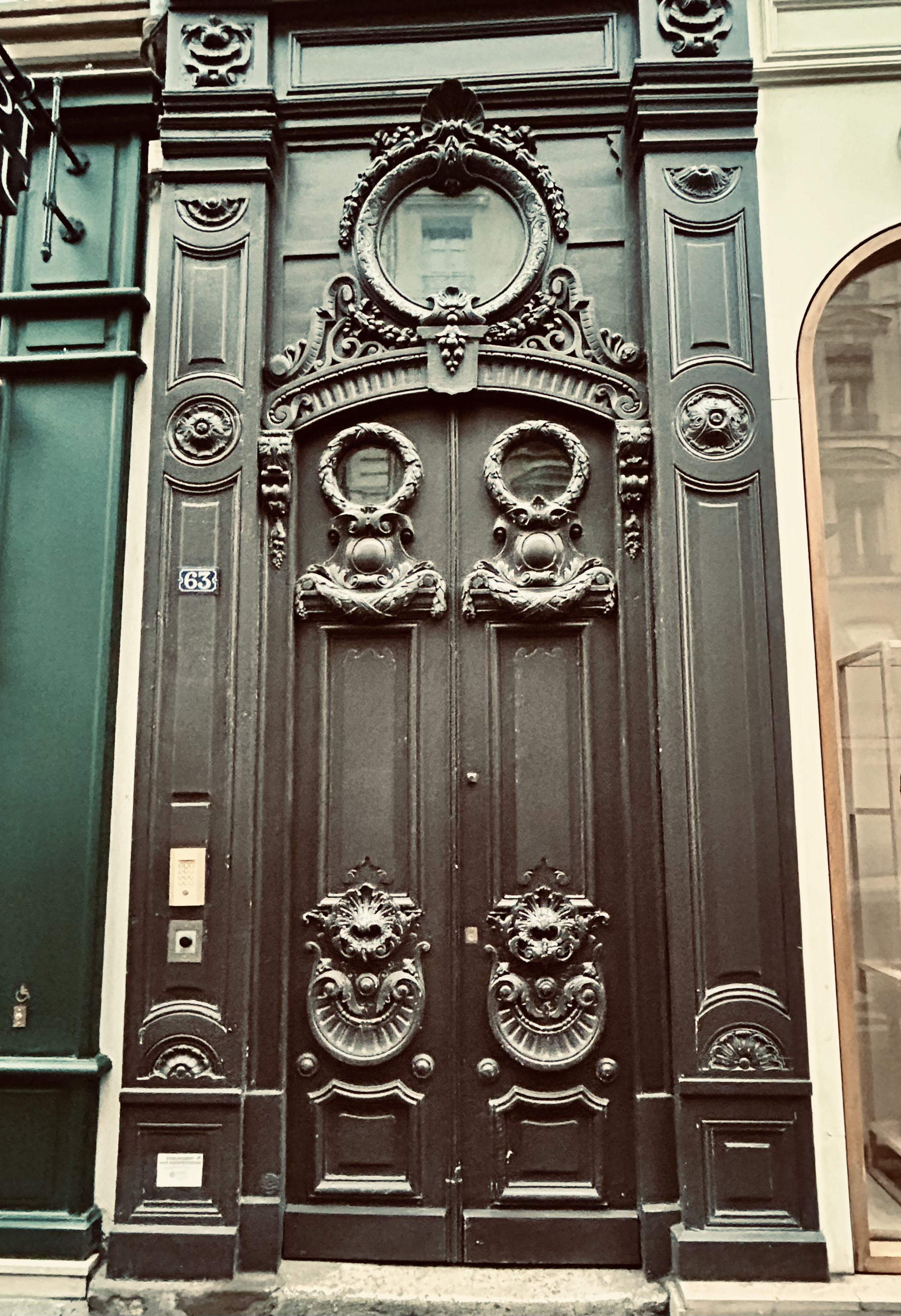
Now just a bunch of doors I thought were really pretty, all of the same era.