You Can’t Just Walk In
French hospitality, missed signals, and what a reservation really means. RSVP, SVP
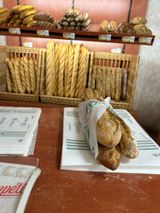
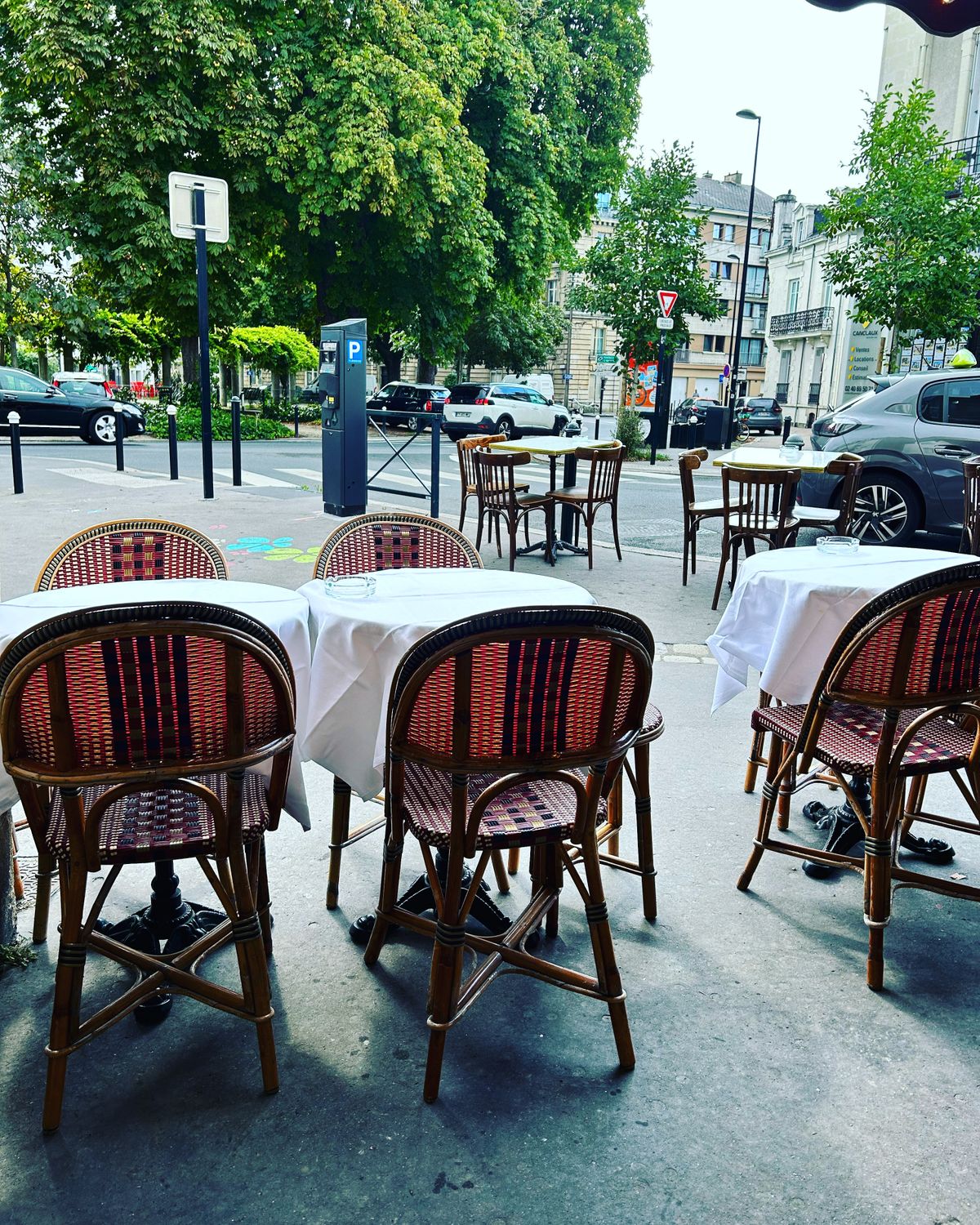
We were regulars. But even then, showing up without a reservation got us the same sideways look — a mix of concern, disbelief, and very Gallic disappointment.
The Rendezvous in France
In France, you’re supposed to make an appointment—for almost everything. Doctors, obviously. Haircuts, sure. But also banking. Pharmacies. Casual restaurants. Even your neighborhood bistro, where they’ve seen you three times this week, will still look vaguely offended if you show up unannounced.
They’ll seat you, usually. But not without reminding you—politely, pointedly—that a quick phone call would’ve made everyone’s life easier.
Sometimes they look at us like, you were here yesterday… didn’t you know you’d be hungry again today?
We all have our reservations
People seem to visibly relax when you say you have an appointment.
In the U.S., reservations are mostly for hotspots or special occasions. At a casual place, they’ll make you wait, but they’ll squeeze you in.
Not here. Most restaurants do one seating for lunch and one for dinner. No rush, no turning tables. Once you sit, the space is yours. But that also means they need to know you’re coming.
Hours are unpredictable—our favorite neighborhood bistros aren’t even open on weekends. And everyone reminds me: it wasn’t always like this. Covid rewired the whole system. Timetables shifted. Menus changed. Some places never came back.
The reservation became survival..
Illusion of Online Certainty
France isn’t fully synced up with the internet, in my experience. I’ve had map apps send me through cow pastures, walking paths, and full-on dead ends more times than I can count.
Listings are often wrong—hours from another season, locations slightly off, sometimes restaurants that no longer exist. Plenty of dead websites. Restaurants may not adjust their times when everyone knows they’ll be on vacation anyway.
Plenty of places barely have a web presence at all.
Two spots we like don’t show up on Google Maps, period. And if a restaurant does have an online reservation system, it can feel like one of those crosswalk buttons in New York—there, but not connected to anything.
We once made a lunch reservation at a place in a village outside the city, only to arrive and find it closed. So we walked to another nearby restaurant that looked open. No reservation, of course.
We didn’t book ahead
The owner looked surprised, then concerned.
Then he launched into a rolling, theatrical monologue about the importance of booking ahead. He paced between the kitchen, the bar, the dining room—lecturing the air more than us—about margins, market trips, reliable clients, and why his restaurant runs on predictability.
Plenty of “ooh-la-la’s” were involved. Also a few “Mais enfin, comment vous voulez que j’fasse, moi, hein ? C’est pas possible, ça…” — which roughly translates to “How exactly am I supposed to manage this, huh? It’s just not possible,” but with the added tone of a man who’s already told this story four times today and plans to tell it again.
It felt like a performance, but not just for us. He was letting the room know this wasn’t okay—not just today, not for anyone. Still, after several minutes, he sat us at a table.
No appetizers, he said.
We nodded. Then we ordered drinks, and the mood shifted. He smiled. The waiter appeared. The usual warmth returned.
But yeah—lesson learned. No reservation means you’ve already knocked the whole experience slightly off balance.
But of course, it does keep happening.
Hospitality, Interrupted
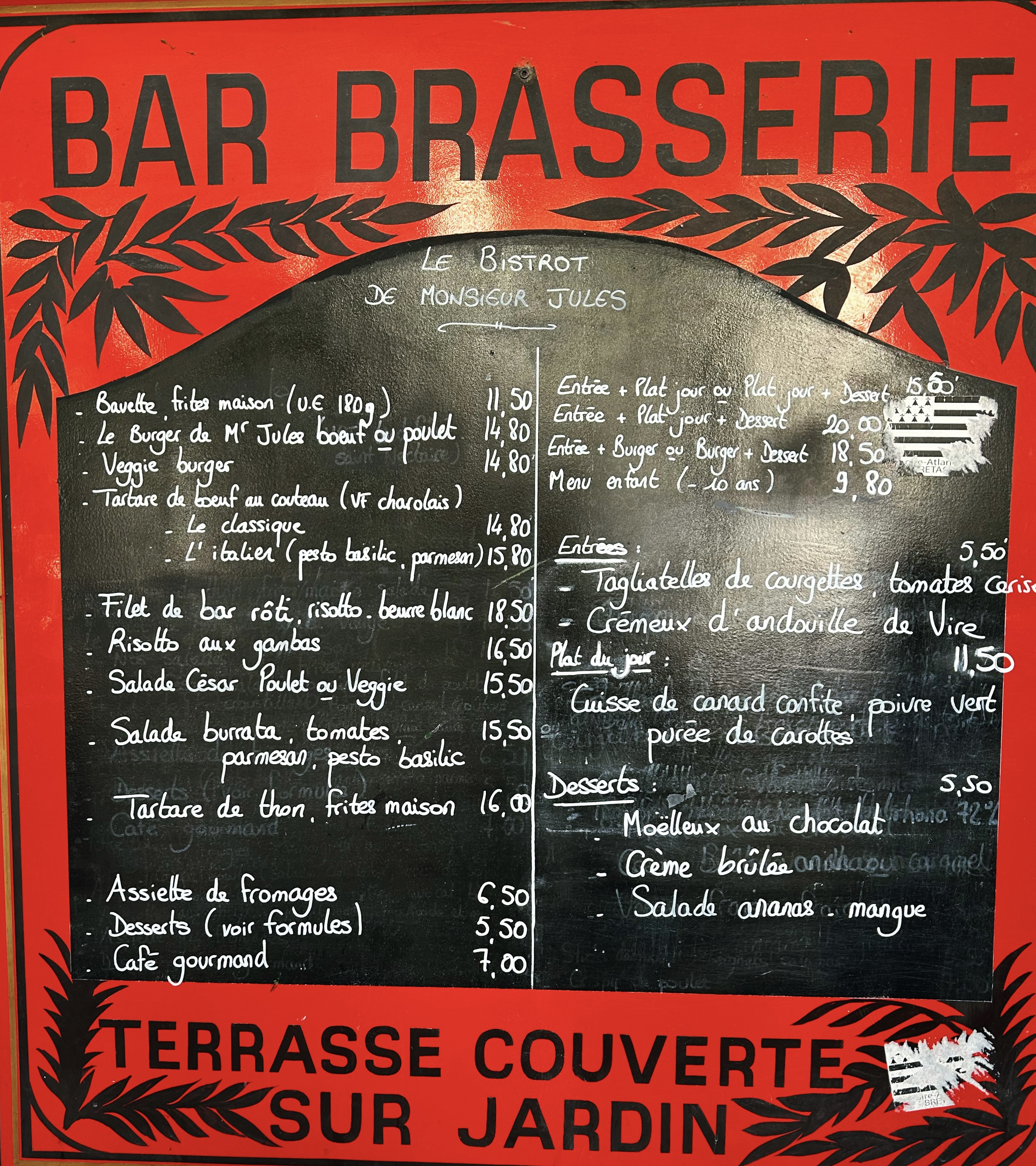
Not having a reservation seems to throw off the whole rhythm of French hospitality.
Knowing you’re coming means they can plan—food, staffing, space, mood. They can prepare to give you the experience they want to give you.
By the time we were leaving—after dessert, coffee, and a few apologies—the owner was all smiles. Chatty, even. He told us how much he liked having guests from out of town. Mentioned that he and his wife once visited New York. Told us about the pizza he had there, which he liked, sort of. It took us another ten minutes just to pay the bill.
The Economics of Lunch
A few bistro owners have explained it to me directly: the math is tight. Smaller places make their money by balancing how much food they buy with how many people show up. Servers don’t make tips like in the States, but they earn livable wages, get health coverage, paid time off. There’s dignity in the job, but it’s a lot of overhead.
Storage space is minimal. Two places near us have fridges the same size as the one in our apartment.
Most of the food for lunch? Bought that morning, at least according to those owners. If they don’t know you’re coming, they can’t plan. If they can’t plan, it all wobbles.
The Oyster Code
I’ve shown up without a reservation more times than I’d like to admit. Sometimes I get the full theatrical lecture. Sometimes, it’s more subtle.
Once, we were at Sunday brunch. Big buffet. Plenty of options. Quiet restaurant. Still, the owner came to take our order and apologized immediately.
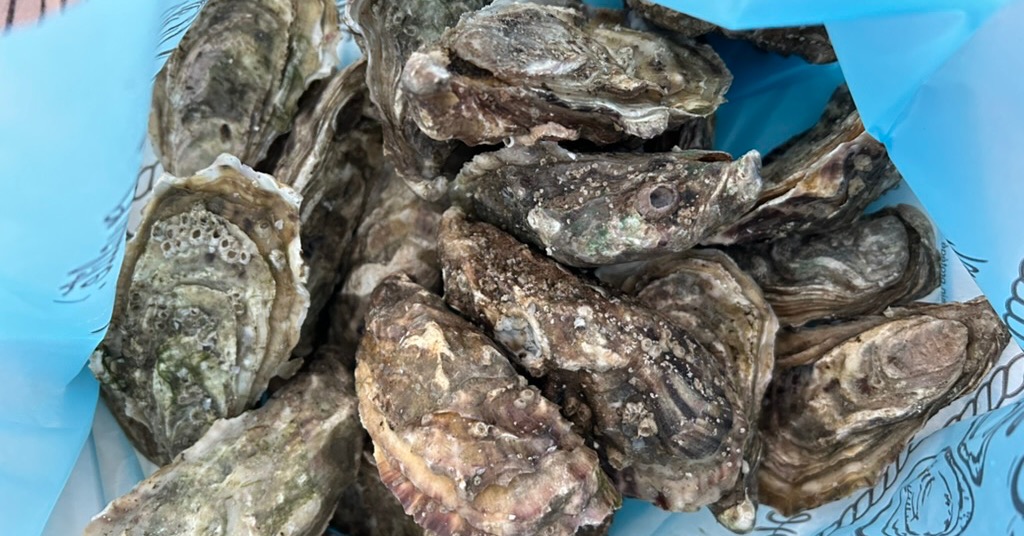
“I’m sorry, but there are no oysters. If you had a reservation, I would have had oysters here for you.”
We told him it wasn’t a problem. It wasn’t. And besides, there are oysters absolutely everywhere in this part of France—by the kilo, near churches, supermarkets, town squares, all over.
He hadn’t even taken our order yet but repeated himself. “Yes, yes, I always get oysters. But if I don’t know who’s coming, I can’t just buy them and have them go to waste.”
Right. Of course. Makes sense.
He came back to take our drink order. Then, while we were choosing food, he mentioned the oysters again. Twice. Maybe three times. That’s when I finally realized: he wasn’t talking about oysters.
He was saying: you should have made a reservation.
We apologized. Told him we’d absolutely call next time.
He smiled, nodded, and took our order like we’d finally cracked the code.
“Alors, vous avez choisi ?”
(So, have you chosen?)
Bien sûr.
What about you—have you ever misread the rules of eating out abroad? Or gotten the quiet version of a French scolding? I’d love to hear your stories.
Musical Accompaniment
Fais-moi une place - Julien Clerc (1989)
Another 80s video where the hair does half the work. Julien Clerc, a lovesick prince exiled from a L’Oréal commercial, wanders a gothic fairytale: wolves, an icy forest, a woman who might be an evil stepmother. Hair blow-dried in a small craft advisory and lacquered with Elnett. It’s part Bergman film, part shampoo ad, full pop melodrama. The song hit #7 in France in 1990 and stuck—later covered by Françoise Hardy. It nails that French sweet spot: romantic desperation, theatrical restraint, barely.
Further reading
 Keith Christiansen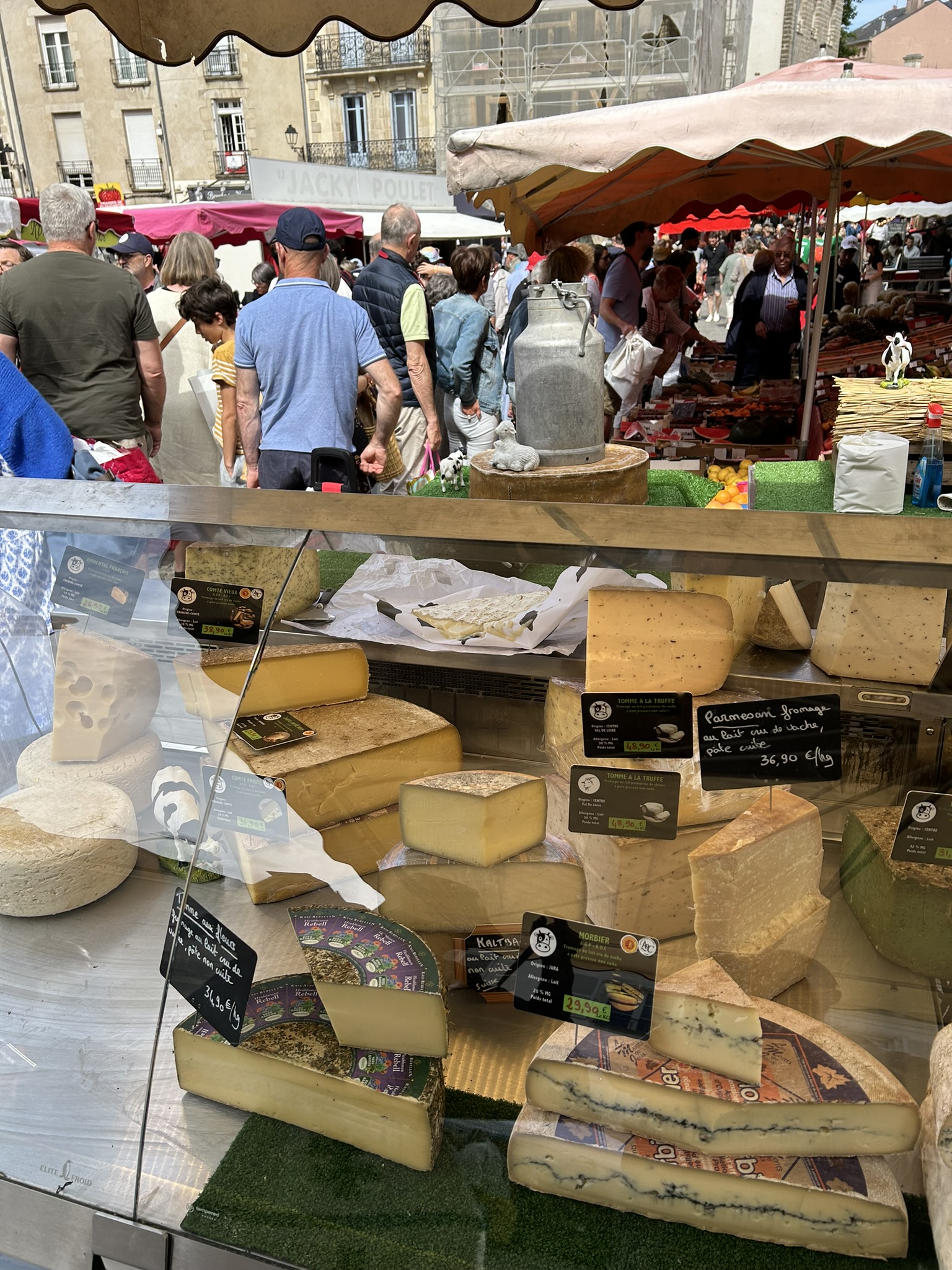
 Keith Christiansen
 Keith Christiansen