The One Ingredient That Feeds (Western) France Every Fall
Seven recipes, one ingredient, and more comfort per euro than anything else you’ll cook this fall.
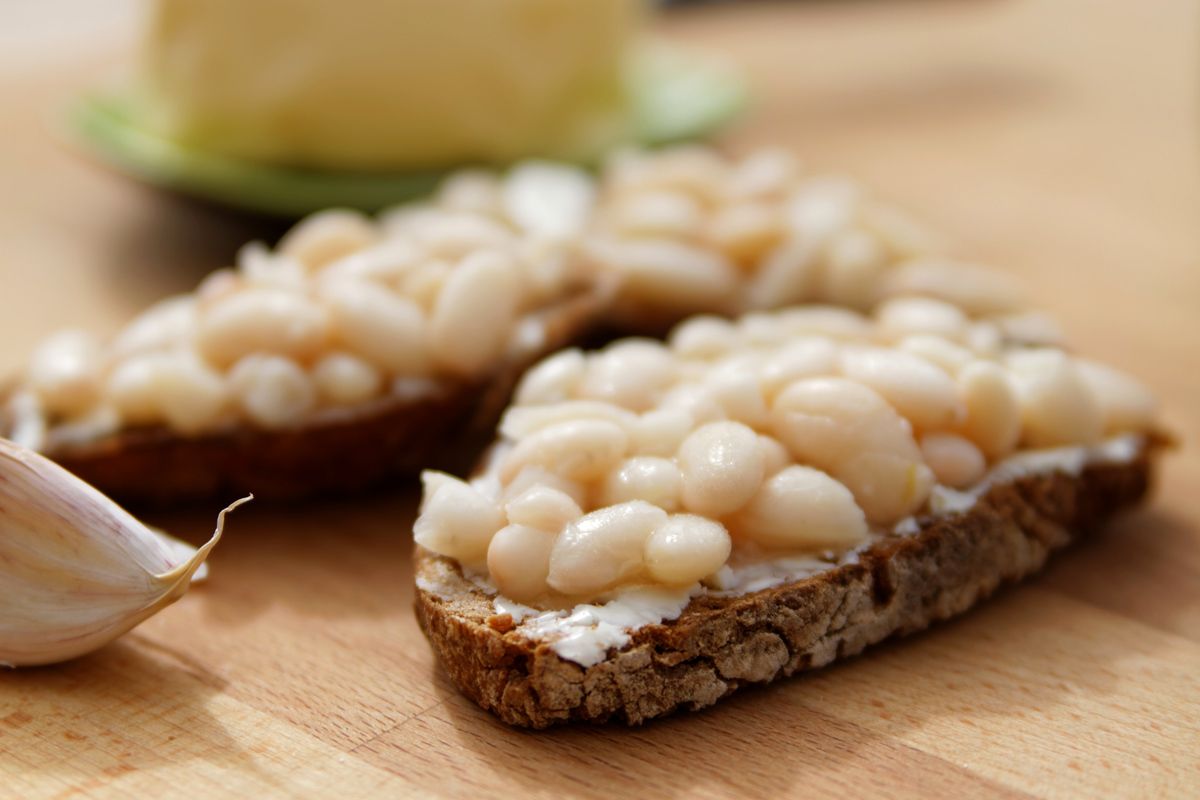
When the markets turn from tomatoes to pumpkins, France quietly shifts gears. But the real star of the season isn’t truffle, foie gras, or even pumpkin—it’s the bean.
We almost always have a pot of them going. Winter or summer doesn’t matter. Beans in broth, chickpeas for salads, lentils with whatever’s left in the fridge—they’re a constant in our kitchen. Yes, we like steaks and other animals, but we simply don’t eat them all the time.
Right now, French markets are starting to feature haricots blancs, flageolets, lentilles du Puy, and mogettes de Vendée—the quiet backbone foods of the country. Humble, cheap, and endlessly flexible. A €3 bag will feed us for days, and leftovers taste better.
This week’s recipes—seven of them—go from a basic cassoulet to a warm bean-and-squash salad, a forest-style bean and mushroom soup, and a few market meals that cost less than a beer: thrifty, slow, and delicious.
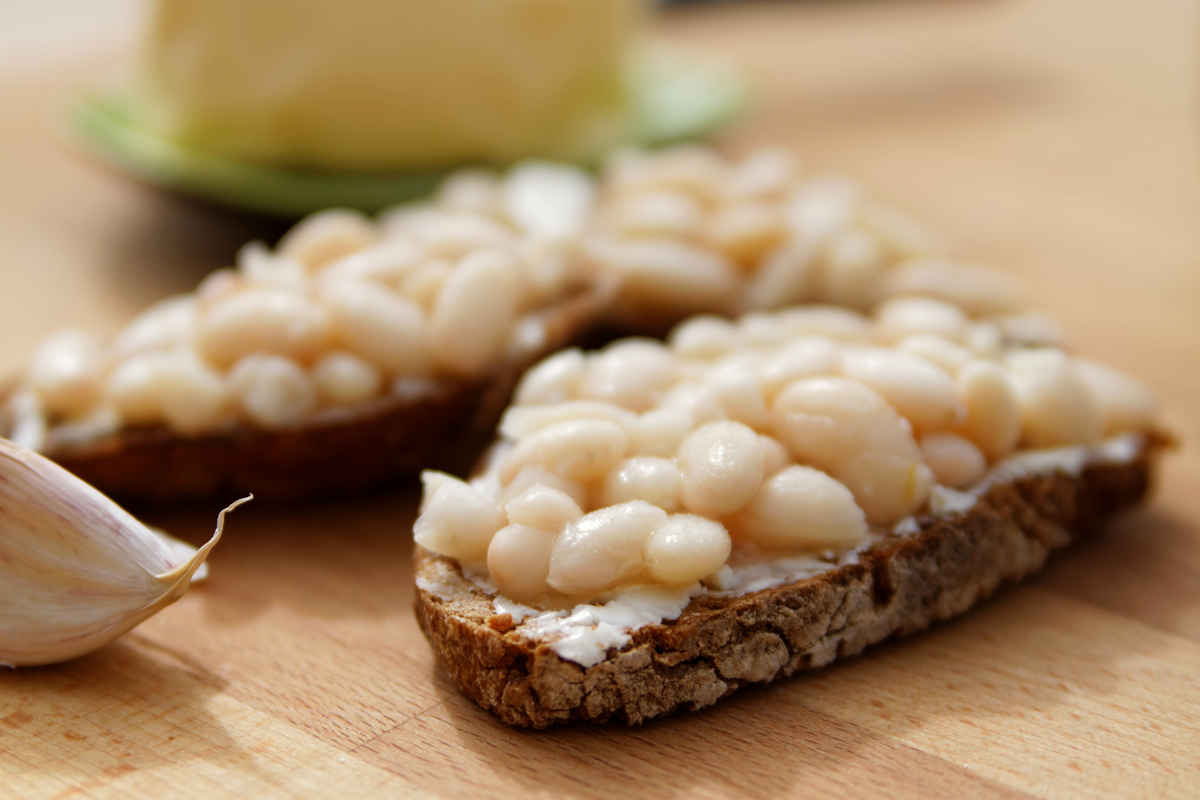
cucina povera
In many countries, beans have long been “poor people food” — what you ate when you couldn’t afford meat. But they’re also loved. From Latin America’s frijoles & feijoada to Italy’s pasta e fagioli to Boston baked beans and chilis in the U.S., beans have fed nations.
Beans are great. Read on.
Reading about beans is good for your heart!
I didn’t grow up eating beans.
My parents, children of the Depression, probably carried their own stigmas about them — beans were what you ate when there was nothing else.
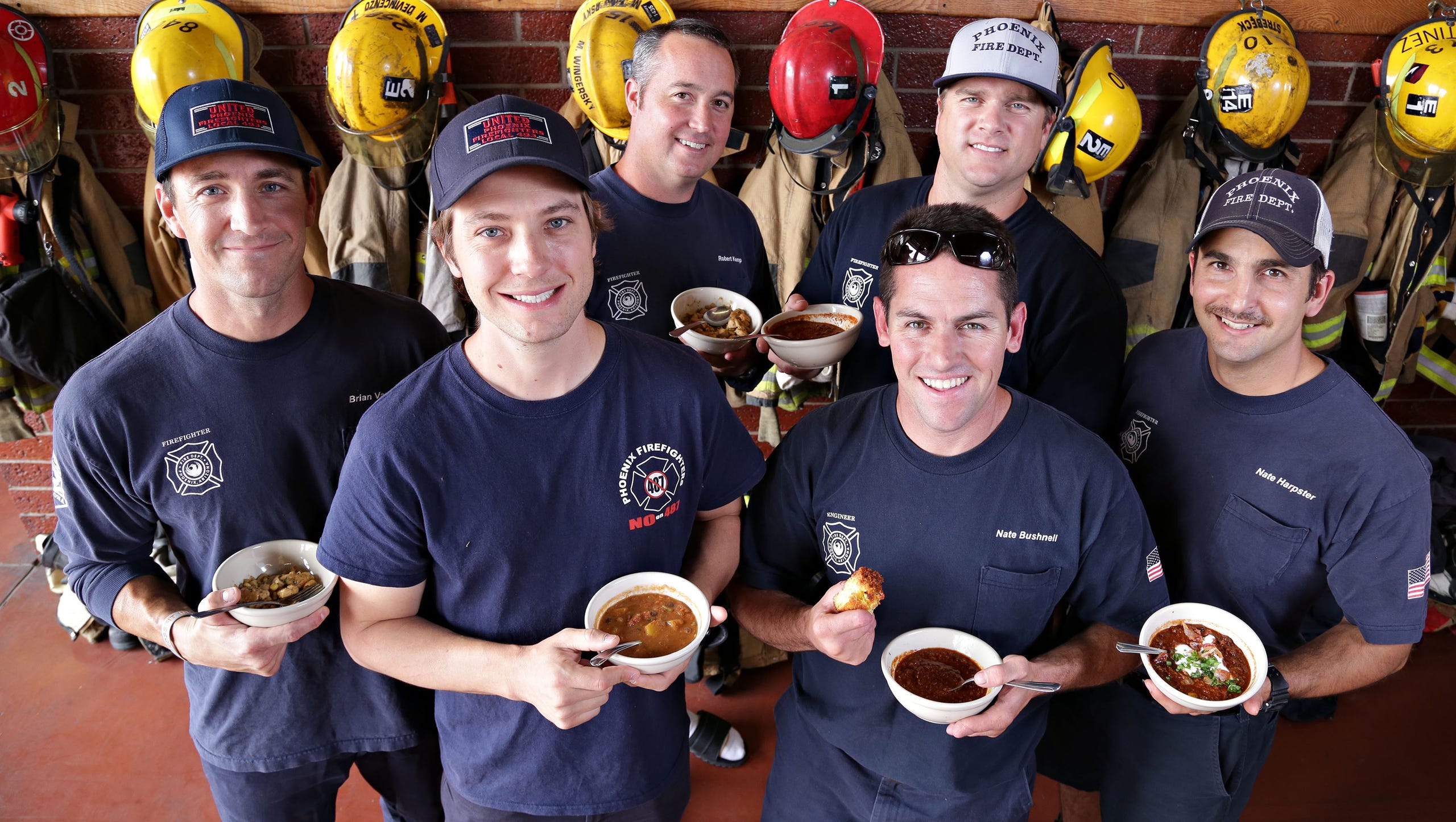
In our house, beans showed up in cans, used for one meal: chili, the one exceptional bean meal, maybe because it came wrapped in spice, heat, and a full-blown 80s chili-making fad that remains popular with firemen.
cuisine paysanne
France is different.
Here, beans have been reclaimed through patience and place, big celebratory dishes cassoulet or lentil salad might be humble, but it’s tied to terroir and to regions that treat their thrift dishes with pride. It’s not about hiding the bean; it’s about honoring it.
French firemen seem to stick to cassoulet.
Same idea, different seasoning.
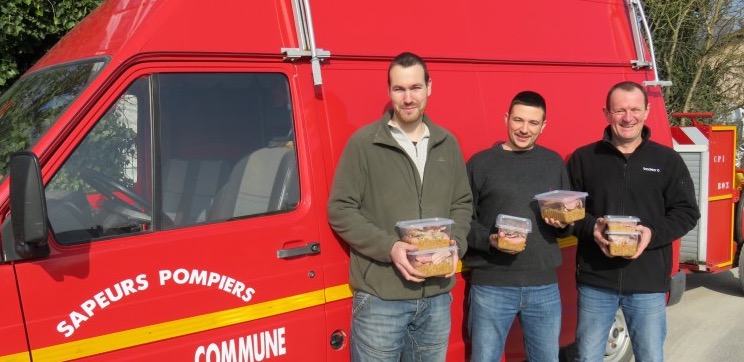
They’re cheap, tasty, and apparently a favorite among firemen — who, it seems, have plenty of time to cook when nothing’s on fire.
The Italian firemen make pasta e fagioli, it seems. And there are cassoulet cooks-offs, competitions, and festivals.
field to fête
I brought a simple chickpea and onion salad to a party last week. Yes, I am that guys that brings salads to barbeques, tossed with za’atar and foraged dandelion greens from a nearby field. Chop your onions & soak in ice water for ten minutes (a little kitchen chemistry that crisps and sweetens the onions). Here’s a good version if you need a recipe.
beans, beans, good for your heart
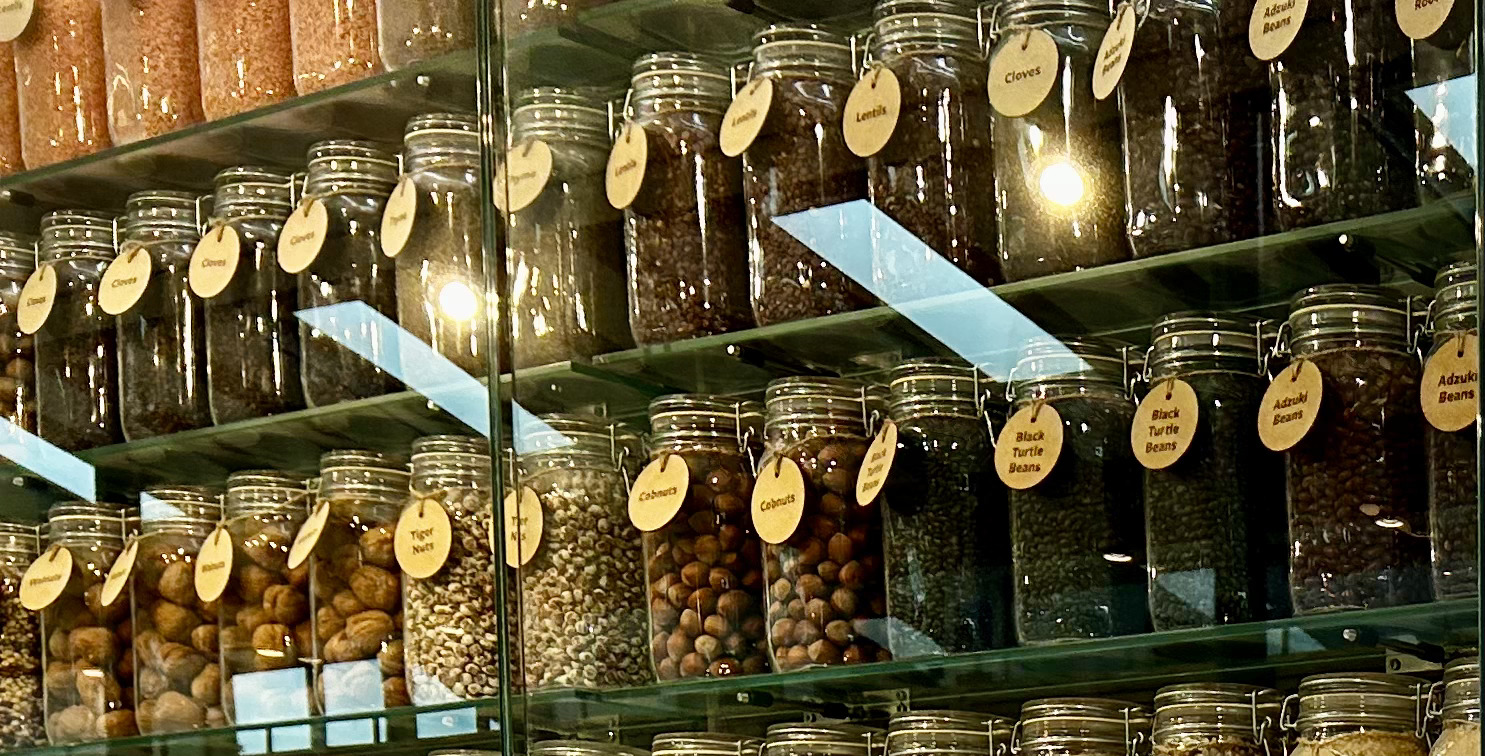
The French word légumineuses covers beans, lentils, chickpeas, peas. But when fall comes, it’s really about haricots secs (dried beans).
Nutritionally, they’re small but mighty — slow-release carbs, fiber, iron, magnesium. Stuff you need. Paired with grains like rice, barley, or bread, they make a complete protein and, keep half the vegans on earth alive.
A kilo of beans costs less than a beer, even if you get fancy ones. A €3 bag can stretch into three meals for four people.
Techniques That Count
Trempage (soaking) is essential. Overnight if you can, but even a few hours helps with cooking time and digestibility.
And yes—soaking helps with that issue too. Beans make you fart. There’s no getting around it. (Blame the oligosaccharides; Cleveland Clinic broke wind it down.) A long soak and slow simmer go a long way toward limiting that.
I’m a fan of the slow cooker: set it and forget it for 5–6 hours on low. Start with cold water, toss in a bouquet garni or herbes de Provence, plus a pinch of hot pepper for flavor (and to use less salt). Add any salt only toward the end so the skins don’t toughen.
Build flavor in layers: onion, garlic, carrot, celery if you like—maybe some lardons—and finish with a splash of huile de noix (walnut oil) or olive oil.
Butter is always an option, and each finish, arguably, lands you in a different region of France.
In France, a dish is defined less by technique than by origin. Cassoulet from Castelnaudary isn’t just beans and meat—it’s Tarbais beans, Toulouse sausage, and duck confit from the southwest. Provenance is everything.
France didn’t invent beans—it adopted them. Brought from the Americas, they became French through terroir, technique, and time.
Recipes, Classic & Modern:
Cassoulet
The famous French bean dish. Haricots blancs (white beans, cooked) slowly baked with confit de canard (duck confit), pork, and saucisses de Toulouse (Toulouse sausages). It’s delicious, but potentially a multi-day project.
Cheapie gourmet tip: Scale it back. Use chicken thighs instead of duck, smoked sausage instead of confit—or go semi-vegetarian with beans, pumpkin, garlic, and herbs.
In France, cassoulet stays cheap because its “luxuries” are everyday staples: €6 confit legs, local sausage by the kilo, dried beans for a few euros a bag. A pot feeds six for under €40.
In New York, the same ingredients are imports—$30 duck, $15 sausage, beans at the same price, but per pound. Swap in chicken thighs, smoked kielbasa, and Great Northern beans.
More recipes below.
Cabillaud aux haricots blancs
Jesse Jenkins posted a cod with white beans and caviar de tomates (slow-cooked tomato purée with shallots and capers) on Instagram recently.
It’s fancy, but easy to scale down. Substitute haddock, pollock, or even frozen white fish. Beans are still the base & tomato caviar gives depth. He’s also using a parmesan crust in the recipe, one of my favorites. Worth scrolling his whole feed.
Haricots verts du Bristol
At Le Bristol, Chef Arnaud Faye made a vegan option for green beans and artichokes — light, delicate, & very pretty. Recipe here.
For home: blanch green beans until just tender, toss with roasted beets, walnuts, and a mustard vinaigrette. Still chic, still cheap.
Soupe de haricots et champignons d’automne
A bean and mushroom soup. Use haricots blancs and cèpes (porcini) if you’re lucky enough to find them. Otherwise:
- cremini, chestnut mushrooms, shiitake, or dried porcini powder.
- Add thyme, garlic, and a splash of cream toward the finish. Butter remains an option.
Serve with crusty pain de campagne (country bread).
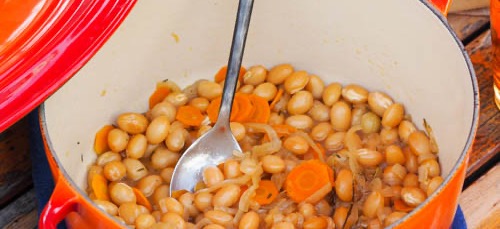
Salade tiède de haricots et courge
Simple, cheap, and autumn-perfect. Roast cubes of courge musquée (butternut squash) until caramelized.
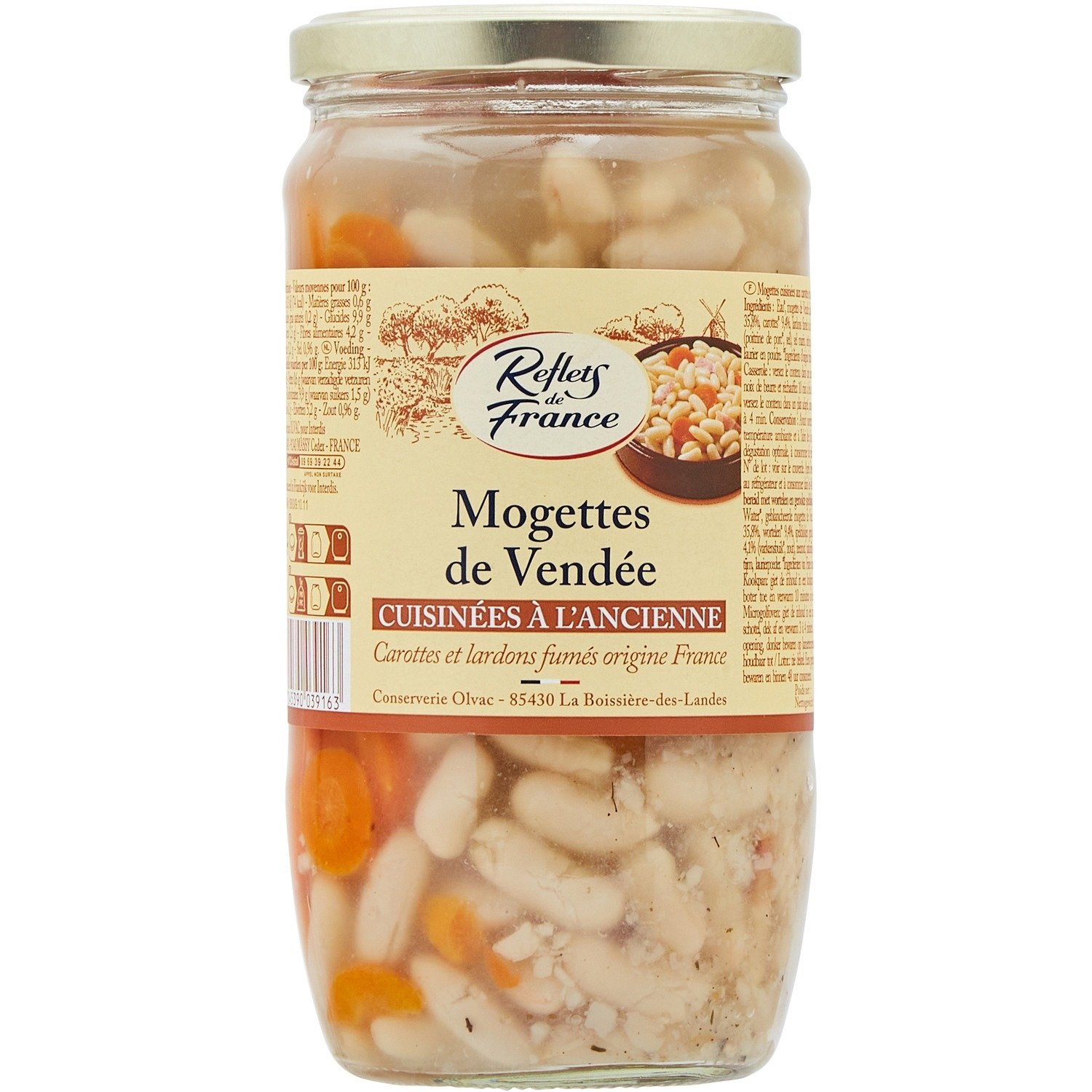
Warm cooked white beans (haricots blancs or mogettes de Vendée) and toss with the squash, a drizzle of huile de noix (walnut oil), chopped parsley, and crumbled goat cheese.
Add a touch of acid — 1–2 tsp sherry or cider vinegar for depth, or a squeeze of lemon for freshness. Season, toss gently, and serve warm so cheese softens but doesn’t melt.
Beans as Luxury
Beans don’t need disguising. In France, they’re treated with respect — a dish can be à base de haricots without apology.
And they fit the season, slow cooking, and the quiet luxury of something simmering while it gets cooler outside. Soak your beans, simmer them gently, finish with good oil and fresh herbs. That’s it..
Soupe de haricots et champignons (bean + mushroom soup)
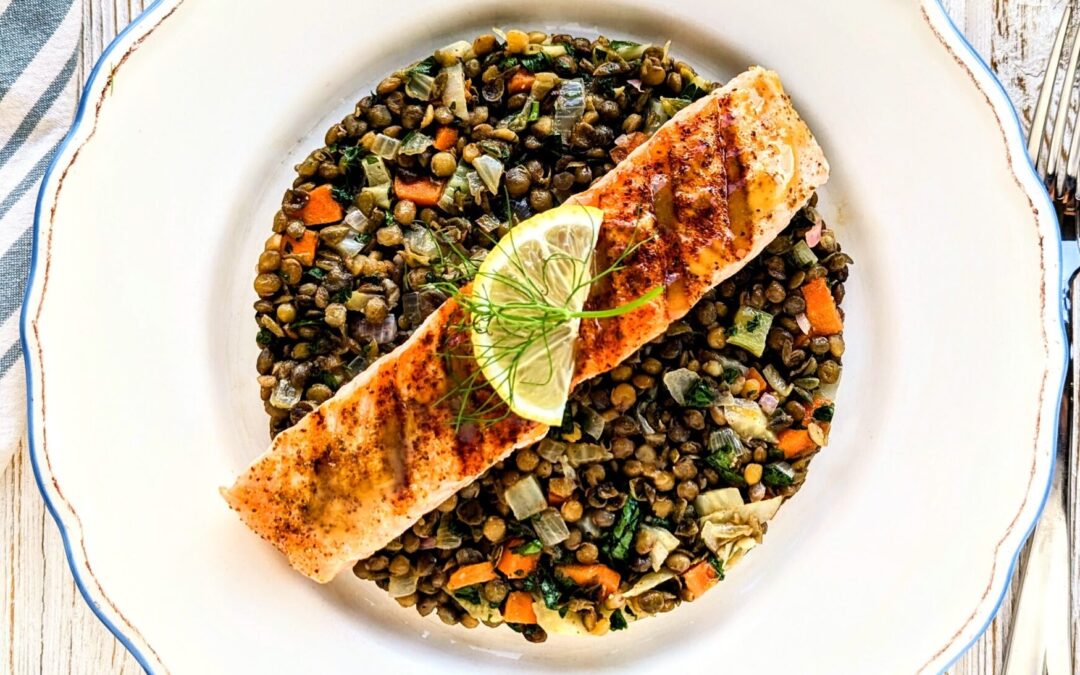
Haricots blancs — Cocos de Paimpol from Brittany if you can find them, or Lingots du Lauragais from Languedoc. This soup feels like the southwest and central parts of France — wet leaves and woodsmoke, mushrooms showing up in baskets by the roadside. It’s the kind of rustic, forest-season cooking you’d find in Gascony or Auvergne: beans from the fields, mushrooms from the woods. If you want to switch it up, try flageolets for a paler color or lentilles vertes du Puy for something darker and more mineral-ly.
Salade tiède de haricots et courge (warm bean + squash salad)
I’m making this one this week. Haricots rouges or haricots blancs (Mogettes de Vendée or Cocos de Paimpol) work really well. Western France in spirit — Vendée, Brittany — where white beans and squash pile up in early autumn. Adding walnut oil gives it a little Auvergne or Limousin feel.
Cannellini work perfectly along with roasted squash, herbs, and a sharp vinaigrette.
Musical Accompaniment
Beans and Cornbread - Louis Jordan & The Tympany Five (1949)
Beans and Cornbread is a jump-blues classic — a song about two soul-food staples that fight, make up, and end up back together on the plate. With The Tympany Five, Jordan was arguably one of the most influential artists of the 20th century - and he did sing about food a lot: ”Saturday Night Fish Fry,” “Ain’t Nobody Here but Us Chickens,” “Cole Slaw,” “Boogie Woogie Blue Plate” — Food was a kind of shorthand to talk about class, community, and joy. His mix of humor and groove shaped the early sound of rock and R&B, influencing artists like Ray Charles, Chuck Berry, James Brown, and Little Richard. If you listen for it, you’ll hear him, especially in their early work.
Further reading
 Keith Christiansen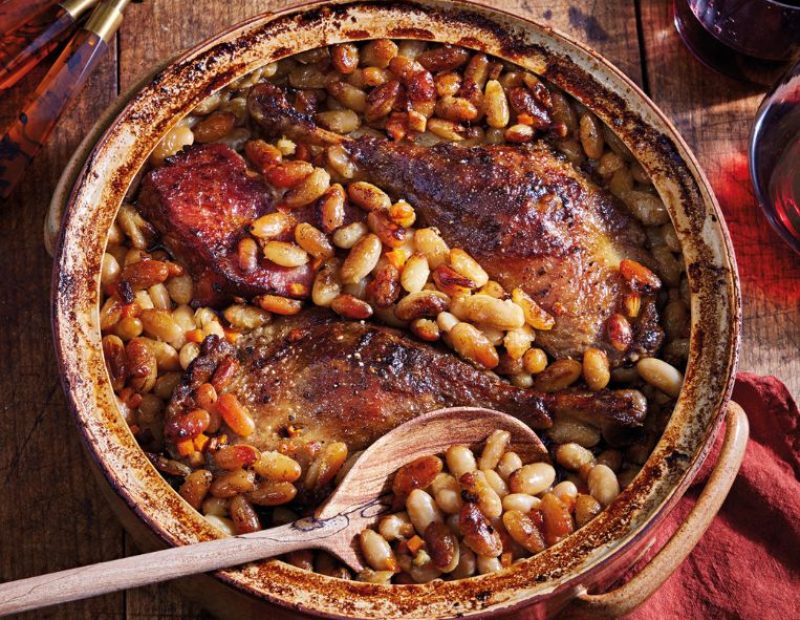
 Keith Christiansen