Somewhere Between Arrival and Belonging
Two years in, we’re still adjusting to the rhythm, the silence, and the unexpected grace of life in France.
We moved to France like people who’d done their homework. Visas sorted, consulate friendly, bags rolled out of the Nantes airport with confidence. But what nobody tells you is that arriving in France is not the same as settling here. There’s no real checklist for this part. Just time. And a certain acceptance of being confused.
TL;DR
Moving to France was easy. Adjusting to its rhythms, pace, and silences—less so. From Sunday shutdowns to accidental boxcar festivals, here’s what it’s taken to feel even slightly at home.
We’d though about this for years. We had plans, paperwork, even a bit of confidence.
Still, these first two years have surprised us. It’s been a mix of enchantment, fascination, and real frustration—mentally enriching, sometimes exhausting.
There’s a long list of things we might do differently now. But I’m not sure we could’ve known better at the time. That’s the thing about this kind of move: you only learn some lessons by living them.
Arriving Takes Time
Moving to another country isn’t just relocating—it’s arriving. That is slower.
Getting our first visa was almost too easy. The French consulate in Washington, D.C. had our approvals and passports back to us within a week.
At the airport in Nantes, the customs agent barely looked up. A quick stamp, no questions. Just like that, we had officially moved to France.
But settling in? That took longer.
Learning the Rhythm
France still has a lot to offer, but it insists you move at its speed. Not just slower, but on a different beat entirely.
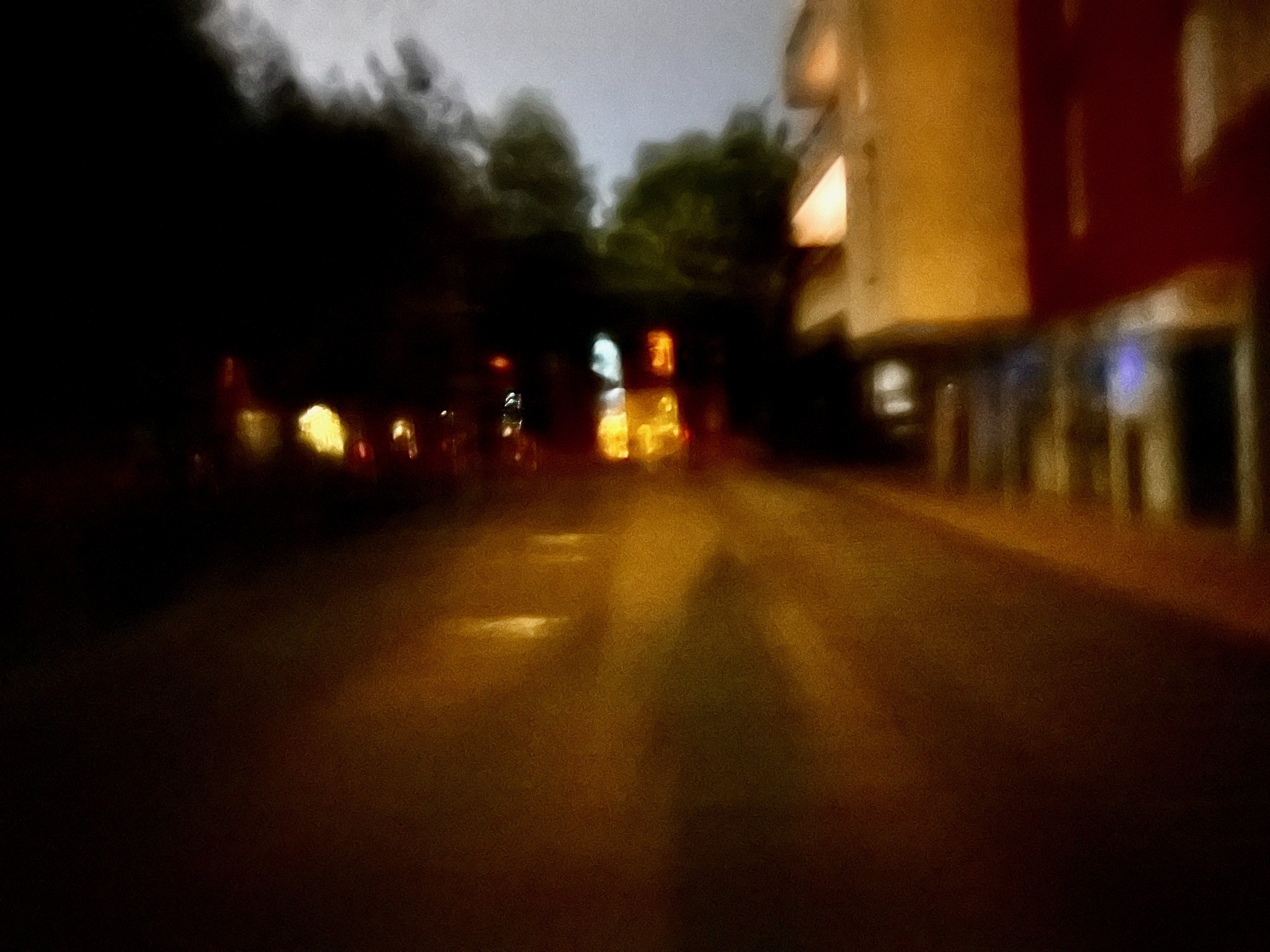
In our neighborhood, courtyards fill at odd hours. People gather when I wouldn’t expect them to—mid-morning, late afternoon, Tuesday at three. Most of our local bistros are closed on weekends. If we want to go out, we head toward the center. And in August, the country just stops. Not figuratively—shops shutter, signs go up, and the silence settles in.
It’s not just pace—it’s philosophy. You’re not supposed to always be working. If you are, people notice. Maybe even worry.
In the U.S., our lives ran on to-do lists and productivity hacks. Here, people pause. Lunch isn’t a break; it’s a ritual. You sit, eat, talk. There’s no takeaway cup version of that.
Time Works Differently Here
France runs on boundaries—temporal, social, and strangely comforting. There’s a time for work, for meals, for quiet. Sundays are for nothing.
If the shop’s closed, it’s closed. You adapt.
You stop needing to fill every minute.
Coming from New York’s 24/7 convenience, it would occasionally drive me crazy. Now it feels like an enforced exhale.
We wanted a change. We got a change. It doesn’t look like we’d imagined, not completely.
but we got what we wanted - we have to remind ourselves at times.
Things That Are Quietly Excellent About France
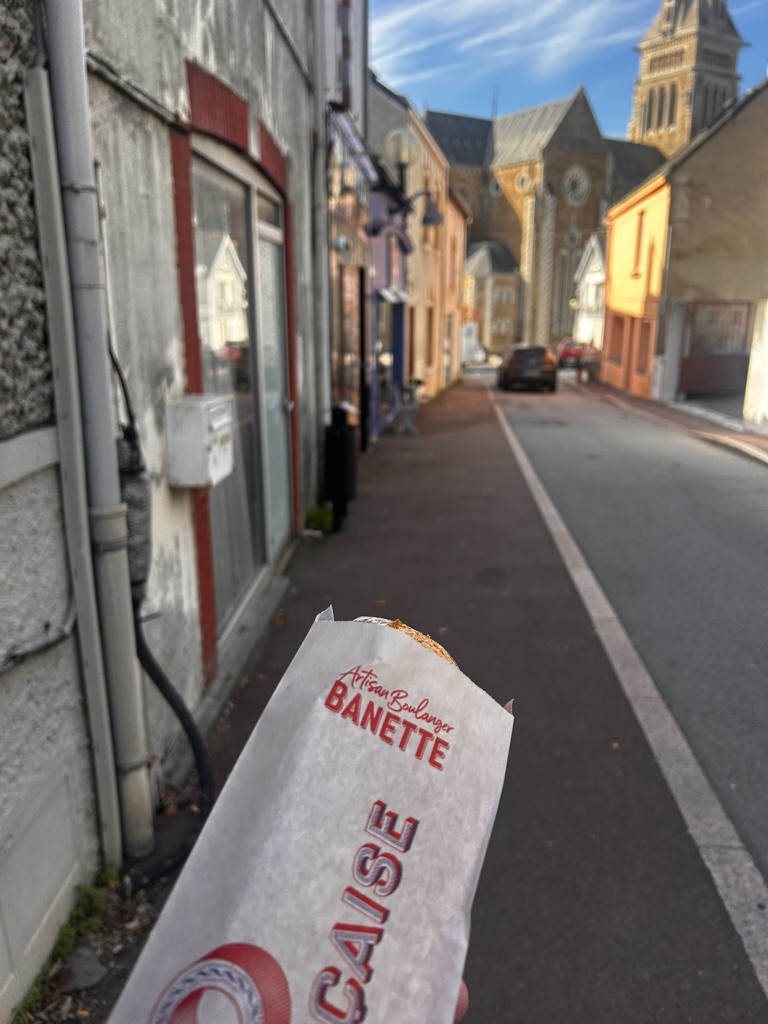
The sound of heels on stone in old town centers. You don’t even need to see them—just the click-clack against 300-year-old pavement.
Cheese. I think I am starting to learn the many cheeses of this country.
Trains that leave (mostly) on time with comfort and coffee.
The phrase “bon courage.” Used for everything from surviving cancer to waiting in line at the supermarket.
There is always dessert.
Not having to do intense tip math in ever-increasing numbers.
Market vendors who remember your face, if not your name, and ask if you want “comme d’habitude” if you’ve been to them 3 times.
August. When everyone disappears and the silence is palpable.
Making a Life
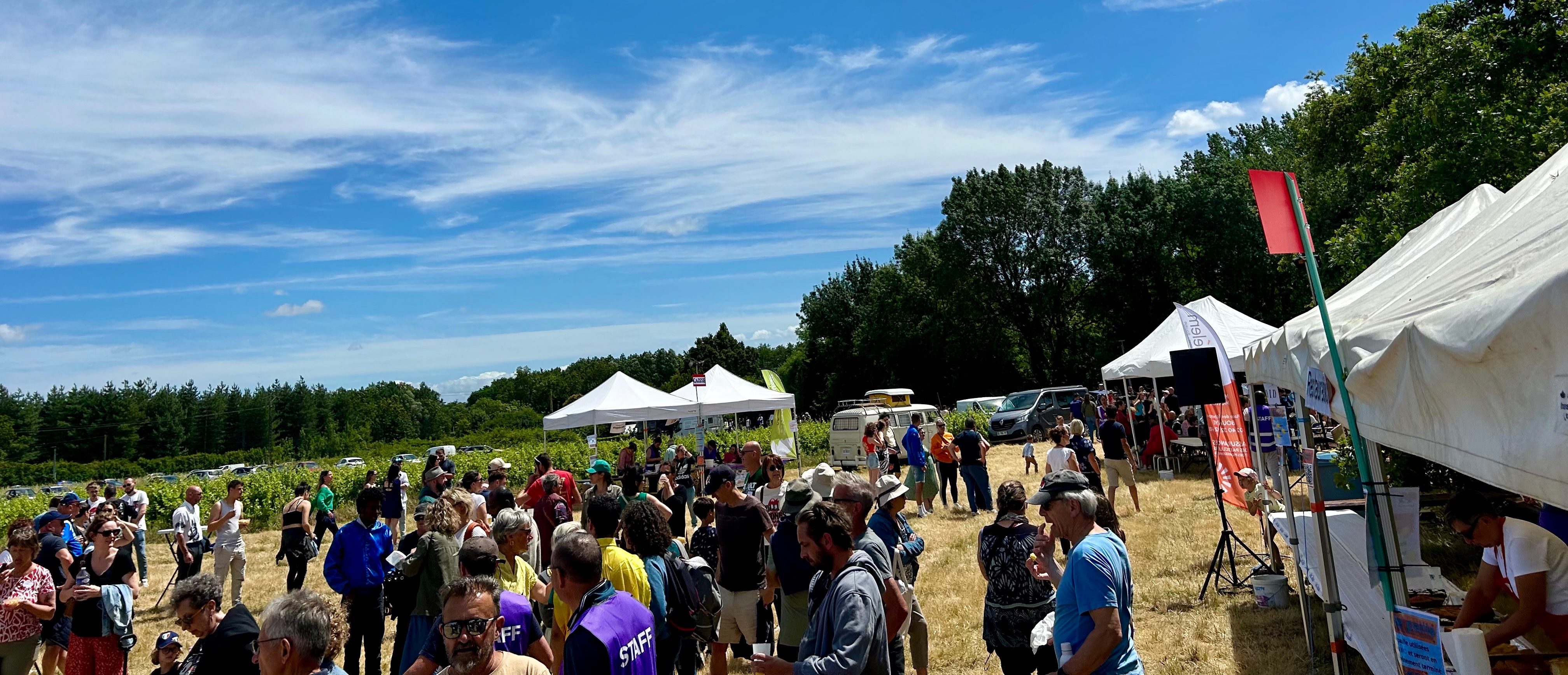
We’ve stumbled into small village festivals over the years—chestnuts in Bretagne, cider tastings, the occasional event that looks ominous from afar and turns out to be a boxcar race through vineyards with a brass band.
Meeting people has been harder. Our French is improving but not graceful. Still, most folks are patient, amused even. We’ve met a few fellow migrants, a few locals. Some friendships come easily; others take seasons.
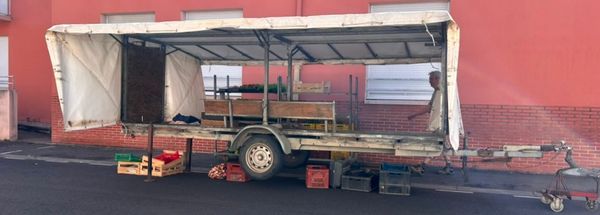
We go to markets often. The produce alone could make you stay—rows of cheeses and fish, fruit that still smells like fruit.
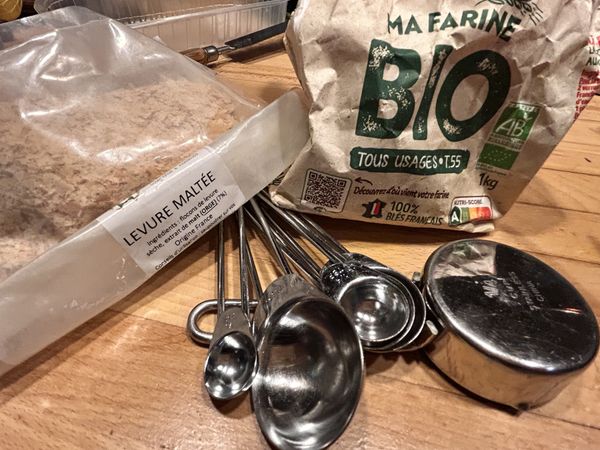
I like to cook, even if I sometimes find traditional French food a little bland. What interests me more is the modern mix—the way France keeps folding in new flavors, new faces, quietly expanding what “French” means.
Even as Frenchness itself is contested.
Gillian Hills sang Zou Bisou Bisou at 17—inexperienced yet aware, swaying through a France just beginning to loosen its seams. Born in Cairo, raised in Nice, discovered by Roger Vadim, Hills moved between languages, genres, and countries with a restless ease. Her pop career was brief but electric—part of the early yé-yé wave—before she shifted into film (Blow-Up, Clockwork Orange), then disappeared quietly into art.
Beyond the Baguette
What keeps me curious about this country isn’t the postcard version of France—it’s the living and breathing version changing right now.
The layered, shifting thing. Not just the Michelin-certified traditions, but the diasporas, the second languages, stores and restaurants with different offerings, cuisines with different aromas.
More.
That’s the France I want to live in. Not the museum. The complex, shared, developing, breathing one.
It’s home—for now.
Because something about the rhythm fits, even when it doesn’t.
k
What surprised you most about settling in—or trying to?
I’d love to hear what “home” looks like where you are.
More like this:
 Keith Christiansen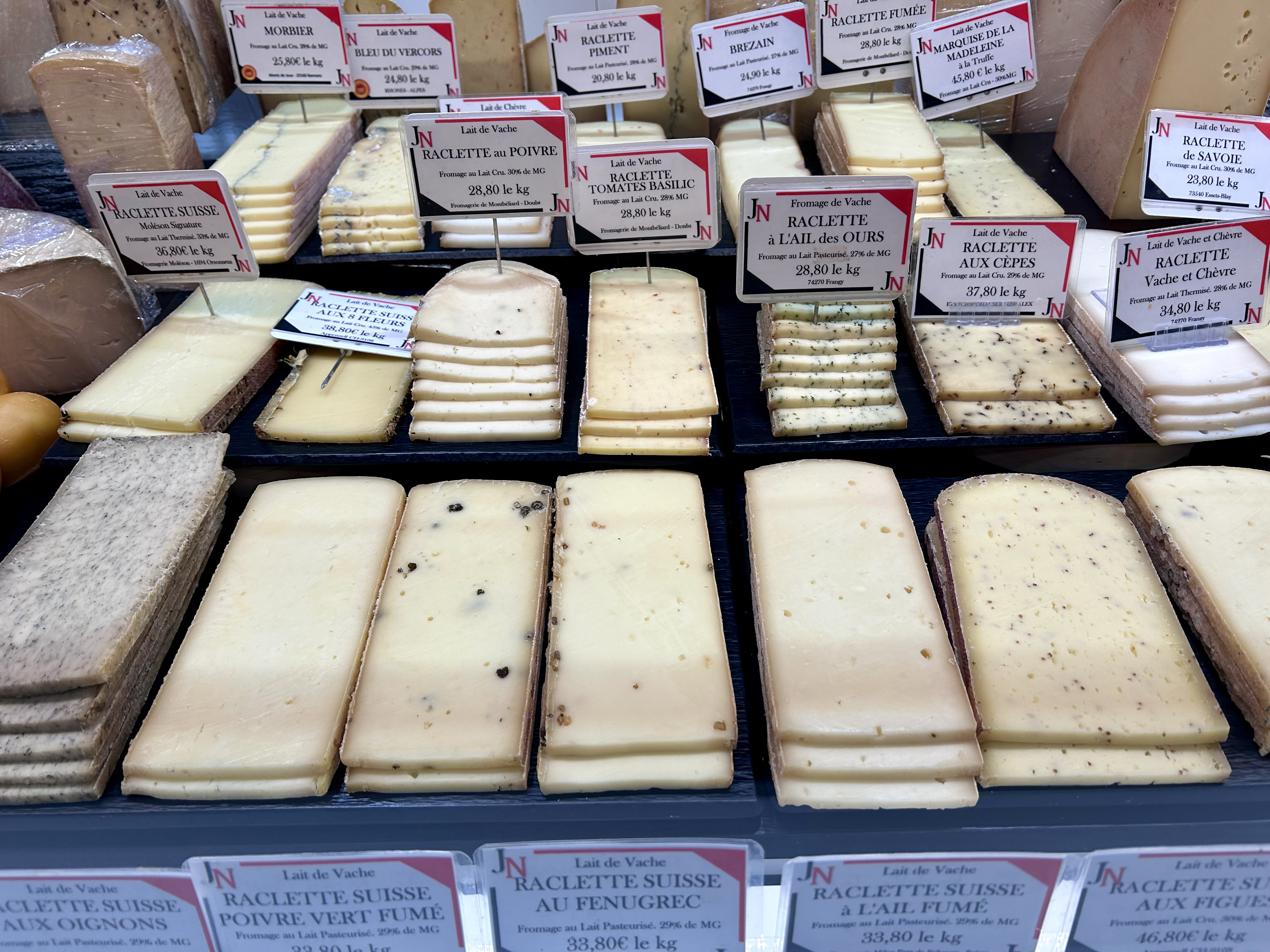
 Keith Christiansen
 Keith Christiansen