Chicken, Pig's Bladder, & the Three-Star Chef Nobody Talks About
Alexandre Dumaine & the making of destination dining before anyone called it that
Alexandre Dumaine held three Michelin stars in a town most people couldn’t find on a map.
He kept them for nearly thirty years.
He didn’t seem especially interested in being famous for it.
While researching this piece, I kept running into the same dish: chicken cooked inside a pig’s bladder. It wasn’t a coincidence.
Bref : Dumaine was one of the most disciplined and influential chefs of his time, running a three-star kitchen in rural Burgundy & ignoring the spotlight that defined chefs like Auguste Escoffier and Paul Bocuse.
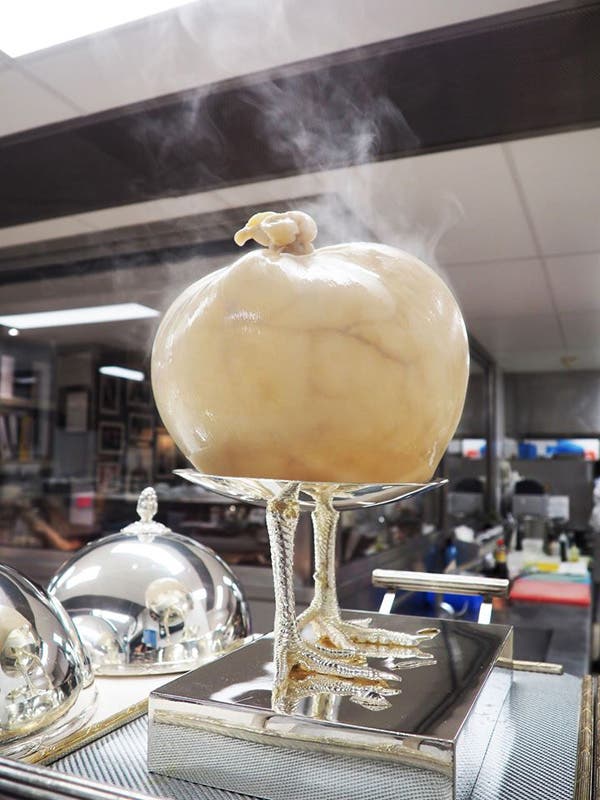
Pig Bladder Chicken (my bad translation of Poulet en vessie) was a serious dish, and it pointed to a serious cook and a very old technique. At La Côte d’Or, Dumaine held three Michelin stars from 1935 to 1964, building a reputation on precision, repetition, and control rather than personality.
He never became a household name. Partly temperament, partly timing.
While others understood how to turn themselves into institutions, Dumaine stayed in the kitchen and focused on the work. Without his wife’s skills of hospitality—and promotion—he might’ve been almost unknown even as his peers recognized him as one of the greatest chefs of their generation, Le roi de cuisiniers (The king of chefs).
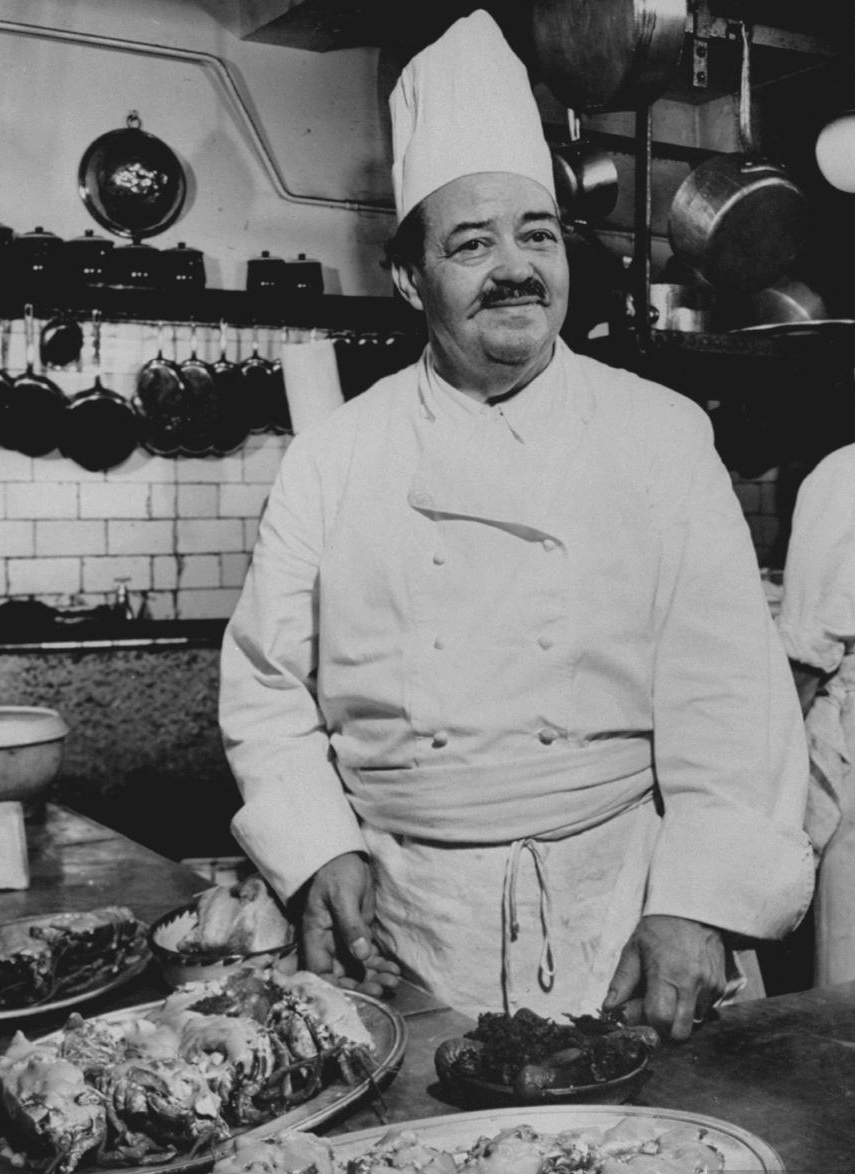
A Kitchen, Not a Stage
His restaurant was in a the small town of Saulieu in Burgundy, La Côte d’Or. It became a pilgrimage for “those seeking the pinnacle of French gastronomy.”
Dumaine preferred to be in the kitchen in an era that was being defined by publicity. He was in his prime when French cuisine was ascendant, but also when some of the earliest Star Chefs promoted themselves into our collective memories.
He worked to perfect older techniques, preserving the integrity of traditional French dishes, more than building a personal brand. Poulet en vessie (chicken in a pig’s bladder) became a hallmark of his technique, producing the precise same meal with precisely the same flavors, regardless of the variations on the ingredients.
Rare in those days.
This was before the whole industrialization of flavors on the mid-20th century. Making a dish taste precisely the same each time, in that era, was nearly impossible.
In the early 1960s, maybe 15 to 20 chefs had three Michelin stars, mostly in Paris and Lyon. Dumaine's three-decade etoillage at La Côte d'Or was hours away from these cities, drawing diners to remote locations through sheer quality of technique and hospitality.
There were just not as many dining destinations like this at that time either—Dumaine is why there started to be.
And yes, they did come for the chicken.
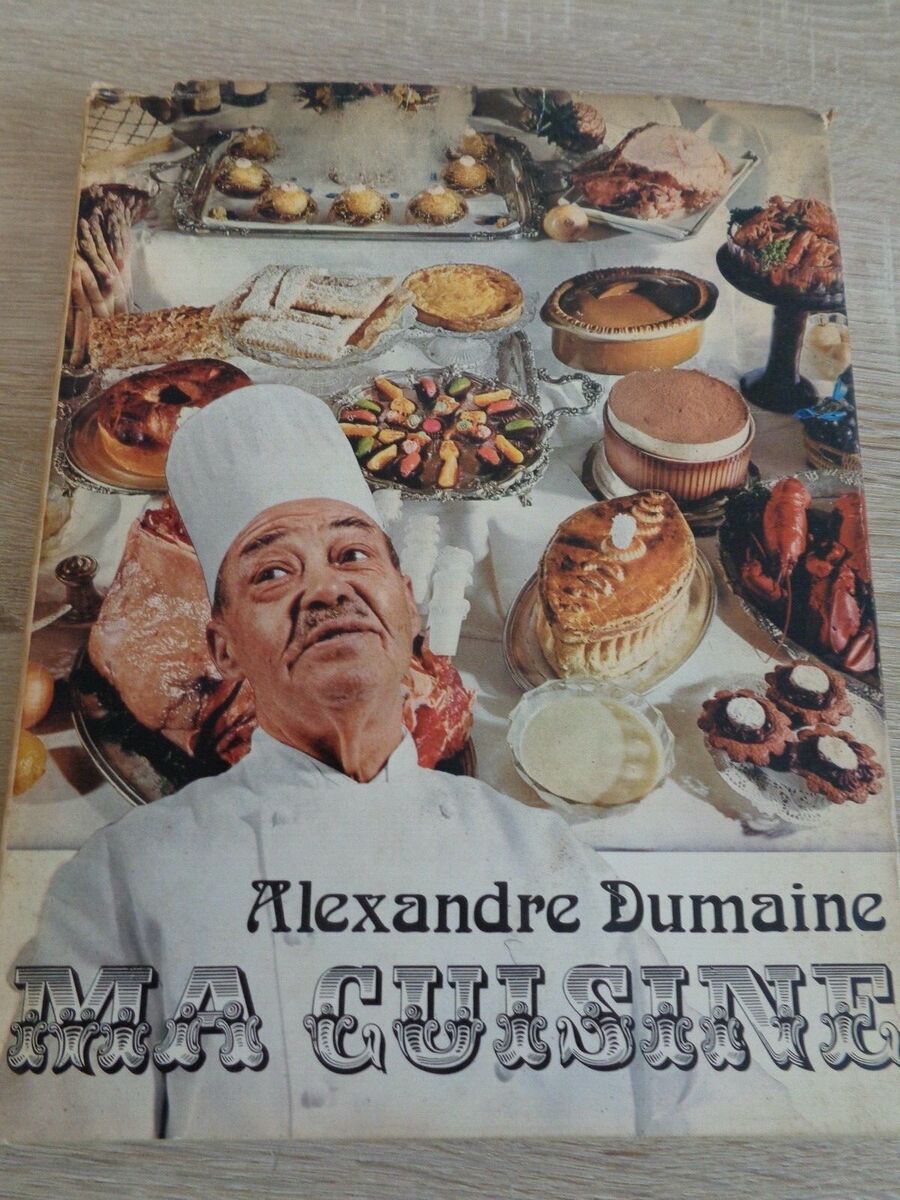
Cookbook and Love Letter
In 1972, Dumaine published Ma Cuisine, filled with an incredible codifying of his version of traditional French recipes, but also as a kind of love letter to his wife, Jeanne. He dedicated significant portions of the book to acknowledging Jeanne’s indispensable role in the success of La Côte d'Or.
Jeanne Dumaine had left a career in journalism to manage the restaurant, She’s likely the only reason that anyone ever knew what Alexandre was doing. .
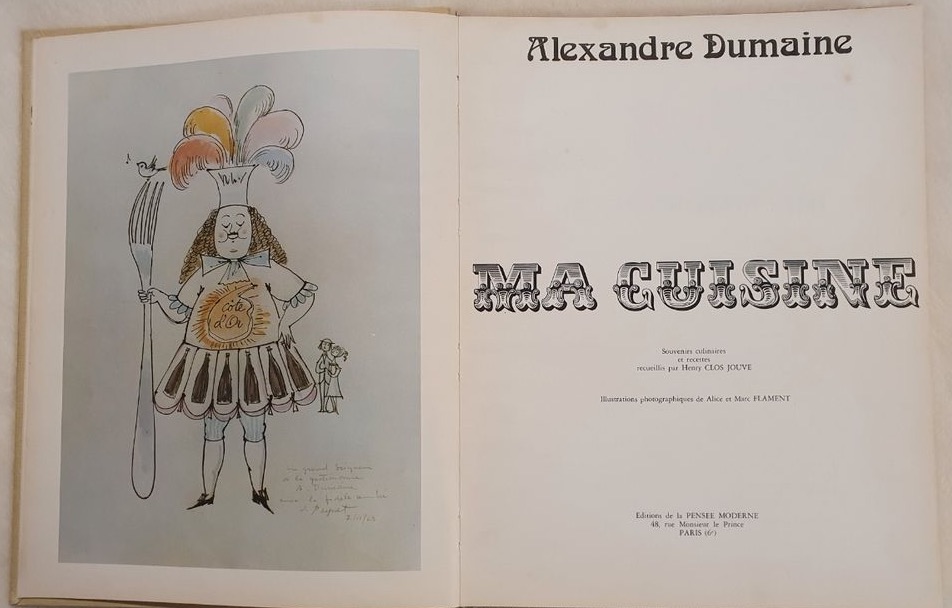
Memoir as Cookbook
Dumaine blends technique with philosophy and his own stories, both a part of his professional and personal life.
Alexandre and Jeanne turned La Côte d’Or into a center of culinary excellence & emotional warmth that made it legendary. Alexandre had said it was the type of restaurant every married couple that has ever owned a place together might dream of creating - and he credits that success to his wife.
You’re very unlikely to see similar shared glory from Escoffier or Bocuse.
Ma Cuisine’s culinary philosophy remains relevant. His techniques, belief in sustainable regionality plugged into French culinary beliefs of terroir. Even in the 1960s and 70s, his sourcing of ingredients was ahead of its time, with sustainable practices that are only now being widely embraced.
He describes cooking as a connection—between chef and diner, between husband and wife, and between Dumaine and the reader. It’s an engaging read, even if French cooking isn't your thing. Its blend of technique, history, and reflections makes it into a kind of memoir of personal discovery. A window into the thinking behind an artist’s creation.
And for Dumaine, his food was his life and art, as was his marriage.
Quiet Legacy
Dumaine focused on the work, not the spotlight. It left him less famous than some of his contemporaries.
His timing didn’t help.
By the time he retired in 1964, Nouvelle Cuisine was beginning to reshape French dining (Never mind that there have been 3-4 "“nouvelle cuisines” in French history.). Lighter sauces, shorter cooking times, reinvention. His food, rooted in regional products, careful technique, and consistency, looked out of step.
But that reading misses what he actually did.
At La Côte d’Or, Dumaine defined what a destination restaurant could be. Guests traveled to eat his food. He built a kitchen where discipline, repetition, and product quality were non-negotiable. That model became the blueprint for the modern French restaurant.
He shaped the cooks who came after him. Bernard Loiseau took over La Côte d’Or decades later and built his reputation on Dumaine’s standards.
Dumaine didn’t reject tradition or chase novelty. He made regional French cooking precise, repeatable, with incredible warmth and hospitality — worthy of a pilgrimage.
A note about the pig bladder chicken:
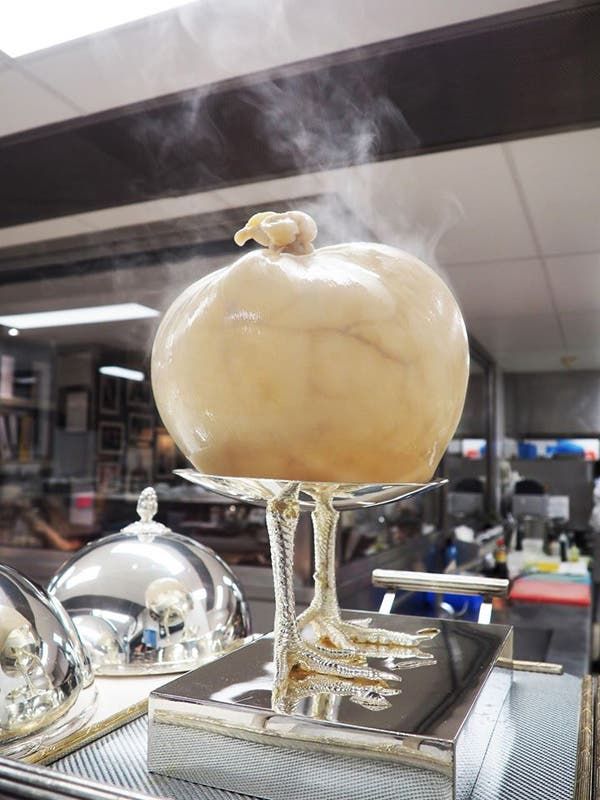
Poulet en vessie (chicken poached in a pig’s bladder) was once the epitome of French haute cuisine, showing up a lot from the 1930s to the 1960s, with Dumaine’s version considered the gold standard. The video below is from one of Paul Bocuse’s restaurants — very few places make the dish anymore.
The technique goes back to medieval cooking techniques, the pig’s bladder is used to trap moisture and flavor, steaming the chicken to tender perfection. Many dishes were poached or simmered this way, boiling water providing more cooking consistency than wood fired stoves could offer.
It seems like modern sous vide techniques using plastic, in a way.
But it takes up a lot of space in a small kitchen, but what a display.