You Can’t Find Yourself If You Don’t Know How to Search
Research, Rants About Moving, and the Real Work of Building a Life Abroad
How do you actually live well in a new country—beyond the visas, beyond the logistics? This piece is for anyone building a life abroad and trying to understand not just where to go, but how to belong once they get there.
Not a guidebook
This is one of those ideas that’s been sitting with me for a while. I’ve been trying to talk about the kind of research I do—some folks have asked—and why I think it’s essential to feeling at home in a new place.
I’ve started writing it more than once, circled around it from a dozen angles, and every time, it’s fallen apart a little bit. So this is just me talking it out.
I’m also in the middle of trying to get the next interview podcast out. Coming soon!
So that’s what this is. Not a clean essay. A recording. A kind of long-form voice note, really.
(And there’s a worksheet for independent study! )
Also, some of you have asked for more audio. Let me know what you think. And if you’re new here—welcome.
Research & stories of living abroad, 3 times a week! Get some!
life as a research project
This Substack isn’t really about how to leave home. It’s about what happens once you’ve landed somewhere else. Once the move is done. Once things wind down and it all gets to be a bit normal, when you’re sitting in a strange room wondering what “settled” might look like here.
no matter what you do, you’re going to learn a lot. You’ll need to.
Living well in another country is its own kind of research project.
I’m a compulsive researcher.
Always have been. If something’s weird or confusing or frustrating, I’ll chase down source material through PDFs, forums, maps, footnotes, and midnight rabbit holes.
Find source material, not just the endless funhouse mirror of trending responses.
But that instinct—the urge to understand—has turned out to be one of the most useful tools I’ve carried into life abroad. Not just for figuring out visas or healthcare or what kind of butter to buy, but for deeper stuff too. Like how to build a life that feels like mine, here.
And that’s what the talk is about.
It might be easier just to listen to it, but for those who prefer to read, notes are below.
K
Send me stories about life in France - 3 times a week!
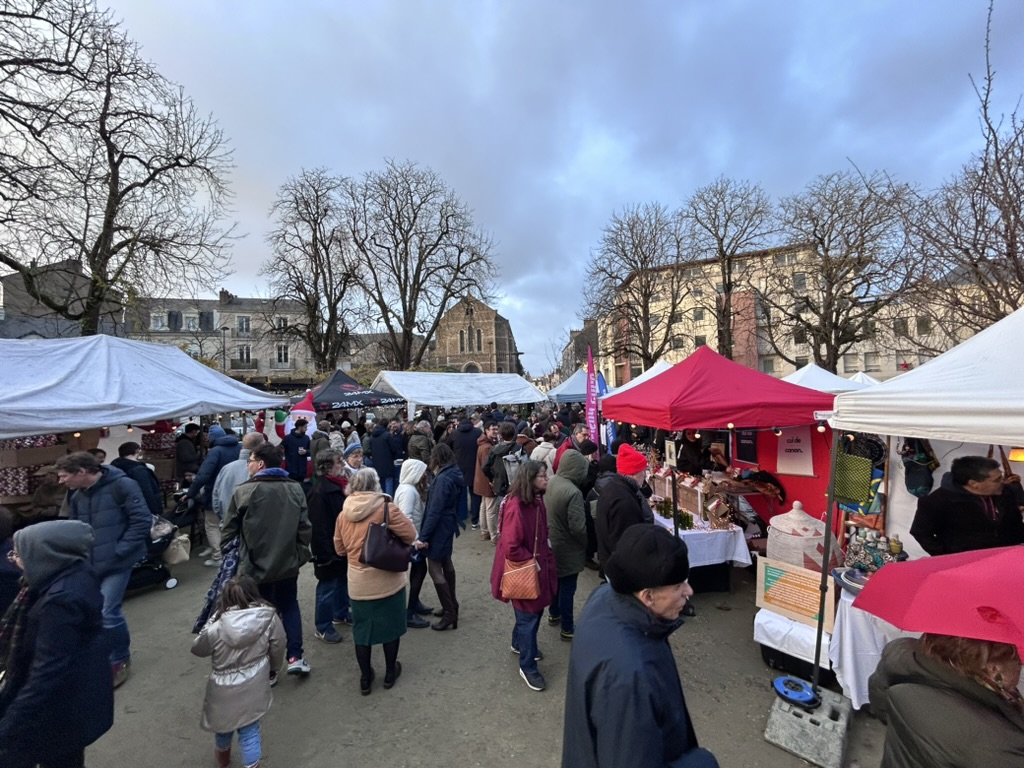
You can’t find a home if you don’t know how to search.
I have seen a lot of people talk about moving abroad without really researching where they’re going. Where you land will truly affect how you live.
We live in France now, and even within our small radius, our experience has shifted dramatically. Living in the city was one thing. Life outside the city is something else entirely. And when we were in the countryside—just an hour away—it was a whole different world again.
Geography is one thing. How a location feels is another.
And how it feels to you is everything.
I don’t just mean reading a few blog posts or watching some videos. Explore stories of people who’ve lived there. Listening for the things they didn’t expect. Trying to understand the emotional fine print.
The process is overwhelming, but moving to another country isn’t a BuzzFeed quiz. It’s not “France vs. Portugal—Which One Are You?” It’s messier than that. More personal. And the answers are different for everyone.
(BTW, it seems I am more France than Portugal, but I had to discover that the hard way. But I do I love Portugal as well…)
The only way to find what fits is to keep asking questions. Over time, your questions get less about logistics and more about your values, habits, rhythms, the way a place works—or doesn’t—for you.
And if there are bloggers you like, contact them directly. They might help you out. They might not. But treat your move as if you’re making every single major life change you’ve ever done, all at once. You are.
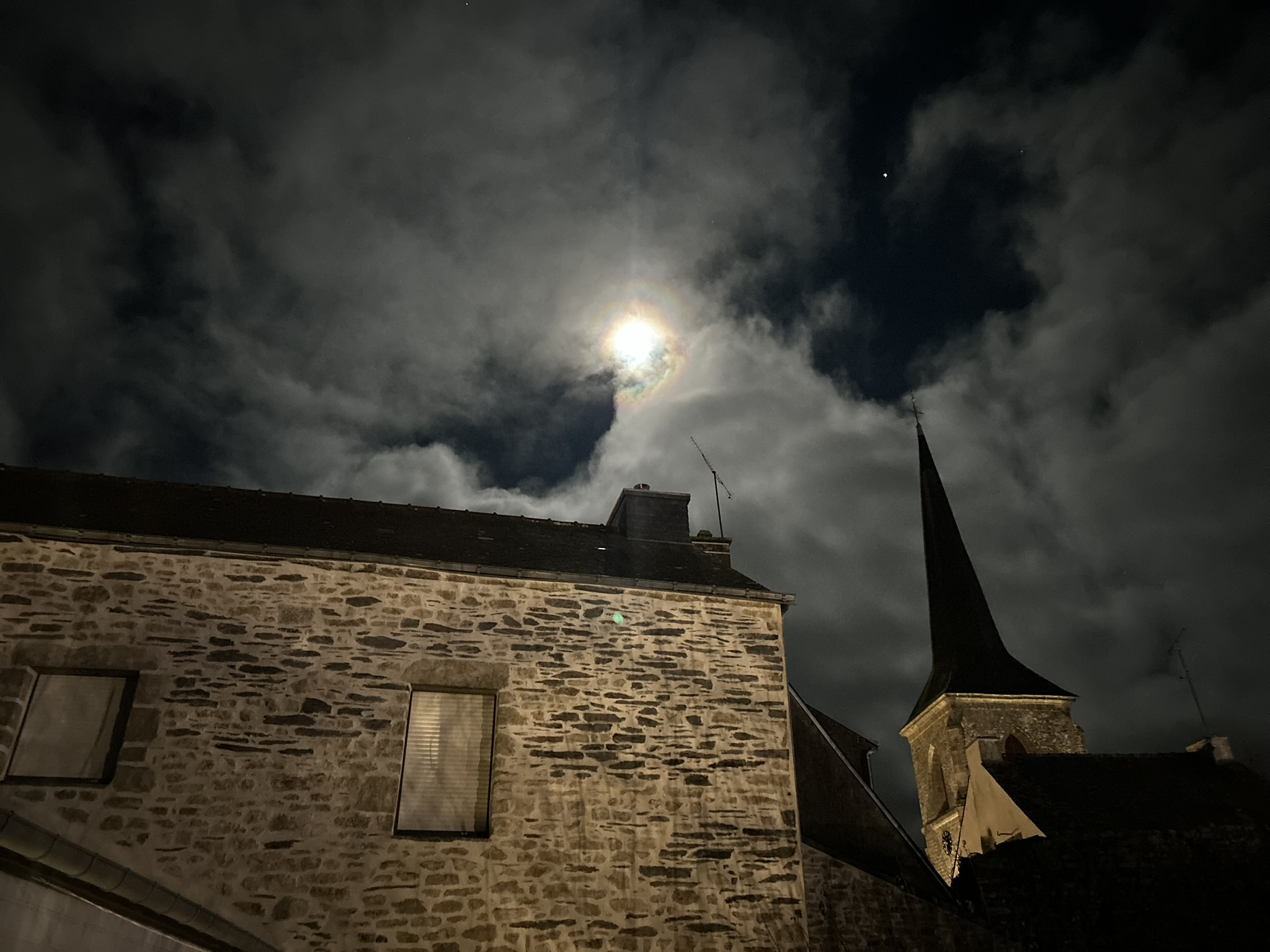
Research is a way of belonging.
Weirdly, I think of research as way of fitting in. It gives me a lot more to talk to locals about. One of my favorite things is when a French person tells me they didn’t know something about their own culture.
Even with the smallest stuff: toothpaste, new words, metaphors, body language, menu items, the way people say hello and don’t sound like they are on Duolingo.
It’s all part of the same project: how do I become a part of a place I didn’t grow up in.
It’s not only figuring out what’s normal, but what feels right for you. What makes sense. What parts of your life and your personality from before that you want to keep. What you’re ready to let go of.
You will adapt, you will change.
And part of that is accepting that you’ll get it wrong sometimes. And keep a sense of humor about it. Just do.
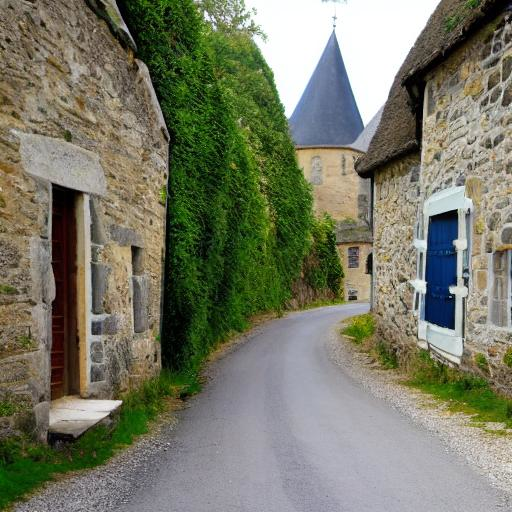 Finding Home Elsewhere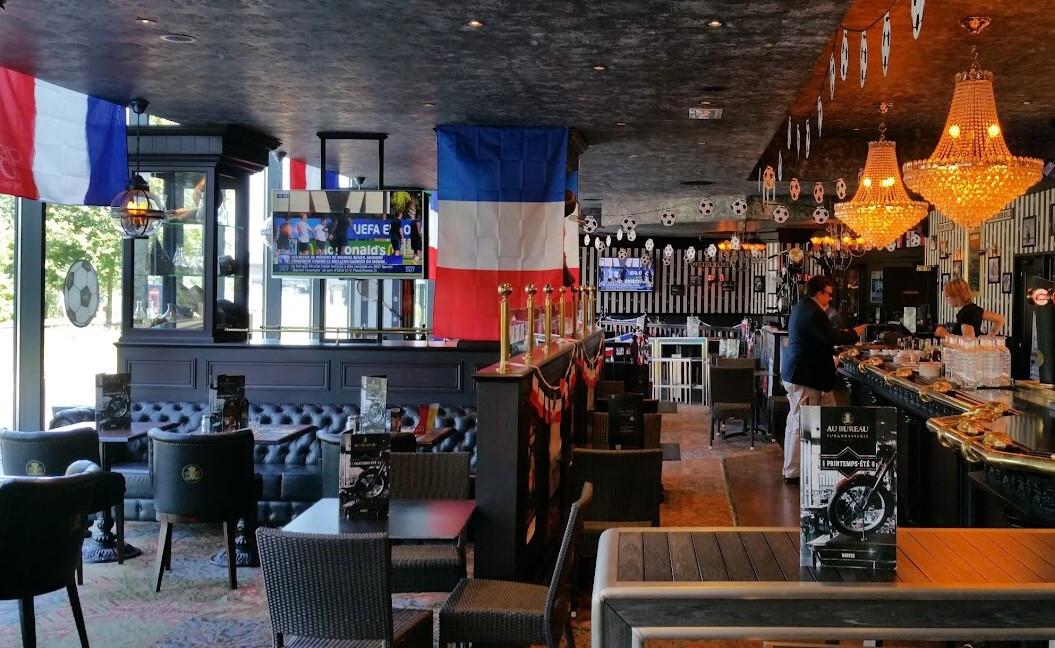
We don’t need consensus—we need deeper memory.
The internet used to feel like a library. Now it feels more like a casino/shopping mall. It’s loud, overwhelming, and full of noise.
Most search engines don’t help you learn—they help you buy, or scroll, or stay on the platform.
AI can regurgitate stuff at scale, but it doesn’t know what you need. It doesn’t know your context. It doesn’t know what it means to live in a city that isn’t on anyone’s best-of list, but that happens to be perfect for your weird little life.
That’s why archives matter. That’s why messy, personal stories matter. That’s why I want more complications, not less. Not everything needs to be optimized or agreed upon. We need more voices. More contradictions. More footnotes.
More inefficient, divergent opinions, please.
When we first found the city we live in now, it wasn’t because some influencer told us to go there. It wasn’t even on a list.
Well, it was on several lists, but not the ones that we were looking at.
You can’t outsource discovery.
Living abroad isn’t about a better checklist, though they can help. It’s about staying engaged. Staying curious. Watching how the light falls in the afternoon. Learning which days the post office actually works.
Asking over and over: what does it mean to live here—and what do I want that to look like?
I still haven’t quite answered that question for myself, but we’re much closer.
In education theory, there’s a concept called the Zone of Proximal Development (ZPD). Basically, it means you grow your knowledge from what you already know. You push out from the edges. You find the next thing you’re ready to learn, and you go from there.
In the talk, I describe it as a square graphic, not round. Oops.
The goal isn’t to know everything. It’s to keep showing up with questions. And maybe to read those long annoying stories on recipe blogs. Sometimes, buried in those weird tangents, is exactly the thing you didn’t know you needed.
Someone within my ZPD needs to read this!
If this was useful, like, share, subscribe, or just drop me a note. I’d love to hear from you. Especially your own weird research rabbit holes. I’ll be there with you.
K