Yet another list of things to like about France
Of course it's not all bad - here's my version of a slice of life for us these days
Love… Hate… Ate… This is France
I have been on a bit of a complaining tear lately, so I am going to switch it up a bit. This is well-covered territory, but I’ll cover it again.
Thanks for reading Keith’s Substack! Subscribe for free to receive new posts and support my work.
As frustrating as the French can be, they can also be lovely and charming people as well. In truth, no one seems to like the bureaucrats of this country and I can only imagine that when they go out in public, they lie about what they do for a living.
In fact, that seems very typical here: many people don’t talk about what they do for a living. That’s quite nice by itself.
Food and freshness
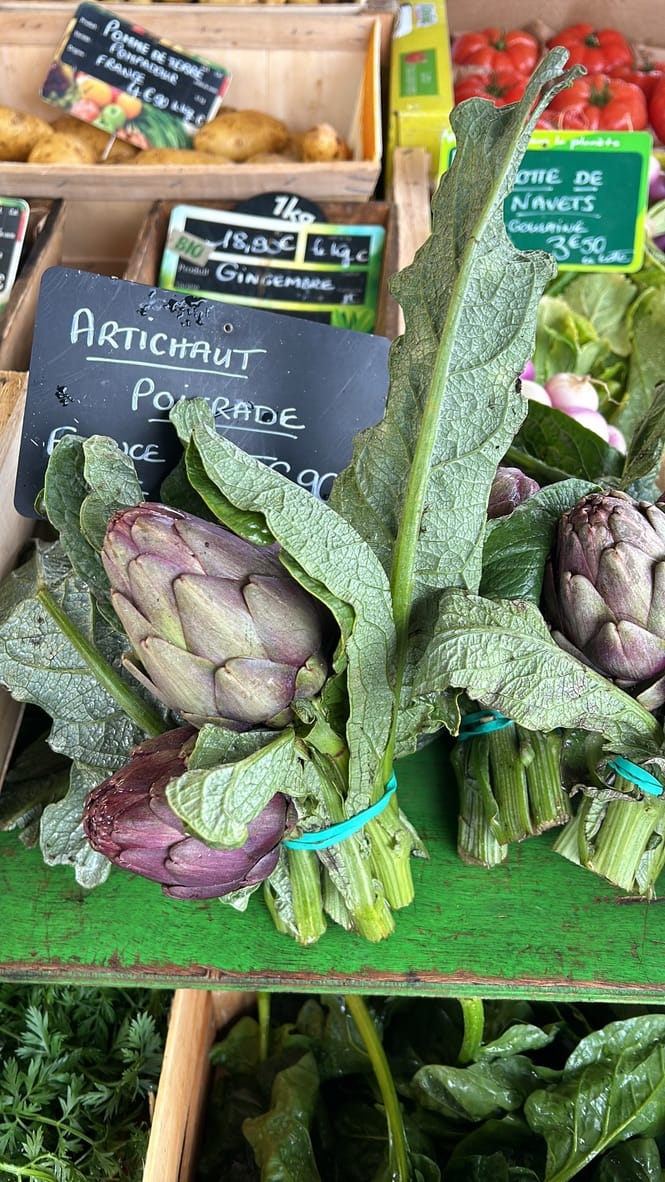
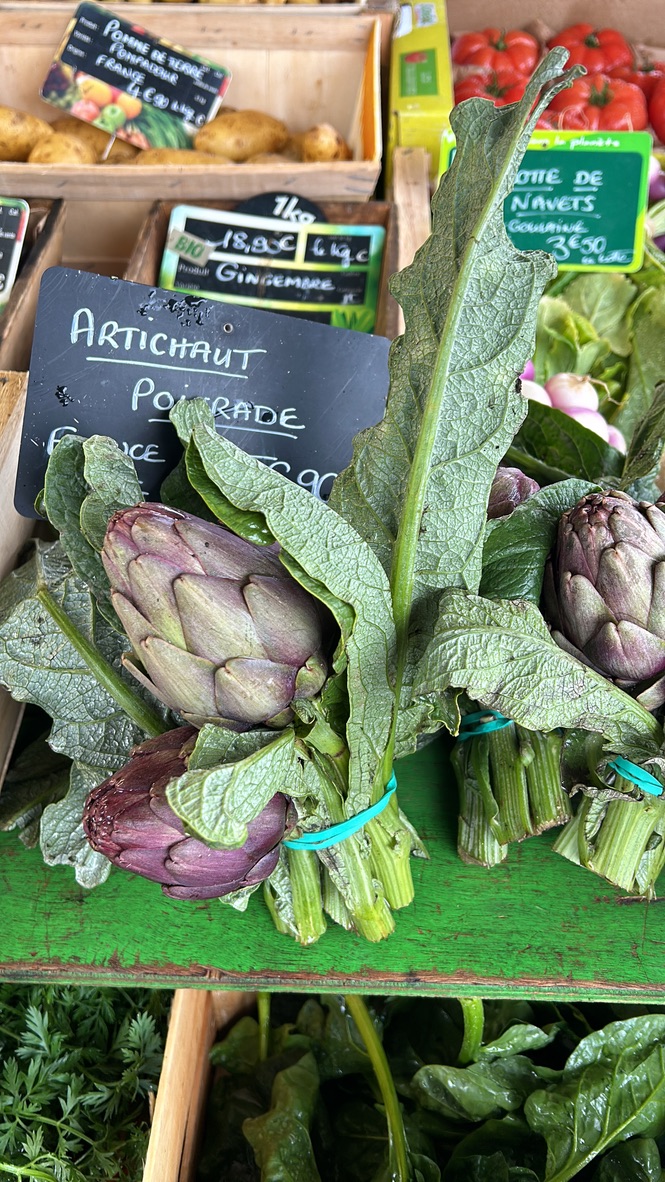
Basic staple foods are incredibly fresh here. Like carrots– yes, carrots – are standout vegetables and we eat a lot of them every week. I now make a great and simple carrot rapé that is delicious simply because the carrots are excellent.
Boring foods are really pretty excellent here. I could talk about the milk. Or the 55 varieties of plain yogurt available…
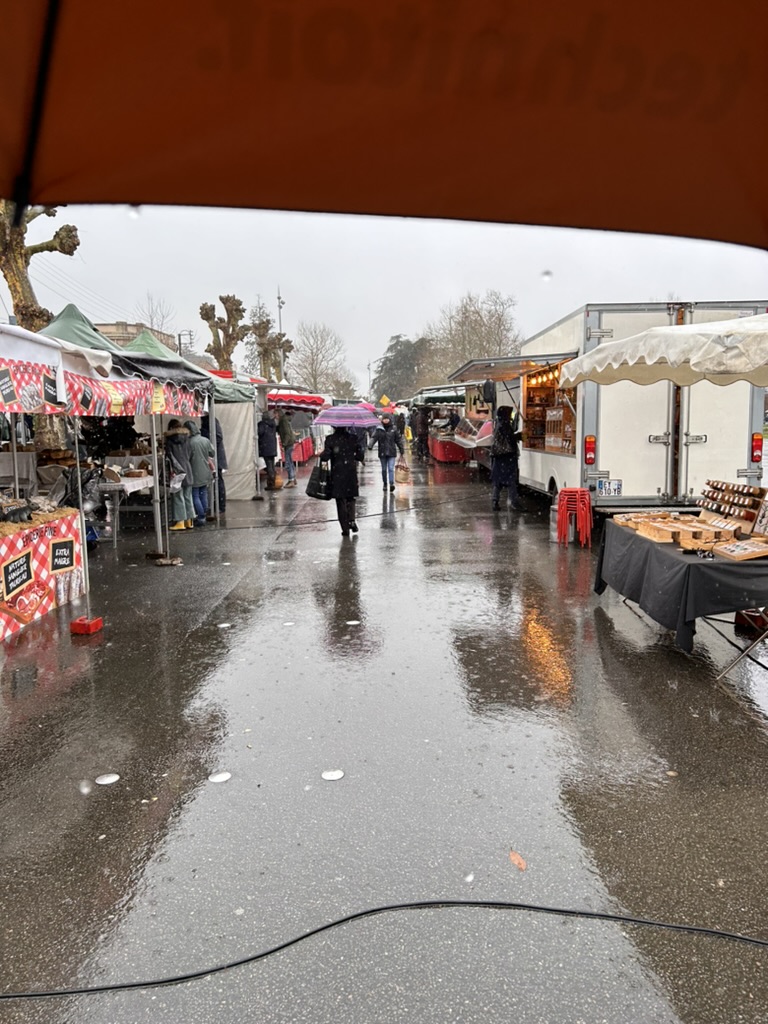
There are fresh vegetable markets pretty much any day of the week. In the city, it’s a matter of going to different neighborhoods. In the country, there is often that tells you the market day as you drive in.
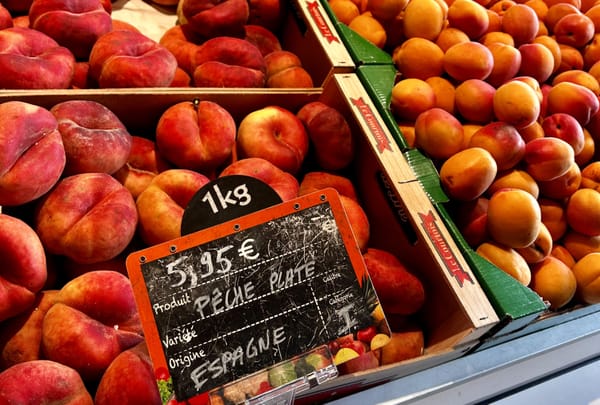
Things I might have considered a bit fancy in NYC cost pennies. Radishes, cabbages, and leeks, while not extravagant, are what everyone buys so they rotate very quickly. The parsnips and leeks are wonderful and it’s fun to be in a market with 30-40 people who have huge leeks or baguettes and the like sticking out of their baskets.
I like oysters and wine for breakfast, if available. So do a lot of folks here.
Seafood
Nantes is a port city and there is seafood all over. Oysters are everywhere and they are excellent quality and comically cheap, even if it feels odd to spend twice as much on a beer in a bar as a dozen oysters. Oyster vendors pop up on Sundays wherever makes sense to them: next to smaller supermarkets, near churches, bakeries, all kinds of places.
We’re in peak scallop season right now (December – March) and they are everywhere.
You can get fresh baguettes every day of the year. I think it’s a law – and yes, they are really, really good.
Sadly, the French don’t seem to go for spice much, which is a missed opportunity because a habanero compound butter is a powerfully good flavor. I haven’t made a spicy fois gras, but it’s likely to happen – as soon as I can
Our city
The streets are pretty, even in Nantes, which is hardly the prettiest city in France, but it really does have its charms.
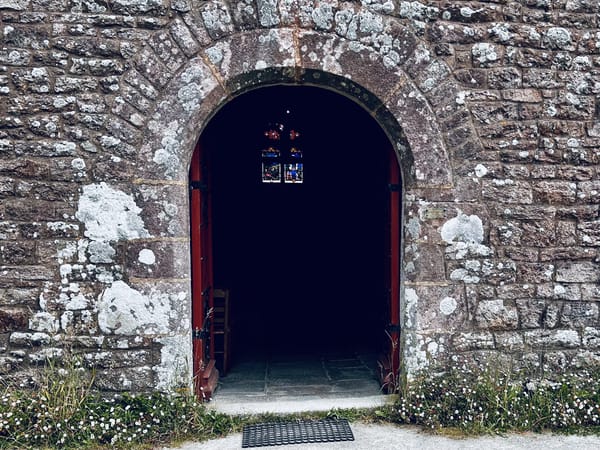
I have an office space in a decommissioned church that I hang out in on the weekends almost completely by myself. Perhaps a bit antisocial, but when it’s raining out and cold, having your own private church and coffee maker is pretty amazing. If we leave this town, I will truly miss that space. During the week, it’s still beautiful, but much more social and I get less done, but I love it for that as well.
The fact that people stop working to eat is nice. The fact that people think you’re a bit weird if you don’t stop to eat is also a bit nice, actually.
All mod cons
We have a nice apartment at a livable price in an area where we can walk to everything with good public transportation. There is a shared back garden that seems a little strange, but it’s wonderful to look out over. We have woodpeckers and large, tasty-looking pigeons that fly around the back.
It’s far enough away that you can hear your neighbors, but don’t have to really see them, which is my preference. It’s one reason why I don’t like the people across the way, and I haven’t even met them. I see too much of their lives and I’ve made up a whole narrative about them. It’s not a flattering one, either – to them or to me.
We have a great bistro around the corner and, even with my awkward French, I always feel like I should come around there more often.
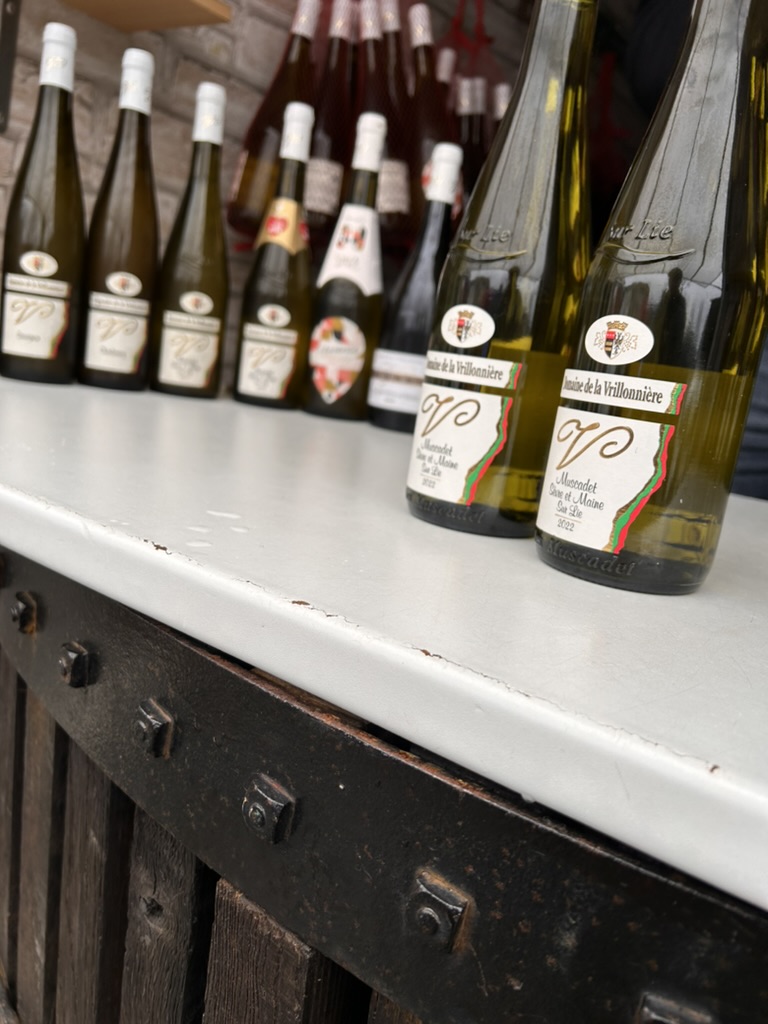
Driving out of the city, it’s about 15 minutes until you hit a vineyard. They’re all over the place. The city falls away to countryside incredible fast.
Modern France and historical France
Clearly, there is something amazing about having cows eat the wildflowers of a specific series of mountains in order to make the milk that makes the cheese for a specific variety (this is Cantal I am thinking of, but a few cheeses likely fit that description). But then, with recent droughts and the ongoing climate crisis, there are fewer flowers, less milk, less cheese, and that means that farmers who were making a profit a few years ago now are losing money.
I think a lot of the confusion about the French comes from some cultural stereotypes that don’t really work in the favor of the French people. The correctness thing is beautiful, in its own way, but it also seems like a bit of a trap for the French themselves.
As many times as I have been corrected, I think that many French folks hate that “correct” aspect of their own society. It’s both things at once – there is something very valid and also a pain in the ass.
Modern France is quite diverse
And lastly for this entry, that is a thing I like and appreciate most about France, that this is very much a culture in flux. For all of the problematic correctness that goes on, what is “French culture” is changing as francophone people around the world increase their influence, their art, their cultural production, and that is reflected in France. In France, this sometimes looks like the stale arguments of what is “really” French and not, but it is also embraced in many places. The francophone culture is expanding, even if all of France doesn’t embrace it.
As a foreigner living in France, one of my favorite things about France are all of the “foreign” cultures that have found their home here – or have been at home here for centuries.
Thanks for reading Keith’s Substack! Subscribe for free to receive new posts and support my work.