WTF is going on with snap Elections in France?
Understanding the 2024 French Legislative Elections Amid Rising Far-Right Influence
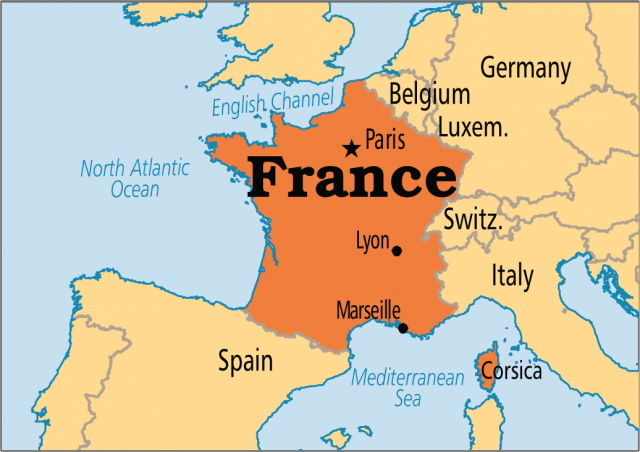
A bit about French Government
French politics are confusing - even to the French. People are reasonably concerned and friends have asked me if I’ll stay in the country if the government changes. As the National Rally is radically anti-immigrant, perhaps it is best to keep our options open.
The French government has some key differences from the U.S. The U.S. executive and legislative has a President and a Congress (House and Senate), while France has a President, a Parliament (National Assembly and Senate), and a Prime Minister.
France is also a part of two governments: the French government and the European Union. It’s with the EU representatives that this all started. The French President can dissolve congress if he thinks he can’t govern with the current one in place. It’s a risky move.

So what happened?
After his centrist alliance scored just 15% in the European Parliament elections and Marine LePen’s extreme right wing National Rally (RN) got 30%, French President Emmanuel Macron called for sudden legislative elections. Due to multiple parties in a parliamentary system, 30% is a lot.
Voters expressed discontent about immigration, crime, and the cost of living in the country. While I might agree that folks have legitimate greivances, the talk of “true French people” and all of the historical racism and antisemitism attached to these ideas is never a good thing. Voters tend to blame whoever is in charge, rightly or wrongly. A lot of the sentiment I’ve read sounds like, “LePen’s party couldn’t do any worse.”
This move sets the stage for potentially forming a new government and could elevate Marine Le Pen's party to power for the first time.
That was for France’s representation in the EU. Within France’s national legislature, the numbers were reversed, with Macron's Renaissance party holding 29% of the National Assembly seats, while Le Pen's National Rally holds 15% - the remaining seats are divided among other parties.
The new elections are scheduled in two rounds on June 30 and July 7, 2024. If there is not clear winner on June 30, the leading parties have a runoff election on July 7.
However, they truly could do worse.
The risks
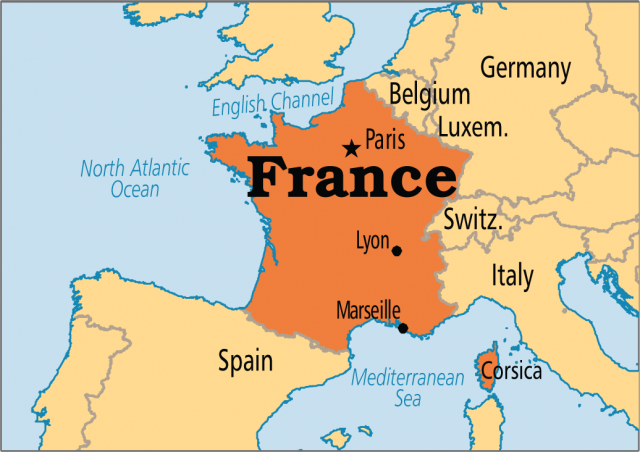
The RN is likely to increase its numbers in any case - and possibly even lead the government. France faces the real threat of being governed by a far-right party with deep xenophobic and Islamophobic roots for the first time since 1945. This shift to the right in Macron’s own policies, including tough law and order stances and controversial immigration laws, hasn’t just failed to curb the rise of the far-right but alienated the left. Macron's strategy might inadvertently set the stage for a stronger far-right influence or, less likely, a resurgence from the left, making an unstable situation in French politics.
For my part, I always see this as a problem: it’s not just the nationalistic fascists that are a problem, it’s the politicians in the middle who enable them and validate them.
Perhaps Macron’s intent is in preventing the far-right from gaining even more influence ahead of the 2027 presidential elections. The move surprised his own advisors.
The far-right in France doesn’t have a lot of experience - the National Rally’s has only governed two towns in the south of France. Macron may be hoping that they’ll bungle in the spotlight and their lack of experience will diminish their appeal before 2027.
Like many extreme movements, there is a lot of culture war stuff and taking care of the “true” people of whatever country while blaming the same people (those who are not “true” people of whatever country, etc.). These are inevitable racist and xenophobic by nature. Even so, these are ideas and rallying cries, not policies. While there may be valid complaints, their solutions often simply involve dismantling existing systems. Far left or far right: they often cost a lot of money without a lot of ways to pay for it.
The risk of a split government
If no single party secures a clear majority, a situation known as cohabitation occurs. The president will have to appoint a prime minister from the opposition party, chosen from the National Assembly, like our House of Representatives. This division requires a lot of negotiation to get even the most basic things done. The intent is that it could create balance, but it more often leads to political paralysis.
This election will not remove Macron from office but could change the government. If it pays off for Macron, he’ll have a government that supports his agenda. If it doesn’t, he will have to partner with the opposition, where he hopes they’ll fail.
The trouble is always in legitimizing parties like this. They don’t need to be fully in power to cause a lot of damage, particularly if they gain a similar majority in France’s legislature. Not matter which way elections go this week, Macron may have shifted this country much further to the right.