Work-Life Balance Can Also Be Inconvenient
I can't keep track of all holidays here, but it's not all
In France, the relationship between food, relaxation, and work is deeply cultural, reflecting values that prioritize leisure and enjoyment as integral aspects of daily life.
Or at least that’s what a lot of people say, in one form or another. It’s typically just encapsulated in the phrase “the French love food,” which is good shorthand. While sometimes a bit reserved, most folks will be open to talking about food and the greatest majority of them will stop working right on time for lunch: today, tomorrow and every working day.
If possible, food and meals can be even more of a feature on the weekends.
Long breaks and more work
At the same time, France is more productive per hour worked than the US. While the US is very productive, it depends more on the sheer number of hours worked by people. When it’s time for work in France, they get things done, but there is a time and place for all things, including work.
I have been working at a shared office space for the better part of a year and today was the first time I’ve seen anyone eating at their desk. She’s Canadian.
Of course, there are plenty who don’t behave this way, but it’s amazing how many do.
The French Approach
Meals are also a bit more than just food; they are a cherished part of the day for relaxation and socializing. As relaxed as it might appear, you could also set your watch by the schedule: at 12:30pm, people switch off and gather in the cafeteria. By 2pm, everyone is back at their desks.
The traditional French workday includes a long lunch break, lasting at least an hour and sometimes up to two hours. Unlike in the U.S., where lunch might be quickly eaten at a desk, many French workers take the time to step out of their offices to dine at nearby cafes or restaurants, or a packed lunch in a local park.
Restaurants cater to this rhythm, with many offering a menu du jour with a multi-course meal at a reasonable price. You’ll see all types at some cafes, from construction workers to office staff, eating their way through a three-course meal and engaging in relaxed conversation. I can’t remember how many meals I’ve eaten at my desk over the years or worked in places where I’d get 30 minutes and then was expected back at my desk.
There is actually a law against that here.
Work regulations
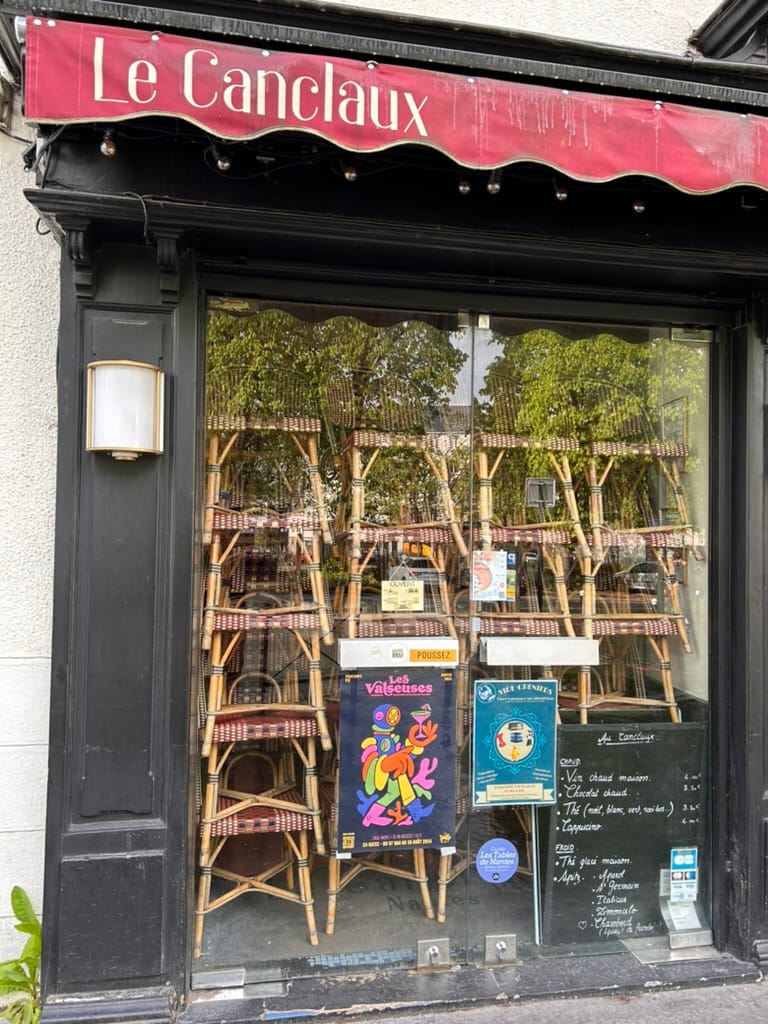
The French legal framework supports a strong work-life balance with a 35-hour workweek is standard in France, and there are stringent regulations on working after hours and during weekends. The French have more public holidays and vacation days. It is customary in France to take lengthy vacations during the summer months, often extending up to a month. I just got back into town and was hoping to go to our local bistro, but it was closed – again – for some holiday that I wasn’t aware of. Again. And while the holiday today celebrates the WWII Victory in Europe, the bistro is closed all week. This occasionally happens when a holiday falls on a Wednesday here.
The country kind of closes up in August and it’s a bit impossible to get many things done. This extended time off is seen as vital for rest and rejuvenation, essential for maintaining productivity and quality of life. In the U.S., taking long vacations can sometimes be viewed as a lack of dedication or seriousness about one's career.
It’s not all perfect, to be sure. And it can be frustrating at times, especially when you need to get something done.
Some people might misunderstand all of this as inefficiency or a lack of work ethic. But these traditions are linked to a belief in the quality of life and the importance of leisure and relaxation as components of personal and professional success. After all, what are we working for?
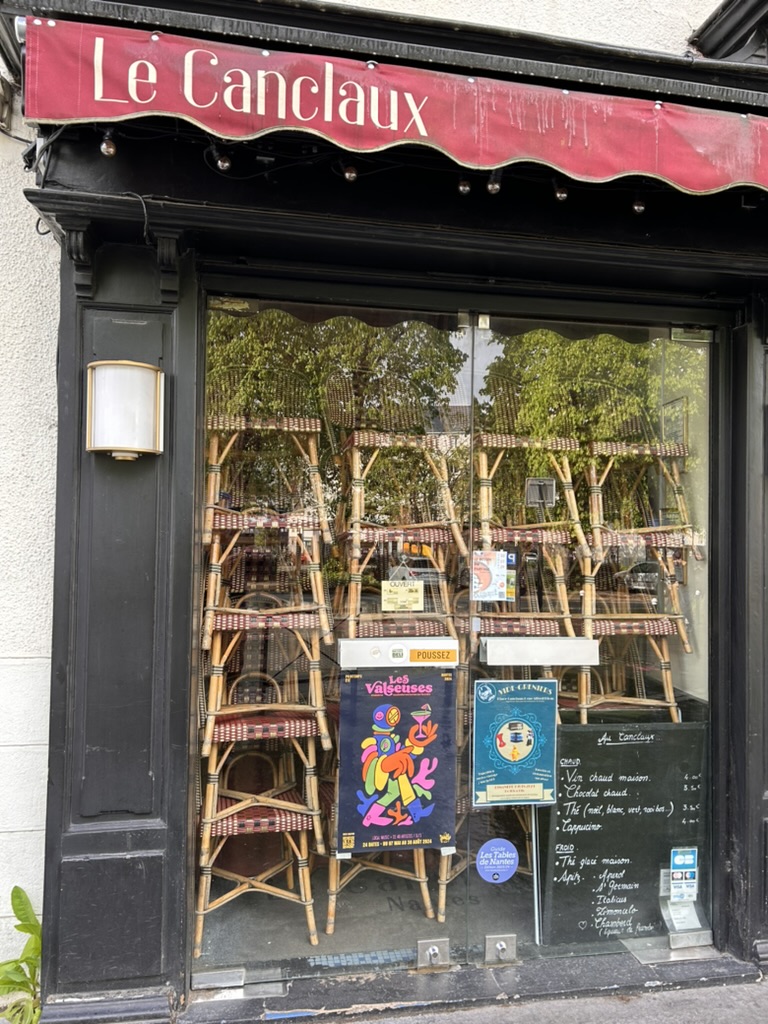
Closed for yet another holiday.