What the Fuck is Chanson, Anyway?
How France’s most poetic genre turns heartbreak into performance—and why it still sounds familiar if you grew up on soul and sad ballads.
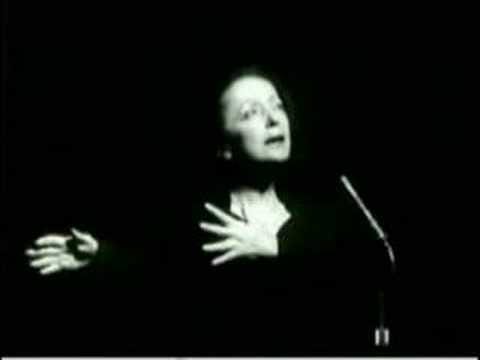
French music didn’t just help me learn the language—it helped me understand the place. Not all at once. It came in fragments: a lyric that made a sentence click, a chorus that explained a joke, a beat that connected to a place, or a connection to my old life, in a good way.
Finding Music
I didn’t go looking for most of it.
It found me—in cars, on the radio, in a boulangerie, through a neighbor’s window. Some I chased, trying to catch bits of languages I didn’t know.
People ask what French music is. Rap, house, disco, chanson, French touch. Or just accordions everywhere—like a mellower, less ironic Weird Al.
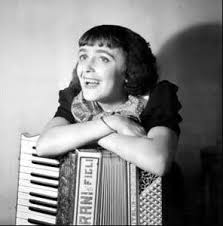
WTF is chanson, then?
“Chanson” literally just means “song,” but in France it signals something more—lyrical, poetic, a little theatrical. In the U.S., we’d probably call it singer-songwriter, maybe cabaret, depending on the mood. In my head, I call it “Leonard Cohen/Joan Baez stuff.”
Sometimes, I do have trouble finding the words…
But it’s slipperier than that.
A chanson is a song.
A singer is a chanteur or chanteuse.
They’re not all downers
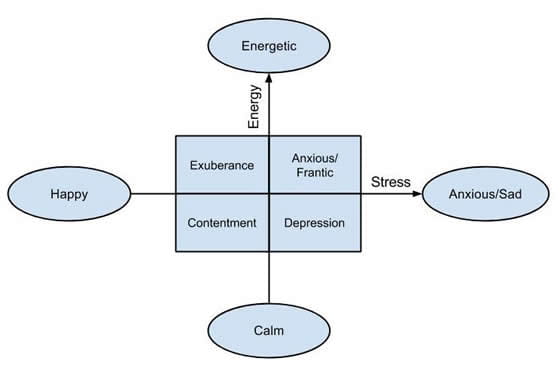
It’s just a lot easier to spot chanson from the heart-wrenching, dying-on-stage kind of Demonstrative Misery end of the chanson spectrum. [ed. oh wow, this needs a chanson chart! Something based on Circumplex Models of Emotional Impact!1
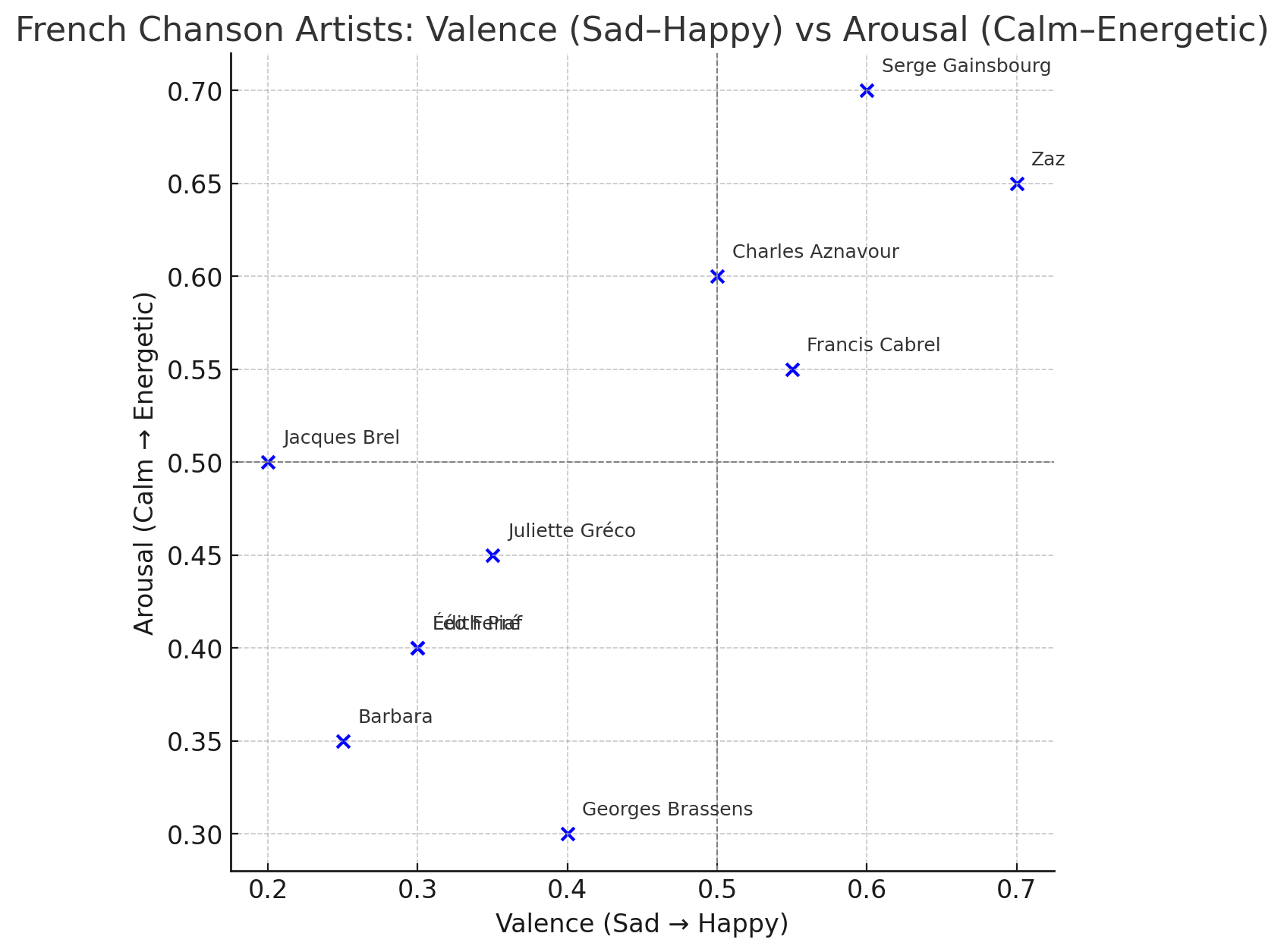
Or not.]
I’ve included a few links to more upbeat Jacque Brel songs below and one of my absolute favorite discoveries, Abdelwahab Doukkali’s 1969 masterpiece Je suis jaloux.
You can just scroll to the bottom for the upbeat ones. Or read on for a selection of beautiful downers.
It’s fun to feel sad sometimes.
so - WTF is a chanson?
Everyone here seems to know what chanson is—
but no one can pin it down.
It slips a label,
rests in a feeling.
You hear emotions before words
La chanson française?
Call it a mood.
A melody with memory,
nostalgic/-a
lyrics that lean in.
Stories sung softly, or not soft at all.
Piano. Guitar. Maybe accordion, melodrama.
Not quite pop, not quite folk.
melodrama. I said it twice.
commitment.
this is definitely chanson
A lot of chanson I’d call “begging songs”—same emotional collapse, just in different language.
Think: soaring vocals, full-body emotional collapse, lyrics like daggers. Serge Lama’s 1973 hit “Je Suis Malade” is basically a meltdown—Pendergrass-level begging, but in French and then in a turtleneck.
So if Jacques Brel sang Teddy Pendergrass in French, yeah, that’d be chanson.
But if Teddy Pendergrass had a cousin who cried into a grand piano and quoted Baudelaire, that might be Serge Lama.
[I’m always waiting for that crescendo, where he really just breaks down completely…]
There are a lot of emotional breakdowns in chanson.
These songs are like singing soap operas.
Brel’s “Ne Me Quitte Pas” is like Otis Redding with an accordion. That cracked, desperate beauty shows up in Pendergrass, Al Green, James Brown too. There are parallels for sure.
Nina Simone’s incomparable version of Ne Me Quitte Pas (in French) from 1965 was a really unusual move for an American artist at the time.
Pride aside. Pain required.
…but not always.
Classic Chanson examples
La Foule - Édith Piaf (1957)
You probably already know Piaf. Even if you don’t, you’ve heard her voice somewhere—grainy, stormy, unmistakable. “La Foule” isn’t her most famous, but it might be her most kinetic. The accordion is breathless, the rhythm a runaway train. It tells the story of being swept away by a crowd and by love, all in the same gasp. Piaf’s chanson is theatrical, rooted in cabaret, but it's also working-class poetry—music of cafés, heartbreaks, and Paris sidewalks. After the war, her voice was France’s. It carried grief, pride, and a bit of reckless hope.
Ne Me Quitte Pas Jacques Brel (1959)
Technically Belgian, but part of the chanson pantheon. This one is the anthem of masochistic love ballads—so sincere it comes back around to being unsettling. The French adore a good tragic spiral, and Brel delivered. His performance is practically a breakdown on stage (the sweat helps that idea along). Chanson here becomes a vehicle for monologue, emotional excavation. No chorus. No relief. Just pain, beautifully arranged. Americans often flinch at this level of unfiltered intensity—but it’s central to the genre.
Je Veux Zaz (2010)
Zaz pulled chanson back into the mainstream with jazz, gypsy swing, and zero emotional breakdowns. [Shoot - she’s skipping through Clingancourt market in this video. Jacques Brel didn’t skip, I’ll bet.] Je Veux is anti-consumerist, pro-joy, and very catchy. Critics argued if it was real chanson or not—but the fact they argued says a lot.
Chanson isn’t static, but it is decidedly sentimental: poetic, proud, lyric-heavy, a little tragic, a little charming.
Nobody really knows what counts as chanson—and that’s kind of the point. It’s less a genre than a feeling. A mood you sing before you understand the words.
American covers
Sadly, I can’t find any French version of songs done by Redding or Al Green, but I think their versions would have been incredible. The closets is Neil Diamond’s.
And I love Neil Diamond.
I don’t care what you have to say about it.
Tell me what you have to say about Neil Diamond! (and the others)
Relevant posts/more to explore
 Keith Christiansen
 Keith Christiansen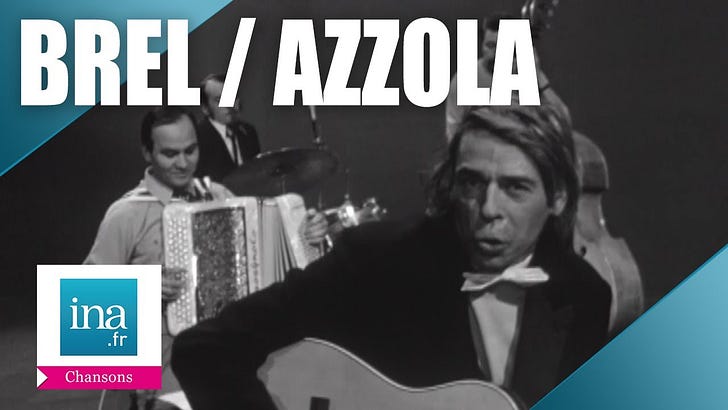
 Keith Christiansen