The seasonality of Cheese in France
There is an incredible amount of locality to French food production and something that seems a bit strange to me is the seasonality of cheese.
I wasn’t so sure, but someone pointed out to me recently just how it was hard to locate mozzarella after tomato season. Yet here we are deep in fall and there is no mozzarella to be found. I’ve looked.
Thanks for reading Keith’s Substack! Subscribe for free to receive new posts and support my work.
The seasonality of cheese is closely tied to the seasonal patterns of milk production itself – and the diet of the animals involved. For instance, French sheep, feeding predominantly on grass pastures during the summer, yield the finest batches of sheep's milk cheeses like Roquefort by the end of summer (July/August). These cheeses are then ready for consumption 90 days later, just in time for Christmas. Conversely, cow's milk cheeses like Beaufort derive their optimal quality from milk collected in the autumn months.
Charles de Gaulle famously said of France “how can anyone govern a country with 246 varieties of cheese?” But that number was low, by quite a lot. France actually has closer to 1,000 different types of cheese, and by some counts, over 1,500. We can’t get into all of them right now.
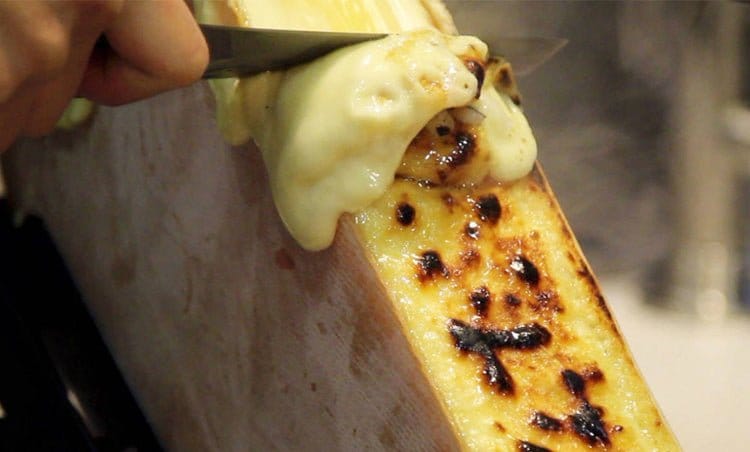
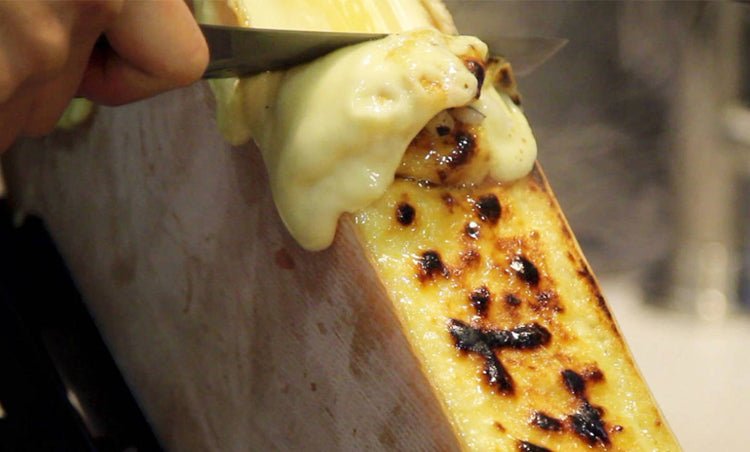
Raclette itself is kind of iconic here and, as a result shows up in all kinds of ways, from beautifully prepared and lightly charred versions to cheap deli options where it is chucked cold onto an otherwise uninteresting sandwich.
As we approach the Christmas season, it is all about raclette, the strong aromatic cheese from the southeast of the country, I think. The milk used to produce raclette cheese comes from cows that graze in the Alpine regions of France, contributing to the unique flavor profile of the cheese. There are a few other varieties, but the classic and most widely recognized raclette is made from cows.
The name "raclette" is derived from the French word "racler," meaning "to scrape," and there is special heater for the cheese (France has a LOT of cheese accessories). “Raclette” refers to the method of melting the cheese and then scraping it onto potatoes, vegetables, sandwiches, or whatever you have. While I really like the cheese, I wonder if you couldn’t do this with other cheeses as well?
It is everywhere these days, with all kinds of offerings of sandwiches, plenty of pre-sliced versions available at the supermarket with various seasonings from black pepper to herbs to spicy. It is raclette season, clearly.
Thanks for reading Keith’s Substack! Subscribe for free to receive new posts and support my work.