The Sacred Rhythm of French Holidays: Les Grandes Vacances
Pretty much all business stops during Summer Vacations in France
Religious observation of non-religious holidays
For a country that claims to not be religious – or at least when banning headscarves at the Olympics or policing swimwear, for example – they have a religious observation of vacation and holidays. There is never a period of more than a few weeks without a day off, a holiday, or some lengthy closure of bistros, bars, boulangeries and every kind of store there is. I am still getting used to it.
As summer comes on, the country slows. At this point in July, the city is quieter, and businesses are closing for weeks on end. Signs reading "Fermé pour vacances!" or congés are everywhere. This is Les Grandes Vacances or just Congés. Even the bistro around the corner that only opened 2-3 months ago is closed for 5 weeks. I guess if there are no customers, there’s not much sense in being open.
August is the most sacred month – if is slows in July, it stops in August.
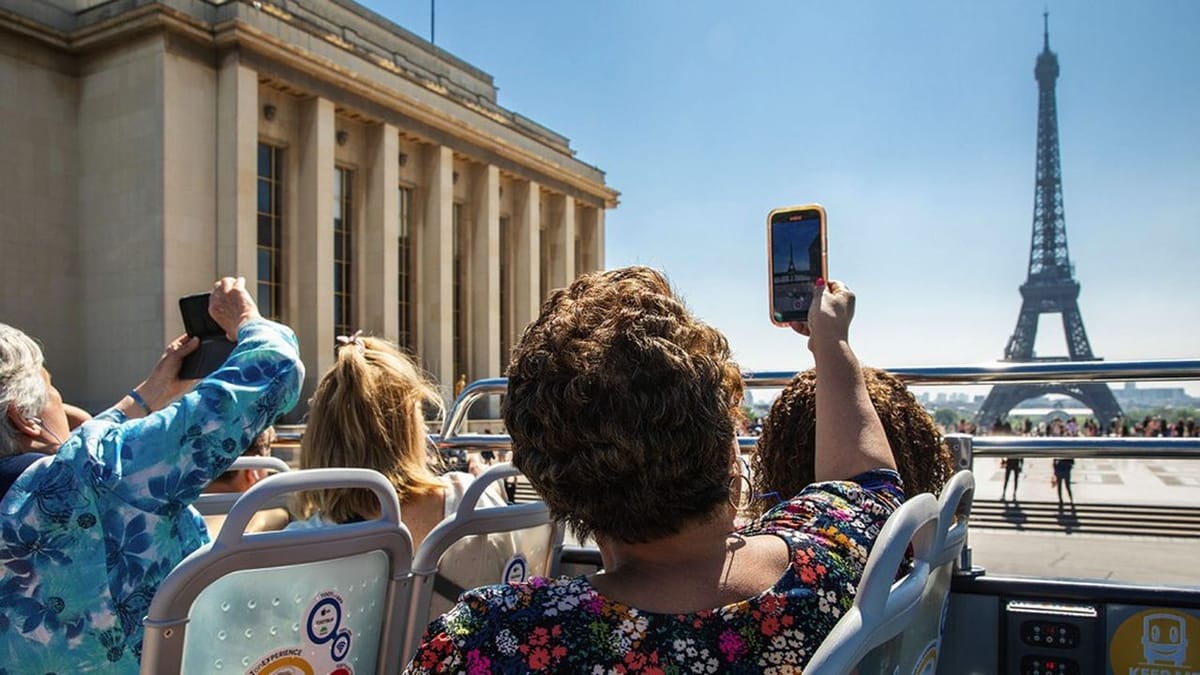
Les Grandes Vacances also coincide with the influx of tourists that peaks in July and August as well. Over 100 million tourists visited France last year, making it the most visited country on the planet.
Vacation Policies and Vacation Zones
French employees enjoy five weeks of paid vacation annually, with an average of 37 days off per year, or 5.2 weeks each year. Public office managers can take 7.4 weeks with farm workers and artisans taking about 4.6 weeks on average. Students have 16 weeks of vacation, including summer ("les grandes vacances"), fall ("les vacances de la Toussaint"), Christmas ("les vacances de Noël"), winter ("les vacances d’hiver"), and spring ("les vacances de printemps") breaks. These are spread over three zones to manage vacation departures.
The traffic can be overwhelming, and roads are often jammed with caravans and RVs headed out to the coast, at least near us.
Since 1964, the government divided France into three vacation zones (A, B, and C) to stagger school holidays and to ease traffic and congestion at popular vacation spots. This was originally with school students, but as families vacation when their children have off from school, it has become the schedule for everyone, to a degree.
· Zone A includes Bordeaux, Lyon, and Grenoble.
· Zone B covers Lille, Marseille, and Strasbourg.
· Zone C covers Paris and Toulouse.
The French have their own vocabulary for all of this.
- Juillettistes - July vacationers
- Aoûtiens - August vacationers
- Vacances - Holidays/Vacation
- Congés - Leave
- Fermeture annuelle - Annual closure
- Embouteillages/Bouchons (“bottlenecks” or “corks”) - Traffic jams
- Journées noires - Black days (peak travel days)
- Saison estivale - Summer season
Come September, "la rentrée" is a return to normalcy and routine after the summer hiatus, especially focused on schools around here.
In summer, it gets a bit trickier for us to figure out which boulangeries are open. While it’s sometimes inconvenient, almost anything more than that is a lost cause. We had friends who needed to fix something a sink at their house and they were in a frenzy trying to find anyone to come by before the end of July. Last I heard, they couldn’t - and they weren’t surprised.
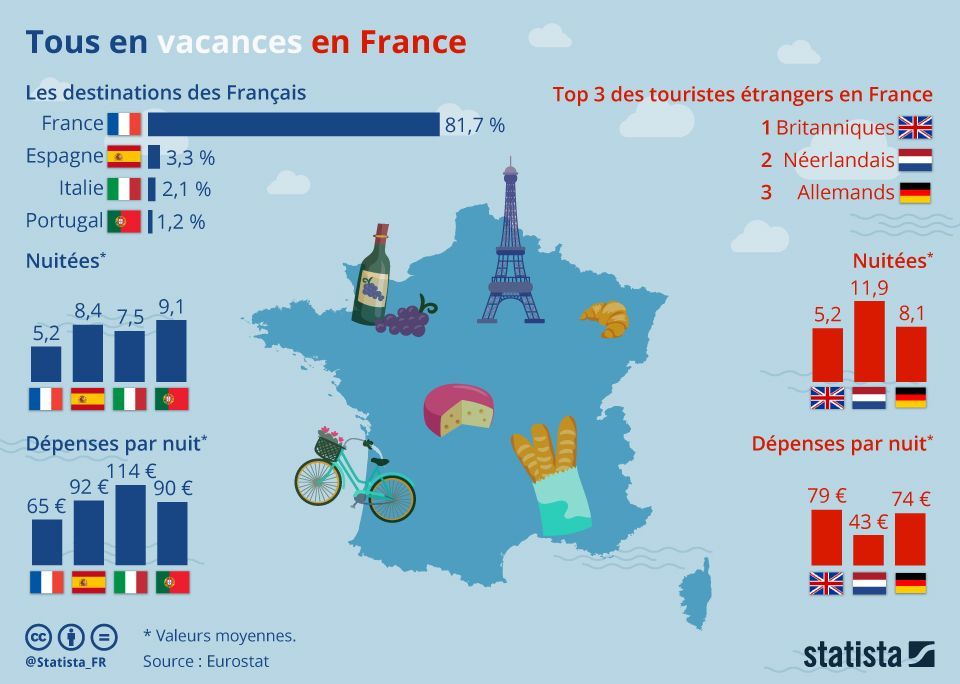
Vacation is mostly domestic
Over 80% of French people only vacation within France, compared to 60-62% of Americans that only vacation within the United States. Considering that France is a smaller country with so many others countries nearby, the difference is impressive.
In the past, a large part of the population would travel to the South for their holidays via the main road winding from Paris to Provence. This road is a bit iconic inspiring the song Route National 7 by Charles Trenet, also known for La Mer, which was translated into Bobby Darin’s Beyond the Sea.
Bison Futé, the government’s traffic monitoring site, classifies almost all routes out of Paris as orange (difficult) between July 14th and August 15th. It’s very precise: the journées noires are July 11th, August 1st, and 8th for departures, and August 22nd and 29th for returns.
In short, don’t expect to get anything done in August and don’t plan to go anywhere fast. However, if you can slow down, it’s actually very pleasant.