The Ragondin & Other Wildlife of France
With recipes and serving suggestions
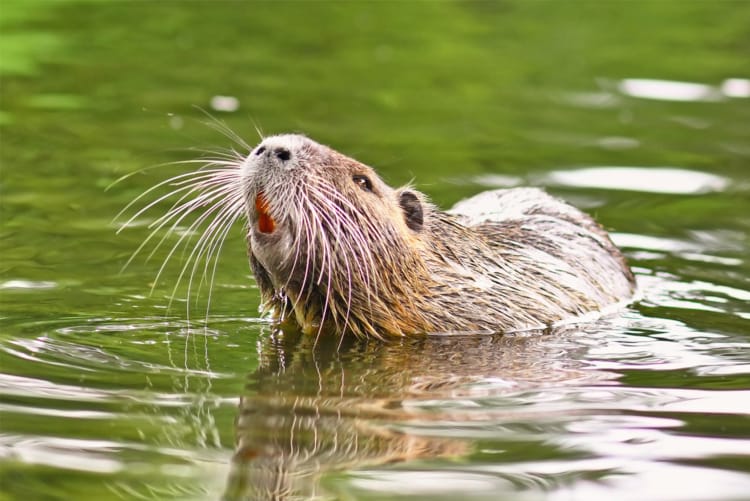
France is full of surprises, but I didn’t expect one of them to be giant rat creatures roaming the countryside. Meet the ragondin (rah-gon-DAN - send that last N through your nose), a South American import turned invasive species that has taken over rivers, drainage ditches, and even compost piles across the country. Originally introduced for its fur, this oversized rodent—also known as coypu or nutria—has bred its way into every corner of France, despite efforts to control its population. With webbed feet, thick layers of fur, and unmistakable orange teeth, it’s somewhere between a beaver and an overgrown rat, depending on how generous you’re feeling. And in true French fashion, some people cook them.
We have some in the parks by us. They’re kind of cute. But these are Rodents of Unusual Size.
When we first came to France, we were house sitting in some remote places in the country. The countryside is quite different – and much quieter – than the city. And even cities like Nantes are already very quiet at night, depending on where you go.
While they are in almost every part of France now, they’ve made homes in many of the drainage ditches that line roads and any bit of water large enough to support them. It doesn’t have to be water, either, as we found one had moved into a compost pile during the winter at the house we were watching while there seemed to be one getting run over on the roads nearby every few days. And they’re big: adults can reach 16 to 17 kg (35 to 37 pounds).
Thanks for reading Keith’s Substack! Subscribe for free to receive new posts and support my work.

They’re a bit cute, if you like rodents. It looks like an oversized rat or a beaver, but with thin hairless tail, so as cute as giant rats. They have really thick fur in three layers: long three-inch guard hairs, a coarser mid-layer of darkish brown, and a soft, dense grey underlayer known as “the nutria fur.” It’s the last one that they were raised for. They also have webbed back feet, and kind of scary-looking large orange front teeth.
And France is just full of them. They breed really quickly, have litters of 10-15 and those young ones can get pregnant within 3-6 months. Ragondins are just considered a nuisance now, but with over 100 years to breed, they’ve made France their home.
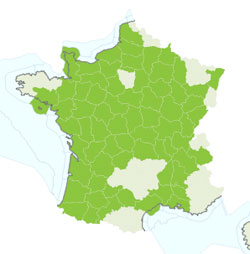
The green on the map below shows where they are an invasive problem in the country. The green covers almost the entire country.
How it started
The coypu, or nutria, or "ragondin" in France, was introduced from South America for its fur in the 19th century. It goes by a lot of names: sometimes just called a large river rat, but also a marsh beaver, American otter, myopotamus, marsh hare, march rabbit, racconda, etc. I am sure that there are more, but most people seem to know what a ragondin is when you say it.
A man named Pays-Mellier first raised ragondin and an assortment of South American fruits in a town called Indre-et-Loire about 2 hours west of our city. The site is now a public park. Mr. Pays-Mellier received some accolades at the time from la Société Nationale d’Acclimiatation de la France for introducing a profitable and productive new animal to France. The Societé seems to have been focused especially on raising foreign species in the country. Pays-Mellier bred them and wrote a few articles about it in the 1880s and by the 1890s, there were frequent articles in the Societé’s publication. There was good money in marsh beaver.
Initially they were quite valued, but the industry peaked in the 1920s and 1930s, when advertisements and articles could be seen promoting coypu farming. When the market dropped off, farmers just released them into the wild where they became invasive, damaging ecosystems and farms due to their burrowing and feeding habits.
Out in the country, there always seem to be random hunting groups stomping around in bright orange vests hunting both rangodin and wild boar. We just saw another group out last weekend about 5 miles outside of the city. Efforts to control their numbers include trapping and offering hunters bounties for tails, which I assume means a dead rodent. Considering that the bounty can be as little €2 each, there must be a lot of them. In recent years, some places are offering as much as €5 each, which may be what’s bringing the hunters out.

Nutria – What’s for dinner?
It's surprising that there aren’t many recipes around for them. This country seems to eat any animal, and any part of an animal, that stands around long enough. I’ve found a few and people describe them as pretty delicious, if you’re into rabbit, at least.

La Cuisine des Mousquetaires (1983–1997) was a beloved French cooking show on FR3, featuring the unforgettable duo of Maïté Ordonez and Micheline Banzet-Lawton. Maïté, a larger-than-life Gascon cook, brought hearty, rustic energy to the kitchen, while Micheline, a refined journalist and radio producer, balanced things out—sort of. Their chemistry, plus a no-nonsense approach to regional, old-school French cuisine, made them household names.
The show was called "La Cuisine des Mousquetaires" ("The Musketeers' Kitchen") as a nod to Gascony, the southwestern region of France famous for its hearty cuisine—and, of course, for being the homeland of D'Artagnan, the most famous of The Three Musketeers.
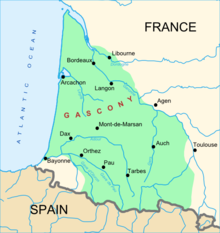
Maïté, the show’s star, was from Gascony and embodied the bold, larger-than-life spirit often associated with the musketeers. The name fit perfectly: the show was all about big, rustic meals, traditional French cooking, and a no-nonsense, adventurous approach to food.
Every French person I know seems to have grown up watching them, and for good reason: there were not a lot of channels they cooked everything—from wild game to eel, and yes, even ragondin (a.k.a. giant swamp rat). In a 1994 episode, they prepared it two ways: as a civet (stew) and a terrine.
Some videos for preparation and dining
These ladies make a gruesomely compelling ragondin flambé video with a rifle decorating their kitchen.
This video shows how adorable they can be before interviewing a man who raises them and then offering recipes before putting a family through a “Guess the Meat?” kind of surprise rat creature dinner.
In the end, no one guessed what it was and they didn’t seem too thrilled to find out what they’d just eaten.
If I see some of it offered at my local butcher, I am definitely picking it up.
Thanks for reading Keith’s Substack! Subscribe for free to receive new posts and support my work.