The French 75: A Cocktail with a Kick
From Wartime Artillery to Parisian Elegance and American Prohibition
The French 75 is one of my personal favorite cocktails, though I tend to go lighter on the gin. It’s basically a Tom Collins with Champagne and I likely had my first one when I was underage in the US, using the only soda ever left in the cases we had delivered to the house: No-Cal, a Fanta knockoff, and the Tom Collins mix. I stole some gin out of my parent’s liquor cabinet - also not a favorite - and found out what the drink was called later.
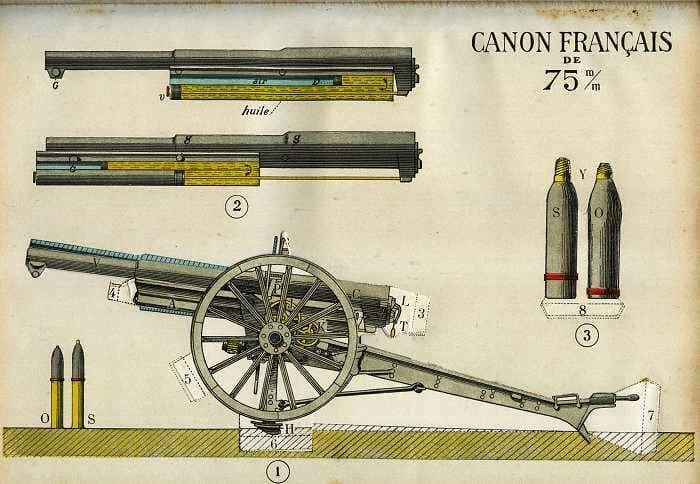
Since then, I’ve had much better versions. When the drink was first created, it was seen as incredibly sophisticated. Named after a WWI field gun, it was first recorded by Harry himself of Harry’s New York Bar in Paris.
The French 75 is named after the powerful French 75mm field gun and for the its "explosive" kick. The 75 ("Soixante-Quinze") was the first rapid fire artillery, delivering 15–30 shells per minute, depending on the crew, as its recoil mechanism allowed devastating barrages of everything from shrapnel to explosives to poison gas.
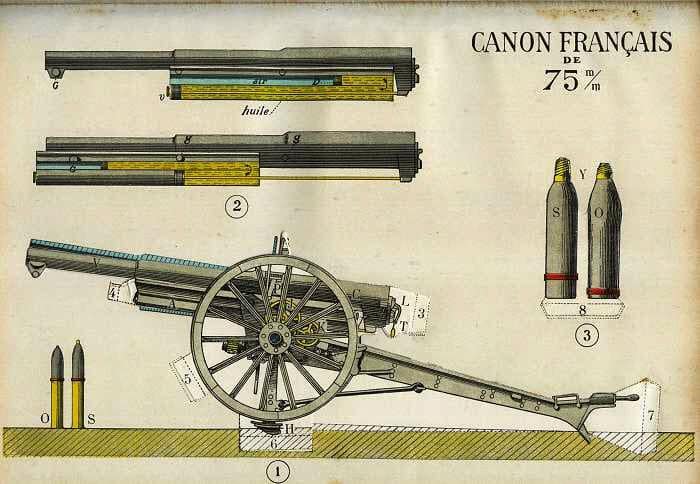
Created around 1915, the French 75 combines gin, champagne, lemon juice, and sugar: a little French luxury with a shot of wartime patriotism.
A Brandy French 75 replaces gin with Cognac and it is a more popular version today.
A bit of music.
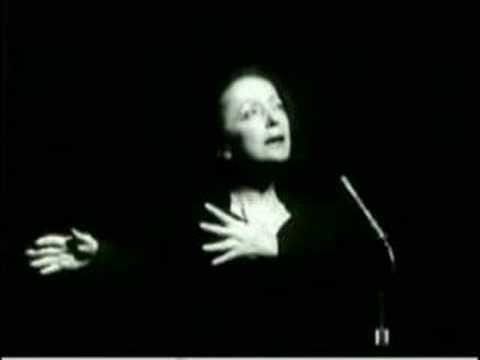
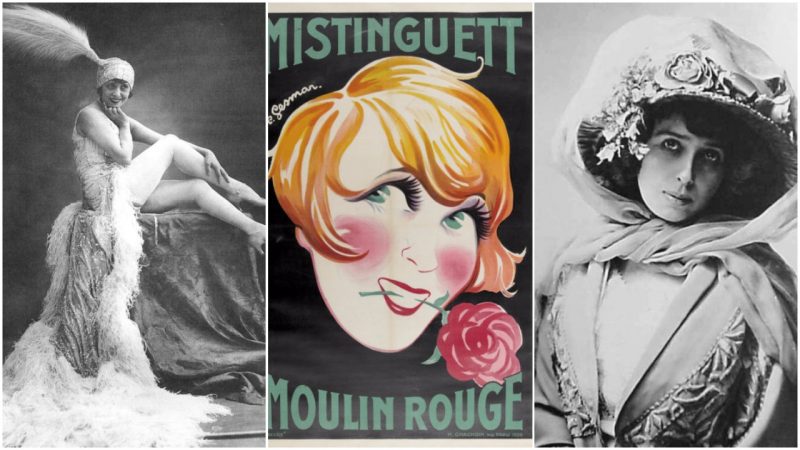
This is also the era of Mistinguett (1875–1956), a hugely popular performer often described as lacking a remarkable voice, being an average dancer, and “not exceptionally beautiful” by multiple sources.
Despite the critiques, Mistinguett, born Jeanne Florentine Bourgeois, was the highest-paid female entertainer in the world in the 1920s and 1930s. In 1919, she insured her legs for 500,000 francs (€1.5-2m in today’s money). Her stage name, "Mistinguett," is from an old term for ‘a flirtatious, and charming young woman.’
Mistinguett, “Ça, C’est Paris” - 1927
A great glimpse into the era, even with some odd animations.
Harry’s Becomes Harry’s
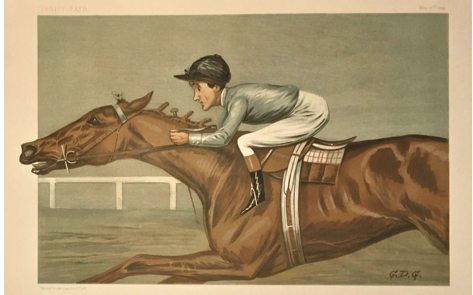
Harry’s New York Bar is said to be Europe’s oldest cocktail bar, at least by the people at Harry’s. In 1911, American jockey Tod Sloan had a bar dismantled from Manhattan’s 7th Avenue and shipped over to Paris, where it was rebuilt on rue Daunou. It remains a classic spot for a Gibson or Manhattan, which remain rarities over here.
The Gibson, incidentally, was invented at The Player’s Club in Manhattan in the 1890s, where cocktails remain dangerously good.
As a jockey, Sloan was a famous for the “monkey crouch” style of jockeying, which changed the sport. His bizarre style made him famous in 1897 when he started winning races there. But in 1900, the British Jockey Club declined his racing license over suspicion of fixing and betting on his own races, ending his short career in the UK.
His ban was upheld by American authorities, preventing him from competing there too. This may be the reason he got into other ventures, like moving bars between countries.
The New York Bar was eventually bought by Scottish bartender Harry MacElhone and the name remained.
vintage cocktail guides
The French 75 first appears in Harry’s own 1924 bartending book, The ABC of Mixing Cocktails. In addition to the recipes, there are some good articles in the forward: “Your Glass of Wine” and “Results of Prohibition in U.S.A. in 1923” stand out. You can check the link or download them below.
There was a general belief (among many men in that era), that women were the reason for Prohibition in the US. The confusion is understandable as White women won the right to vote in August 1919 and Prohibition was passed in January 1920, but it’s not true: women as a voting bloc were diverse in their opinions: many women agreed – or didn’t agree - with Prohibition.
[A bit unrelated, but here’s a story about how women used cookbooks to win the vote. ]
Temperance in the U.S. was framed as a moral crusade, but it was the culture war of its day. It seemed more focused on social control as cities grew more crowded and factory work became systematized. After all, Saloons were not just places to drink—they were cheap places for social connection, sometimes used for political organization, just like in France and the UK, making them a target for temperance advocates.
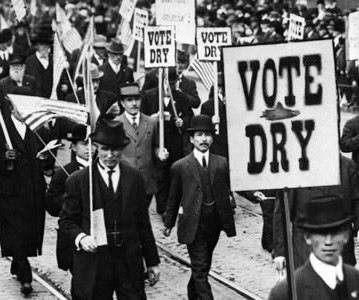
Prohibition was also enacted in countries like Canada, Norway, and Iceland (where beer remained illegal until 1989 – it was seen as too “Danish”), among others.
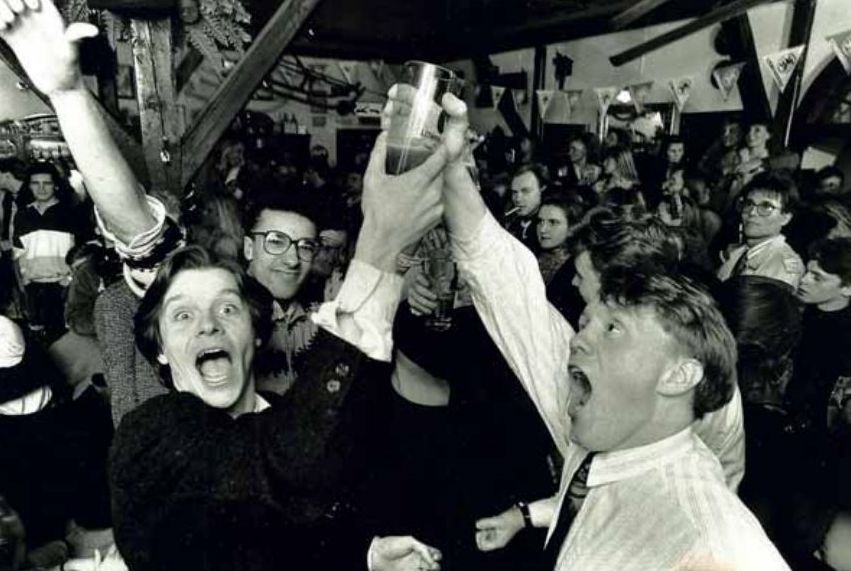
While other nations passed similar laws, few matched the theatrical defiance seen in America, where bootlegging, speakeasies, and organized crime flourished with Prohibition.
It was a great era for cocktails.
Vintage Guides
All of the recipes are from Prohibition-era cocktail guides below. There are downloads below.
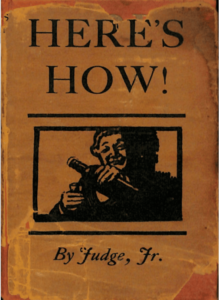
Here’s How by Judge Jr., published in New York in 1927
Harry’s ABC of Mixing Cocktails by Harry MacElhone - listed as “Harry of Ciro’s,” a bar he had worked at in London. I love the ads.
Recipes
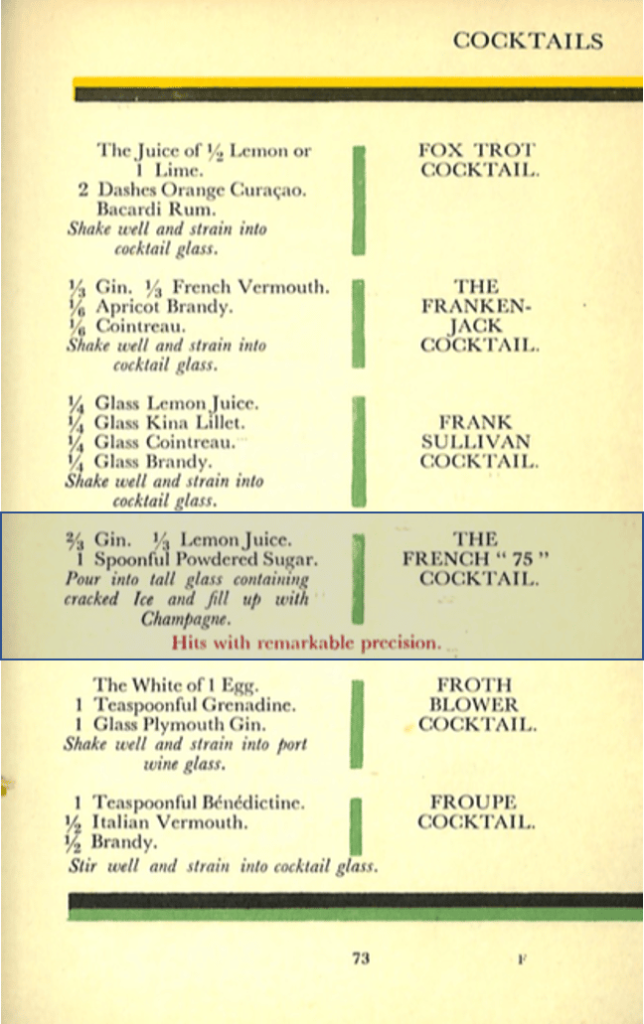
French 75 (1927 version)
- 2 jiggers of Gordon water (3 oz.)
- 1 part lemon juice (1 oz.)
- A spoonful of powdered sugar
- Cracked ice
- Topped with champagne to fill the glass
- “Gordon water” was a Prohibition-era term for Gordon's Gin, even though other alcohols are mentioned by name.
Punxsutawney Cooler
- 2 heaping tablespoons of vanilla ice cream
- Stir until creamy
- Add 1 jigger of Gordon water
- Fill the highball glass with ginger ale
- Punxsutawney, yes from the American tradition of Groundhog Day.
Swiss Itch ("Guaranteed to go down with the ease of an elevator")
- A pinch of salt on the back of the right hand
- A small glass of Gordon water (gin)
- Half a lemon held in the same hand
How to Drink:
Lick the salt
Drink the gin
Suck the lemon
So basically, this is how tequila is drunk now at frat parties and Sandals resorts.
Downloads of Vintage Cocktail books
Let’s stay in touch
If this post made you laugh (smile, even?), think, or maybe see something surprising, please come back and check out other stories.
Know someone who’d be interested? Forward this to them!
Subscribing to Finding Home Elsewhere gives you more stories, more insights, and more shared moments from people and places making home abroad.
I’d love to have more people reading and sharing some odd and interesting things. Help me to grow and keep writing!
Thanks!
Keith