The Invasive Edges Where Familiar Things Grow
Foraging in France, Figs, feral margins, and the forgotten fruits of spring
In France, there are an increasing number of wild spaces, but the country is still mostly partitioned into very controlled natural spaces. Our old neighborhood had blocks and blocks of Very Square Trees that had a lot of work put into them to keep them that way. But this country has been divided up, cultivated, owned, worked, and more for hundreds of years on end. There are beautiful green spaces, but still so many of them are cut into farming squares, divided by roads, etc. They are settled or they have been settled. Then resettled, then abandoned and resettled again
The idea of “wild” plants isn’t so clear - and it wasn’t in the US either, but there are more spaces where plants have been left to develop communities amongst themselves.
Foraging here isn’t about untouched wilderness. It’s about odd little spaces in between, what grows on walls, in disturbed land, old edges, forgotten corners.
And there are a lot of those.
This post is about feral figs (unripe and green ones), some other wild greens and yet another spring greens soup.
As nice as the French one is, I like borscht better.
k
Food, culture, and, well, me. I’ll try to keep it interesting.
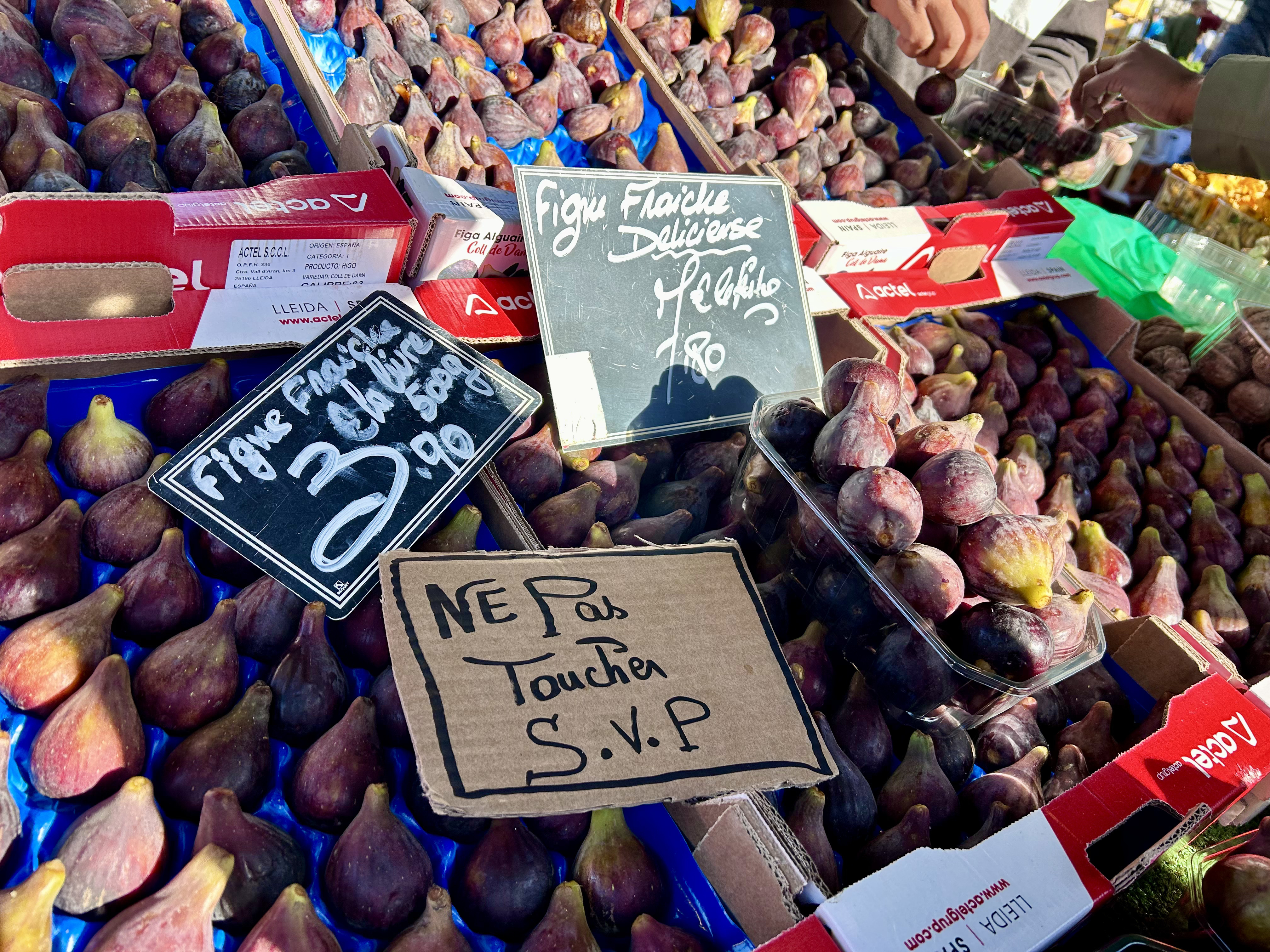
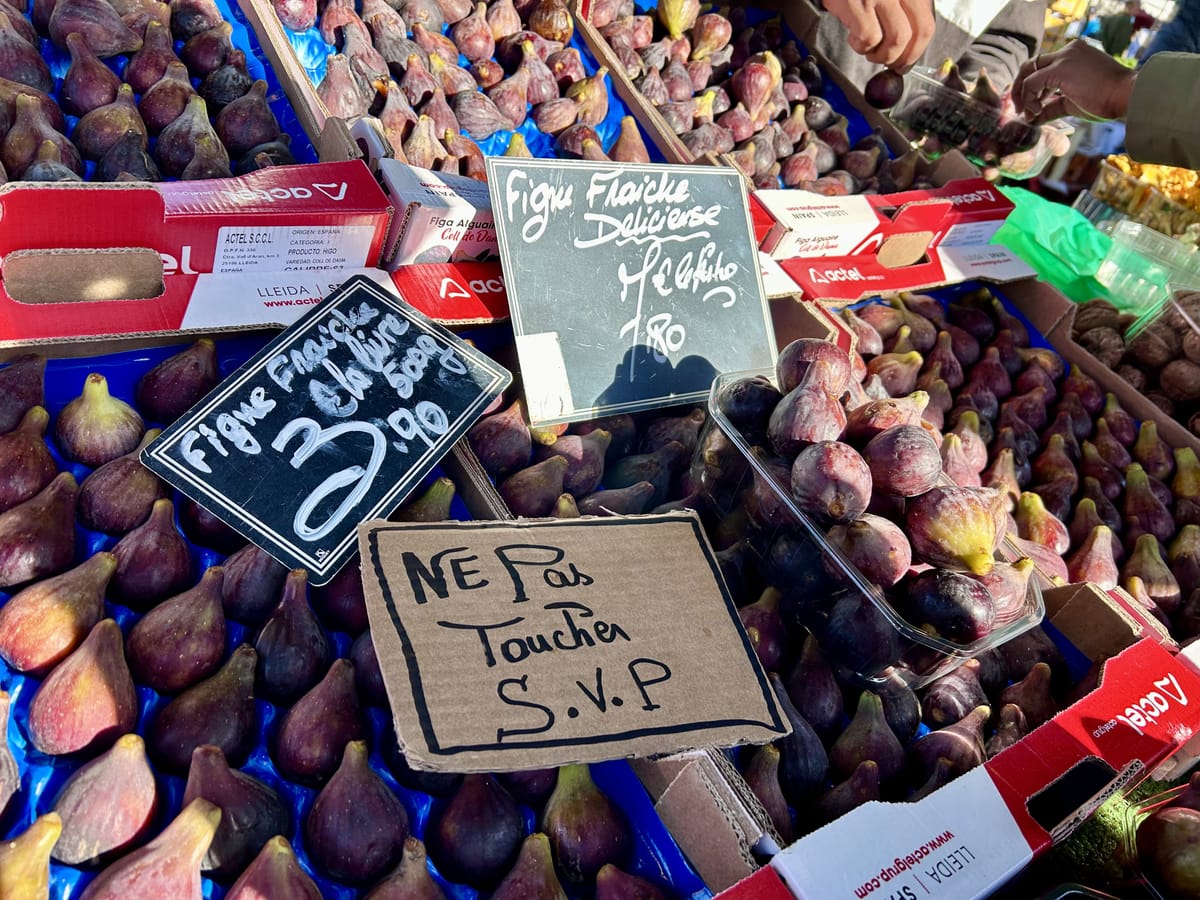
Ingredient: Wild green figs (Ficus carica, unripe, from feral or neglected trees)
Recipe: Green Fig Confiture with Thyme
This is one I’ve done at home and found it more flexible for my cooking, for savory dishes, and so on.
Green figs (750g)
White wine (1.5L, something floral like Gewürztraminer)
Cider vinegar (1.5L)
Sugar (100g)
Honey (100g)
1 lemon, sliced
1 tbsp coriander seeds
6 peppercorns
3 bay leaves (I personally like more but they can overwhelm it)
Remove latex from green figs. This is a process (see below).
Bring everything but the figs to a boil. Simmer. Add figs. Cook until tender but not mushy.
Jar and seal as normal.
i like to let it sit for at least a day for flavor to meld. A week is ideal.
Okay - much more about all of this below, but I hate searching for recipes.
K
Going Feral
The Margins
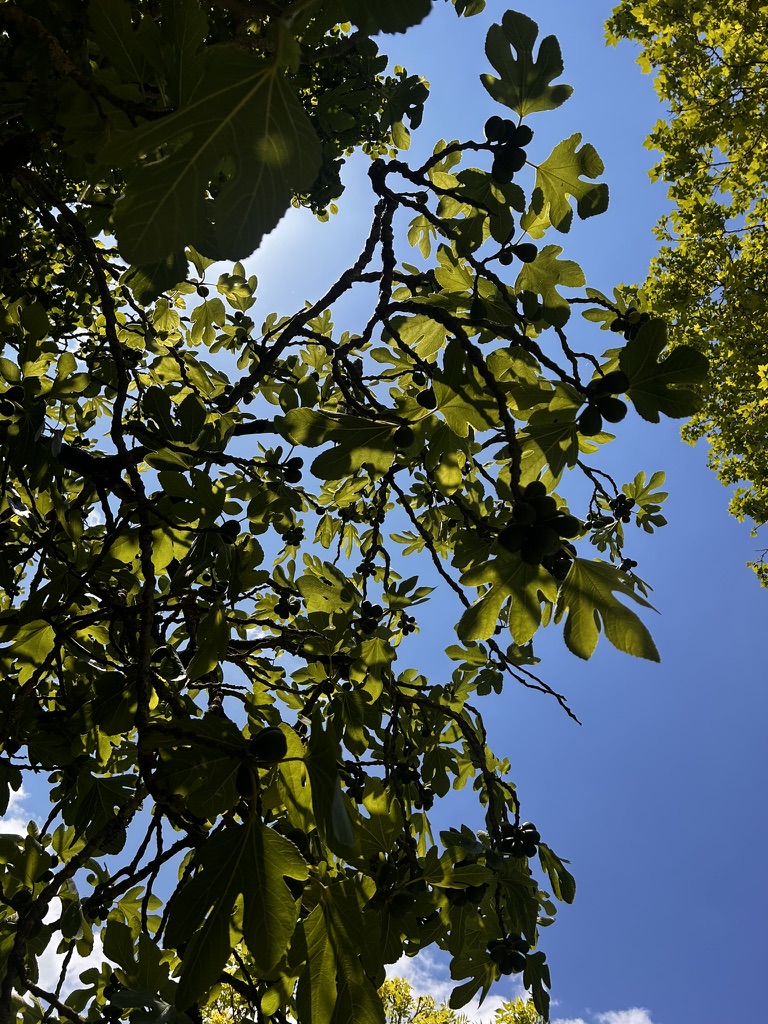
There’s a huge fig tree I bike past a few times a week. It’s laden with figs at the moment and something tells me it will be a lot easier to harvest now than in the summer.
Nobody planted this here on purpose.
It’s feral, not really wild, growing out from an old pile of WWI-looking concrete blocks dumped there decades ago to shore up the river’s edge.
People have cultivated the fig for over 10,000 years. this one remembers being cultivated, once.
France, for all its tidy hedgerows and parceled fields, is more half-wild than it seems. Brambles creep back. Figs sprout under benches. Pokeweed grows from storm drains. Hedges lean into road signs.
Eat stuff you find on the side of the road.
Of course, there’s also always someone mowing, someone in hi-vis with a débroussailleuse. But less than before. Budgets shrink. Ecological thinking creeps in. The edges are softening.
And in those loosened places—canal paths, unnamed and uncertain places you find rewilded. Elderberries in gravel. Strawberries in flood ditches. Blackberries on a slow-motion rampage.
It’s not random. These plants hold memory.
A walnut near a towpath marks an old homestead. Jerusalem artichokes in a ditch speak of a forgotten garden. What looks like overgrowth is a kind of recordkeeping, if you know how to read it.
In the U.S., it’s more binary: wilderness or lawn, foraged or sprayed. France is messier. Out here, you eat what someone else planted decades ago - or the birds did.
It’s not wild. But it’s not managed either. It’s what remains when cultivation lets go but doesn’t vanish.
Green Figs and Other Spring Things
Spring in the Loire doesn’t perform. It unfolds. Markets smell like mint and strawberries. Fig trees are fruiting heavily—weeks ahead of their Brooklyn counterparts even though we’re much further north.
Most people ignore them until August. But they’re here now, clinging to the shore, tart and tannic. Ready if you are.
It’s amazing seeing wild figs all over the landscape here - in Brooklyn, we babied ours. There’s a hybrid called the Brooklyn fig, bred for the borough’s schizophrenic climate. Still, frost would knock them out. Some never came back.
as the figs get heavier and the branches bend more down to the river, most of them will be out of reach, which is why I am thinking of getting some of them soon the plant has hundreds I don’t need that many
Edges, Not Wilderness
Most foraging isn’t what I once imagined. A lot of it is about finding a familiar plant in a familiar place.
We’re not deep in the wild, surviving on mushrooms and intuition. No, most of the edible plants we find grow in these half-forgotten, in-between places—canal paths, roadside verges, the peripheries of villages.
Disturbed land is where plants stake claims. Eight feet in from any trail, it’s usually the invasives who move in first. The opportunists. This is how nature responds to interruption: by letting the fast and scrappy thrive.
A lot of this was explained better than I can in The Secret Life of Trees. Worth a read.
Even here in France, where land feels endlessly parceled and pruned, you find plants that no one’s touching. Berries fattening on English hedgerows. Baking apples littering the grass. Figs dangling, ignored.
Brooklyn figs
Green figs are no one's first pick. But in Brooklyn, where ripe ones were precious, we used every last one.
It was usually what was left behind in October, so we got into the habit of using them then . Green fig jam was a great backup plan and people would always let us take their unripe figs.
Plue, every year, someone would steal from the school garden—clear out all the ripe figs in one go. I am sure it was usually other gardeners. You still had to pretend it was a mysterious thief.
Brooklyn kids stealing figs. Yep, that must have been it.
So we made jam from green ones. Kids picked them off the tree they’d grown from cuttings, sulking over what was gone.
Then they stirred them in big pots with sugar and lemon and lots of cafeteria juice boxes, turning the loss into something delicious.
I still like green fig jam.
For any recipe with green figs, remove as much of the latex as you can.
Not that kind of latex
Start with at least 2 quarts of unripe figs—about 75–80.
Before anything else, you need to get rid of the latex.
Some recipes seem to skip this, but you’ll end up with a bitter, sticky mess. Some folks think they’re poisonous raw (I’ve seen this in French comments much more than English ones), but I think it’s juts because eating latex can cause some stomach upset.
And yet it’s easy to deal with, even if it sounds complicated
Here’s how:
- Puncture each fig once or twice with a toothpick or small knife. You can poke the bottom with a knife of make a small X.
- Leave to soak in water for a while, change the water, then boil 10 minutesDrain.
- Repeat the boiling and draining 2-3 times .
- Wash the pot right after—it’s easier before the sap hardens.
- Gloves help. That sap sucks.
Now your figs are soft, mellow, and ready to preserve.
Kid-Approved Green Fig Confiture (No Wine, No Wasps)
A sweet, sticky preserve made from unripe figs that even small hands can help make—with adult supervision, of course.
Ingredients:
- 750g small green figs (unripe, firm)
- 1.5L apple juice (for gentle sweetness and acidity – and because there’s endless apple juice in middle schools)
- 1.5L apple cider vinegar (or half cider vinegar, half water for milder tang, or just even more apple juice)
- 150g sugar
- 100g honey or more sugar
- 1 lemon, sliced into rounds, or chunks you might eat later
- Optional: 1 cinnamon stick or a few cloves (if your kids like spice)
Recipe: Potage Germiny (Cream of Sorrel Soup)
Sorrel, butter, onion. Simmer with broth. Thicken with yolk and cream. Bright and comforting, like a spring coat.
The French one is a bit much for me, with about a dozen egg yolks. I prefer the borscht version with sorrel, stinging nettles and orach (wild spinach, mountain spinach it’s got. A lot of names. a wild amaranth I see all over here & in NYC). You can drop an egg in it before serving, if you’re into it.
If you look for it, you’ll find variations of this recipe all over Europe.
Some folks confused sorrel with wood sorrel, just basedon the names. Unrelated plants, but all edible.
Why Green Figs Sting: A Sticky Defense
The latex in green figs is a milky white sap called fig latex, and it’s no accident—it’s chemical strategy. This stuff is caustic. It can irritate your skin, sting your eyes, and make your lips tingle. I can’t stand it.
So why do figs make it?
Because they’re soft. Vulnerable. Sugary sacks dangling off a tree. Without a line of defense, they’d be devoured by insects, bored goats, curious humans. I never realized it because of my own associations with latex (gloves, etc.) that latex is the plants defensive mechanism and a lot of people, yself included, are very allergic to it.
Biochemically, the latex is full of proteolytic enzymes like ficin, which break down proteins. In other words, it digests. These enzymes are part of why fig sap burns—it’s trying to break down your skin cells the way it might deter a caterpillar or beetle.
It’s also how it eats the wasps that fertilize it.
No glove, no love.
There is a lot of latex in unripe figs, which will make them more bitter to eat.. Once the fig ripens, the latex production slows, the sugars take over.
So yes, when you pick green figs, the latex will sting. Wear gloves.
Big Fig Wasp King Gizzard & The Lizard Wizard
Big Fig Wasp by King Gizzard & the Lizard Wizard is a psych-rock song that is actually a bit about symbiotic relationship between figs and the wasps that fertilize them. (There are not a lot of those.)
Gritty guitars and spiraling rhythms echo the natural violence and intimacy of that process. It’s weirdly perfect background music for a jam-making session involving latex-sticky fingers and feral fruit.
Has anyone ever made this?
I love it. It’s been one of my favorite surprise recipes and isn’t as much of a pain as it might sound.
Green figs were a real discovery for me. Got one to share?
K
Other stuff
Cream of Sorrel Soup (Potage Germiny)
A classic French soup that showcases the bright flavor of sorrel.
Ingredients:
- 2 cups fresh sorrel leaves, washed and chopped
- 2 tbsp butter
- 1 small onion, finely chopped
- 2 cups chicken or vegetable broth
- 1/2 cup heavy cream
- 2 egg yolks
- Salt and pepper to taste
Instructions:
- In a saucepan, melt the butter over medium heat.
- Add the onion and cook until translucent.
- Add the sorrel and cook until wilted.
- Pour in the broth and bring to a simmer.
- In a separate bowl, whisk the egg yolks with the cream.
- Gradually add a ladle of the hot soup to the egg mixture, whisking constantly.
- Slowly pour the tempered egg mixture back into the soup, stirring continuously.
- Heat gently until the soup thickens slightly, but do not boil.
- Season with salt and pepper, and serve warm.
I Wanna Be Somebody W.A.S.P (1984)
W.A.S.P. never officially stood for anything, but if you were a teenager in the '80s, you probably heard that it stood for We Are Sexual Perverts. The improbably named frontman, Blackie Lawless (yes, he played with the New York Dolls) offered no clear answers and let the myth do its job. Other guesses floated over the years: White Anglo Saxon Protestants (natch), We Are Satan’s Preachers, We All Smoke Pot, We Ain’t Sure, Pal, and so on…
People didn’t dwell on it - apparently, he’s become much more socially conscious in his lyrics later on, after having early shows featuring throwing raw meat at the audience and flaming codpieces. They’re still touring.