The Distance from America, Measured in Headlines
From France to England, revisiting the decision not to return to the U.S.—and what’s changed since
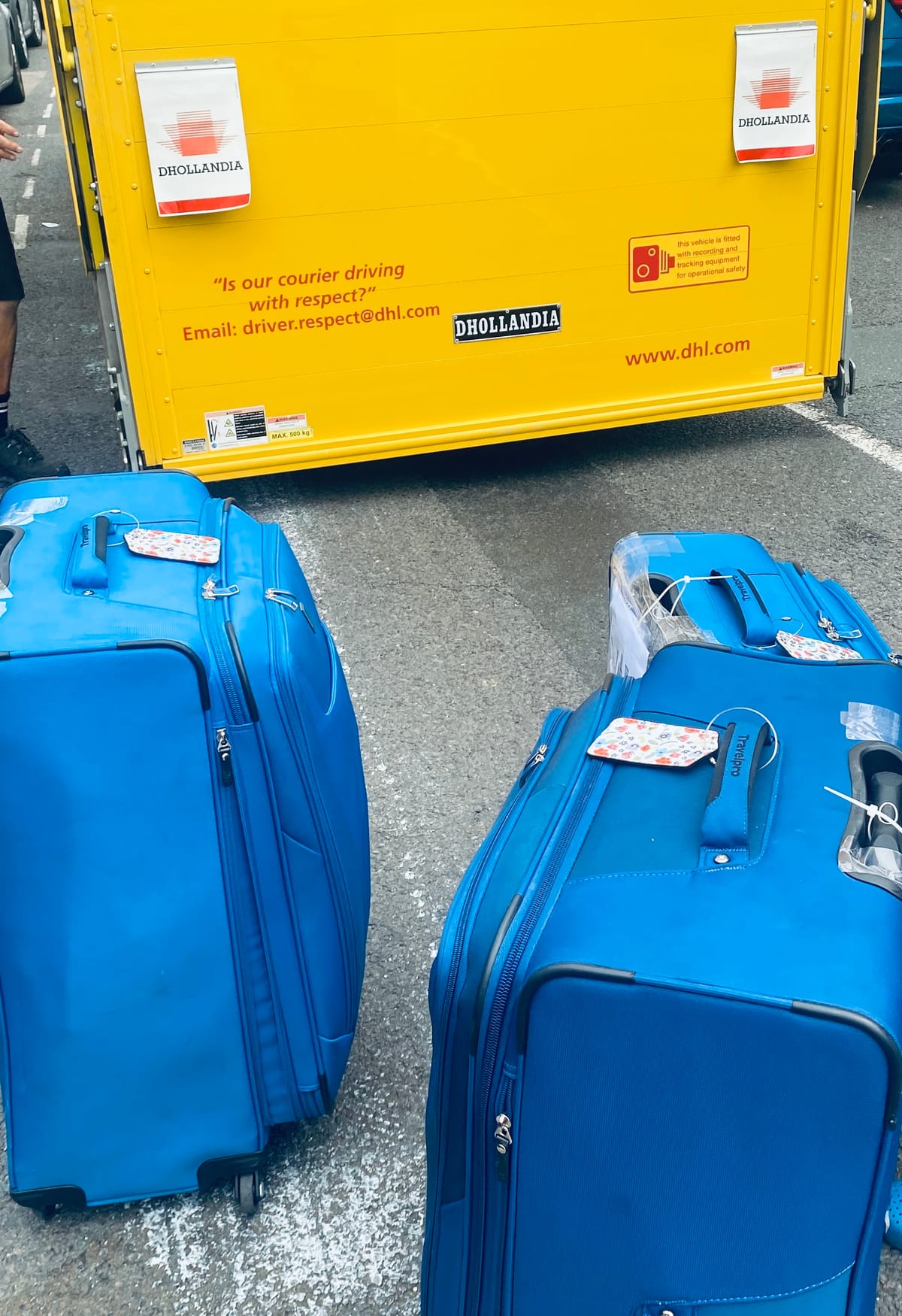
I’m writing this from London, a place we’ve been visiting for over twenty years. It’s strange to feel at home in multiple places, even stranger to feel that kind of familiarity layered with distance. Revisiting this old post from two years ago, about not going back to America, felt timely.
Pip pip.
Cheerio.
K
Familiar Streets, New Coordinates
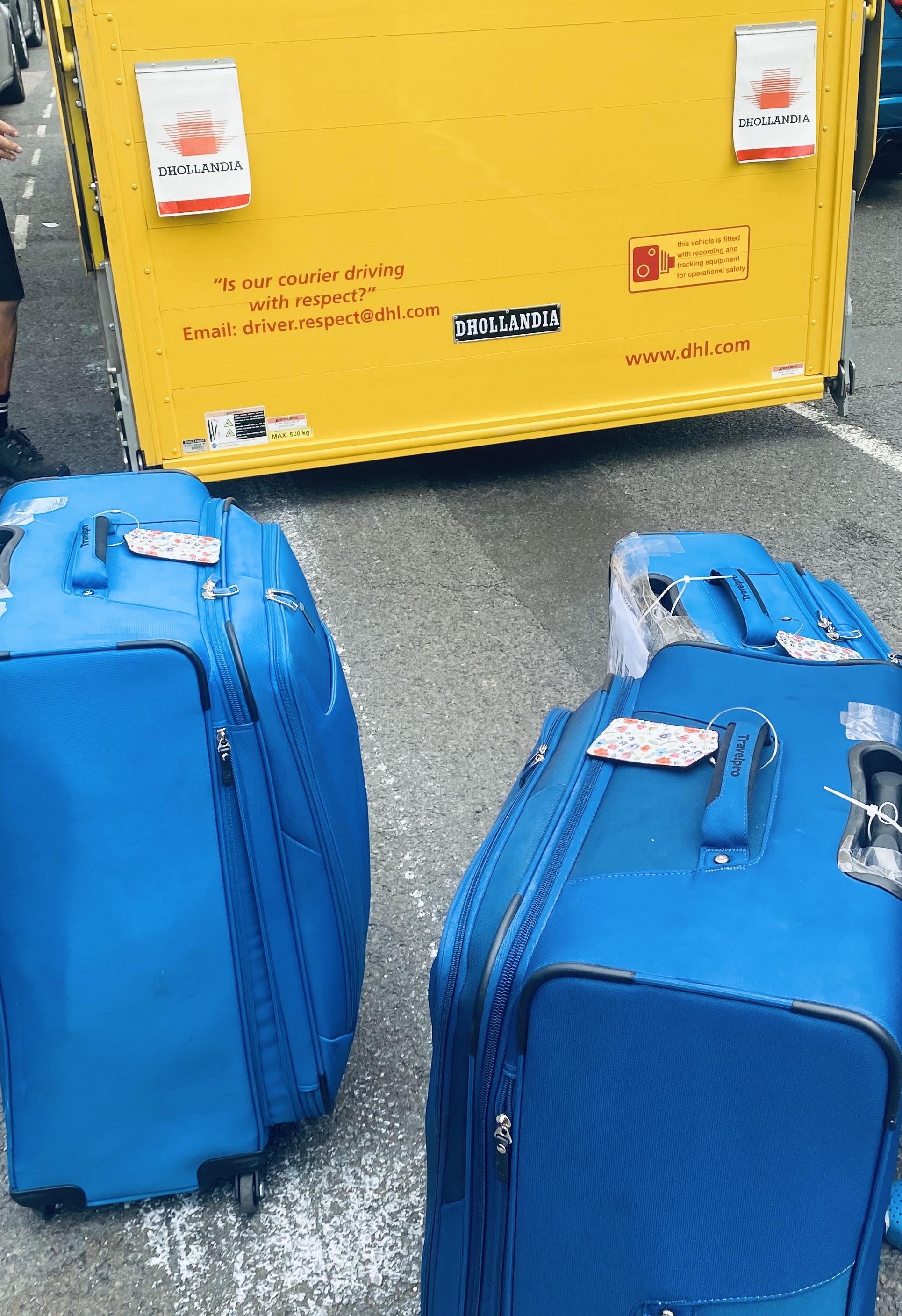
Visiting this part of London is very familiar to us. We’ve been visiting my sister here for over 20years at this point, watching how the place evolves, seeing familiar places, and so on. It’s really very nice.
As we’ve been in France for the last 2+ years, it’s starting to feel familiar, but it all takes time.
If you're curious where this started, or how some of it felt in the early days, go back and read that first post. It's less polished, but captures some good parts of the early days here.
 Keith Christiansen
When Leaving Isn’t Running
When I first wrote that post, we had just landed. Everything felt fragile, even us. We’d settled into an apartment just because we needed to settle. To stop moving.
Then, new routines, new systems, new expectations. We were still fumbling through cheese labels, getting lost on bus routes, second-guessing whether we could really pull this off.
The reasons for leaving the U.S. felt sharp and close: healthcare, teaching burnout, the sense that life had become a spreadsheet of survival. We were disoriented in France, but France was the direction
Every choice in the USA was a calculation—copays, sick days, pensions, coverage gaps. But underneath that was something bigger: the slow collapse of trust. The system wasn’t broken. It was working exactly as designed to work - for someone else.
We weren’t fleeing a single issue. It was the whole shape of things: the erosion of democracy, the quiet normalization of crisis. You could still vote, but only for the manager of the casino—not the odds, not the house.
So we left. Not for a fantasy. Just for a chance to breathe.
Stories of a life in France - and stuff we pick up along the way.
Tethered to static
Now, things are quieter. Not perfect. Not some glowing expat fantasy. But steadier. We’re learning how to stay. How to be here—without always looking back.
But of course, we do still look back. You can’t really leave America. Not entirely. It broadcasts at full volume, no matter the distance. You refresh the news, scroll past old addresses on Zillow, listen to people you love wrestle with the same issues you left behind. And still, the chaos feels slightly unreal, like you’re watching it through glass.
Musical interlude
New York avec toi Téléphone (1984)
I don’t really love Téléphone, but they were influential. In just a handful of years, they released five studio albums and sold over 10 million copies—blending rock, new wave, and pop hooks into something France hadn’t quite seen before. They had more grit early on, but by the time “New York avec toi” came out, they were deep into pop-rock. France’s version of polished rebellion. Green Day before Green Day - – “edgy” without making anyone clutch their pearls.
a different quiet
We didn’t move to France for calm, exactly. But that’s what we got. A slow, strange recalibration. A different rhythm.
It’s like learning to breathe differently, in a way, except you’re still holding your breath half the time, exhaling in a different language
[ed. note: Language doesn’t just shape thought—it reshapes breath. French, for me, requires a different kidn of breath control.]
Transitions are still tricky. Some systems are still unfamiliar (but weren’t they also in the US?). Stores still close on Mondays, and somehow I still manage to walk to the boulangerie I like on the one day of the week it’s shut.
still learning the rhythm
Be careful if you ask for a slower life—you might get it.
That’s the part I keep being surprised by, as obvious as it sounds.
So here we are in London for a bit. France still home, more or less. America remains... complicated.
Headlines from home are still hard to read, but the volume feels different when you’re farther away. It feels more like you’re shouting things at the screen, not acting as a part of the drama - like static you can’t quite shut off.
Got your own version of this story?
If you’ve made a move, thought about it, or found yourself stuck between places, tell us about it. Drop a comment. What is different at a distance? What never quite goes away?
I’d love to hear how you’re navigating it.