The Baguette Tradition: A French Staple Worth the Extra Few Cents
Why You Should Always Ask for "Tradition" and What Makes French Baguettes So Special
You’ve probably heard of baguettes if you’ve heard of France—they're as iconic as the Eiffel Tower, berets, striped shirts, and aloof service. But not all baguettes are created equal. The quality can vary greatly, so if you want good bread, don’t just ask for a baguette; ask for a "baguette tradition." With over 30,000 boulangeries across France, a "tradition" is almost always a better choice.
And unless you’re very, very good, you can’t bake them at home. A fine recipe is to be found here.
We live in Nantes and our neighborhood has 7 bakeries within 5 blocks. There are 31 in my zip code, not counting ones that only make desserts. France’s many boulangeries (bread bakeries) do the majority of their trade in these loaves.
People really eat a lot of them here.
If you just ask for a “baguette,” you might end up with a Baguette Ordinaire, which is more common in supermarkets and, frankly, a bit plain in comparison. I’ve heard it said that “no true French person would buy their baguettes at the supermarket,” but they do: French supermarkets sell about 4.4 billion baguettes each year. They’re not bad, but the tradition is better. The difference in price between a baguette ordinaire and tradition is usually about 20 cents. Spend the extra.
The Baguette de Tradition is the gold standard in French bread and yes, there is a law. The baguette traditionis regulated by the 1993 "Décret Pain" (Bread Decree) outlining the 4 ingredients that it can be made with: flour, water, salt, and yeast or natural leavening. No additives and the bread must be made where it is sold. The result is a rustic baguette with a crispier crust and airy crumb.
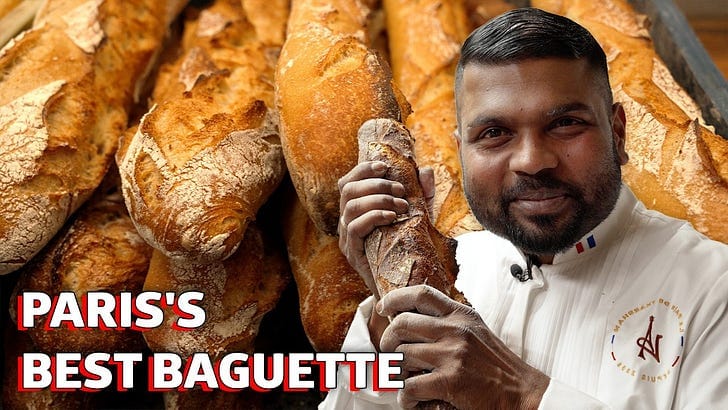
Baker Tharshan Selvarajah made history as the first Sri Lankan to win the best baguette competition in Paris. His shop now makes 1,000 baguettes daily, supplying top restaurants and the presidential palace.
Mahmoud M’seddi is a celebrated Parisian baker of Tunisian descent who won the Grand Prix de la Baguette in 2018. He presents an incredible breakdown of his techniques in the video below.
While the law exists, it’s more of a respected tradition than something strictly enforced—there are no "bread cops," unfortunately. However, the French are very particular about how their baguettes are made and aren't shy about sharing their opinions.
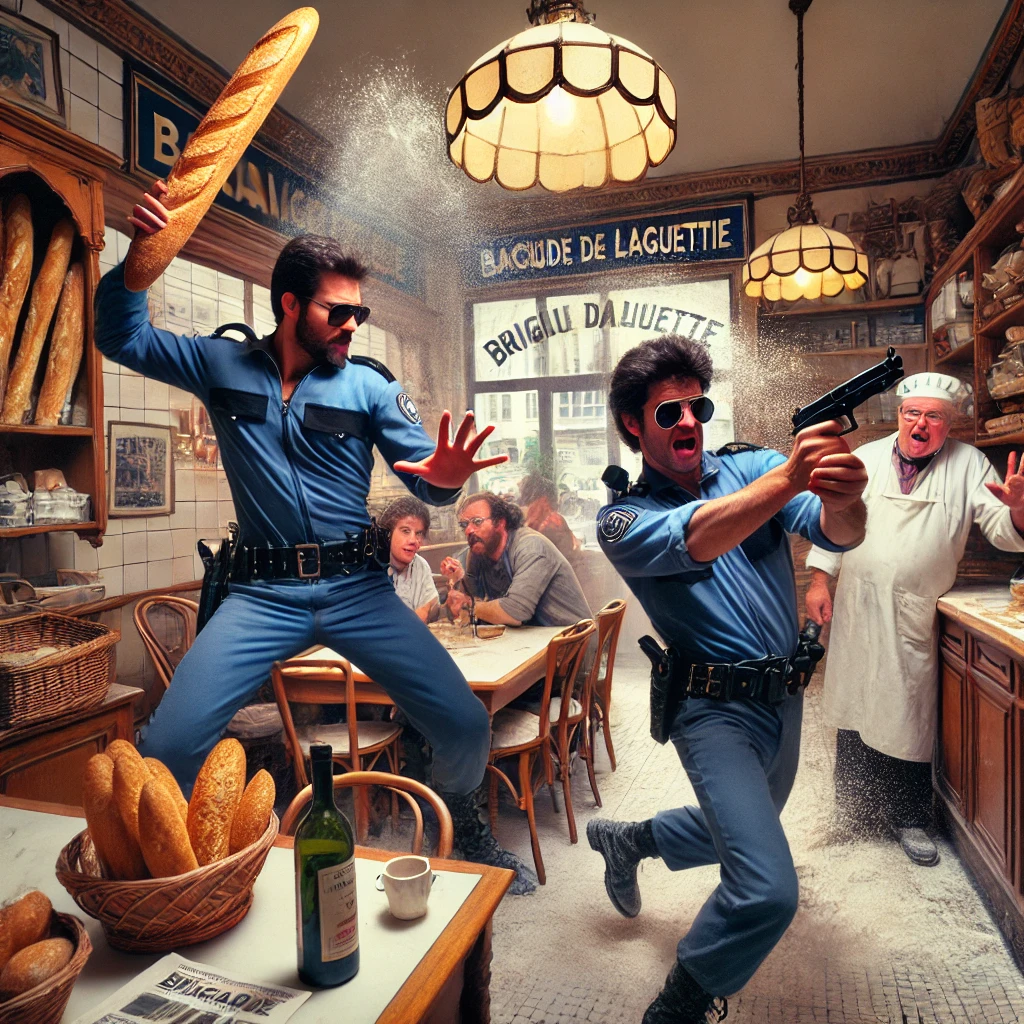
There are no bread police.